How to Clear Kitchen Sink Clog: Quick & Easy Solutions
Executive Chef & Lead Commercial Kitchen Specialist at Daily Kitchup Test Lab
Is your kitchen sink refusing to drain, leaving you with a frustrating mess? We’ve all been there, and it’s never fun.
But don’t worry, because you’re about to discover simple and effective solutions to clear that stubborn clog. Imagine a kitchen where water flows smoothly, where you’re not left dealing with stagnant pools of water while washing dishes. Sounds like a dream, right?
Well, it’s entirely within reach. Whether it’s caused by food scraps, grease, or just the daily wear and tear, your sink doesn’t have to stay clogged for long. Dive into this article to learn the straightforward steps to reclaim your kitchen’s functionality and your peace of mind. Your hassle-free kitchen experience is just a few easy steps away.
Common Causes Of Sink Clogs
A clogged kitchen sink can disrupt daily routines. Knowing what causes sink clogs helps prevent them. Many everyday activities contribute to blockages. Understanding these causes makes maintenance simpler and avoids future issues.
Food Waste
Food scraps often lead to sink clogs. Small bits can accumulate in pipes over time. Avoid flushing down large food pieces.
Grease And Oil
Grease and oil harden in pipes, causing blockages. They cling to pipe walls and trap other debris.
Soap Residue
Soap scum builds up, narrowing pipe openings. This residue sticks to pipe surfaces and gathers particles.
Hair
Hair can wash into the sink from cleaning. It binds with grease and food, forming tough clogs.
Small Objects
Small items accidentally dropped can obstruct water flow. Things like bottle caps or bits of packaging are common culprits.
Mineral Buildup
Hard water deposits create blockages over time. Minerals gather and solidify, reducing pipe capacity.
Tools You Need
Plunger, baking soda, vinegar, and a wrench are essential tools to clear a kitchen sink clog. Use a plunger to create pressure and dislodge debris. Baking soda and vinegar can dissolve buildup effectively. Keep a wrench handy for removing trap pipes.
A clogged kitchen sink can disrupt your daily routine, making even simple tasks feel like a chore. The good news? With the right tools, you can tackle this issue efficiently. Before you roll up your sleeves, ensure you have these essential tools at your disposal. Not only will they make the job easier, but they’ll also save you time and frustration.Plunger
A plunger is a classic tool that’s surprisingly effective for kitchen sinks. Its strong suction can dislodge stubborn clogs. Ensure you have a cup-style plunger, which works best for flat surfaces like sinks.Drain Snake
A drain snake, or auger, is your go-to for deeper clogs. It can reach where plungers can’t. You simply insert it into the drain and twist to break up the blockage. It’s handy for tackling hair or small items causing the clog.Baking Soda And Vinegar
This dynamic duo is a natural alternative to harsh chemicals. Pour a cup of baking soda followed by a cup of vinegar down the drain. Let it fizz for about 15 minutes, then flush with hot water. It’s eco-friendly and surprisingly effective.Bucket And Towels
Always have a bucket and some towels ready. They’re crucial for catching excess water when you open pipes. This can prevent a bigger mess and keep your workspace clean.Pipe Wrench
A pipe wrench is essential if you need to loosen and tighten plumbing fittings. Make sure it’s adjustable to fit different sizes. It’s especially useful if you need to take apart the U-bend under the sink. Having the right tools can make all the difference. What tools do you currently have in your home toolkit? You might be surprised at how many you already own! Equipping yourself with these can transform a daunting task into a manageable one.Boiling Water Method
Boiling water can effectively clear a clogged kitchen sink. Pour hot water directly into the drain. Repeat several times to dissolve and wash away any blockage.
The Boiling Water Method is a simple yet effective way to tackle clogs in your kitchen sink. This technique uses the power of heat to dissolve stubborn blockages. With minimal effort, you can restore the smooth flow of water and keep your kitchen functioning seamlessly.Prepare Your Sink
Ensure the sink is empty and remove any standing water. This helps the hot water reach the clog directly.Boil Water
Heat a pot of water until it reaches a rolling boil. You need enough water to fill the drain.Pour Slowly
Carefully pour the boiling water down the drain. Do this slowly to avoid splashes and ensure effectiveness.Repeat If Necessary
If the clog persists, repeat the process a few times. This may gradually break down the blockage.Check Results
Test the sink by running water. Check if the drainage has improved and the clog is cleared.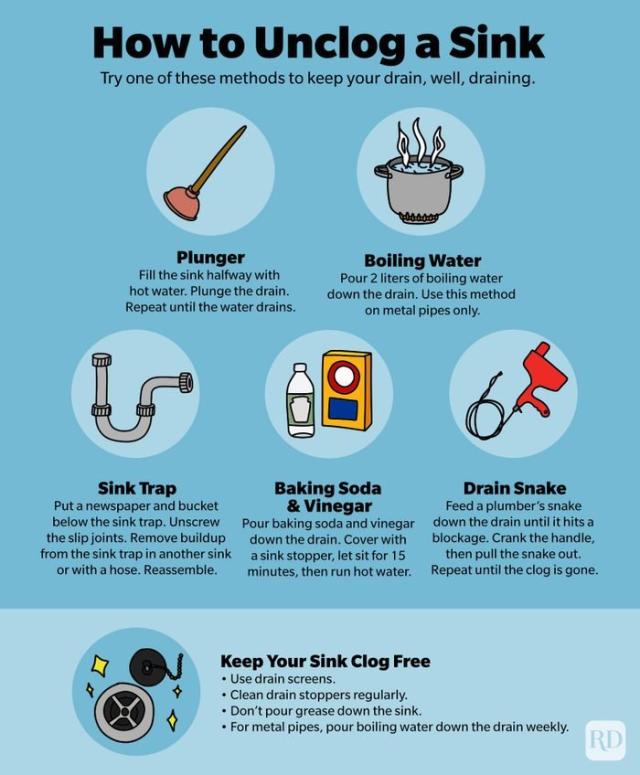
Credit: www.aol.com
Baking Soda And Vinegar Solution
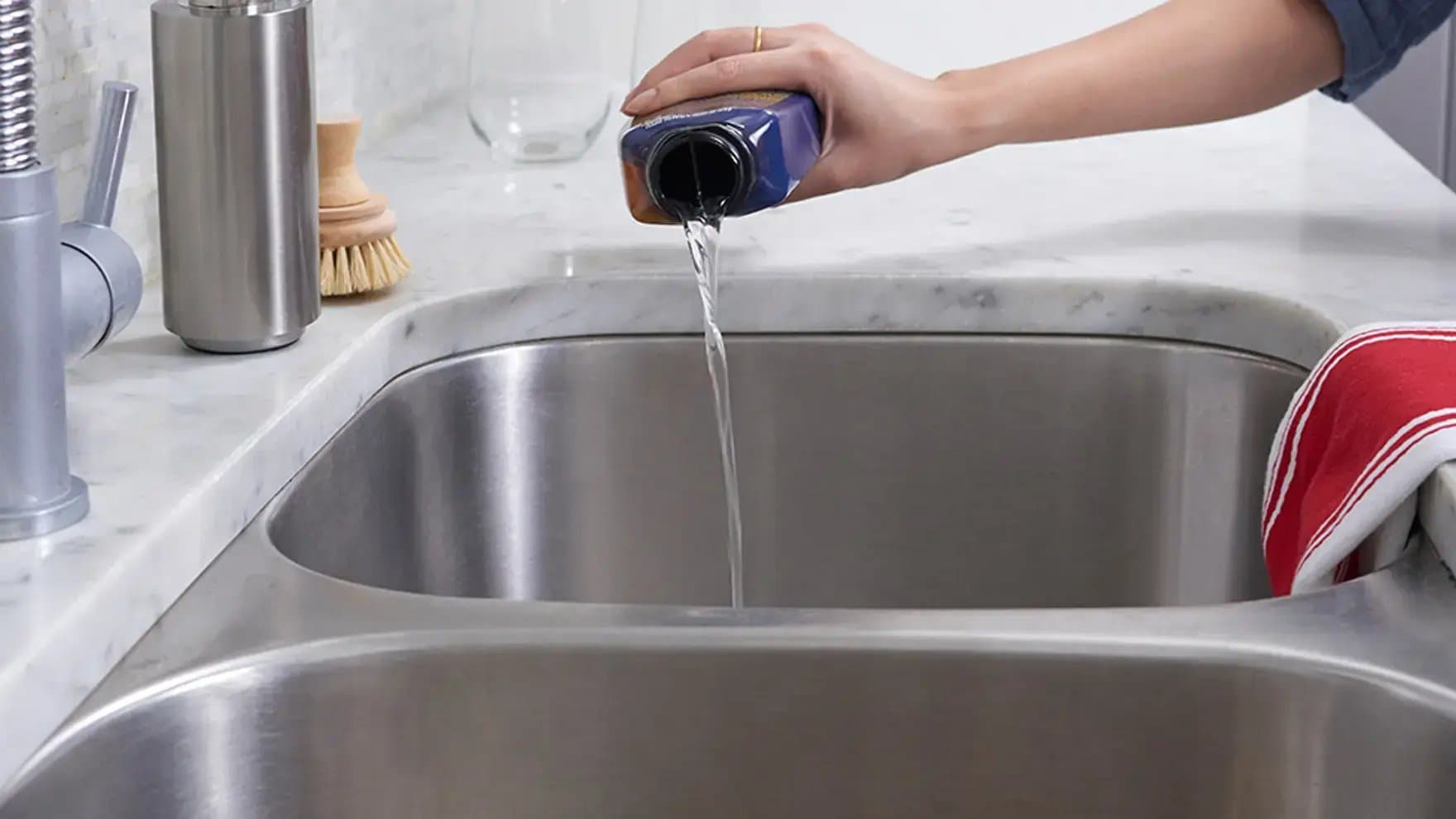
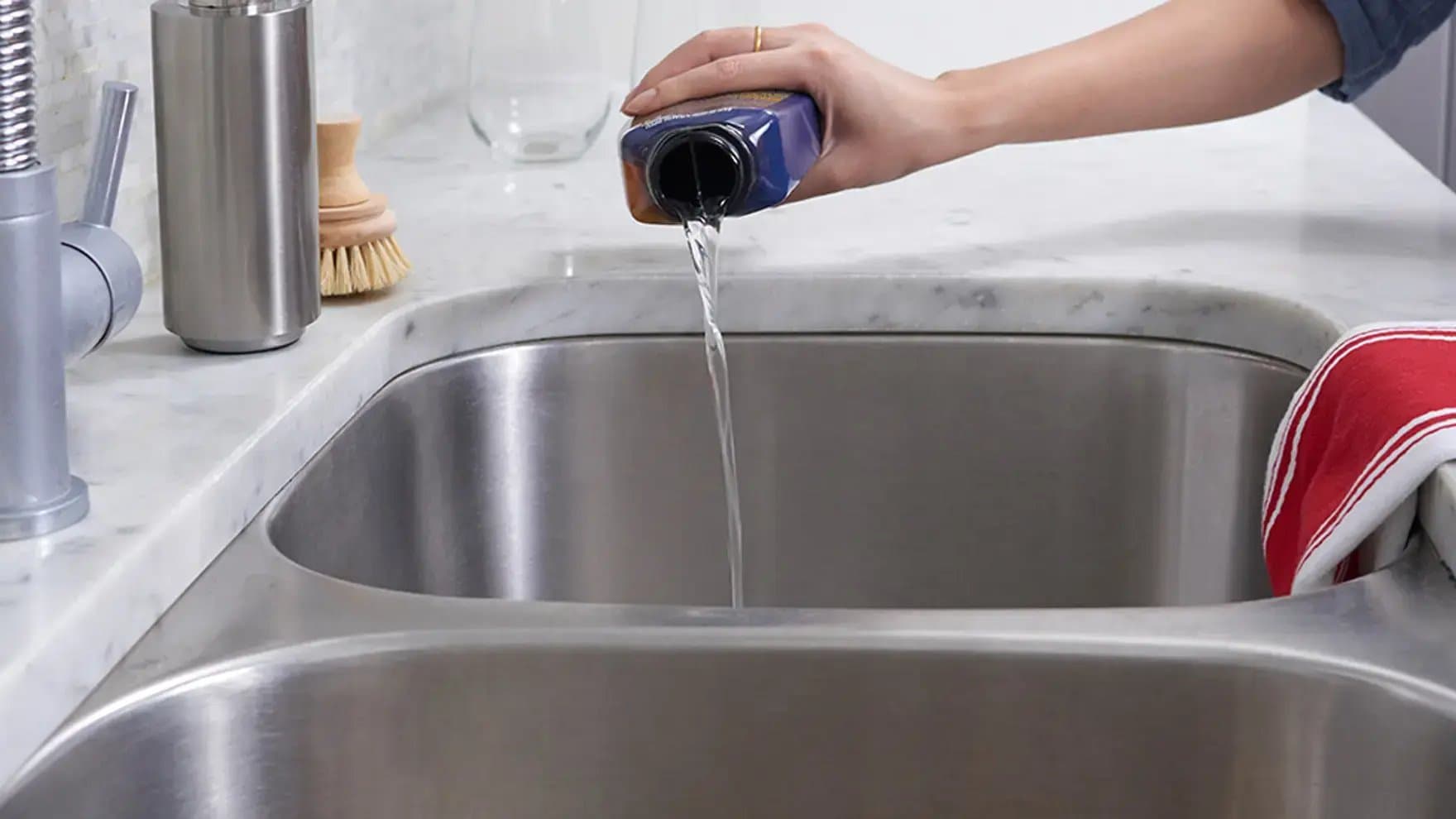
Baking soda and vinegar can effectively clear a kitchen sink clog. Pour half a cup of baking soda followed by half a cup of vinegar down the drain. Let the mixture fizz for a few minutes, then flush with hot water.
The Baking Soda and Vinegar Solution is a natural and effective way to clear a kitchen sink clog. This method uses simple ingredients found in most kitchens. It is safe and eco-friendly, making it a popular choice. The reaction between baking soda and vinegar can help dissolve debris and grime. Let’s explore how this solution can tackle stubborn clogs.Baking Soda Application
Start with a clean and dry sink. Pour half a cup of baking soda into the drain. Make sure the powder goes directly into the pipe. Baking soda works as a gentle abrasive. It helps break down greasy build-up.Adding Vinegar
Follow the baking soda with half a cup of vinegar. Pour it slowly over the baking soda. This causes a fizzing reaction. The fizz helps loosen clogs and push debris through the pipe.Cover And Wait
Place a sink stopper or cloth over the drain. This traps the fizzing action inside the pipe. Let the mixture sit for 15 to 20 minutes. This allows the reaction to work effectively.Flush With Hot Water
Boil water in a kettle or pot. Carefully pour it down the drain. Hot water flushes away the loosened debris. It also helps dissolve any remaining residue. Repeat if necessary for stubborn clogs.Regular Maintenance
Use this solution monthly to prevent future clogs. Regular application keeps pipes clean. It reduces the risk of build-up and blockage. This easy method helps maintain a healthy kitchen sink.Plunger Technique
The plunger is a simple tool for unclogging a kitchen sink. It uses suction to clear blockages. This method is effective for most sink clogs. It’s also eco-friendly, using no chemicals. Let’s explore how to use a plunger effectively.
Gather The Necessary Tools
First, gather your tools. You need a standard plunger. Make sure it has a flat rim. A cup-shaped plunger works best for sinks. Also, have a cloth or towel handy. You might need it to clean spills.
Prepare The Sink
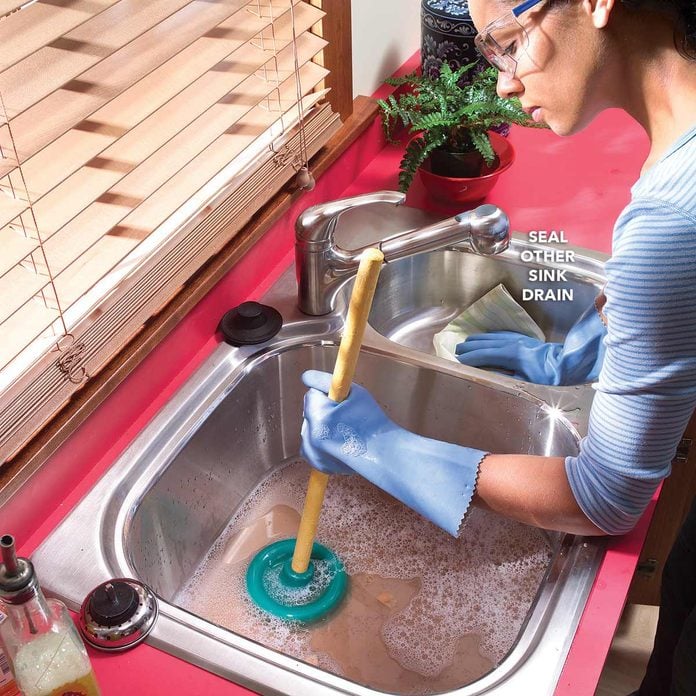
Before plunging, clear the sink area. Remove any standing water. If there’s water, scoop it out with a cup. Check for any visible debris in the drain. Remove it with your hands or tweezers.
Seal The Overflow Hole
Locate the overflow hole in your sink. It’s usually near the top edge. Seal it with a wet cloth. This helps create a vacuum seal. It allows the plunger to work more effectively.
Position The Plunger
Place the plunger over the drain. Ensure it covers the drain completely. The plunger’s rim should sit flat on the sink surface. This creates a strong seal for plunging.
Start Plunging
Begin with gentle plunges. Push down and pull up on the plunger handle. Maintain the seal as you work. Gradually increase the force if needed. Continue until the clog loosens.
Check The Drain
Remove the plunger from the drain. Run water to see if the clog is cleared. If the water flows smoothly, the job is done. If not, repeat the plunging process.
Clean Up
After clearing the clog, clean the sink area. Wipe any water spills with a towel. Rinse the plunger with water to clean it. Store it in a dry place for future use.
Using A Drain Snake
Clearing a kitchen sink clog with a drain snake is simple and effective. Insert the snake into the drain and twist it to break up the blockage. Pull out the debris to restore proper water flow.
Clearing a kitchen sink clog can be a daunting task, but with the right tools, it becomes manageable. One effective method is using a drain snake, a flexible tool designed to reach deep into pipes and dislodge stubborn clogs. You might be wondering if this is something you can handle yourself, and the answer is yes! Equipped with a drain snake, you can tackle even the most stubborn kitchen sink clogs.Preparing To Use A Drain Snake
Before you start, ensure you have the right type of drain snake. There are manual and electric versions, and either can be effective for your kitchen sink. Clear the area around your sink to give yourself ample working space.Inserting The Drain Snake
Carefully insert the snake into the sink drain. If your sink has a removable trap, it might be easier to start from there. Slowly guide the snake through the pipe, turning the handle to navigate curves and bends.Dislodging The Clog
As you push the snake deeper, you may feel resistance. This indicates you’ve reached the clog. Rotate the snake to break up the blockage, then pull back slowly to remove debris. You might need to repeat this process a few times.Testing The Drain
Once you’ve removed the clog, test your sink by running water. Check if it drains smoothly. If the water flows freely, you’ve successfully cleared the blockage. If not, repeat the process or consider other methods.Cleaning Up
Don’t forget to clean your tools and the area around the sink. A clean workspace ensures you won’t face any hygiene issues later. Plus, it keeps your kitchen looking neat and tidy. Using a drain snake might seem intimidating at first, but once you see its effectiveness, you’ll appreciate the simplicity. Have you ever tackled a clog with a drain snake before? If not, now might be the perfect time to try!Chemical Drain Cleaners
Chemical drain cleaners offer a quick solution to clear kitchen sink clogs. These cleaners dissolve blockages caused by grease, food particles, and soap residue. Use them with caution, ensuring proper ventilation and protective gear to avoid harmful fumes.
Chemical drain cleaners offer a quick solution to unclogging kitchen sinks. They contain strong ingredients that dissolve grease, food particles, and other debris. Before using them, understand their benefits and risks. While effective, they can damage pipes if misused. Proper handling ensures safety and efficiency.How Chemical Drain Cleaners Work
Chemical cleaners break down clogs through a chemical reaction. They usually contain caustic substances like lye or sulfuric acid. These chemicals heat up when they contact water. This heat helps dissolve stubborn clogs quickly.Benefits Of Using Chemical Drain Cleaners
Using chemical cleaners is fast and convenient. They require minimal effort and often clear clogs within minutes. Ideal for emergencies, they save time compared to manual methods. Many are readily available in local stores.Risks And Precautions
Chemical cleaners can harm pipes if overused. They might corrode metal pipes or damage PVC. Always follow instructions on the label. Ensure proper ventilation when using them. Wearing gloves and goggles protects skin and eyes.Choosing The Right Chemical Cleaner
Select a cleaner suitable for your pipe type. Some products are specific to certain materials. Read labels carefully to avoid damage. Consider eco-friendly options to reduce environmental impact.Steps To Use Chemical Drain Cleaners Safely
- Read the instructions on the product label thoroughly.
- Ensure proper ventilation in the kitchen area.
- Wear protective gear like gloves and goggles.
- Pour the recommended amount into the sink.
- Wait for the time specified on the label.
- Flush the sink with hot water to clear debris.
Prevention Tips
Regularly dispose of food scraps and avoid pouring grease down the drain. Use a strainer to catch debris. Periodically flush the sink with hot water and baking soda to maintain clear pipes.
Preventing clogs in your kitchen sink is easier than dealing with them. Simple habits can keep your drains flowing smoothly and save you from headaches. Let’s explore some practical tips to keep your sink clear and functional.Regular Cleaning
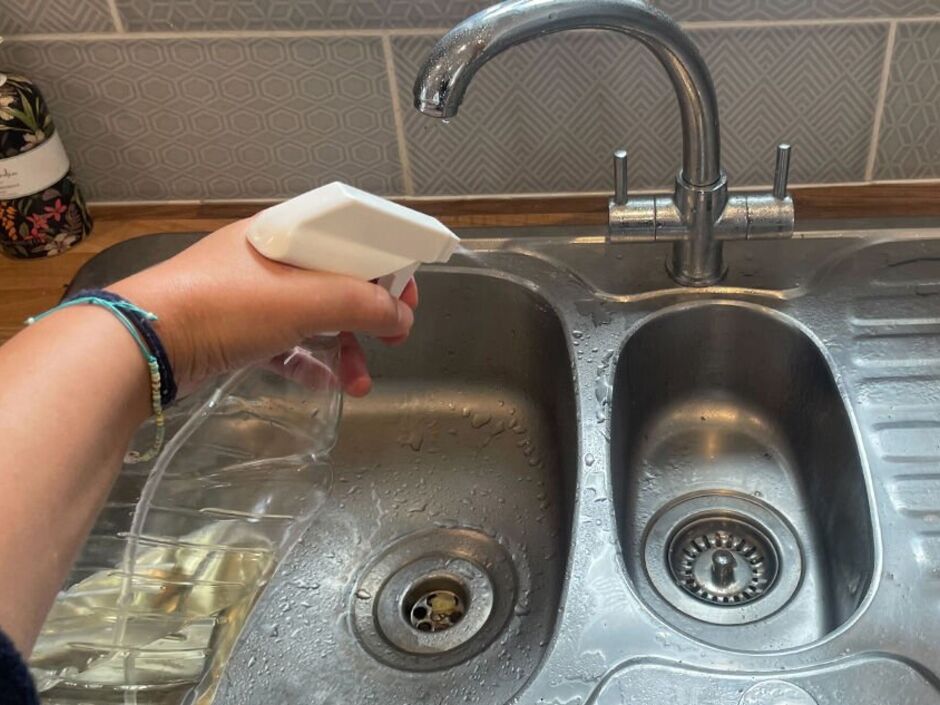
Clean your sink often to prevent buildup. Use hot water and mild soap. This helps remove grease and food particles. Pour boiling water down the drain weekly. It helps dissolve residues that may cause clogs.Avoid Pouring Grease
Grease can solidify and block pipes. Never pour fats or oils down the sink. Instead, collect them in a container. Dispose of them properly in the trash.Use A Drain Strainer
A drain strainer catches food scraps. Place one over your drain to trap solids. Clean it regularly to ensure water flows freely.Dispose Of Food Waste Properly
Scrape plates into the trash before rinsing. Avoid putting large food pieces down the sink. This prevents blockages and keeps your pipes clear.Run Cold Water When Using Disposal
Always use cold water with your garbage disposal. Cold water hardens grease, making it easier to chop. It helps your disposal work efficiently.Routine Maintenance Checks
Inspect pipes for leaks or damages. Fix issues promptly to prevent major problems. Regular checks ensure your plumbing stays in good shape.Educate Household Members
Teach everyone proper disposal habits. Encourage them to follow preventive measures. This ensures a clog-free kitchen for everyone.When To Call A Professional
Persistent clogs after using a plunger or drain cleaner signal the need for professional assistance. Water backing up into other drains indicates a complex issue.
When dealing with a stubborn kitchen sink clog, DIY methods often work. But sometimes, clogs can be persistent or complex. Knowing when to seek professional help is crucial. Attempting to fix serious issues alone can lead to bigger problems. Here’s a guide to help you decide when it’s time to call a professional plumber.Persistent Clogs
When a clog won’t clear after several attempts, it’s time for expert help. Professionals have tools and expertise to handle tough clogs. They can identify the root cause and provide effective solutions.Water Backing Up
If water backs up in other drains when using the sink, there’s a bigger issue. This often indicates a blockage in the main line. Professionals can diagnose and fix these complex problems.Foul Odors
Lingering bad smells from the sink may signal trapped debris or bacteria. Professional plumbers can inspect and clean the pipes thoroughly. They ensure your kitchen stays fresh and hygienic.Unusual Noises
Strange gurgling sounds from the drain can mean air in the pipes. This could indicate a blockage or venting issue. A professional can assess and resolve such complications effectively.Visible Leaks
Leaks around your sink or under the cabinet require immediate attention. Delaying repairs can lead to water damage or mold growth. Professionals can fix leaks and prevent further issues.Multiple Drain Issues
If multiple drains in your home are slow or clogged, it suggests a bigger problem. This often involves the main sewer line. A professional plumber has the tools to clear and repair main lines efficiently.
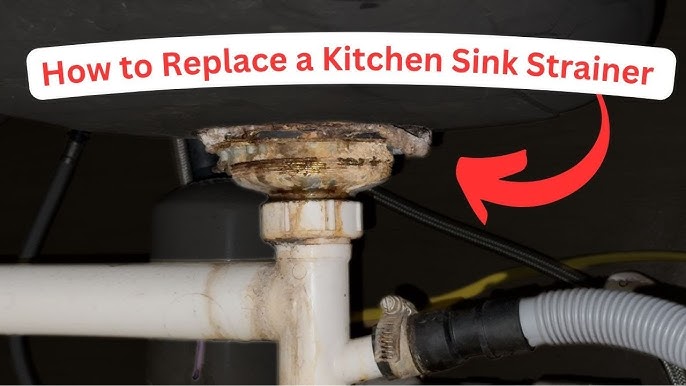
Credit: www.youtube.com
Credit: www.familyhandyman.com
Frequently Asked Questions
How Do You Unclog A Badly Clogged Kitchen Sink?
Use a plunger to dislodge the clog. Pour a mixture of baking soda and vinegar. Flush with hot water. If the clog persists, manually remove the trap under the sink and clear debris. For stubborn clogs, consider using a plumber’s snake or calling a professional plumber.
How To Unblock A Severely Blocked Kitchen Sink?
Use a plunger to clear the blockage. Pour boiling water down the sink. Add baking soda and vinegar. Wait for 15 minutes, then flush with hot water. If still blocked, use a plumber’s snake or call a professional plumber.
What Can You Pour Down A Sink To Unclog It?
Pour baking soda and vinegar down the sink to unclog it. Follow with hot water after 10 minutes. You can also use commercial drain cleaners designed for unclogging sinks. Avoid pouring grease or oil down the sink as it can worsen the clog.
Do Baking Soda And Vinegar Work Better Than Drano?
Baking soda and vinegar can unclog drains, but they may not be as effective as Drano. Drano contains stronger chemicals designed for tough clogs. Baking soda and vinegar are eco-friendly alternatives suitable for minor blockages. For severe clogs, Drano or professional help might be necessary.
Conclusion
Clearing a kitchen sink clog doesn’t need to be stressful. Simple solutions often work best. Regular maintenance helps prevent future clogs. Try using baking soda and vinegar. A plunger can also be effective. Remember to clean your sink regularly. Stay patient and persistent with stubborn clogs.
Seek professional help if needed. Keep your pipes clear with warm water occasionally. A clean sink makes cooking more enjoyable. Happy unclogging!

Similar Posts