How to Clear the Kitchen Sink Drain: Quick Solutions
Executive Chef & Lead Commercial Kitchen Specialist at Daily Kitchup Test Lab
Are you tired of standing over a clogged kitchen sink, watching water slowly swirl and refuse to drain away? You’re not alone.
A blocked sink can be one of the most frustrating household nuisances, disrupting your daily routine and turning simple tasks into stressful chores. But what if you could easily tackle this common problem without calling a plumber? Imagine regaining control over your kitchen and restoring order with just a few straightforward steps.
In this guide, you’ll discover effective and simple methods to clear your kitchen sink drain, saving you time, money, and a whole lot of frustration. So, let’s dive in and get your sink flowing smoothly again!
Common Causes Of Clogged Drains
Grease buildup and food scraps are typical culprits of kitchen sink drain clogs. Clear blockages by using a plunger or a mixture of baking soda and vinegar. Regular cleaning helps maintain a free-flowing drain.
Common kitchen sink clogs can disrupt daily chores. Understanding the causes helps in prevention. Kitchen sinks face varied culprits that lead to blockages. Identifying them is the first step to ensuring smooth drainage.Food Particles
Small food particles often slip through the drain. Over time, they build up and form clogs. Rice, pasta, and bread can expand in water, worsening the issue.Grease And Fat
Grease from cooking can solidify in pipes. It creates sticky residue that traps food particles. Regularly pouring hot water can help dissolve these fats.Soap Residue
Soap contains fats that can accumulate in drains. It mixes with dirt and food, forming clogs. Use liquid soap sparingly to reduce residue.Mineral Buildup
Hard water contains minerals that deposit in pipes. These deposits narrow the pipe and restrict water flow. Installing a water softener might help.Foreign Objects
Accidentally dropped items can obstruct drains. Small utensils or packaging can cause significant blockages. Ensure foreign objects are removed promptly.Hair And Fibers
Though less common in kitchen sinks, hair can find its way there. It tangles with soap and food, creating tough clogs. Use a hair trap to prevent this.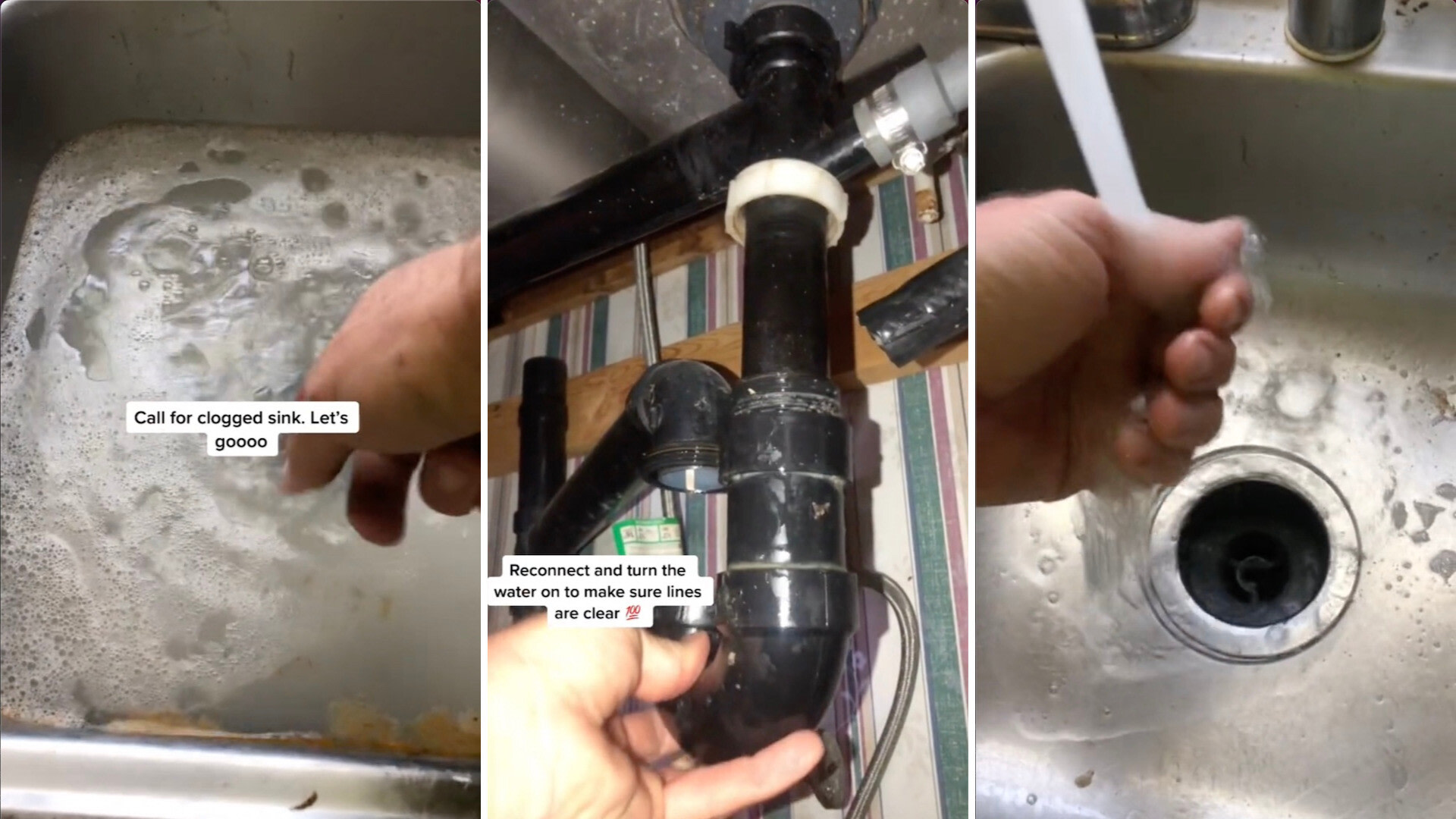
Credit: www.thecooldown.com
Essential Tools And Materials
Rubber gloves protect your hands from grime. A plunger dislodges clogs effectively. Baking soda and vinegar dissolve debris naturally. A plumber’s snake reaches deep blockages. Screwdrivers remove drain covers easily. Flashlights illuminate hard-to-see areas. Hot water flushes out loosened particles.
Keep towels handy for cleaning spills.
Clearing a clogged kitchen sink drain can be a daunting task, but having the right tools and materials can make the job much easier. With a few essential items, you can tackle the blockage like a pro and get your sink back to perfect working order. Let’s dive into the tools and materials you’ll need to get started.Basic Tools You’ll Need
Start with a plunger. This simple tool can often dislodge minor clogs with just a few firm pumps. If you’ve ever used a plunger for your toilet, you already know the drill. Just ensure you have a good seal over the drain to maximize suction. A drain snake or plumber’s auger is another must-have. This flexible tool can reach deep into the pipes to break up stubborn clogs. It’s like having a magic wand for your plumbing woes.Materials For A Diy Solution
A classic combination of baking soda and vinegar can do wonders for dissolving organic build-ups in your drain. Start by pouring half a cup of baking soda down the drain, followed by a cup of vinegar. Let it fizz for a few minutes before flushing with hot water. If chemical solutions are more your speed, consider a commercial drain cleaner. These products are specifically designed to tackle tough clogs, but be sure to follow the instructions carefully to avoid damaging your pipes.Safety Gear To Keep In Mind
Always wear rubber gloves. Not only will they protect your hands from harsh chemicals, but they’ll also keep you clean when handling dirty drains. Safety goggles are a good idea if you’re using any chemical cleaners or working with tools that could cause splashes.Optional Handy Tools
A bucket is useful to catch any water or debris when you’re removing the U-bend or P-trap. It’s a small step that can save you from a big mess. Consider having a wrench or pliers handy. These can help you loosen stubborn nuts on the pipes under your sink if you need to take them apart. Tackling a clogged sink doesn’t have to be a hassle with these essential tools and materials. Have you ever tried clearing a drain with something unconventional? Share your experience or questions in the comments below!Using A Plunger Effectively
Clogged kitchen sink drains are a common issue. Using a plunger effectively can help resolve this problem quickly. This method is simple and often requires minimal effort. Understanding the right tools and techniques will make the task easier and more efficient.
Choosing The Right Plunger
A standard cup plunger works best for flat surfaces like sinks. Ensure the plunger’s rubber cup is intact and flexible. A good seal is crucial for effective plunging. Avoid using toilet plungers as they are not designed for sinks.
Proper Plunging Technique
First, fill the sink with enough water to cover the plunger’s cup. This helps create a strong seal. Place the plunger over the drain, ensuring no air escapes. Use firm, steady movements to push and pull. Keep the plunger vertical for maximum effect. Repeat the motion several times until the blockage clears.
Baking Soda And Vinegar Method
Clear a clogged kitchen sink drain using the baking soda and vinegar method. Sprinkle baking soda into the drain, followed by vinegar, creating a fizzy reaction. Let it sit for a few minutes, then flush with hot water to clear the blockage.
If your kitchen sink is showing signs of a stubborn clog, it’s time to consider a DIY solution that’s both effective and eco-friendly: the Baking Soda and Vinegar Method. This tried-and-true method is not only simple but also uses everyday household items you likely already have. It’s a natural alternative to harsh chemical drain cleaners and, when used correctly, can save you a call to the plumber.Mixing The Solution
First, gather your ingredients: baking soda and white vinegar. Measure half a cup of baking soda and pour it directly into the drain. Follow this with one cup of white vinegar. When these two ingredients combine, they’ll create a fizzing action. This reaction is the key to breaking down the gunk clogging your pipes. Let this fizzing magic work for about five to ten minutes.Application Process
After the fizzing subsides, it’s time to flush the drain. Boil a kettle of water and carefully pour it down the drain. The hot water helps wash away the loosened debris. If you notice the water still draining slowly, you might need to repeat the process. Sometimes, stubborn clogs require a second round. Using this method not only clears your drain but also helps maintain a fresh-smelling sink. Isn’t it satisfying to solve such issues with just a few simple ingredients?Hot Water Flush Technique
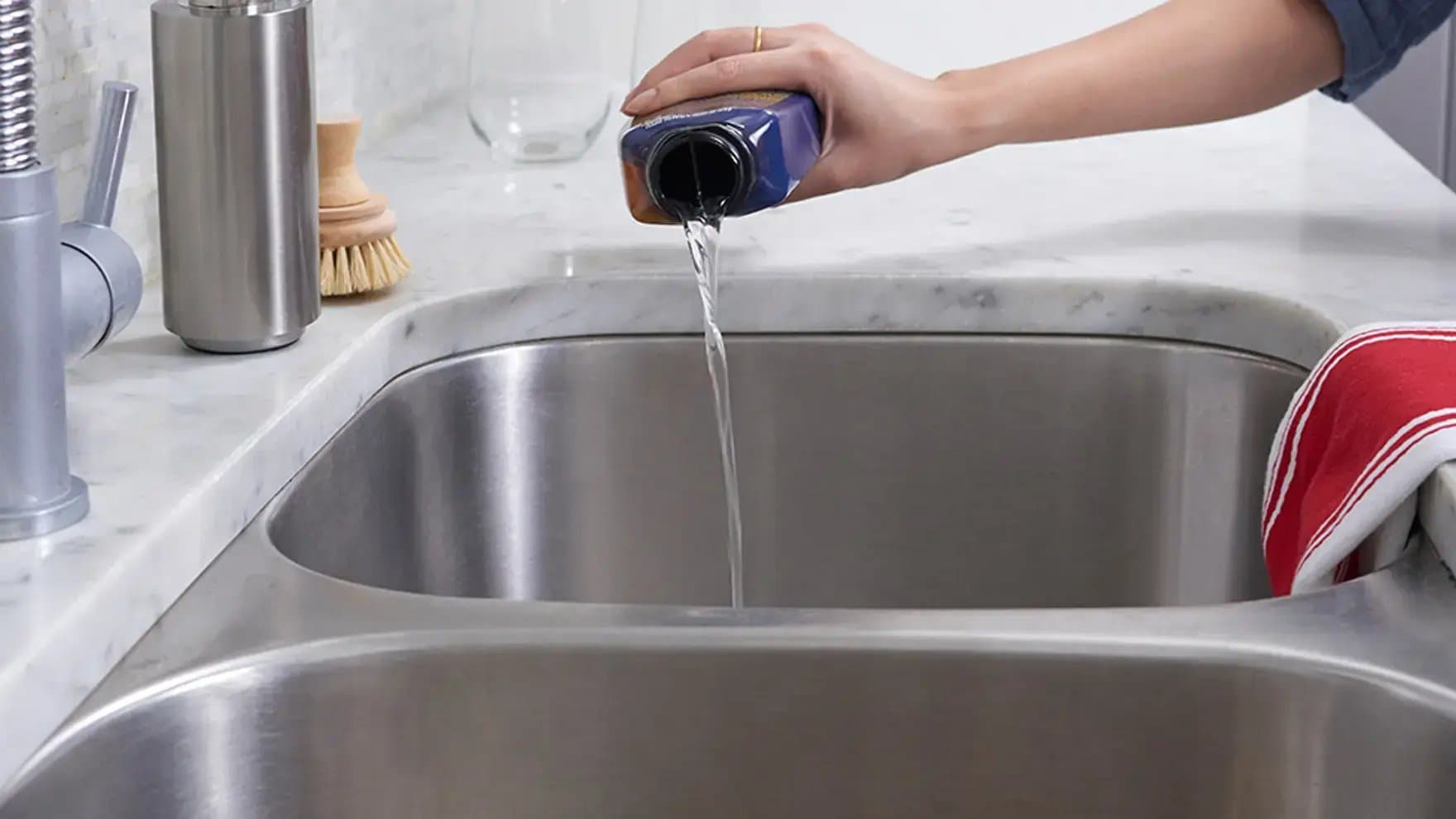
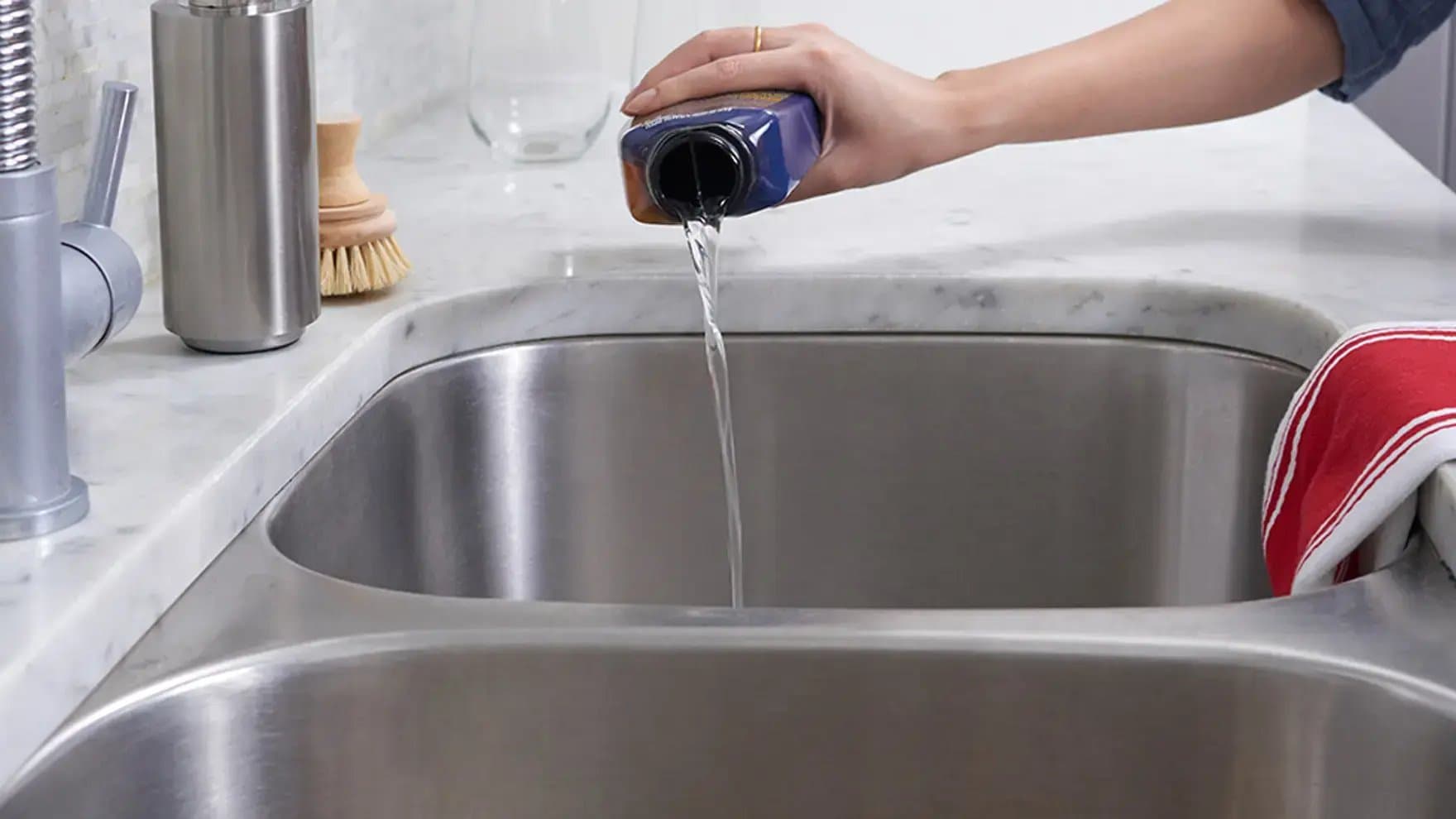
Pour boiling water down the kitchen sink to dissolve grease and debris. Repeat until the drain clears. Regular flushing keeps pipes clean.
Clearing a kitchen sink drain can be a daunting task, but the Hot Water Flush Technique offers a simple yet effective solution. This method leverages the power of hot water to dislodge stubborn clogs and flush away debris, ensuring your sink remains in optimal working condition. It’s a technique that’s both eco-friendly and budget-conscious, using minimal resources to achieve maximum results.Step-by-step Guide For The Hot Water Flush Technique
Start by clearing any visible debris from the sink. Remove food particles or any other large items that might be obstructing the drain. This initial step ensures that the hot water can directly target the clog.Boil The Water
Fill a kettle or pot with water and bring it to a rolling boil. You will need about two liters to ensure a thorough flush. The heat helps break down grease and other substances clinging to your pipes.Pour Carefully
Slowly pour the boiling water down the drain. Pouring too quickly can cause splashes, which might lead to burns or messes. The gradual flow increases the effectiveness of the flush.Repeat If Necessary
If the drain is still clogged, repeat the process once or twice. Sometimes, stubborn clogs require multiple rounds of hot water to completely dissolve. Patience is key; each flush helps make progress.Prevent Future Clogs
To keep your drain clear, use this technique regularly as a preventive measure. Consider doing a hot water flush once a week. Routine maintenance can save you from more significant plumbing issues down the line. Have you ever wondered how something as simple as hot water can be so effective? The science behind it is straightforward: heat breaks down oils and fats, which are common culprits in kitchen drain clogs. By adopting this technique, you harness the natural properties of water—simple, yet powerful.Utilizing A Drain Snake
The kitchen sink drain can often become clogged with food scraps, grease, and soap residue. One effective tool to tackle this issue is a drain snake. It’s not as intimidating as it sounds, and using it can save you both time and money. If you’ve never operated one before, you might be surprised at how straightforward it actually is. Let’s dive into the specifics.
Operating The Snake
A drain snake, or plumber’s snake, is a flexible tool designed to dislodge clogs deep within your pipes. Start by inserting the snake into the drain until you feel resistance. This resistance indicates you’ve reached the blockage. Slowly rotate the handle to break through it. The key here is gentle persistence; forcing the snake can damage your pipes.
Have you ever wondered why some clogs seem impossible to clear? Often, they’re stubborn accumulations that require a bit more finesse. Try pulling the snake back slightly and then pushing forward again. This motion can help dislodge particularly tricky blockages.
Removing Blockages
Once you’ve maneuvered the snake into the clog, continue rotating the handle while pushing forward to break it apart. You might notice debris starting to surface in the sink. This is a good sign that you’re making progress. If the water begins to drain, you’ve successfully tackled the blockage.
Why let a simple clog disrupt your daily routine? Consider running some hot water down the drain after using the snake. This can help wash away any remaining residue and ensure the pipe is clear. Additionally, you might want to inspect the snake itself, removing any debris that has clung to its coils.
Remember, a drain snake can be a powerful ally in maintaining your kitchen’s efficiency. Have you tried using one before, or do you have tips for other readers? Sharing your experiences can offer valuable insights and foster a sense of community.
Commercial Drain Cleaners
Commercial drain cleaners offer a quick and effective solution to unclogging your kitchen sink. These products are designed to break down grease, food particles, and other debris that typically cause blockages. While commercial cleaners can be powerful, choosing the right one and using it safely is crucial to prevent damage to your plumbing and ensure your safety.
Choosing The Right Product
Not all drain cleaners are created equal. Some are more suitable for specific types of clogs, while others offer a general solution. Consider the nature of the blockage in your sink. Is it mostly grease or food particles? Look for products that specifically target these issues.
Additionally, read the labels carefully to understand their composition. Some cleaners use harsh chemicals that can be tough on pipes, whereas others are formulated to be gentler. If you have older plumbing, opt for a product that’s less corrosive to avoid any long-term damage.
It’s also worth checking customer reviews and ratings. They can provide valuable insights into the effectiveness and safety of the product. Why not ask friends or family for recommendations? Their personal experiences can guide you toward a reliable choice.
Safety Precautions
Handling commercial drain cleaners requires caution. Always wear gloves and protective eyewear to shield yourself from any splashes or spills. Even if the label doesn’t specify, it’s better to be safe than sorry.
Ventilate your kitchen well by opening windows or turning on exhaust fans. This helps disperse any fumes that can be harmful if inhaled. Have you ever felt dizzy after using a cleaner? That’s a sign of poor ventilation, which you can easily avoid.
Follow the instructions on the product carefully. Overuse or incorrect application can lead to damage or even dangerous reactions. Measure carefully, and never mix different cleaners together; this can lead to toxic fumes. What might seem like a harmless concoction can quickly turn dangerous.

Credit: www.youtube.com
Preventing Future Clogs
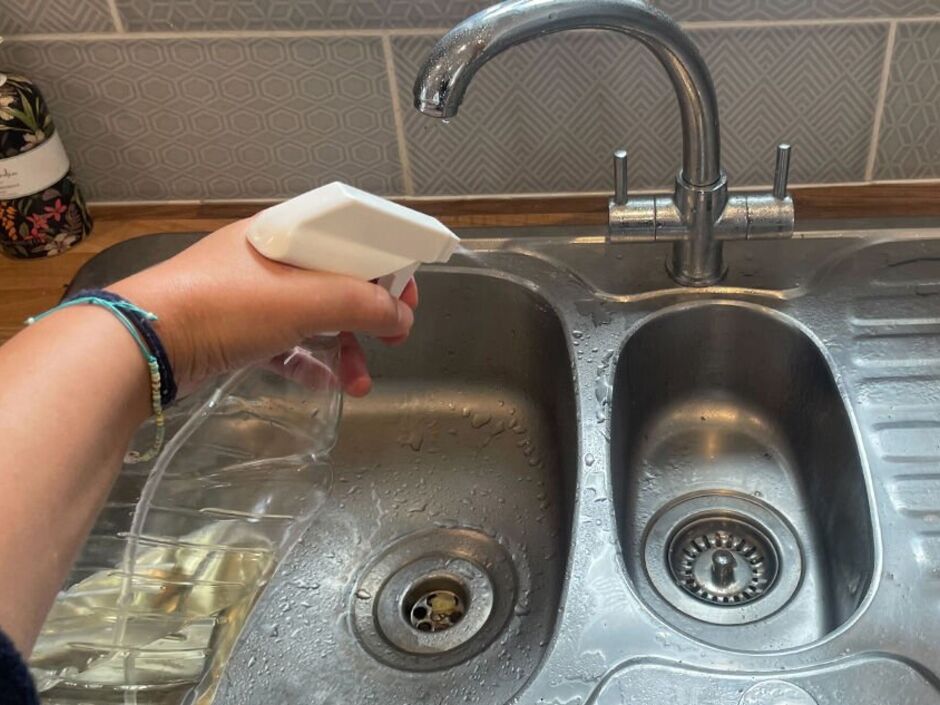
Prevent future clogs by regularly cleaning the sink drain. Use hot water and vinegar to dissolve residue. Dispose of grease in a separate container, not the sink.
Preventing future clogs in your kitchen sink drain can save you time and hassle. Imagine never having to deal with the unpleasant surprise of a backed-up sink just when you’re about to wash the dishes. By adopting a few simple habits, you can keep your drain running smoothly and avoid those pesky clogs.Regular Maintenance Tips
Regularly flushing your drain with hot water can help dissolve grease buildup. Once a week, pour a pot of boiling water down the drain to keep things flowing smoothly. Consider using a mixture of baking soda and vinegar monthly. This natural cleaning method can break down minor blockages and prevent odors. Simply pour half a cup of baking soda followed by half a cup of vinegar, let it fizz for a few minutes, and rinse with hot water. Installing a drain cover is another simple yet effective measure. This can catch food particles and debris before they enter your pipes.Items To Avoid In The Drain
Be mindful of what you put down your drain. Certain items can cause major blockages and lead to costly repairs. Avoid pouring fats, oils, and grease (often referred to as FOG) down the drain. These substances can solidify and create stubborn clogs. Dispose of them in a container and throw it in the trash instead. Coffee grounds and eggshells are also notorious for causing clogs. They may seem harmless, but they can accumulate over time and block your pipes. Compost these items if possible, or discard them in the garbage. By being proactive and mindful about what goes down your drain, you can maintain a clog-free kitchen sink. What small steps can you start taking today to ensure your sink stays clear and functional?
Credit: www.aol.com
Frequently Asked Questions
What’s The Best Way To Unclog A Kitchen Sink Drain?
Use baking soda and vinegar to unclog the kitchen sink drain. Pour half a cup of baking soda followed by half a cup of vinegar. Let it sit for 15 minutes, then rinse with hot water. Repeat if necessary for stubborn clogs.
What Will Dissolve Food Stuck In The Drain?
Use a mixture of baking soda and vinegar to dissolve food stuck in the drain. Pour hot water after.
What Will Dissolve Hair In A Drain?
Use baking soda and vinegar to dissolve hair in drains. Pour baking soda, then vinegar, and wait. Finally, rinse with hot water. This method unclogs drains effectively, preventing hair buildup. Regular maintenance ensures smooth drainage and avoids costly plumbing issues.
Always follow safety guidelines when using chemical drain cleaners.
How To Clear A Slow Draining Sink?
Use a plunger to dislodge debris. Pour baking soda and vinegar to break down clogs. Rinse with hot water.
Conclusion
Clearing a kitchen sink drain isn’t hard. You just need patience and some basic tools. Start with hot water and vinegar. They can dissolve grease effectively. Baking soda helps too. It can scrub away residues. A plunger might come in handy for stubborn clogs.
Always wear gloves to keep your hands clean. Regular cleaning prevents future blockages. Try to clean the drain once a month. This keeps it clear and fresh. Remember, simple steps lead to a clean kitchen. A clean drain makes life easier.
Enjoy your clog-free sink!

Similar Posts