What is Standard Kitchen Sink Size? Expert Guide
Executive Chef & Lead Commercial Kitchen Specialist at Daily Kitchup Test Lab
Are you planning a kitchen renovation or simply looking to upgrade your sink? You might find yourself asking, “What is the standard kitchen sink size?”
It’s a crucial question, especially when you want your kitchen to be both functional and stylish. Imagine a sink that’s too small for your pots and pans or one that’s so large it overtakes your countertop space. That’s why finding the right size is essential for your daily comfort and efficiency.
We’ll uncover the standard dimensions for kitchen sinks and explore why choosing the right size can transform your kitchen experience. Whether you’re cooking a feast or just cleaning up after a meal, having the perfect sink size can make all the difference. So, let’s dive into the details and help you make the best decision for your kitchen needs.
Common Kitchen Sink Dimensions
Choosing the right kitchen sink size can make a significant difference in the functionality and aesthetics of your kitchen. It’s not just about fitting the sink into the countertop; it’s about ensuring it meets your needs efficiently. Understanding common kitchen sink dimensions can help you make an informed decision that complements your kitchen space.
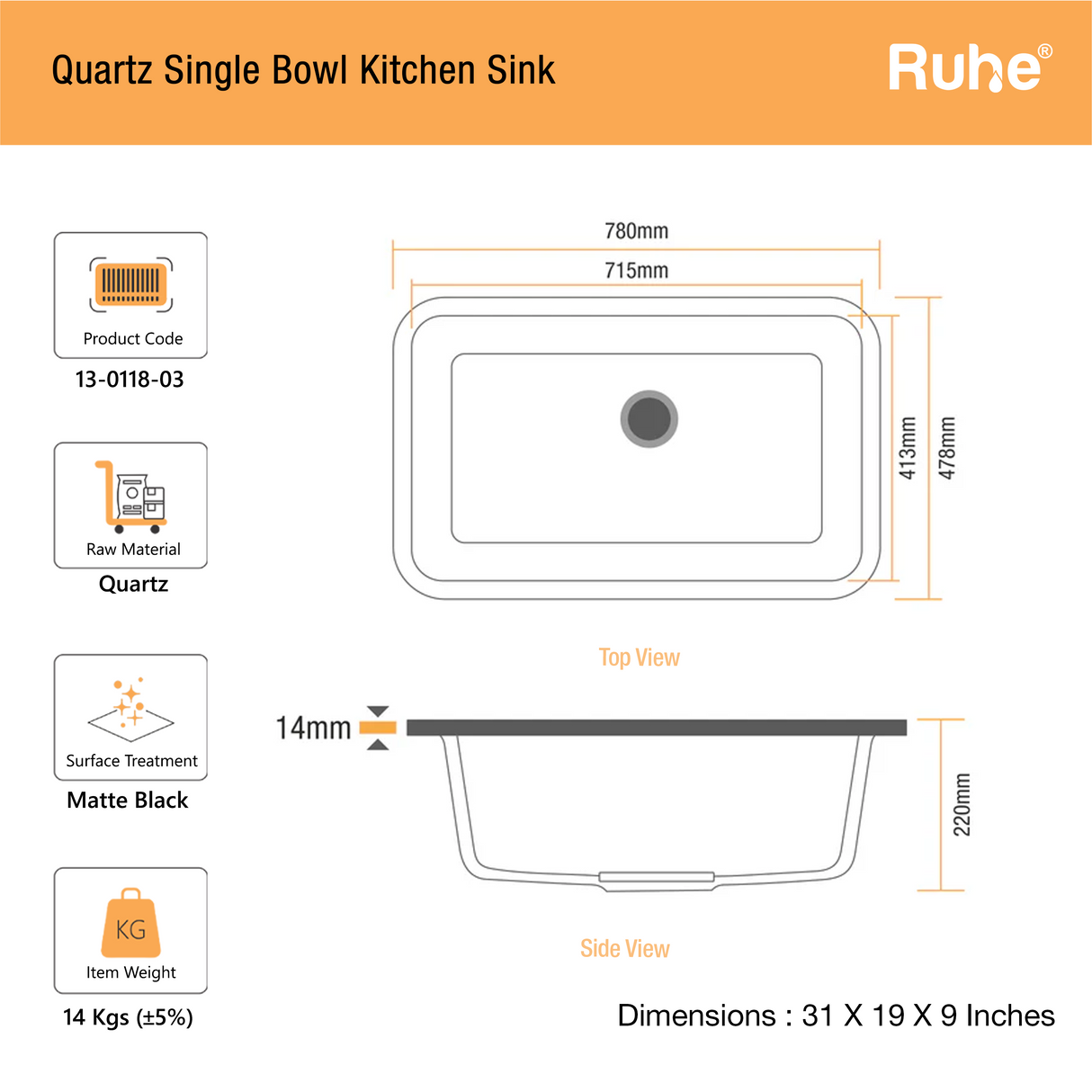
Most homeowners opt for a standard kitchen sink size to ensure compatibility with various countertop designs and cabinets. Standard sinks typically measure around 22 inches by 30 inches, offering a versatile fit for many kitchens.
However, it’s important to note that the depth of the sink can vary. While many standard sinks are about 8 inches deep, some can be deeper, providing more space for washing large pots and pans.
Single Basin Sinks
If you prefer a single basin sink, you might find dimensions ranging from 20 inches to 24 inches wide. These sinks are ideal for smaller kitchens or for those who prefer a minimalist design.
Single basin sinks often offer a deeper basin, sometimes up to 10 inches, giving you ample space for cleaning tasks.
Double Basin Sinks
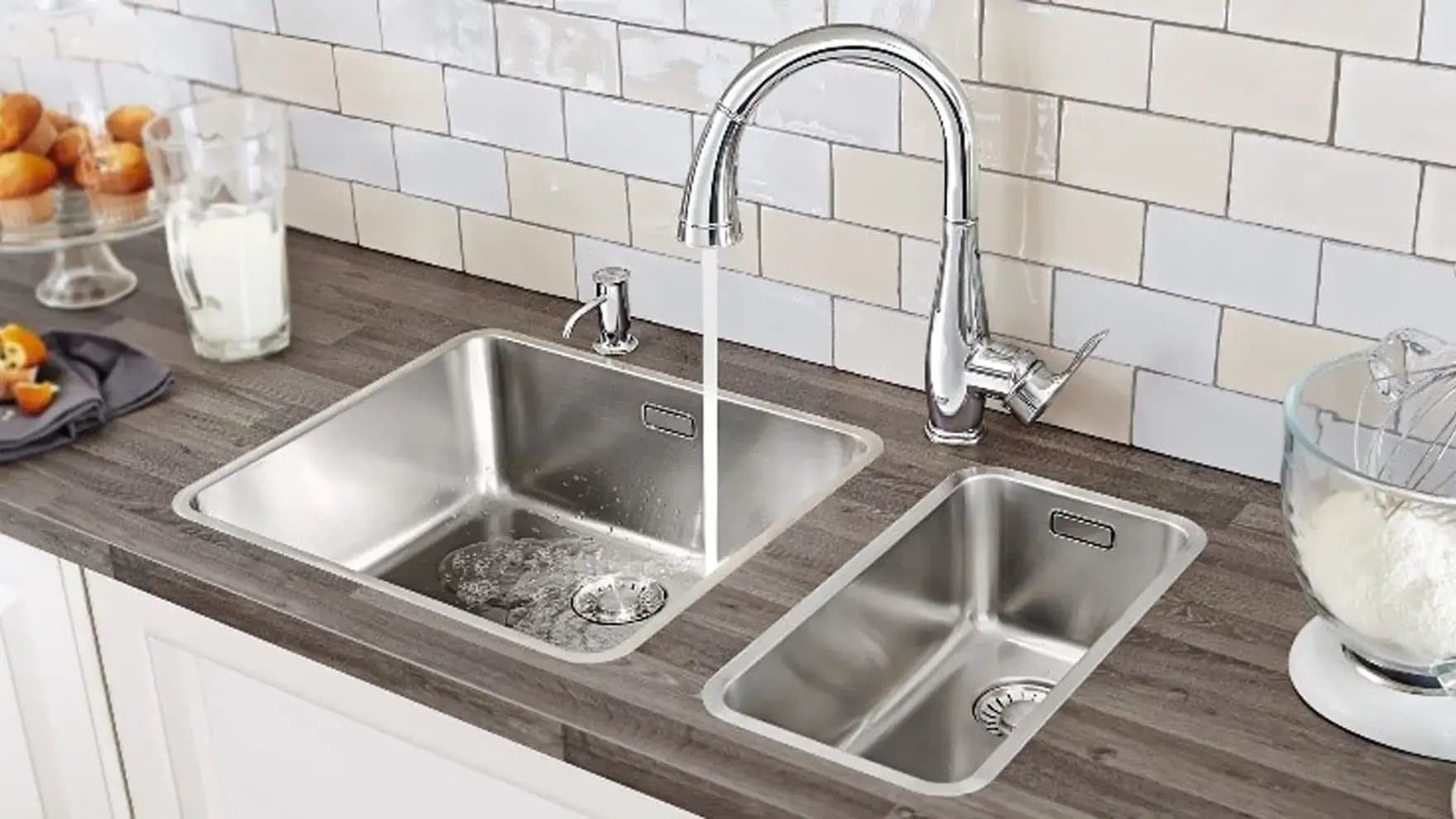
Double basin sinks provide flexibility with one basin typically larger than the other. Common dimensions for these sinks are 22 inches by 33 inches, allowing simultaneous use for different tasks.
Think about your daily kitchen routine. Would a double basin enhance your efficiency, or do you need the freedom of a single basin?
Farmhouse Sinks
Farmhouse sinks have a distinct look and often feature a large single basin. Their width ranges from 30 inches to 36 inches, offering a spacious area for washing larger items.
These sinks are perfect for those who enjoy a rustic style and need extra space for cooking and cleaning.
Custom Sink Sizes
If you’re designing a unique kitchen layout, custom sink sizes might be your best option. Custom sinks can be tailored to fit specific dimensions and meet your unique needs.
Consider how much countertop space you’re willing to allocate for the sink. Custom designs can help optimize your kitchen space.
What type of sink do you envision in your dream kitchen? Understanding these dimensions can guide you in creating a kitchen that’s both functional and stylish.
Credit: ruheindia.com
Single Bowl Vs. Double Bowl Sinks
Standard kitchen sinks typically measure 22 by 30 inches. Single bowl sinks offer simplicity and space-saving benefits. Double bowl sinks provide versatility, allowing for multitasking.
Understanding the differences between single bowl and double bowl sinks is important. Choosing the right one affects your kitchen’s functionality and style. Each type offers unique advantages and potential drawbacks. Let’s explore both options.Single Bowl Sinks
Single bowl sinks offer a large, uninterrupted space. They’re ideal for washing large pots and pans. Fewer seams and edges make them easier to clean. They fit well in smaller kitchens, maximizing countertop space. Consider a single bowl for simplicity and spaciousness.Double Bowl Sinks
Double bowl sinks provide two separate sections. They allow for multitasking, like rinsing and washing. You can soak dishes on one side and prep food on the other. This flexibility suits busy kitchens. But they require more space, which may not suit compact layouts. Each bowl’s size can vary, offering different configurations. Choosing between single and double bowl sinks depends on your needs. Consider your kitchen’s space and how you use your sink. Each type has its own benefits, impacting daily chores and kitchen design.Undermount And Drop-in Styles
Standard kitchen sinks typically measure 22 by 30 inches. Undermount styles offer a seamless look, while drop-in styles are easy to install. Each style has its unique charm, fitting different kitchen designs.
The kitchen sink is a focal point in the heart of your home, where practicality meets style. Whether you’re remodeling or setting up a new kitchen, choosing the right sink style can significantly impact your space’s functionality and aesthetics. Two popular styles you might consider are undermount and drop-in sinks. Each has its unique features, advantages, and considerations.Undermount Kitchen Sinks
Undermount sinks are installed beneath the countertop, creating a seamless look that’s both modern and elegant. This style allows for easy countertop cleaning as there are no edges or rims to catch debris. Imagine sweeping crumbs directly into the sink without any hassle. They offer more counter space and are perfect for a sleek, minimalist kitchen design. However, undermount sinks require a sturdy countertop material, like granite or quartz, to support the weight of the sink. Are you ready to embrace this seamless blend in your kitchen?Drop-in Kitchen Sinks
Drop-in sinks, also known as top-mount sinks, are the traditional choice and are literally dropped into a hole in the countertop. The rim of the sink rests on the counter, making installation straightforward and less expensive than undermount options. This style is versatile and can be fitted into any countertop material, including laminate. Drop-in sinks are also easier to replace, making them an ideal choice if you love to update your kitchen frequently. Do you prefer the classic appeal and convenience of a drop-in sink? Whether you lean towards the modern elegance of undermount sinks or the practicality of drop-in sinks, understanding your kitchen’s needs and your personal preferences will guide you to the perfect choice.Considerations For Small Kitchens
Standard kitchen sink sizes vary but often measure around 22 to 33 inches in length. Compact sinks are ideal for small kitchens, ensuring efficient use of space without sacrificing functionality. Proper planning can help accommodate essential elements while maximizing work areas.
For small kitchens, choosing the right sink size is crucial. Space is limited, so every inch matters. A sink that’s too large can overwhelm the area. A small sink might limit functionality. Balance is key.Assessing Available Space
Measure your kitchen counter space accurately. Note any obstructions. Consider cabinets and appliances nearby. Use this data to choose a sink that fits well.Choosing The Right Shape
Different shapes offer varied benefits. Rectangular sinks are traditional and practical. Round or oval sinks save space. Consider your kitchen layout when deciding. Single bowl sinks maximize space for washing larger items. They are ideal for small kitchens. Double bowl sinks offer separation for multitasking. Evaluate your needs before choosing.Material Considerations
Stainless steel sinks are durable and versatile. They fit well in small kitchens. Composite granite offers a modern look but needs more care. Choose a material that suits your lifestyle.Integrated Features
Some sinks come with integrated accessories. Cutting boards, colanders, and drying racks can increase functionality. These features save space by fitting into the sink. Consider these options to enhance your kitchen efficiency.Custom And Oversized Options
Standard kitchen sinks come in various sizes to fit most kitchens. But some kitchens need special sizes. Custom and oversized options can meet these needs. These sinks add unique style and functionality. They provide more space for cooking tasks. Let’s explore the benefits and choices of these options.
Custom Sink Options
Custom sinks are made to fit specific kitchen layouts. They offer flexibility in design and materials. Homeowners can choose from stainless steel, granite, or porcelain. Custom sinks can match the kitchen’s theme. They often include unique features, like integrated cutting boards or drainboards. This makes them a great choice for those seeking something unique.
Benefits Of Oversized Sinks
Oversized sinks provide ample space for washing large pots and pans. They are perfect for families who cook often. These sinks can have multiple basins. Each basin can serve a different purpose, like washing and rinsing. An oversized sink can make meal prep and cleanup easier.
Considerations For Installation
Installing custom or oversized sinks requires careful planning. Ensure your countertop can support the sink’s size and weight. Plumbing may need adjustments to fit the new sink. It is wise to consult a professional for installation. This ensures the sink fits perfectly and functions well.
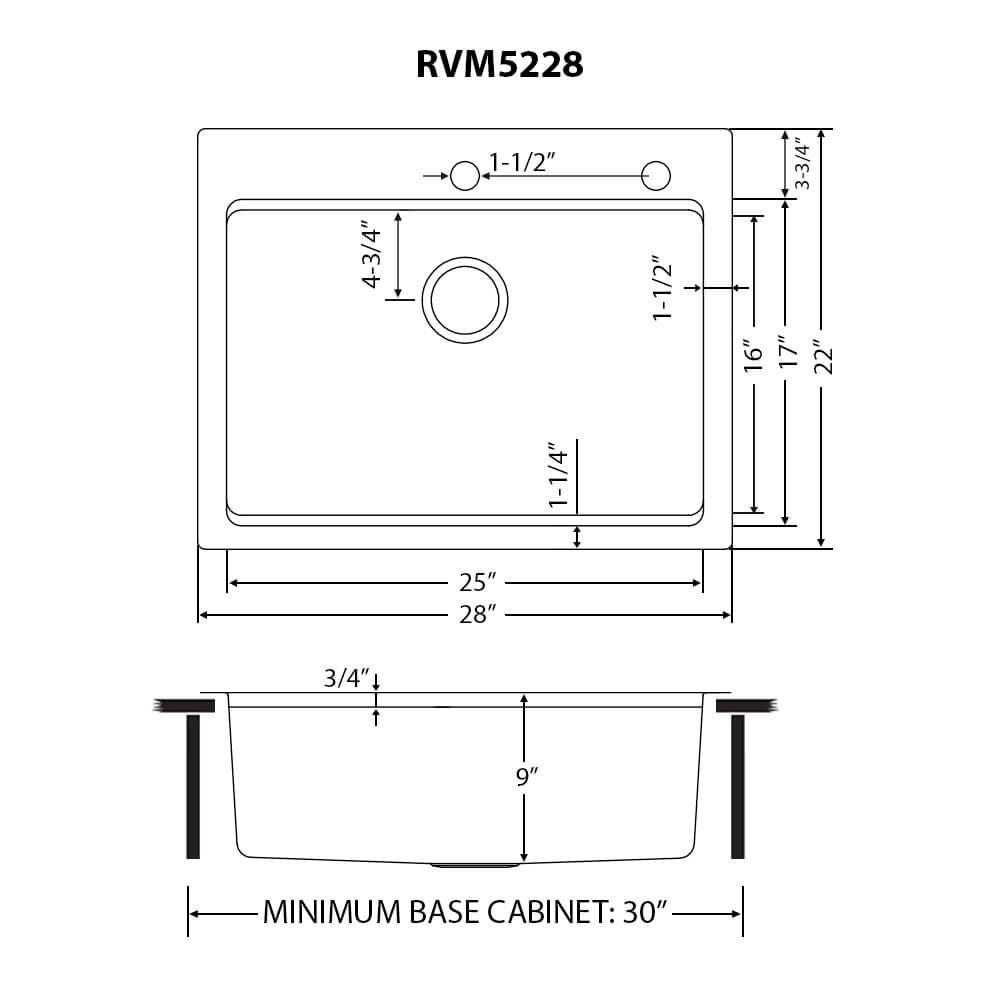
Credit: www.ruvati.com
Factors Influencing Sink Size Choice
Choosing the right sink size depends on kitchen space and usage. Standard kitchen sinks typically measure between 22 and 33 inches. Personal cooking habits and cleaning needs also influence the decision.
Choosing the right kitchen sink size is more than just a matter of aesthetics. It’s about ensuring functionality and efficiency in your kitchen space. Several factors influence this decision, and understanding them can help you make an informed choice that suits your lifestyle and needs.Countertop Space
One of the most crucial factors is the available countertop space. A spacious counter can accommodate a larger sink, providing more room for washing dishes and preparing food. If your counter is limited, you may need to opt for a compact sink to ensure you have enough working area for other kitchen tasks. Imagine prepping for a dinner party and realizing you have nowhere to cut your vegetables because your sink is taking up all the space—frustrating, right?Kitchen Workflow
Your kitchen workflow can significantly impact the size of your sink. Think about how you move around your kitchen during meal prep. Do you often find yourself juggling multiple tasks? A larger sink might help streamline your process by offering more space to manage multiple pots and pans simultaneously. On the other hand, if you prefer minimalistic cooking methods, a smaller, more streamlined sink might suit you better.Family Size And Usage
The size of your family and how frequently you use the kitchen can dictate the sink size. A family of four might benefit from a larger sink to accommodate the increased volume of dishes. If you live alone or with a partner, a smaller sink might suffice, leaving more room for other kitchen amenities. Consider how often you entertain guests. Are large gatherings a norm at your home? A bigger sink can be a lifesaver during those times. Ultimately, choosing the right sink size is about balancing your needs and preferences with the physical constraints of your kitchen. What’s your kitchen’s biggest limitation? Identifying it can guide you toward the perfect sink size for your home.Measuring For A New Sink
Standard kitchen sinks typically measure 22 by 30 inches. This size fits most kitchen countertops. Accurate measurement ensures the sink fits well, providing ample space for dishwashing and food preparation.
Measuring for a new sink might seem daunting at first, but it’s a straightforward task that can make a world of difference in your kitchen’s functionality and aesthetics. Before you dive into the shopping process, understanding the dimensions and layout of your space is crucial. This will not only help you pick the perfect size but also ensure a seamless fit with your existing cabinetry and countertops.Understanding Standard Sink Dimensions
Standard kitchen sinks typically range from 22 to 33 inches in width, but they can vary depending on your kitchen layout and your personal needs. Measure your current sink to get a baseline. If you’re planning to upgrade to a larger sink, consider both the width and depth to ensure it complements your kitchen’s overall design.Steps To Measure Your Existing Sink
Begin by measuring the width from one edge to the other, across the widest part of the sink. Then, measure the length from front to back, ensuring you include the edges if they overlap onto the countertop. Don’t forget to note the depth from the top edge to the bottom of the basin, which impacts how much you can fit in the sink.Considering The Cabinet Size
Your sink’s size is often dictated by the cabinet underneath. Open the cabinet doors and measure the width and depth to know how much space you have. This will help you avoid the disappointment of buying a sink that’s too large. It’s a practical step that saves you time and ensures a smooth installation process.Allowing For Faucet And Accessories
Are you planning to install a new faucet or accessories like a soap dispenser? Make sure to measure the space behind the sink to accommodate these features. A crowded countertop can disrupt the sleek look you might be aiming for. Planning for these small details can elevate your kitchen’s functionality and style.Using A Template For Precision
Many manufacturers provide templates that help with precise measurements. Use these templates to visualize how the new sink will fit. It’s a simple yet effective way to ensure accuracy, especially if you’re dealing with irregular spaces or custom designs. Measuring for a new kitchen sink doesn’t have to be a hassle. With these clear steps, you’re well-equipped to choose a sink that fits perfectly and enhances your kitchen’s efficiency. So, grab that measuring tape and start planning your ideal kitchen setup today!Installation And Fitting Tips
Standard kitchen sink sizes typically range from 24 to 36 inches wide. Most sinks are 25 inches deep. Choose a size that fits your space and needs.
Installing a kitchen sink can feel like fitting the last piece of a puzzle, where everything must align perfectly for it to work. It’s not just about choosing the right sink size but also ensuring it fits seamlessly into your kitchen’s design. Here are some essential tips to help you navigate the installation process smoothly.Measure Twice, Cut Once
Accuracy is key when installing a kitchen sink. Measure the cabinet space, countertop, and sink dimensions carefully. Double-check your measurements to avoid costly mistakes.Ensure Proper Support
A standard kitchen sink can be surprisingly heavy, especially when filled with water. Ensure that your countertop and cabinetry provide adequate support. Reinforcing the area with additional bracing can prevent future sagging.Choose The Right Mounting Style
Do you prefer an undermount or drop-in sink? Each has its own installation method and aesthetic appeal. Consider the ease of cleaning and the overall look you want for your kitchen.Secure The Plumbing Connections
Proper plumbing connections are crucial for a leak-free sink. Ensure all connections are tight and use plumber’s tape where necessary. A small oversight here can lead to water damage and costly repairs.Test For Leaks
Once installed, run water to test for leaks. Check all joints and seals thoroughly. A few extra minutes spent here can save you from future headaches.Consider Adding Accessories
Think about incorporating accessories like a garbage disposal or a water filter. These additions can enhance your sink’s functionality and elevate your kitchen experience.Maintain A Clean Workspace
A clutter-free workspace not only makes installation easier but also reduces the risk of errors. Keep your tools organized and clean up any debris promptly. Installing a kitchen sink might seem daunting, but with careful planning, it can be a rewarding DIY project. What challenges have you faced with sink installations? Share your thoughts and tips in the comments below!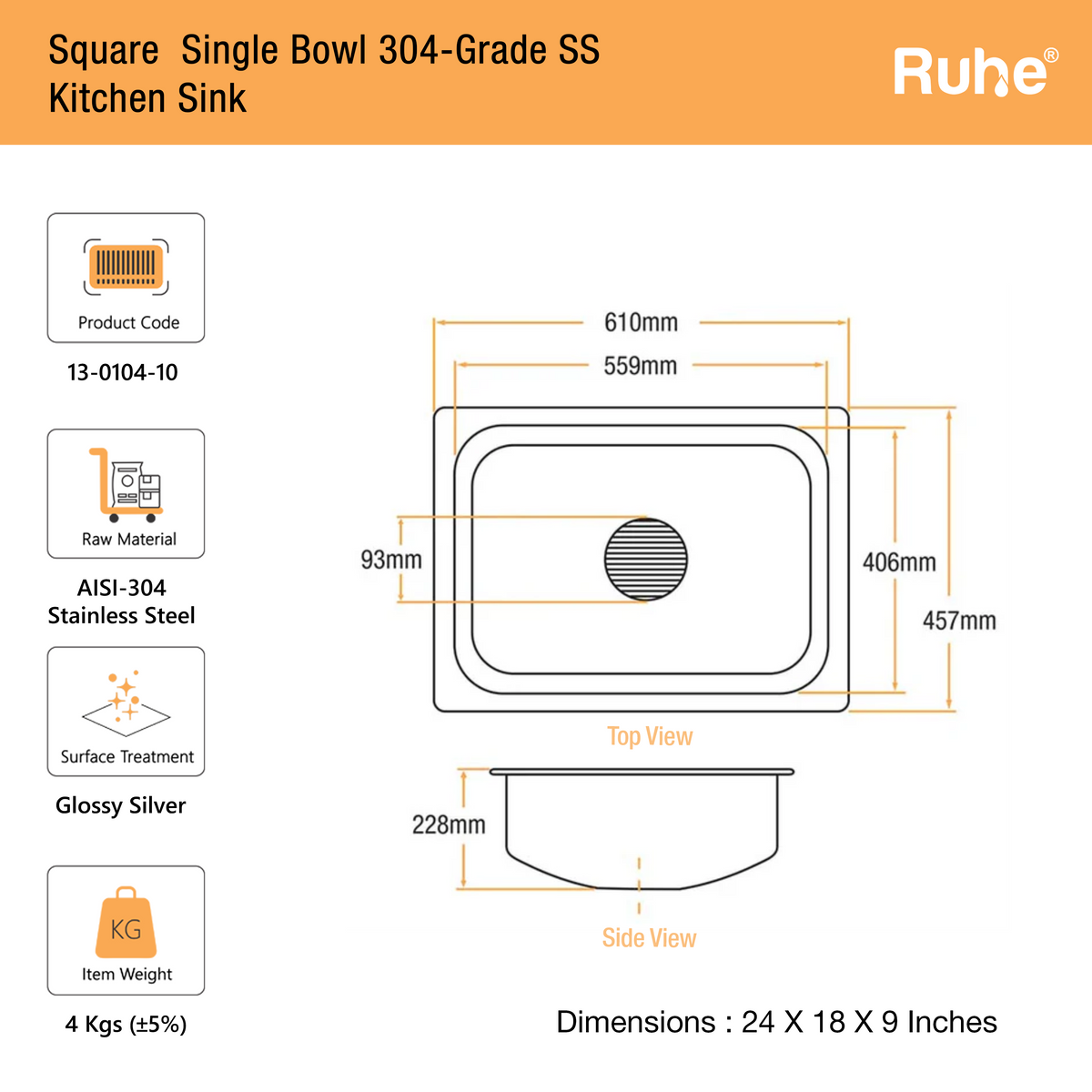
Credit: ruheindia.com
Frequently Asked Questions
What Is The Most Common Kitchen Sink Size?
The most common kitchen sink size is 30 to 33 inches wide. It typically features a single or double bowl. This size fits most standard cabinets and offers ample space for washing dishes. Consider your kitchen layout and needs when selecting a sink size.
What Is The Difference Between 70 30 And 60 40 Sink?
A 70/30 sink has one larger bowl and a smaller one, offering more space. A 60/40 sink has two bowls of more similar size, providing balanced space for washing and rinsing tasks. Both types cater to different kitchen needs and preferences.
Is A 30 Inch Sink Big Enough?
A 30-inch sink is typically big enough for most kitchens. It provides ample space for washing dishes and food preparation. This size fits well in standard kitchen countertops and balances functionality with space-saving. Ideal for moderate to large households, it suits various kitchen styles.
What Is The Typical Size For Kitchen Sinks?
Standard kitchen sinks typically measure 22 by 30 inches. This size fits most countertops and cabinets. However, variations exist for larger or smaller kitchens. It’s essential to measure your space before purchasing. Consider depth and bowl configuration for optimal functionality.
Conclusion
Choosing the right sink size is important for your kitchen. It affects space, style, and function. Standard sizes fit most kitchens, making installation easier. Measure carefully before buying. Consider your cooking habits and needs. Double sinks offer more flexibility. Single sinks save space.
Think about your countertop space too. A well-chosen sink enhances your kitchen’s look and feel. Style and utility matter. Ensure the sink complements your kitchen design. Happy cooking begins with smart choices. Enjoy your time in the kitchen with the right sink.

Similar Posts