Where to Put the Refrigerator in a Small Kitchen: Smart Solutions
Are you struggling to find the perfect spot for your refrigerator in your small kitchen? You’re not alone.
Many people face this challenge, and it can feel like a game of Tetris trying to fit everything in just right. But don’t worry, there’s a solution. By understanding a few key principles and clever design tips, you can optimize your kitchen space without sacrificing style or convenience.
Imagine opening your fridge without bumping into counters or sacrificing precious workspace. Ready to discover how to transform your cramped kitchen into a functional and efficient space? Keep reading to unlock the secrets of smart kitchen organization that can make a big difference in your daily life.

Credit: food52.com
Evaluating Kitchen Layouts
Determining where to place the refrigerator in a small kitchen is crucial. The layout can influence both functionality and aesthetic appeal. Each kitchen design presents unique opportunities and challenges. Let’s explore how different layouts affect refrigerator placement.
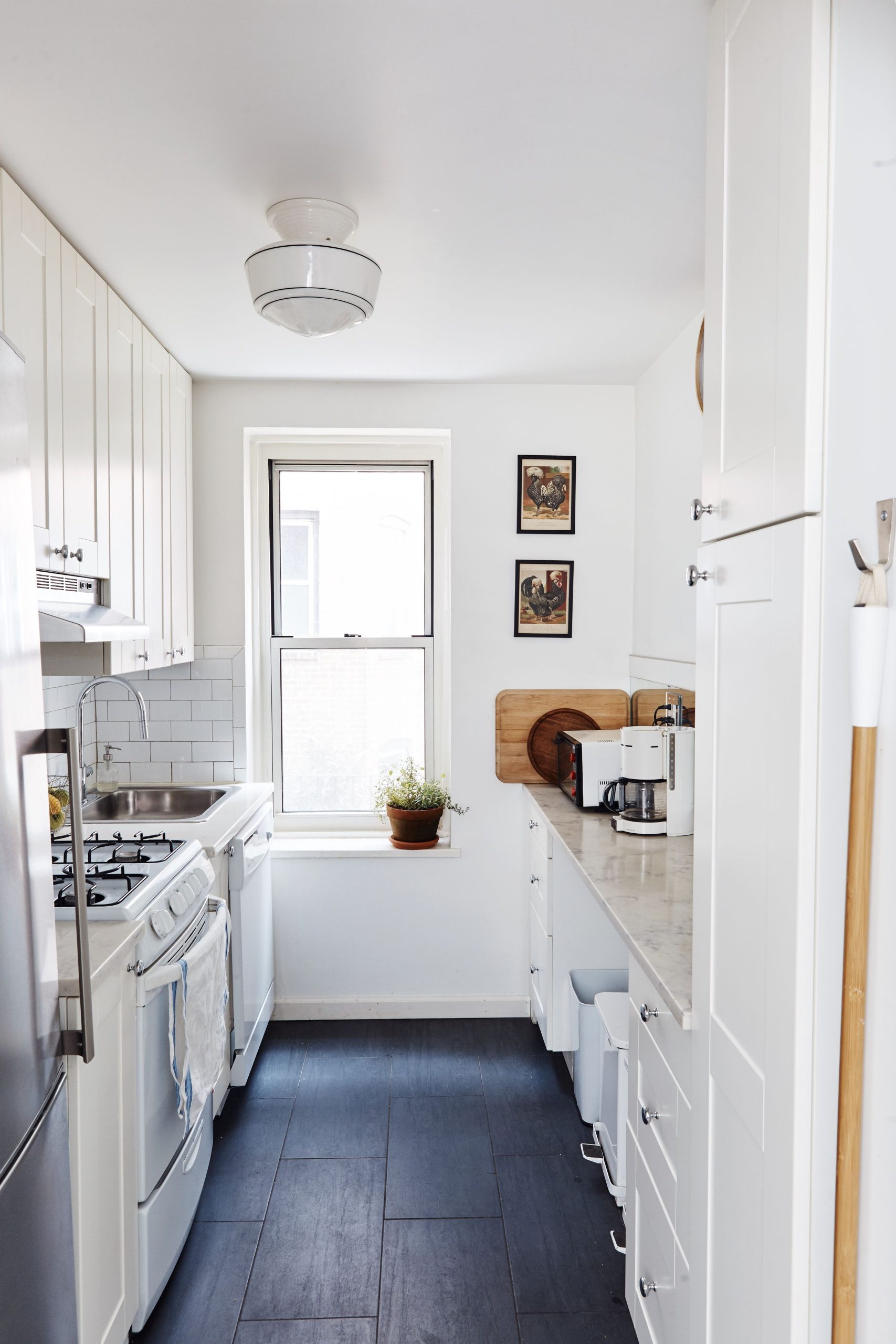
Galley Kitchen
Galley kitchens are narrow with two parallel walls. Ideal for efficient workflow. Place the refrigerator at one end to avoid blocking pathways. This setup maintains smooth movement between cooking zones.
L-shaped Kitchen
L-shaped kitchens use two adjoining walls. They create a natural flow. The fridge fits well at the end of one leg. This arrangement maximizes counter space and keeps cooking areas accessible.
U-shaped Kitchen
U-shaped kitchens offer three walls for appliances and cabinets. The fridge can sit at the base of the “U”. This placement allows easy access without disrupting the cooking process.
Open Plan Kitchen
Open plan kitchens blend with living areas. Consider placing the fridge near a wall shared with other rooms. This maintains a cohesive look and keeps the kitchen space open and inviting.
Credit: www.extraspace.com
Space-saving Refrigerator Options
Finding the right refrigerator for a small kitchen can be challenging. Space-saving models offer practical solutions without compromising style or functionality. These options can fit seamlessly, maximizing every inch of your kitchen. Let’s explore some efficient refrigerator choices.
Compact Refrigerators
Compact refrigerators are ideal for tight spaces. They are smaller but offer ample storage. These models come with adjustable shelves and door bins. Compact fridges fit neatly into corners or under counters. They provide enough space for essentials without overcrowding.
Under-counter Models
Under-counter models blend seamlessly with kitchen cabinets. They save counter space and enhance kitchen aesthetics. These refrigerators are perfect for small kitchens where floor space is limited. They provide easy access to stored items and maintain a clutter-free look.
Built-in Refrigerators
Built-in refrigerators integrate into cabinetry for a sleek appearance. They create a unified look in compact kitchens. These models save space by aligning with existing cabinets. Built-in options come in various sizes to fit specific kitchen designs. They offer a modern solution while maintaining functionality.
Strategic Placement Ideas
Finding the perfect spot for your refrigerator in a small kitchen can feel like solving a puzzle. Strategic placement is key to maximizing space and functionality. By thoughtfully choosing where to position this essential appliance, you can enhance your kitchen’s efficiency and flow. Here are some strategic placement ideas to consider:
Corner Spaces
Utilizing corner spaces is a clever way to make use of otherwise overlooked areas. Placing your refrigerator in a corner can free up central space for cooking or dining. This setup works especially well in L-shaped kitchens where corners can become prime real estate. Consider how the door swing might affect movement around the kitchen, ensuring it doesn’t block pathways or cabinets.
End Of The Counter
Positioning the refrigerator at the end of a counter is a practical choice that integrates it seamlessly into the kitchen layout. This placement allows for easy access to food items while cooking. It also creates a natural boundary, giving your kitchen a tidy and organized appearance. Make sure there’s enough room to open the refrigerator door fully without bumping into adjacent counters.
Next To The Pantry
Placing your refrigerator next to the pantry can optimize your food prep area. This strategic location minimizes the steps needed to gather ingredients, enhancing your cooking efficiency. It creates a convenient hub for food storage, with dry goods and perishables side by side. Reflect on your cooking habits and storage needs to decide if this setup suits your lifestyle. Would having everything within arm’s reach streamline your meal prep?
Incorporating Functionality
Placing the refrigerator near the entrance optimizes space in a small kitchen. This arrangement facilitates easy access and efficient workflow.
Incorporating functionality into a small kitchen is essential for smooth operations. A well-placed refrigerator can enhance both convenience and safety. Let’s explore some key considerations.Easy Access
Positioning the refrigerator near the kitchen entrance can be beneficial. This allows quick access to ingredients. Frequent trips to the fridge become less tiresome. Choose a spot that doesn’t block pathways. Avoid placing it too far from the cooking area. This ensures minimal movement while preparing meals.Workflow Optimization
Think about the kitchen’s workflow. The refrigerator should align with your cooking habits. Placing it near the counter can be helpful. This allows easy transfer of items while cooking. Consider the triangle layout: fridge, stove, and sink. This design optimizes movement and efficiency.Safety Considerations
Safety is crucial in small kitchens. Avoid placing the refrigerator near heat sources. This includes stoves and ovens. Heat can affect the fridge’s efficiency. Ensure the fridge is not blocking emergency exits. Choose a location that allows doors to open fully. This prevents injury and ensures safe usage.Design And Aesthetic Considerations
In a small kitchen, the refrigerator’s placement impacts both functionality and design. It’s essential to consider how the fridge integrates with your kitchen’s overall look. Balancing utility with aesthetics ensures a harmonious space.
Blending With Cabinets
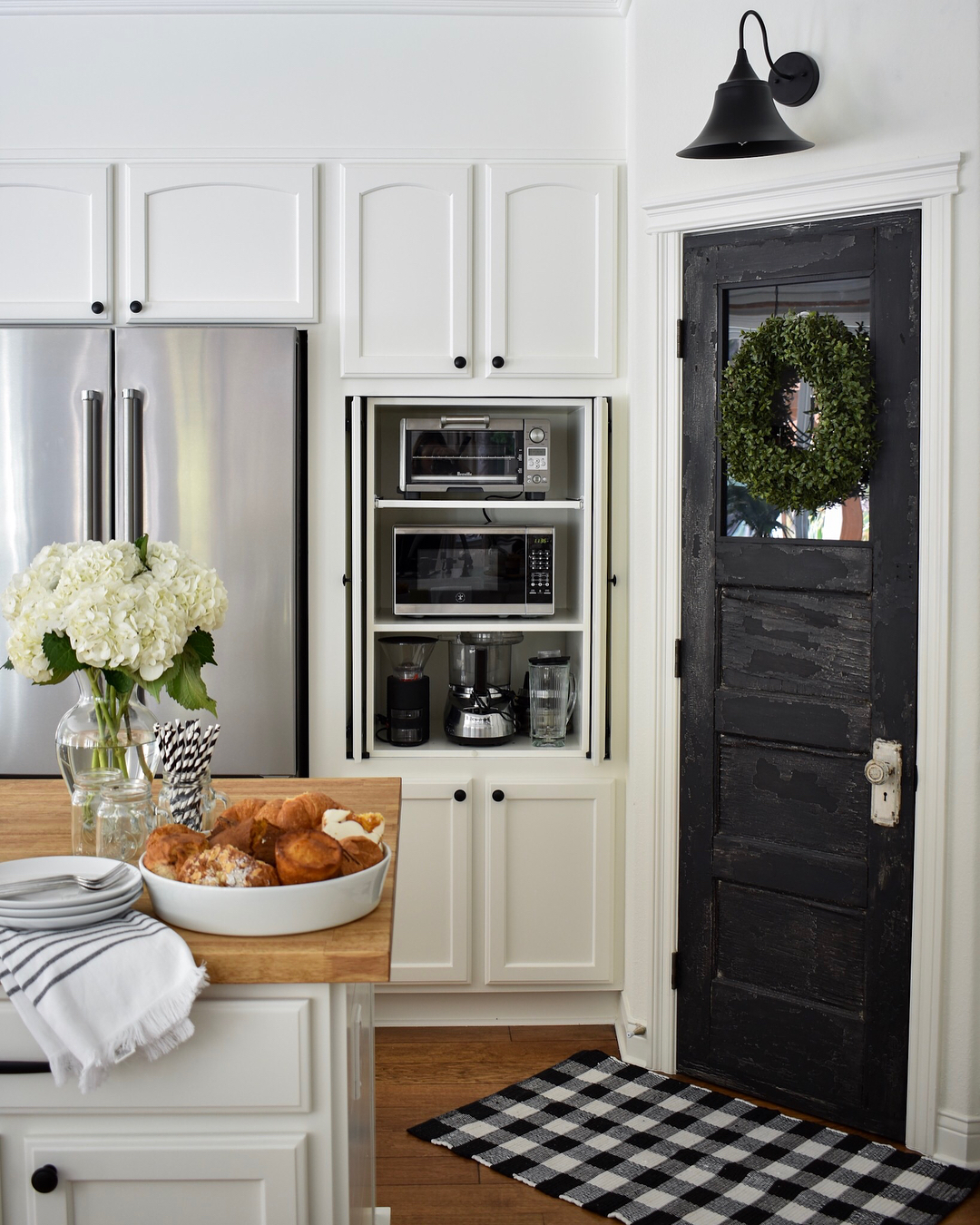
Position the fridge between cabinets for a seamless look. This setup creates a unified kitchen design. Built-in models fit perfectly, aligning with cabinet lines. Choose a fridge depth matching cabinet depth. This avoids protrusion, keeping a sleek profile. Custom cabinetry can conceal the fridge, enhancing integration.
Color Coordination
Choose a fridge color that complements your kitchen theme. Stainless steel offers a modern touch and suits most palettes. White and black are classic choices. Match the fridge with kitchen accents for harmony. Bold colors add personality and create a focal point. Consider appliance finishes for a cohesive look.
Using Panels And Shelves
Use panels to match the fridge with surrounding decor. Panel-ready fridges blend effortlessly with cabinetry. Add open shelves above the fridge for extra storage. These shelves soften the fridge’s presence and provide display space. Consider using decorative items to enhance visual interest.

Credit: www.reddit.com
Maximizing Storage And Efficiency
Place the refrigerator near the entryway for easy access and to save counter space. Tucking it into a corner can also help maintain a spacious feel in a small kitchen.
Maximizing storage and efficiency in a small kitchen is all about clever placement and smart design choices. When you’re working with limited space, every inch counts, especially when it comes to large appliances like the refrigerator. Thoughtful placement can make cooking and dining more enjoyable, while also providing ample room for storage. Let’s explore some practical ideas to achieve this balance.Vertical Storage Solutions
Think tall instead of wide. By installing tall shelves or cabinets above your refrigerator, you can utilize the often-overlooked vertical space in your kitchen. These shelves are perfect for storing items you don’t use daily but still want within reach. Imagine stacking up your collection of vintage cookie jars or seasonal serving platters. This approach not only makes use of space but adds personality to your kitchen.Utilizing Wall Space
Walls are your best friend in a small kitchen. Consider hanging racks for pots, pans, or utensils on the walls around your refrigerator. This frees up counter and cabinet space, making your kitchen feel more open and organized. Magnetic strips can also hold knives or spice jars, creating a practical display that’s easy to access when cooking. What would you hang there to make your kitchen more efficient?Multi-functional Furniture
Incorporate multi-functional furniture to make the most of your space. A rolling kitchen island with built-in storage can serve as a prep area, dining table, and storage all in one. Imagine pulling it next to the refrigerator for easy access while cooking, then rolling it away when not in use. This flexibility is ideal for small kitchens where space is at a premium. Would you choose a sleek design or a rustic look for your island?Frequently Asked Questions
Where Should A Fridge Be Placed In A Small Kitchen?
Place the fridge near a power outlet, away from direct sunlight and heat sources. Ensure it doesn’t block pathways. Position it for convenient access, preferably close to cooking and preparation areas. This setup optimizes space and efficiency in a small kitchen.
Where Not To Place A Refrigerator?
Avoid placing a refrigerator near heat sources like ovens or radiators. Do not block airflow around it. Keep it away from direct sunlight, tight spaces, and damp areas to ensure efficient functioning. Ensure proper ventilation to maintain optimal performance and energy efficiency.
Should The Refrigerator Be Near The Sink Or Stove?
Place the refrigerator near the sink for efficiency. It ensures easy access during food preparation and cleaning. Avoid placing it directly next to the stove to prevent heat exposure, which affects energy consumption. A balanced kitchen layout enhances functionality and convenience while cooking.
Where Is The Best Place To Keep A Refrigerator In The Kitchen?
Place the refrigerator near the kitchen entrance for easy access. Ensure it is close to cooking areas and countertops. Leave space for ventilation and door clearance. Avoid placing it next to heat sources like ovens. Keep it accessible and convenient for efficient kitchen workflow.
Conclusion
Choosing the right spot for your refrigerator changes your kitchen flow. Consider space, accessibility, and daily routines. A well-placed fridge makes cooking and storing food easier. Keep pathways clear. Ensure easy access for everyone. Prioritize convenience over aesthetics. Small kitchens need smart design.
Don’t overcrowd with extra appliances. Balance between style and function is key. Think about how you use your kitchen. A little planning goes a long way. Optimize space for better efficiency. Enjoy a well-organized, welcoming kitchen. Simple adjustments can make a big difference.
Your kitchen should serve your needs. Make it a pleasant place to be.