How Do You Unclog a Kitchen Sink Drain: Expert Tips
Executive Chef & Lead Commercial Kitchen Specialist at Daily Kitchup Test Lab
You’ve just finished cooking a delicious meal, and now it’s time to tackle the aftermath in your kitchen. But as you start cleaning up, you notice the water in your sink isn’t draining as it should.
Frustrating, right? A clogged kitchen sink drain can disrupt your entire day, leading to stress and inconvenience. But don’t worry—you’re not alone in this struggle. Many people face this common household issue. The good news is that you can fix it yourself without calling in a professional.
We’ll guide you through practical and simple steps to unclog your kitchen sink drain. With the right tips and tricks, you can get your sink running smoothly again in no time. Ready to dive in and reclaim your kitchen? Let’s get started!
Causes Of Clogged Drains
Understanding the causes of clogged drains in your kitchen can save you a lot of time and frustration. A blocked drain is more than just an inconvenience—it’s a problem that can escalate if not addressed promptly. By recognizing what leads to these blockages, you can prevent them before they turn into a costly repair.
Common Blockage Culprits
Many blockages are caused by the everyday items we dispose of down the sink. Grease is a major offender; it may go down as a liquid but solidifies in the pipes, causing obstruction. Food particles, especially fibrous or starchy ones like potato peels and pasta, can accumulate over time.
Sometimes, it’s the small things that create big problems. Coffee grounds may seem harmless, but they can pile up and form a stubborn clog. Even soap residue can contribute to blockages, as it combines with other debris to form a sticky barrier.
Signs Of A Slow Drain
Pay attention to the warning signs of a slow drain. If you notice water pooling around your feet while washing dishes, your sink might be on the brink of a clog. A gurgling sound can also be an indicator that something is amiss.
Does your kitchen sink take longer to drain than usual? This is a clear signal that your pipes are partially blocked. Don’t ignore unpleasant odors wafting from the drain; they often mean food and other debris are trapped and beginning to decompose.
By staying alert to these signs, you can tackle the problem early, potentially saving yourself from a more complicated fix later. Have you experienced these issues before, and if so, how did you resolve them?

Credit: www.aol.com
Prevention Strategies
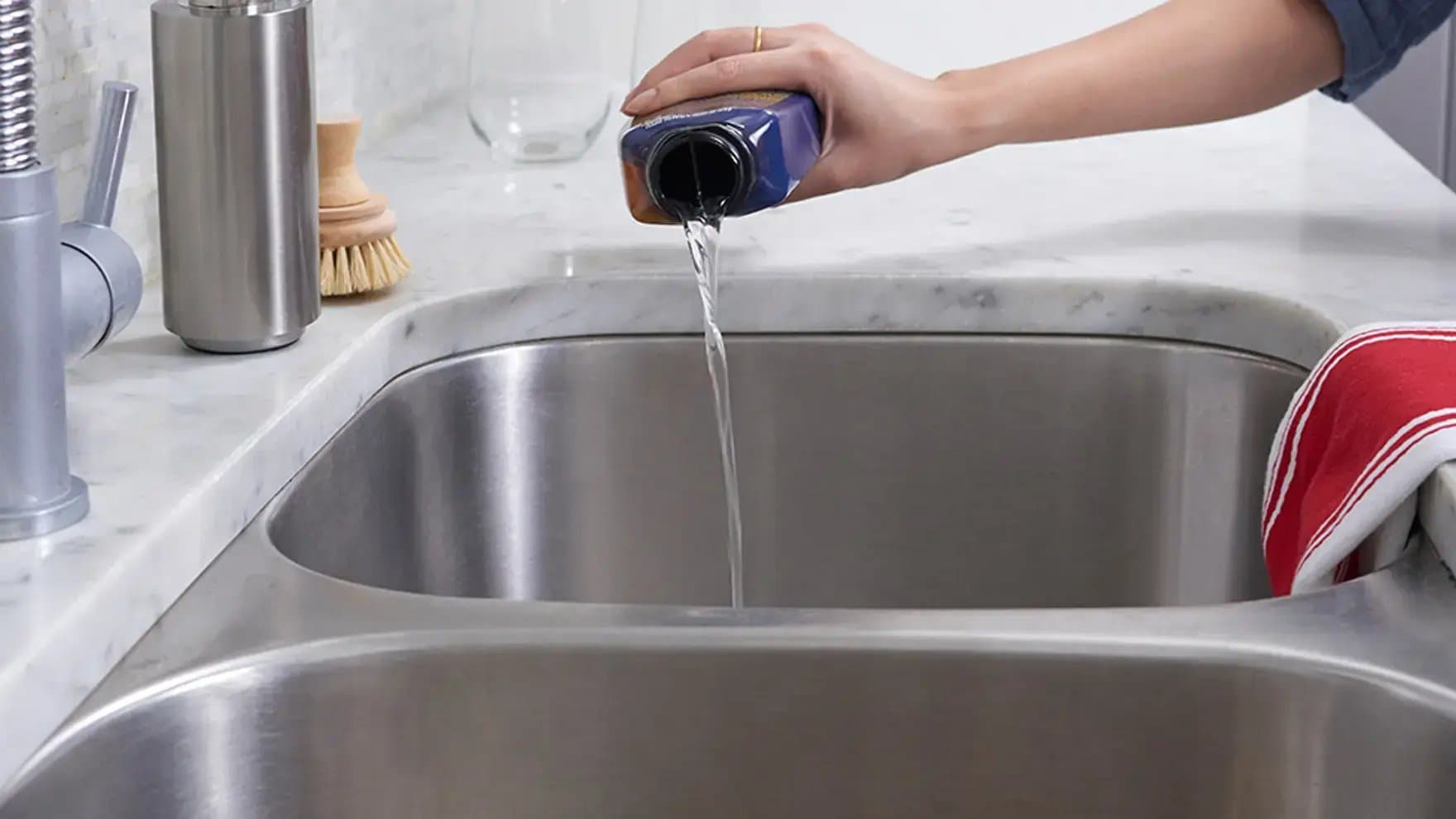
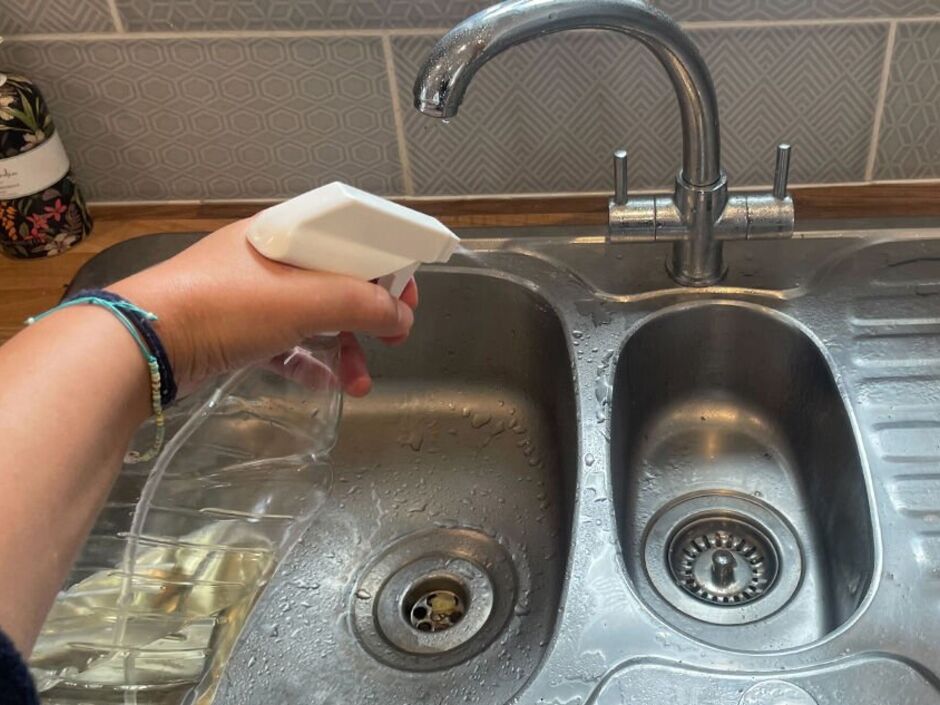
Use baking soda and vinegar. Pour baking soda into the drain, then add vinegar. Wait a few minutes, and rinse with hot water.
Prevention is key to maintaining a clog-free kitchen sink drain. By implementing effective strategies, you can avoid the hassle of dealing with blockages. Regular maintenance and proper waste disposal can help keep your sink in top condition. Let’s explore some practical tips and practices to ensure a smooth running kitchen.Regular Maintenance Tips
Regular upkeep is essential to prevent clogs. Clean your sink weekly with hot water. This helps dissolve greasy residues. Use baking soda and vinegar monthly. Pour baking soda down the drain, followed by vinegar. This natural combo helps break down buildup. Inspect the drain for slow drainage signs. If water drains slowly, tackle it early. Remove and clean the drain stopper. Hair and debris can accumulate here. Use a plumber’s snake occasionally. It can clear small blockages before they worsen.Proper Waste Disposal Practices
Dispose of waste correctly to prevent clogs. Avoid pouring grease down the drain. It hardens and clogs pipes. Use a container for grease disposal. Compost vegetable scraps instead of washing them down the sink. This reduces waste and keeps pipes clear. Dispose of coffee grounds in the trash. They can accumulate and block the drain. Use a strainer to catch food particles. Empty the strainer regularly to prevent buildup. Avoid flushing large food chunks. They can cause blockages in the drain system.Diy Unclogging Techniques
Have you ever faced the frustration of a clogged kitchen sink, wondering how you can fix it without calling in the professionals? You’re not alone. Many homeowners find themselves in this predicament, and luckily, there are several DIY techniques that can help you unclog your kitchen sink drain. These methods are not only easy but also cost-effective, saving you both time and money. Let’s explore some of the most practical ways to tackle this common household issue.
Hot Water And Dish Soap Method
This simple technique often goes overlooked, yet it can be remarkably effective. Start by boiling a kettle full of water. Add a generous squirt of dish soap to the drain. The heat from the water, combined with the grease-cutting power of the soap, can dissolve minor clogs caused by grease or food particles. Pour the hot water slowly down the drain, giving it time to work its magic.
Have you tried this method and found it surprisingly effective? Many people are amazed at how quickly their sinks drain after using this simple trick. If the clog persists, don’t worry; there are more options available to you.
Using A Plunger Effectively
A plunger is not just for toilets; it can be a valuable tool for your kitchen sink as well. Ensure there’s enough water in the sink to cover the plunger’s rubber cup. Place the plunger over the drain and pump it vigorously up and down.
Are you using the right technique? The key is creating a tight seal and using quick, forceful movements. This can help dislodge stubborn debris. If the water starts to drain after a few attempts, you’ve likely cleared the blockage.
Baking Soda And Vinegar Solution
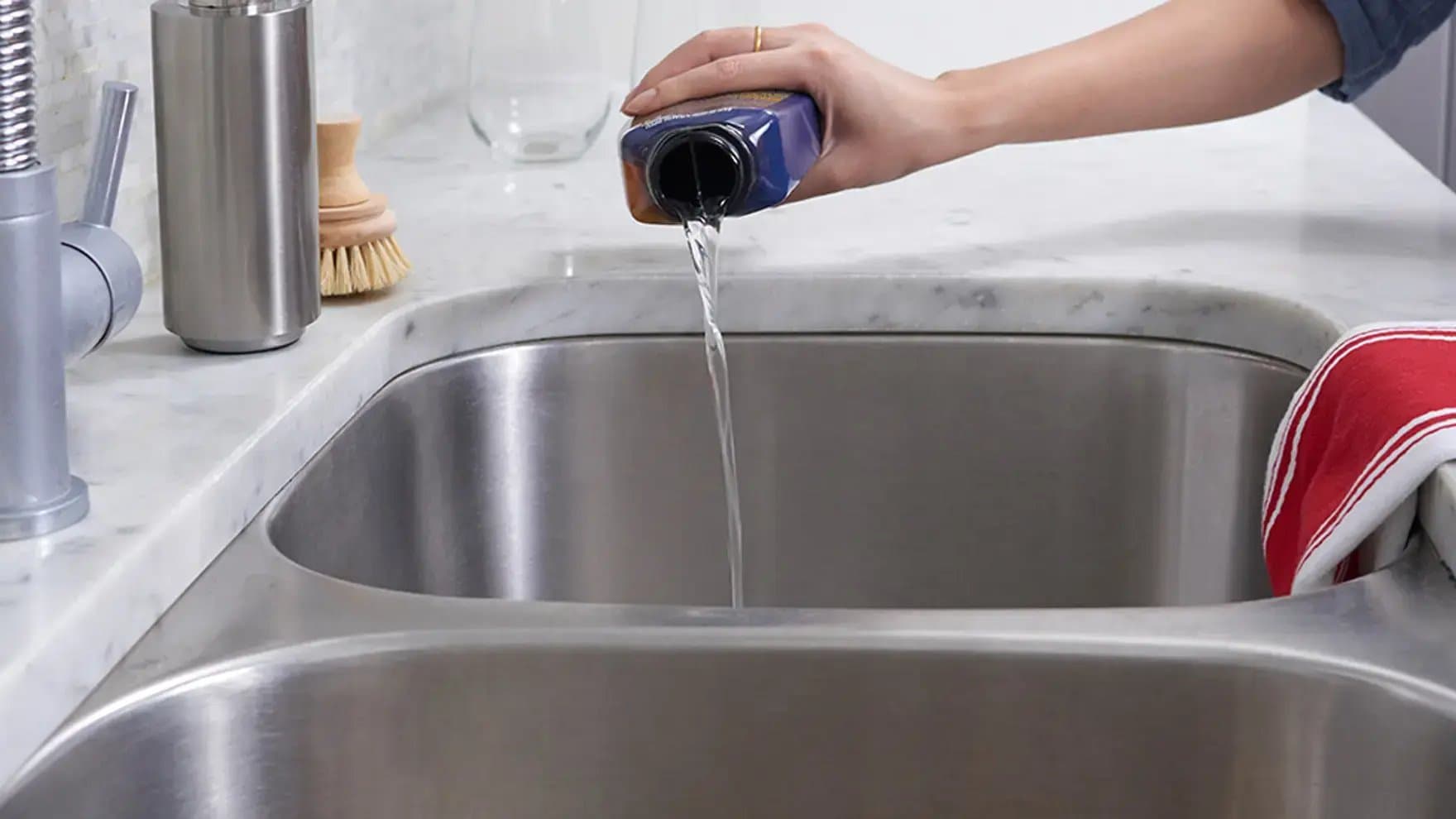
Remember the classic science fair volcano? That reaction is the same principle behind this eco-friendly unclogging solution. First, pour a cup of baking soda down the drain, followed by a cup of vinegar. The fizzing action can break down grime and debris.
Have you considered the environmental impact? This method is not only effective but also gentle on your pipes and the planet. Let the mixture sit for about 15 minutes, then flush with hot water to clear the remaining residue.
Each of these techniques offers a straightforward solution to unclogging your kitchen sink drain. Next time you’re faced with this issue, give them a try before reaching for the phone. You might be surprised at how effective these DIY methods can be.

Credit: www.youtube.com
Tools For Drain Unclogging
Dealing with a clogged kitchen sink can be frustrating. Knowing the right tools to use makes the task easier. Many tools are available for unclogging drains. Each has its unique function. Understanding these tools can save time and prevent damage.
Essential Tools To Have
Several tools are crucial for unclogging kitchen drains. Here’s a list of must-have items:
- Plunger:A plunger creates suction to dislodge clogs. Choose one with a flat bottom for sinks.
- Drain Snake:This tool reaches deep into pipes to pull out blockages.
- Bucket:Use a bucket to catch water or debris when working on the pipes.
- Gloves:Protect your hands from grime and potential sharp objects.
- Pliers:Handy for removing sink stoppers or traps.
How To Use A Drain Snake
Using a drain snake is effective for stubborn clogs. Follow these steps:
- Insert the Snake:Carefully push the snake into the drain opening.
- Rotate the Handle:Turn the handle to work the snake through the pipe.
- Locate the Blockage:You’ll feel resistance when you hit the clog.
- Break Up the Clog:Push and twist to break up the obstruction.
- Remove the Snake:Gently pull out the snake, bringing the debris with it.
These tools help keep your kitchen sink running smoothly. Always use them with care. Proper maintenance can prevent future clogs.
When To Call A Professional
Stubborn clogs require professional help. Persistent blockage might indicate deeper plumbing issues. Call a professional if DIY methods fail.
Unclogging a kitchen sink drain can be a messy and frustrating task. While many clogs can be tackled with DIY methods, there are times when calling a professional is the best course of action. Knowing when to hand over the reins can save you time, money, and a lot of headaches. But how do you know it’s time to call in the experts?Signs You Need Expert Help
If water is backing up in multiple drains, it’s a clear sign of a deeper issue. This could indicate a blockage in your main sewer line, which requires professional attention. Persistent clogs that return despite repeated attempts to clear them can be a red flag. This might suggest a problem that requires specialized tools or expertise to resolve. Unusual sounds or odors emanating from the drain are another indicator. This could be due to a serious blockage or even a broken pipe that needs immediate attention.Choosing The Right Plumber
Start by researching local plumbers with good reviews and ratings. Recommendations from friends or family can also be invaluable in finding a trustworthy professional. Check their credentials and ensure they are licensed and insured. This protects you and guarantees that they have the necessary skills. Don’t hesitate to ask for a quote before they start any work. Knowing the cost upfront can help you avoid any unpleasant surprises and allows you to compare prices among different professionals. Deciding to call a professional isn’t just about resolving the immediate problem. It’s about ensuring the long-term health of your plumbing system. By knowing the signs and choosing the right plumber, you can tackle clogs effectively without the stress.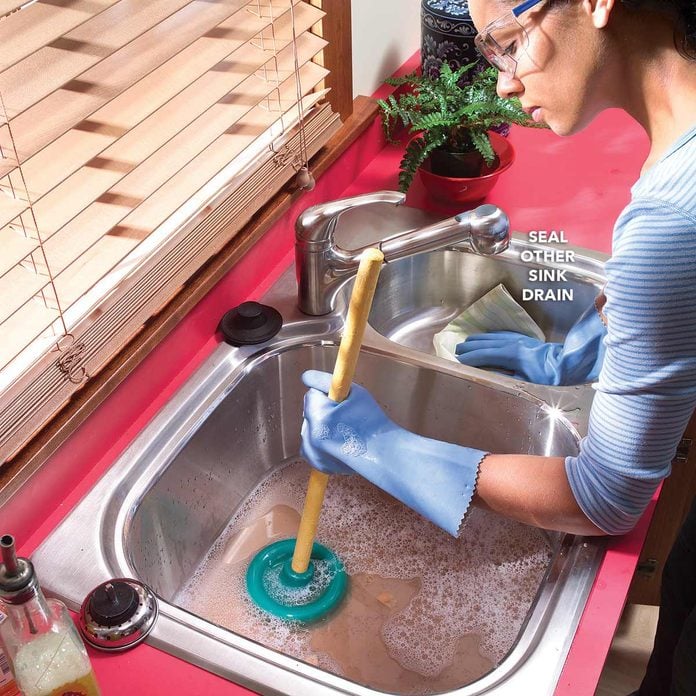
Credit: www.familyhandyman.com
Frequently Asked Questions
How To Unclog A Kitchen Sink That Won’t Unclog?
Use a plunger or pour boiling water down the drain. Try baking soda and vinegar. If unsuccessful, use a drain snake to remove blockages. Avoid using chemical drain cleaners frequently. If the problem persists, consult a professional plumber for assistance.
Regular maintenance can prevent future clogs.
How To Unclog A Stubborn Kitchen Sink Drain?
Use a plunger to loosen the clog. Pour boiling water down the drain. Mix baking soda and vinegar, then flush. Use a drain snake if needed. Avoid chemical drain cleaners for safety.
What Is The Best Way To Unclog My Kitchen Sink?
Use a plunger to dislodge debris from the sink. Pour baking soda and vinegar, wait, then flush with hot water. If ineffective, use a drain snake to remove tough clogs. Regularly clean your sink to prevent future blockages.
What Should I Pour Down My Sink To Unclog It?
Pour a mixture of baking soda and vinegar down your sink. Wait 15 minutes, then flush with hot water. This natural solution helps break down clogs effectively. Avoid using harsh chemicals as they can damage pipes. Regular maintenance can prevent future clogs and keep drains clear.
Conclusion
Unclogging a kitchen sink drain can be straightforward. Use basic tools like a plunger. Baking soda and vinegar work well for minor clogs. Hot water helps dissolve grease. For stubborn clogs, try a drain snake. Regular cleaning prevents future blockages.
Keep the drain clear from food scraps. Avoid pouring grease down the sink. Call a plumber if clogs persist. A clean drain means a happy kitchen. Simple steps make a big difference. Maintain your sink for hassle-free use. Follow these tips for a smooth-running kitchen.

Similar Posts