What Size is a Kitchen Sink Drain: Essential Guide
Executive Chef & Lead Commercial Kitchen Specialist at Daily Kitchup Test Lab
Are you planning a kitchen renovation or simply need to replace your old sink drain? Understanding the size of a kitchen sink drain is crucial for seamless plumbing and avoiding costly mistakes.
You might be surprised to learn that not all sink drains are created equal. In this guide, we’ll unravel the mysteries behind kitchen sink drain sizes and help you make the right choice for your home. Imagine the peace of mind you’ll feel knowing you’ve got the perfect fit, ensuring smooth water flow and preventing any pesky clogs.
Ready to dive in and transform your kitchen experience? Let’s get started!
Credit: lordear.com
Standard Kitchen Sink Drain Sizes
Choosing the right size for your kitchen sink drain might seem trivial, but it can make a significant difference in your kitchen’s functionality and efficiency. The standard kitchen sink drain size is an essential aspect, as it ensures optimal water flow and prevents frequent clogs. Whether you’re remodeling your kitchen or simply replacing an old sink, knowing the standard sizes can save you from future headaches.
The Common Diameter
Most kitchen sinks use a drain with a diameter of 3.5 inches. This size is widely accepted because it fits most kitchen plumbing setups. It offers a balance between efficient water drainage and compatibility with standard plumbing fittings.
Why 3.5 Inches?
You might wonder why 3.5 inches is the standard. This size accommodates most waste disposal units, ensuring seamless integration with modern kitchens. It also provides enough space for water to flow quickly, reducing the risk of overflow during heavy use.
The Role Of Piping
The size of the drain is directly related to the piping underneath your sink. A 3.5-inch drain typically connects to a 1.5-inch or 2-inch pipe. This ensures that water and waste are efficiently carried away, minimizing the risk of blockages.
Considering Space For Accessories
Do you use a lot of sink accessories like strainers or plugs? The 3.5-inch drain size allows for a range of accessories to fit comfortably. This ensures that your kitchen remains versatile and functional for various tasks.
Making Your Choice
When selecting a kitchen sink drain, it’s not just about size. Consider how often you cook, the type of waste you dispose of, and your kitchen’s overall layout. The right drain size can enhance your kitchen’s efficiency and your daily cooking experience.
Have you ever faced a drain size dilemma? Choosing the right size can prevent future plumbing issues, saving you time and money in the long run. Make your kitchen a place of ease and efficiency by understanding these standard sizes.

Credit: ruheindia.com
Factors Affecting Drain Size
Choosing the right kitchen sink drain size isn’t just a matter of fitting the pieces together. It’s about understanding the factors that affect this important decision. From sink design to plumbing codes, several elements play a crucial role in determining the size of your drain. Let’s explore these aspects to help you make an informed choice.
Sink Design And Style
The design and style of your sink significantly influence the size of the drain. A sleek, modern sink may require a different drain size compared to a traditional, farmhouse style. Consider the sink’s depth and width, as they dictate the drainage needs. Have you ever tried fitting a round peg into a square hole? That’s what mismatched sink and drain sizes can feel like. Ensure your sink design seamlessly aligns with the right drain size for optimal functionality.
Plumbing Codes And Regulations
Plumbing codes are not just bureaucratic hurdles; they’re essential guidelines to ensure safe and efficient drainage systems. Did you know that local codes can dictate the minimum size for drains in kitchen sinks? These regulations are designed to prevent clogs and ensure proper water flow. Check your area’s plumbing codes to avoid costly mistakes. Adhering to these standards is not only about compliance but also about peace of mind, knowing your kitchen sink will function efficiently.
Measuring Your Sink Drain
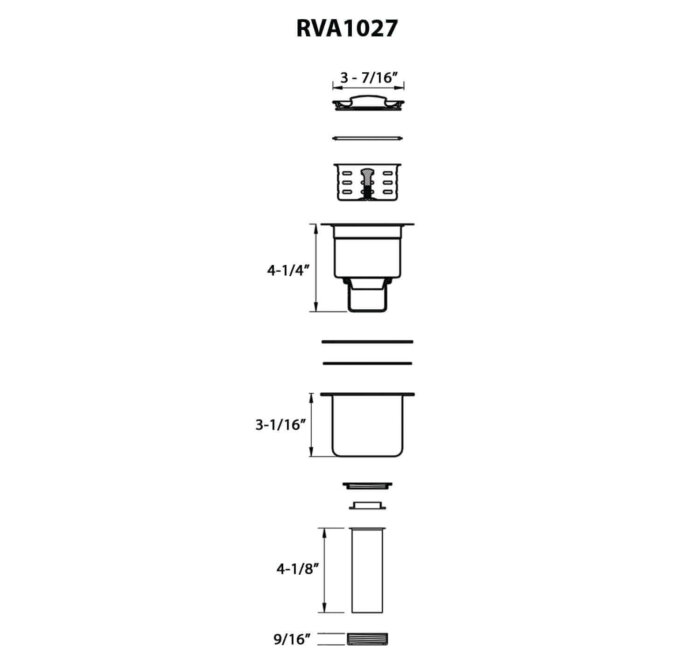
Measuring your sink drain is a straightforward task that can save you a lot of hassle when purchasing a new drain or troubleshooting plumbing issues. Knowing the precise size ensures compatibility with fittings and prevents leaks. With just a few simple tools, you can accurately measure your sink drain and avoid costly mistakes.
Tools Required
- Tape measure:A flexible tape measure is ideal for getting into tight spots.
- Caliper:For more precise measurements, especially useful if your sink has a unique design.
- Pen and paper:Handy for jotting down measurements so you don’t forget.
- Flashlight:Essential for illuminating hard-to-see areas.
Step-by-step Measurement Guide
Start by clearing out any items under your sink to give yourself enough room to work comfortably. This can be a good opportunity to organize that space!
First, measure the diameter of the drain opening. Place the tape measure across the widest part of the drain. Note this measurement, as it’s crucial for selecting the right drain size.
Next, measure the drain pipe’s diameter. Use the caliper to get an accurate reading. This is important for ensuring the new drain fits snugly without any gaps.
Don’t forget to measure the length of the drain pipe. This will help you determine if your pipe needs to be adjusted or replaced when fitting a new drain.
Lastly, check the threading on the drain pipe. This detail is easy to overlook but essential for the proper installation of certain types of drains.
Have you ever found yourself frustrated with an ill-fitting drain? By following these steps, you can avoid such annoyances in the future. Equip yourself with these measurements, and you’ll be ready for your next DIY project or home improvement task.
Credit: www.ruvati.com
Common Materials For Sink Drains
Understanding the common materials used for kitchen sink drains can greatly impact your choice in both functionality and style. Your kitchen sink drain plays a pivotal role in ensuring smooth water flow and preventing clogs, making the material choice crucial. Let’s dive into some popular options and their specific benefits.
Stainless Steel
Stainless steel stands out as a popular choice for kitchen sink drains due to its durability and sleek appearance. It’s resistant to rust and corrosion, which means your drain will look great and function well for years.
Imagine having a drain that complements your modern kitchen aesthetic while requiring minimal maintenance. Its smooth surface makes cleaning a breeze, allowing you to spend less time scrubbing and more time enjoying your culinary creations.
Wouldn’t you prefer a drain that withstands the test of time without losing its charm?
Pvc And Plastic
PVC and plastic are often chosen for their affordability and ease of installation. These materials are lightweight, making them ideal for DIY projects.
While they may not have the same sleek look as stainless steel, they offer practicality, especially if you’re on a budget. Being resistant to chemical damage, they’re perfect for handling various cleaning products without risk.
Consider how these materials can help you save money and still provide a reliable drainage system. Why not make a choice that balances cost-effectiveness with functionality?
Installation Considerations
Understanding the size of a kitchen sink drain is key for proper installation. Most kitchen sinks use a standard 3. 5-inch drain opening. This size ensures compatibility with various plumbing fixtures and garbage disposals.
When installing a kitchen sink drain, understanding the right size is only part of the equation. The installation process involves multiple considerations that can impact the functionality and longevity of your sink. To ensure a successful installation, pay close attention to compatibility with existing plumbing fixtures and selecting the right accessories to enhance performance.Compatibility With Plumbing Fixtures
Before you purchase a kitchen sink drain, verify that it is compatible with your existing plumbing fixtures. A mismatch here could lead to leaks or inefficiencies. Measure the diameter of your current drain hole and compare it with the new drain’s specifications. Typically, standard kitchen sink drains are 3.5 inches in diameter, but always double-check since some sinks may vary. Consider the material of your plumbing pipes. Are they PVC, copper, or another material? This will influence your choice of drain connectors and seals.Choosing The Right Accessories
Accessories can make or break your kitchen sink’s functionality. Choose them wisely to simplify your daily kitchen tasks. Think about adding a strainer or a garbage disposal unit. These accessories can prevent clogs and make cleaning easier. Don’t forget the importance of sealants and gaskets. They ensure a watertight fit and prevent leaks, safeguarding your kitchen from potential water damage. By focusing on these key installation considerations, you can ensure your kitchen sink drain functions smoothly and efficiently for years to come. Have you ever faced a plumbing challenge that taught you an unexpected lesson? Share your stories and tips in the comments!Troubleshooting Drain Issues
Understanding the size of a kitchen sink drain can simplify troubleshooting drain issues. Most kitchen sinks feature a standard 3. 5-inch drain opening. This measurement helps in selecting compatible strainers and pipes, ensuring smooth drainage and preventing clogs.
Troubleshooting drain issues can be daunting. Kitchen sinks often face blockages. Understanding common problems helps maintain smooth drainage. Regular checks and maintenance prevent larger issues.Clog Prevention Tips
Food scraps and grease cause clogs. Use a strainer to catch debris. Dispose of cooking oil properly. Run hot water after use. It helps clear potential blockages. Baking soda and vinegar keep drains fresh. Avoid chemical cleaners. They may damage pipes.Identifying Common Problems
Slow drainage indicates a partial blockage. Strange odors suggest trapped food particles. Water backing up means severe clogging. Gurgling sounds might point to air pockets. Loose fittings cause leaks. Inspect pipes for wear and tear. Check connections regularly. Fixing early prevents major repairs.Maintenance And Care Tips
Maintaining a kitchen sink drain involves regular cleaning and careful long-term care. Proper maintenance ensures efficient drainage and extends the drain’s lifespan. Below, you will find practical tips for keeping your kitchen sink drain in top shape.
Regular Cleaning Routine
Establishing a regular cleaning routine is essential for a healthy drain. Weekly cleaning prevents buildup and clogs. Use mild cleaning agents to keep the drain clear. Avoid harsh chemicals as they can damage pipes.
- Pour boiling water down the drain weekly. This helps dissolve grease.
- Use a mixture of baking soda and vinegar monthly. Let it fizz for a few minutes before rinsing.
- Keep a strainer in the sink to catch food particles. Empty it daily.
These simple steps help maintain a clean and efficient sink drain.
Long-term Maintenance Strategies
Long-term strategies preserve the health of your kitchen sink drain. Avoid pouring grease or oil down the drain. These substances can solidify and cause blockages.
- Install a garbage disposal if you don’t have one. It helps break down food waste.
- Schedule professional inspections annually. A plumber can spot potential issues early.
- Consider using enzyme-based cleaners. They naturally break down organic materials.
Long-term care ensures your sink drain remains functional for years. By following these tips, you can prevent costly repairs and maintain a smoothly running kitchen.
Frequently Asked Questions
Are Kitchen Sink Drains A Standard Size?
Kitchen sink drains typically measure 3. 5 inches in diameter. This size is standard for most kitchen sinks. However, variations exist for specific models or designs. Always check your sink’s specifications before purchasing a new drain. Proper fit ensures functionality and prevents leaks, maintaining your kitchen’s efficiency.
What Size Is Waste Pipe From A Kitchen Sink?
The standard kitchen sink waste pipe size is typically 1. 5 inches in diameter. This size ensures efficient drainage and prevents clogs. Always check local plumbing codes for specific requirements.
Are All Sink Drains 1 1/4?
Not all sink drains measure 1 1/4 inches. Bathroom sink drains are typically 1 1/4 inches, while kitchen sinks often use 1 1/2 inches. Always check your sink’s specifications for accurate measurements before purchasing or installing a drain.
Are Kitchen Sink Strainers A Standard Size?
Kitchen sink strainers are not always a standard size. Most common ones measure around 3. 25 to 4. 5 inches. Always check the sink’s opening before purchasing to ensure compatibility. Consider measuring your sink for a perfect fit. Various sizes accommodate different sink types, so precise measurement is crucial.
Conclusion
Kitchen sink drains come in various sizes. Knowing the right size is crucial. Proper size ensures water flows smoothly. It prevents clogs and leaks. Measure the diameter before buying. Common sizes include 3. 5 inches. Standard size fits most sinks.
Check the specifications of your sink. Consult a plumber if unsure. Matching drain and sink size is important. It helps avoid plumbing issues. Choose materials wisely for durability. Stainless steel is popular. It resists rust and corrosion. Make informed choices for your kitchen.
Save time and money with the right drain size. Keep your kitchen functioning well.

Similar Posts