
Packing up your kitchen can feel like an overwhelming task. With so many items of different shapes and sizes, figuring out how many boxes you need can seem impossible.
But worry not; you’re about to discover the secret to stress-free kitchen packing. Imagine having all your kitchen essentials neatly organized and ready to move without a hitch. Doesn’t that sound like a dream? We’ll break down exactly how many boxes you’ll need to pack every last pot, pan, and plate.
Whether you have a compact kitchen or a sprawling culinary space, you’ll learn tips and tricks to make your packing process a breeze. Ready to take the guesswork out of your move? Keep reading, and you’ll soon be packing like a pro!
Estimating Box Quantity
Packing a kitchen often requires estimating box quantity based on item types. Consider larger boxes for pots and pans. Use smaller boxes for utensils and glassware to ensure safe transportation.
Estimating how many boxes are needed to pack a kitchen can be challenging. A well-organized approach simplifies the process, ensuring all items fit securely. Several factors affect box quantity, including kitchen size and item inventory.Assessing Kitchen Size
The size of your kitchen influences the number of boxes required. A small kitchen may need fewer boxes, while a larger space might require more. Measure the kitchen area to understand its dimensions. Consider the number of cabinets and drawers, as they hold various items. A spacious kitchen with multiple storage areas usually demands additional boxes.Inventory Of Kitchen Items
Create a detailed list of all kitchen items. Categorize them into groups like utensils, appliances, and pantry goods. Identify fragile items needing special packing. Bulky appliances might need larger boxes, while smaller items fit into compact ones. This inventory helps estimate the box count accurately. Use this checklist to ensure nothing is left unpacked.Choosing The Right Box Types
Choosing the right box types is crucial for packing a kitchen efficiently. Use sturdy boxes for heavy items and smaller ones for delicate pieces to ensure safe transport. Proper organization can save time and prevent damage during the move.
Choosing the right box types for packing a kitchen is a crucial step in ensuring a smooth and efficient move. The kitchen often houses a wide variety of items, from small utensils to bulky appliances, and each requires a different type of box. Picking the right boxes not only helps in organizing but also protects your valuables from damage.Small Vs. Medium Boxes
Small boxes are perfect for packing heavy items like canned goods, spices, and small kitchen gadgets. They are easy to carry and prevent overloading, which can lead to breakage. Medium boxes, on the other hand, are ideal for packing items like pots, pans, and small appliances. They provide a bit more space without becoming too heavy to handle. Think about the weight of your items and how they will fit together before you start packing.Specialty Boxes For Fragile Items
When it comes to fragile kitchen items, such as glassware and dishes, specialty boxes are your best friend. These boxes often come with dividers or extra padding to protect delicate items. Consider using dish pack boxes, which are specifically designed for plates and glasses. It’s worth investing in these specialty boxes to avoid the heartache of unpacking broken items. Have you ever unpacked a box only to find your favorite mug shattered? Choosing the right box can prevent these mishaps and keep your kitchen items safe during the move.Packing Essentials
Estimating the number of boxes to pack a kitchen involves assessing the size and contents. Larger kitchens with more appliances and cookware may need up to 20 boxes, while smaller spaces might require fewer. Consider specialty boxes for fragile items like glassware and dishes to ensure safe transport.
Packing your kitchen can be overwhelming. It holds various items, from fragile dishes to large appliances. Knowing the essentials makes packing smoother. You need the right materials and a clear organization strategy. These aspects ensure everything stays safe and easy to find later.Protective Materials
Choose sturdy boxes for heavy items. Bubble wrap and packing paper cushion fragile items. Use dish packs for plates and glassware. Wrap each piece individually. This prevents chipping and breaking. Consider using foam peanuts or air pillows to fill empty spaces. They provide extra protection during transit. Using quality tape secures your boxes firmly. This prevents them from opening or getting damaged.Labeling For Organization
Labeling is crucial for easy unpacking. Mark each box with its contents. Use a bold marker for clarity. Indicate which room the box belongs to. This helps movers place boxes correctly. Number the boxes if needed. This keeps track of total boxes packed. Create a list of items in each box. This aids in finding specific items quickly. Label fragile boxes clearly. This alerts handlers to be careful.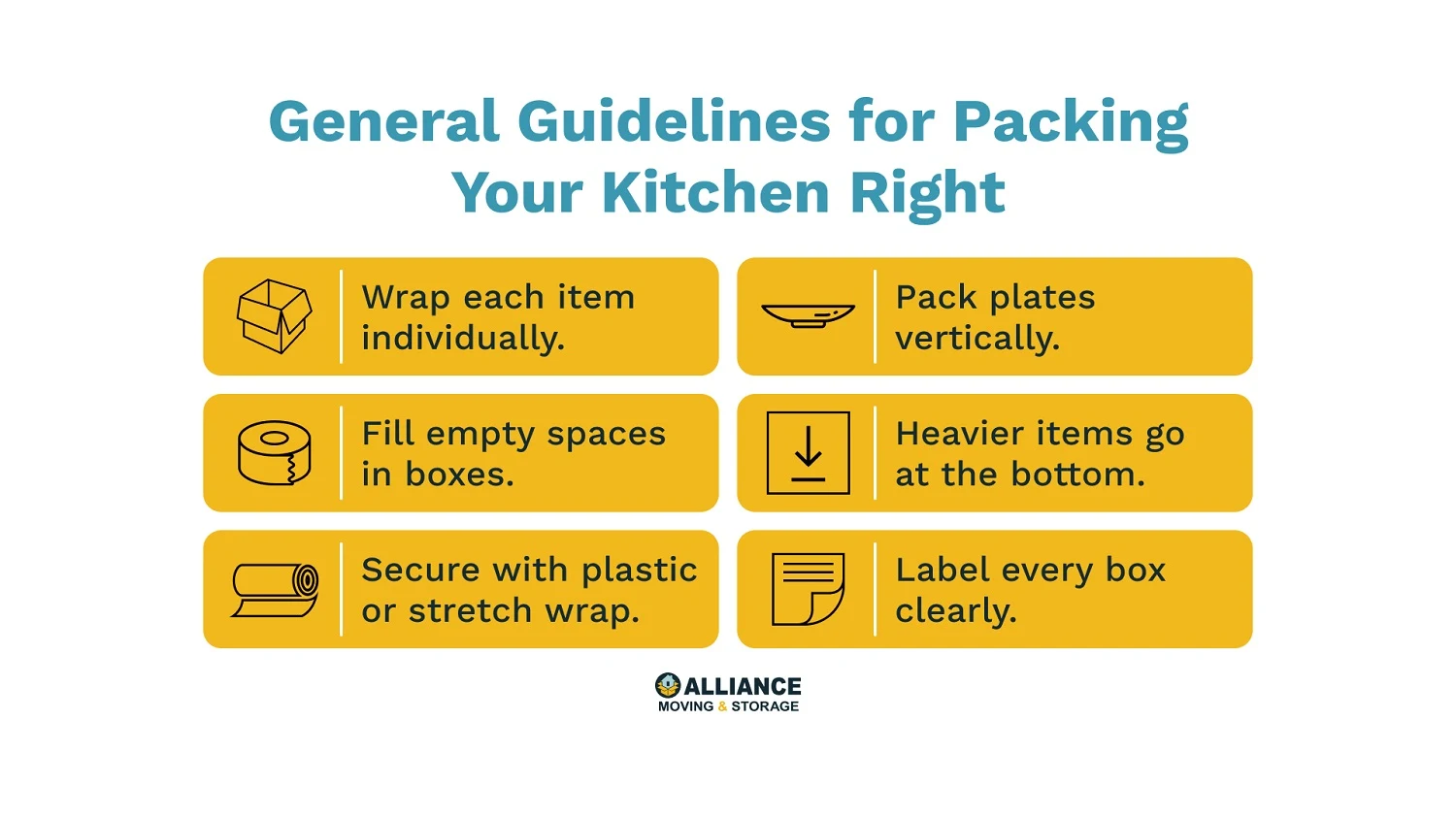
Credit: www.alliancemoving.com
Efficient Packing Strategies
Packing a kitchen can feel overwhelming. Efficient strategies make this process smoother. Knowing how to categorize and protect items saves time and reduces stress. Use these tips to pack your kitchen smartly.
Categorizing By Item Type
Start by sorting items into categories. Group similar items together. This helps in organizing boxes effectively. Use labels for quick identification. Categorize items like utensils, cookware, and pantry goods. This speeds up unpacking later.
- Utensils: Place in a small box, grouped by type.
- Cookware: Stack pots and pans to save space.
- Pantry Goods: Seal bags and jars to prevent spills.
Packing Fragile Items Safely
Fragile items need extra care. Use bubble wrap or newspaper for protection. Wrap each item individually. Ensure boxes are sturdy enough to hold weight. Place heavier items at the bottom.
- Wrap glassware in bubble wrap.
- Use dish towels as padding between plates.
- Label boxes with “Fragile” for careful handling.
Efficient packing keeps items safe and makes moving day easier. Follow these strategies to pack your kitchen with confidence.
Maximizing Space In Boxes
Packing a kitchen efficiently involves strategic use of boxes. Consider item size, fragility, and frequency of use. Choose varying box sizes for utensils, cookware, and appliances. Proper labeling enhances unpacking ease and saves time. Aim for balance; avoid overloading boxes to prevent damage.
Packing your kitchen efficiently requires a strategic approach to maximize space in boxes. With numerous kitchen items varying in size and shape, it’s crucial to use every inch wisely. Proper packing not only saves space but also ensures your items arrive safely at your new home.Utilizing Box Space Effectively
Start by selecting the right box size for your kitchen items. For heavy items like dishes, use smaller boxes to prevent them from becoming too heavy to lift. Place heavier items at the bottom and lighter ones on top. This keeps the weight balanced and prevents fragile items from being crushed. Use the gaps between items to your advantage. Fill these spaces with smaller items such as utensils or kitchen towels. This not only maximizes space but also provides cushioning.Avoiding Overpacking
While it’s tempting to cram as much as you can into each box, overpacking can lead to accidents. Boxes that are too heavy can break or be difficult to move. Use packing materials like bubble wrap or newspaper to fill any empty spaces rather than trying to fit one more item. This keeps your items secure during transit. Consider the weight limit of each box. If you find yourself struggling to lift it, it’s a clear sign to redistribute the weight. Ensuring each box is manageable reduces the risk of injuries and damage. Packing a kitchen can seem overwhelming, but with these tips, you can make the process smoother and more efficient. How do you plan to tackle your kitchen packing?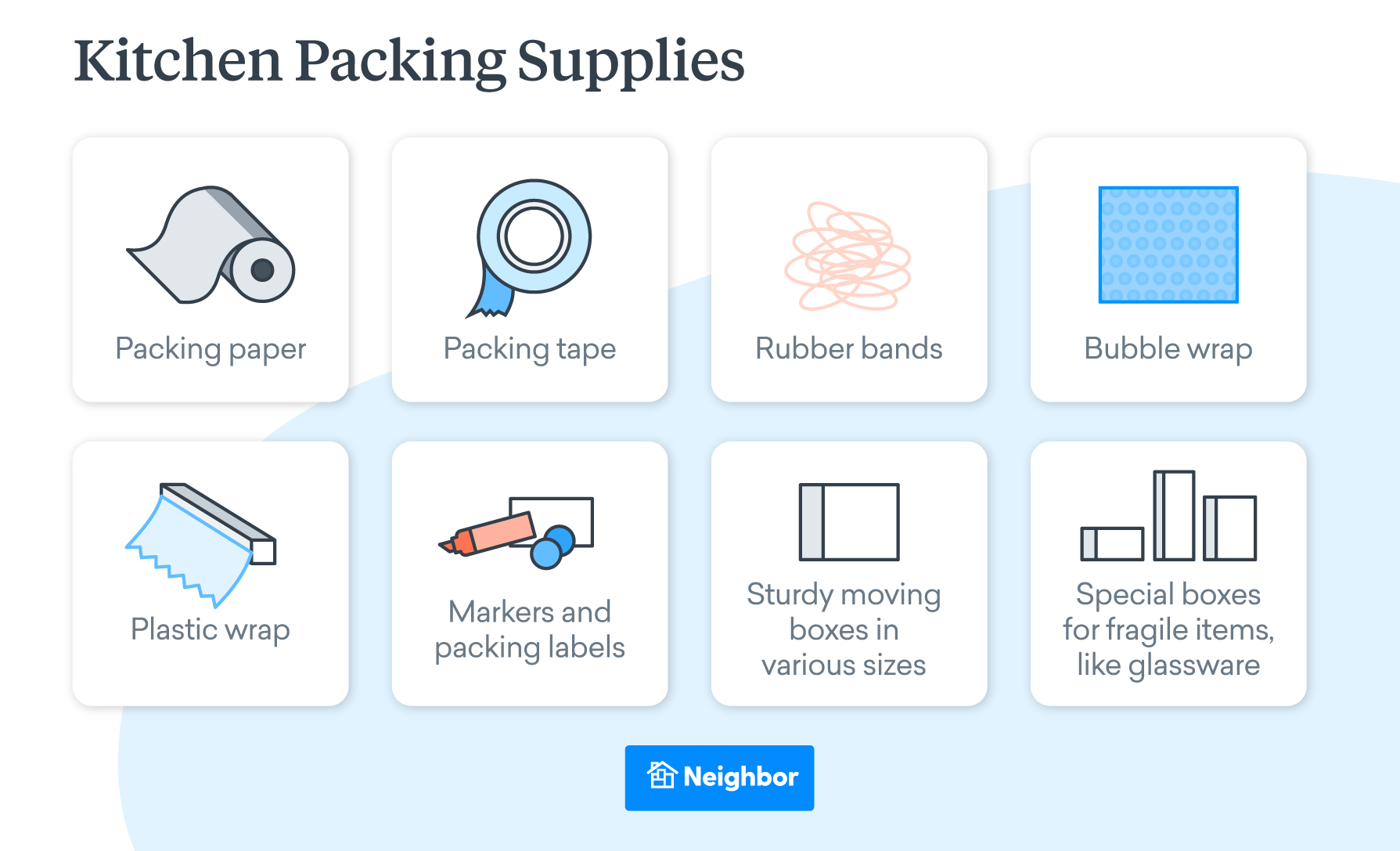
Credit: www.neighbor.com
Handling Specialty Kitchen Items
Packing a kitchen often requires 10 to 15 boxes. Consider item size and fragility. Specialty items like blenders and mixers may need extra care and packaging.
Handling specialty kitchen items can be a daunting task when packing up your kitchen. These items often require extra care and attention, ensuring they make it to their new home safely. From appliances to perishables, knowing how to pack these specialty items efficiently can save you time and stress.Packing Appliances
Packing kitchen appliances might seem straightforward, but it involves a few nuances. Start by gathering the original boxes and manuals if you still have them. If not, find sturdy boxes that fit your appliances snugly. Before packing, clean each appliance thoroughly to prevent any residue or odors. Wrap each item in bubble wrap for protection and fill any gaps in the box with packing paper or towels. Consider labeling the cords and attaching them securely to avoid tangling. Don’t forget to take photos of how each appliance is assembled. This will make reassembling them in your new kitchen a breeze.Dealing With Perishables
Perishables require special consideration, especially if your move will take longer than a day. You might wonder how to keep these items fresh during the transition. Start by using up as many perishables as possible in the weeks leading up to your move. Plan meals around the items in your fridge and pantry. For any perishables left on moving day, pack them in a cooler with ice packs. This will help keep them fresh until you reach your destination. If you’re moving a considerable distance, consider donating these items to a local food bank to avoid waste. Is it worth moving that half-empty ketchup bottle, or should you save space for essentials? Making smart decisions about perishables can simplify your move and reduce stress.Common Packing Mistakes
Estimating the number of boxes for a kitchen is tricky. Many packers underestimate the space needed for bulky items. Additionally, fragile dishes and appliances require extra care, often leading to more boxes.
Packing a kitchen can be a daunting task, especially for first-timers. Mistakes often occur, leading to frustration and potential damage. Understanding common packing errors helps ensure a smoother transition and protect valuable items.Overlooking Item Protection
Many people forget to protect fragile kitchen items. Glassware and ceramics need extra care. Wrap each piece in bubble wrap or paper. This prevents chips and breaks during transport. Use dividers for plates and cups. They help keep items secure.Neglecting Box Weight Limits
Overloading boxes is a common mistake. Heavy boxes are hard to move and can break. Spread heavy items across several boxes. This makes them easier to carry. Check the box limit before packing. It ensures boxes stay intact during the move.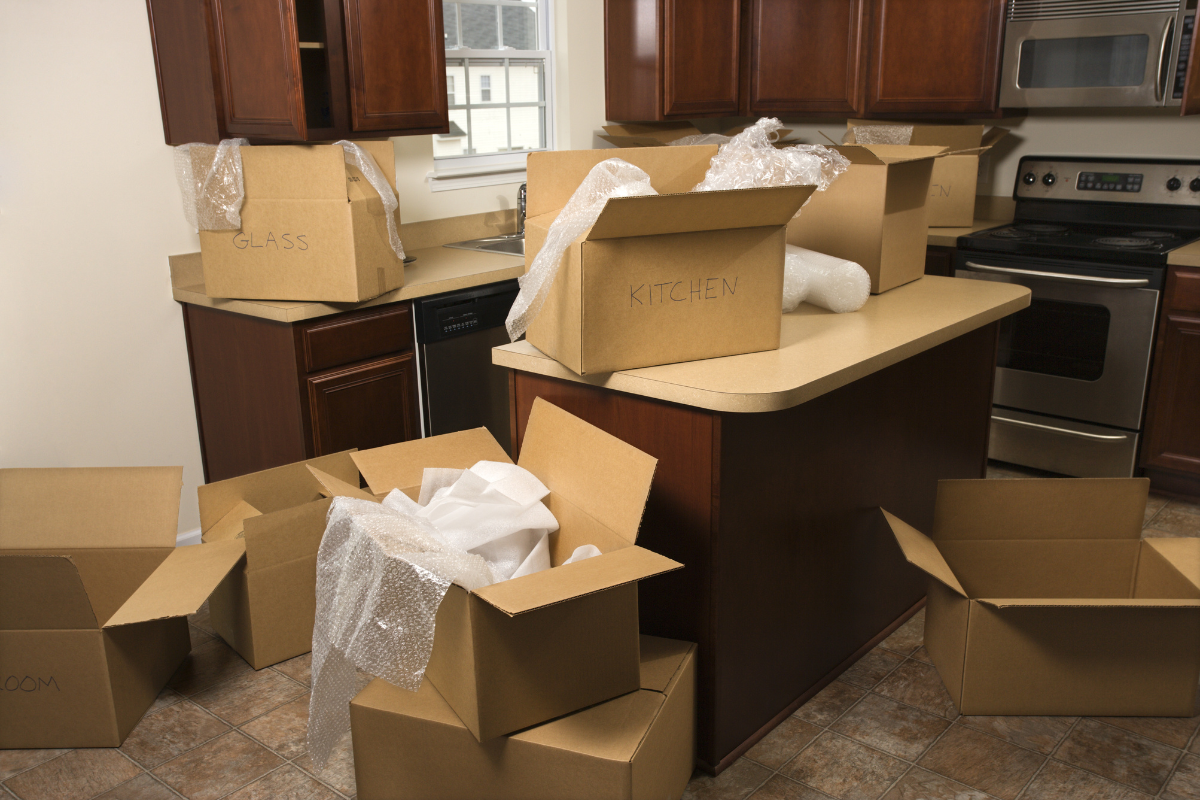
Credit: fallwintermovie.com
Final Preparation Tips
Plan effectively by considering the number of kitchen items. Assess cabinets, drawers, and pantry contents. Estimate 10-15 boxes for an average kitchen, depending on size and item volume.
Final preparations can make or break a smooth kitchen move. You’ve sorted, packed, and labeled, but now it’s time to ensure nothing is left behind. These final preparation tips will help you double-check everything, ensuring a seamless transition on moving day.Checking Inventory
Create a detailed inventory list of your kitchen items. This list will help you track everything and ensure nothing is missing. Consider using a spreadsheet or a simple checklist. Digital tools can be especially handy if you prefer technology over paper. Have you ever found a missing item weeks after moving? This step prevents that from happening.Preparing For Moving Day
Set aside a box of essentials for the first night in your new home. This could include a few plates, cutlery, and a coffee maker. Think about what you’ll need immediately and pack those items separately. It’s easy to forget these in the hustle of moving day. Finally, label your boxes clearly. Use bold markers or colored labels to make it easy for movers or helpers. This small step can save you time and frustration later. Wouldn’t it be nice to find your coffee maker without digging through ten boxes?Frequently Asked Questions
How Many Boxes To Pack An Average Kitchen?
Packing an average kitchen usually requires 10 to 15 boxes. Use small boxes for heavy items like dishes. Medium boxes are ideal for appliances and cookware. Label each box clearly for easy unpacking. Consider bubble wrap for fragile items to prevent damage during transport.
How Do I Calculate How Many Moving Boxes I Need?
Estimate boxes by considering room size and content. Use one box per room square foot. Adjust for item quantity and type.
How Long Does It Take To Pack A Kitchen?
Packing a kitchen typically takes 8 to 12 hours. Time varies based on kitchen size and items. Organize packing materials and sort items before starting to save time. Consider packing fragile items separately for safety. Ensure to label boxes clearly for easy unpacking.
How Many Boxes Does It Take To Pack A House?
Packing a house typically requires 50 to 150 boxes. The exact number depends on house size and contents. Larger homes need more boxes, while minimalistic setups require fewer. Organize items by room to estimate better. Consider specialty boxes for fragile items to ensure safe transportation.
Conclusion
Packing a kitchen takes planning and patience. Start with an inventory. List all items. Use sturdy boxes for heavy stuff. Fragile items need extra care. Wrap them well. Label boxes clearly. Group similar items together. This makes unpacking easier. Use bubble wrap for glassware.
Don’t rush the process. Pack smartly for a smooth move. Each kitchen is unique. Box counts vary. Keep boxes organized. This saves time and stress. With these steps, your kitchen will be packed efficiently. Enjoy your new space.