Are you tired of rummaging through cluttered drawers and overstuffed cabinets every time you need a spatula or whisk? A disorganized kitchen can turn cooking into a frustrating chore.
But fear not, because with a few simple tweaks, you can transform your kitchen into a space of efficiency and joy. Imagine knowing exactly where every utensil is, every time you need it. Picture the ease of preparing meals when everything is within reach, organized, and in its place.
This guide will show you how to arrange your kitchen utensils for maximum convenience and flow. Stick around, and you’ll discover tips and tricks that can revolutionize your cooking experience, making your kitchen not just a place to prepare food, but a space where creativity and comfort come together. Ready to unlock the full potential of your kitchen? Let’s dive in!
Credit: www.rd.com
Decluttering Essentials
Are you tired of rummaging through a cluttered kitchen drawer every time you need a spatula? Decluttering your kitchen utensils can transform your cooking space into a streamlined haven, making meal prep more efficient and enjoyable. Let’s dive into the essentials of decluttering, starting with the crucial steps of sorting and purging, followed by sustainable ways to donate or recycle your excess items.
Sorting And Purging
Start by emptying every drawer and cabinet where your kitchen utensils reside. Spread them out on a table to see the full extent of what you own. This visual inventory will help you identify duplicates and items you rarely use.
Ask yourself: Do you really need three ladles? Assess each item based on its frequency of use and its condition. Be ruthless with items that have seen better days or haven’t been touched in months.
- Group similar items together to easily spot redundancies.
- Set aside broken utensils or those missing parts for disposal.
- Keep only what you truly need and use regularly.
Donation And Recycling Options
Now that you’ve sorted your utensils, consider donating them to local charities or thrift stores. Many organizations would gladly accept gently used kitchen tools to help those in need. It’s a simple way to give back to your community.
What about items that can’t be donated? Think about recycling. Some materials like metal or plastic can be taken to recycling centers. Check local guidelines to ensure proper disposal.
- Contact local shelters to see if they need kitchen items.
- Research recycling programs for kitchen utensil materials.
- Organize a swap with friends or family to pass on usable items.
By decluttering and finding new homes for your unused utensils, you’re not just freeing up space—you’re creating a more harmonious kitchen environment. What will you do with the extra room in your drawers?

Credit: www.reddit.com
Zoning Your Kitchen
Organize kitchen utensils by function to streamline meal preparation. Group similar items in designated zones for easy access. Keep frequently used tools within reach to enhance efficiency and reduce clutter.
Arranging kitchen utensils efficiently can transform your cooking experience. Zoning your kitchen is a strategy that maximizes space and functionality. By dedicating specific areas for different tasks, you streamline your workflow and reduce clutter. This approach not only saves time but also enhances the joy of cooking. Imagine reaching effortlessly for your spatula while the sizzling aroma of your favorite dish fills the air.Cooking Zone
The cooking zone is the heart of your kitchen. Position your pots, pans, and utensils within arm’s reach of the stove. This setup makes flipping pancakes or stirring a simmering sauce seamless. Magnetic strips or hooks on the wall can keep frequently used tools accessible. Organize spices and oils nearby, so you can add flavor without missing a beat.Prep Zone
The prep zone is where culinary magic begins. Dedicate a countertop space for chopping and mixing. Store knives, cutting boards, and mixing bowls within easy reach. Consider drawers with dividers for smaller utensils like peelers and graters. This arrangement keeps your workflow smooth, allowing you to focus on crafting delicious meals.Cleaning Zone
After the feast, the cleaning zone restores order. Place dish soap, sponges, and drying racks near the sink. Install shelves or cabinets for dishware and glassware. This setup ensures that cleaning up is as efficient as possible. Think about how much time you spend searching for a clean dish towel. Keeping everything organized can turn tidying up into a breeze. Creating zones in your kitchen is not just about organization—it’s about enhancing your cooking experience. Which zone in your kitchen needs the most attention?Choosing The Right Storage Solutions
Choosing the right storage solutions for your kitchen utensils can transform a cluttered space into a haven of efficiency. The secret lies in selecting the right tools that cater to your cooking habits and kitchen layout. Ever found yourself rummaging through a drawer for a whisk? Let’s ensure that never happens again by exploring some effective storage options.
Drawer Organizers
Drawer organizers are a game-changer for keeping your utensils in order. They help you assign a specific spot for each item, making it easy to find what you need when you need it. Consider adjustable dividers, which allow you to customize your drawer space according to the size and shape of your utensils.
Imagine opening a drawer and instantly spotting your favorite spatula. These organizers not only save time but also reduce stress. Plus, they can prevent utensils from rattling around, which helps maintain their condition.
Cabinet Racks
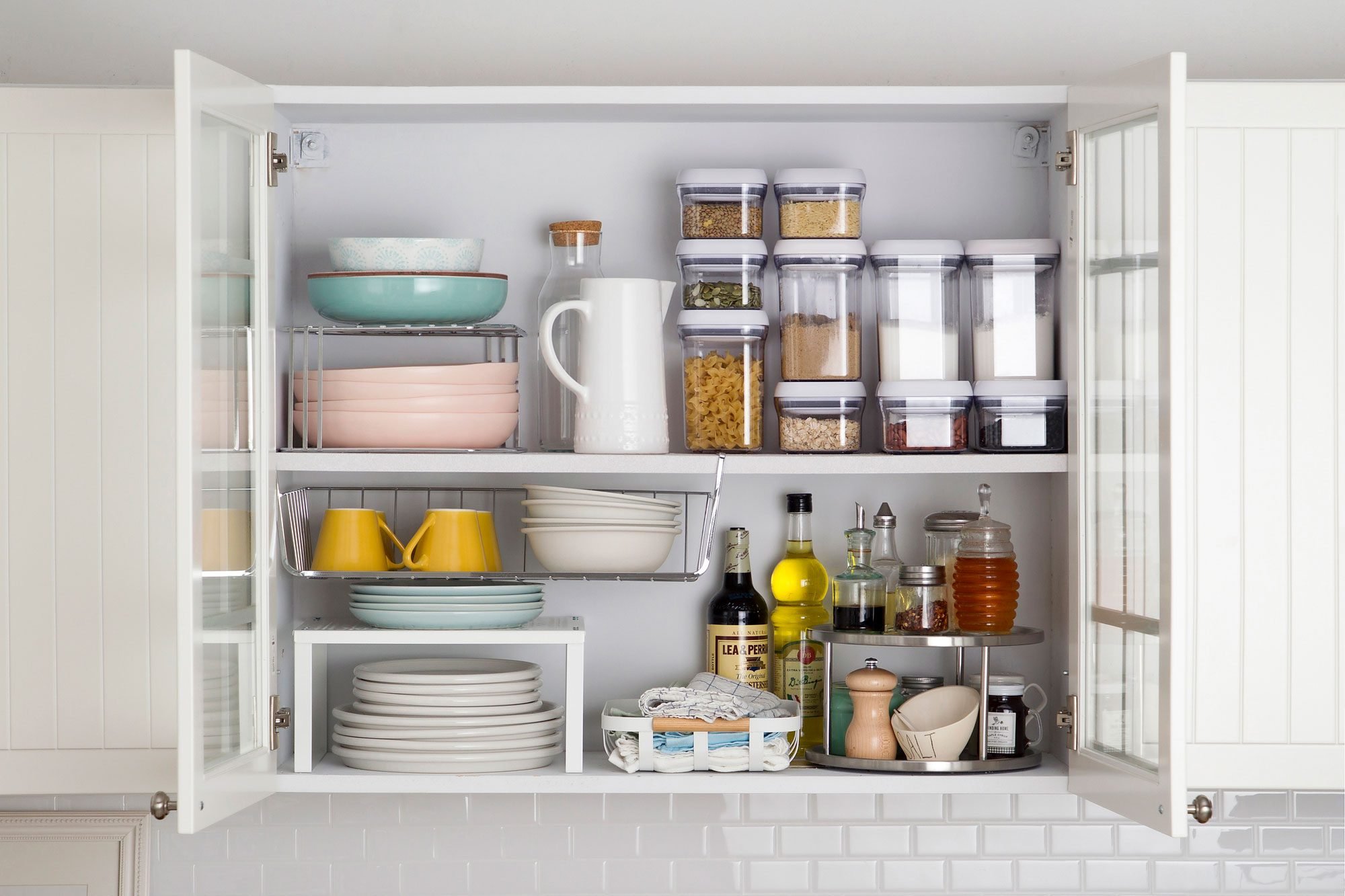
Cabinet racks offer a versatile storage solution for larger utensils and cookware. They can be installed inside cabinet doors or stand freely within cabinets to maximize vertical space. When you have limited counter space, cabinet racks can be a lifesaver.
For a personal touch, use racks to store your frequently used pots and pans, keeping them within easy reach. This approach not only keeps your kitchen looking tidy but also boosts your cooking efficiency. Imagine reaching for a pot without having to juggle a stack of dishes.
Wall-mounted Storage
Wall-mounted storage solutions bring an element of style while offering practicality. Hooks, magnetic strips, and pegboards can hold everything from spatulas to ladles, freeing up precious counter space. Consider placing these near your stove for quick access to your go-to utensils.
Have you ever thought about using your kitchen walls for storage? It’s a simple yet effective way to declutter and add character to your space. Plus, it keeps your utensils in sight, ensuring you never forget about your trusty garlic press again.
Choosing the right storage solutions is more than just about tidiness. It’s about making your kitchen work for you, enhancing your cooking experience, and maybe even inspiring you to try that new recipe you’ve been eyeing.
Optimizing Counter Space
Optimizing your kitchen’s counter space can transform your cooking experience from chaotic to streamlined. Every inch counts when it comes to maximizing efficiency. Imagine a kitchen where everything you need is within reach, yet your counters remain uncluttered and inviting. Let’s dive into some strategies to achieve this balance.
Minimalist Approach
Less is more when it comes to counter space. Begin by assessing which utensils you use daily and which are simply taking up space. Only keep essentials like a cutting board, a knife block, and a coffee maker on the counter. Store infrequently used items in cabinets or drawers.
Consider the aesthetic appeal of a clean, minimalist countertop. It invites creativity and eases stress. Wouldn’t it be nice to have a workspace that inspires rather than overwhelms?
Try rotating seasonal items to keep your space fresh and functional. Having a clutter-free countertop can make cooking more enjoyable and efficient.
Utilizing Vertical Space
Think beyond the horizontal plane and explore vertical storage solutions. Wall-mounted racks and shelves can hold spices, utensils, or even pots and pans. This frees up counter space while keeping your tools accessible.
Consider installing a pegboard on your kitchen wall. It can be customized to hold everything from spatulas to measuring cups. Vertical storage can be both practical and stylish, adding character to your kitchen.
Use hooks to hang mugs or small baskets for additional storage. This approach maximizes space without compromising accessibility or aesthetics.
Labeling And Categorizing
Arranging kitchen utensils can make your cooking experience smoother. A well-organized kitchen saves time. It reduces stress during meal preparations. Labeling and categorizing are key steps in this process. They help you find what you need quickly. This makes cooking more enjoyable.
Labeling Techniques
Labels make it easy to identify kitchen items. Use clear and simple words. For example, “spoons,” “forks,” and “knives.” Choose a label maker or handwritten tags. Both work well. Ensure labels are visible. Place them at eye level. Use waterproof labels for durability. They withstand spills and cleaning.
Grouping Similar Items
Group similar utensils together. Store all spoons in one place. Keep forks and knives together, too. This reduces search time. Use drawer dividers to separate items. They keep utensils neatly arranged. Shelves and baskets can help. Assign each basket a specific category. This keeps your kitchen organized.
Maintenance And Upkeep
Organize kitchen utensils by grouping similar items together for easy access. Use drawer dividers to separate cutlery. Store larger tools in jars or on hooks for a tidy workspace.
Maintaining and keeping your kitchen utensils in top shape is crucial for a functional kitchen. Proper upkeep not only extends the lifespan of your utensils but also enhances your cooking experience. By implementing a simple maintenance routine, you ensure that your kitchen remains efficient and clutter-free.Regular Cleaning Schedule
Creating a regular cleaning schedule is essential for keeping your utensils spotless and ready to use. Develop a habit of cleaning utensils immediately after use. This prevents food residue from hardening and makes the cleaning process much easier. Consider setting aside a specific time each week to give your utensils a more thorough cleaning. A deep clean can include scrubbing handles, checking for rust or damage, and ensuring everything is completely dry before storing. This routine not only keeps your kitchen hygienic but also helps you spot any issues before they become major problems.Seasonal Reassessment
Just as you reassess your wardrobe each season, it’s beneficial to do the same with your kitchen utensils. Take a moment to evaluate what you use most frequently and what has been gathering dust. This is an excellent opportunity to declutter and make room for tools you actually need. Think about the changes in your cooking habits as the seasons shift. Perhaps you use more grilling tools in the summer and baking equipment in the winter. Adjust your utensil arrangement accordingly, placing seasonal items within easy reach. This reassessment ensures that your kitchen remains an efficient and enjoyable space all year round. Have you ever found yourself rummaging through drawers looking for that one elusive spatula? Regular maintenance and strategic organization can save you time and frustration in the kitchen. Embrace these practices and notice the positive impact on your culinary creativity and efficiency.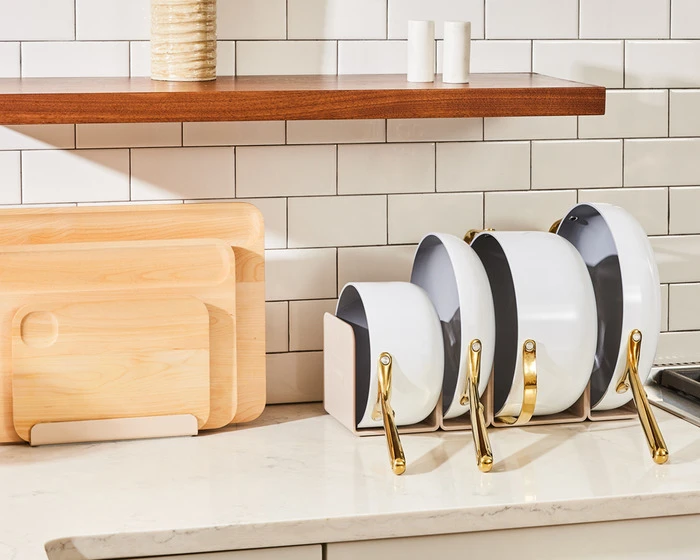
Credit: www.carawayhome.com
Frequently Asked Questions
How Do You Arrange Your Kitchen Utensils?
Organize kitchen utensils by grouping similar items together. Store frequently used tools in accessible drawers. Hang larger utensils on wall hooks or inside cabinet doors. Use dividers for cutlery to keep them separated. Arrange pots and pans by size and stack lids neatly.
Prioritize functionality and ease of access.
How Do I Decide Where To Put Things In My Kitchen?
Organize kitchen items by frequency of use. Place daily essentials within easy reach. Store heavy pots near the stove. Keep utensils and knives near preparation areas. Arrange pantry items by category for quick access.
What Are The 10 Kitchen Tools And Their Uses In Order?
1. Chef’s knife: Slices, dices, and chops food. 2. Cutting board: Provides a surface for cutting. 3. Mixing bowls: Mix ingredients together. 4. Measuring cups: Accurately measure liquid and dry ingredients. 5. Whisk: Blends and whips ingredients. 6. Peeler: Removes skin from fruits and vegetables.
7. Grater: Shreds food into small pieces. 8. Can opener: Opens cans effortlessly. 9. Tongs: Grabs and turns food. 10. Spatula: Flips and serves food easily.
How To Set Up Kitchen Utensils?
Organize kitchen utensils by function and frequency of use. Store frequently used items in accessible drawers. Hang pots, pans, and large utensils on hooks or racks. Group similar items together for easy access. Use dividers or containers to keep small utensils tidy and organized.
Label shelves for quick identification.
Conclusion
A tidy kitchen makes cooking fun and easy. Start organizing your utensils today. Use drawers and racks for easy access. Keep frequently used items close to the stove. Group similar utensils together. Labels help maintain order. Regularly declutter and clean.
Enjoy a neat kitchen that boosts efficiency. Feel proud every time you step in. An organized kitchen saves time and stress. You will find joy in cooking again. Make your kitchen a happy space. Share your tips with friends and family.
Inspire others to organize their kitchen too. Simple steps lead to a better cooking experience.