How to Get Rid of Cockroaches in Kitchen: Proven Tips
Executive Chef & Lead Commercial Kitchen Specialist at Daily Kitchup Test Lab
Are you tired of sharing your kitchen with uninvited guests that scuttle away as soon as the lights come on? Cockroaches are more than just a nuisance; they can pose health risks and make your kitchen feel less like the heart of your home and more like a battleground.
If you’ve ever found yourself cringing at the sight of these resilient critters, you’re not alone. The good news is, you can reclaim your kitchen and ensure it remains a cockroach-free zone. Imagine opening your cabinets without fear or preparing your meals in a space that feels clean and safe.
In this guide, you’ll discover simple yet effective strategies to banish cockroaches from your kitchen for good. Let’s dive in and transform your kitchen into a pest-free sanctuary.
Identify Common Cockroach Species
Identifying common cockroach species in your kitchen is the first step towards eliminating them effectively. Knowing what you’re dealing with can inform your choice of methods to tackle these pesky invaders. Here’s a quick guide to help you recognize the most common types of cockroaches you might encounter.
German Cockroaches
German cockroaches are the most common species found in kitchens. They are small, typically about half an inch long, and light brown with two dark stripes on their backs. These tiny critters thrive in warm, humid environments, making your kitchen an ideal spot. If you’ve spotted them scurrying across your countertops, it’s time to act fast. They multiply quickly, making early identification crucial.
American Cockroaches
American cockroaches are larger, often reaching up to two inches in length. They are reddish-brown and have wings, which allows them to fly short distances. Unlike their German counterparts, they prefer damp, dark areas, such as under sinks or around plumbing fixtures. If you notice these giants in your kitchen, they might be drawn to food scraps or moisture buildup.
Oriental Cockroaches
Oriental cockroaches are darker and slower than other species, measuring around one inch. They are often found in cooler areas of the kitchen, such as basements or near garbage bins. Their presence often signifies poor sanitation or leaks, as they are attracted to decaying organic matter. Recognizing them can be a wake-up call to reassess your cleaning habits.
Have you ever wondered why your kitchen seems to attract these unwelcome guests? Understanding the type of cockroach can help you target your efforts more effectively. Remember, each species has its own habits and preferences, so your approach should be tailored accordingly.
Credit: www.instagram.com
Signs Of Cockroach Infestation
Droppings, egg cases, and musty odors often signal cockroach infestations. Act quickly to keep your kitchen clean.
Recognizing the signs of a cockroach infestation early can save you from a bigger problem later. Cockroaches are stealthy creatures, often hiding away until their numbers are overwhelming. Identifying their presence in your kitchen is crucial to tackling the issue head-on. Let’s dive into some telltale signs that cockroaches might be sharing your space.Fecal Droppings
Cockroach droppings can resemble small pepper-like specks or coffee grounds. You might find these in the dark corners of your kitchen, such as under the sink or behind appliances. Spotting these droppings is a clear indication that cockroaches are nearby, as they frequently travel and leave their mark.Shed Skins
Cockroaches shed their skins multiple times as they grow. Finding these discarded skins in your kitchen is a strong signal of an infestation. Check areas like cupboards, drawers, and other hidden spaces where these pests might hide during the day.Unpleasant Odors
A strong, musty odor is often associated with a heavy cockroach presence. This smell comes from the pheromones they emit and can linger in enclosed spaces. If you notice an unexplained unpleasant odor in your kitchen, it might be time to investigate further. Have you ever experienced any of these signs in your kitchen? Taking swift action upon noticing these indicators can help you regain control of your kitchen and ensure it remains a clean and healthy environment.Preventive Measures
Seal all food tightly to prevent cockroach access. Clean kitchen surfaces regularly to remove crumbs and spills. Use natural repellents like bay leaves and essential oils for added protection.
Preventive Measures against cockroaches are your first line of defense in maintaining a clean and pest-free kitchen. By taking proactive steps, you can significantly reduce the likelihood of these unwelcome visitors setting up camp in your cooking space. Let’s explore some effective strategies that can help keep your kitchen cockroach-free.Maintain Cleanliness
A clean kitchen is a less attractive habitat for cockroaches. Make it a habit to wipe down surfaces after cooking and eating. Regularly sweep and mop the floors to eliminate crumbs and spills. Consider sharing a personal experience: I once discovered a small trail of sugar leading to a cockroach nest! This was a wake-up call to clean meticulously, especially under appliances where food particles can hide.Seal Entry Points
Cockroaches can squeeze through surprisingly small openings. Inspect your kitchen for gaps around windows, doors, and plumbing. Use caulk or weather stripping to seal these potential entry points. Ask yourself: Have you checked the spaces under the sink or the edges of your pantry? These spots are often overlooked but can be inviting to pests.Proper Food Storage
Proper food storage is crucial. Use airtight containers for pantry items to prevent cockroaches from feasting on your food. Avoid leaving fruits or vegetables out in the open. Think about your habits: Are there certain foods you leave unprotected on the counter? Consider storing these in the fridge or sealed containers to eliminate temptations for roaches.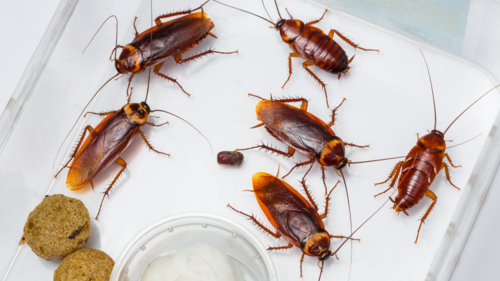
Credit: timesofindia.indiatimes.com
Natural Remedies
Banish cockroaches from your kitchen with natural remedies like bay leaves and peppermint oil. Sprinkle diatomaceous earth in corners to deter them. Keep surfaces clean and dry to prevent their return.
When dealing with the unwelcome presence of cockroaches in your kitchen, you might be surprised to learn that natural remedies can offer an effective solution. These methods not only help in managing cockroach infestations but also ensure the safety of your food and family. With a few simple ingredients, you can rid your kitchen of these pesky pests without resorting to harsh chemicals.Boric Acid
Boric acid has long been hailed as a cockroach deterrent. Its effectiveness lies in its ability to damage the insect’s outer shell. To use, simply mix equal parts of boric acid, flour, and sugar. The sugar attracts the cockroaches, while the flour helps the mixture stick to them. Scatter this mixture in areas where you see cockroach activity, such as under sinks and around the edges of your kitchen. You’ll be amazed at how quickly you notice a difference. Have you ever thought something so simple could be so effective?Diatomaceous Earth
Diatomaceous earth is another powerful natural remedy. This fine powder is made from the fossilized remains of tiny aquatic organisms. It’s harmless to humans but lethal to cockroaches, as it absorbs the oils and fats from their exoskeleton, causing them to dehydrate. Spread the diatomaceous earth in corners, behind appliances, and anywhere you suspect cockroaches might be lurking. It’s a bit like setting a trap without the mess. Remember to use food-grade diatomaceous earth to ensure it’s safe for use in your kitchen.Essential Oils
Essential oils offer a fragrant approach to repelling cockroaches. Oils such as peppermint, eucalyptus, and tea tree have properties that cockroaches find unappealing. Create a simple spray by mixing a few drops of these oils with water in a spray bottle. Spray the mixture around entry points and in areas where cockroaches are most active. Not only will your kitchen smell fresh, but you’ll also be taking a proactive step in keeping these pests at bay. Have you tried essential oils before for pest control? You might find them surprisingly effective and pleasant to use.Chemical Solutions
Chemical solutions offer an effective way to eliminate cockroaches from your kitchen. Sprays and gels target these pests directly, ensuring a cleaner and safer environment. Regular application helps maintain a roach-free space, making your kitchen more hygienic.
Chemical solutions offer an effective way to eliminate cockroaches in your kitchen. These solutions target the pests directly, providing quick results. They are widely available and easy to use. Below, we explore different chemical methods to combat cockroach infestations.Insecticide Sprays
Insecticide sprays are a common choice for many homeowners. They kill cockroaches on contact and offer residual protection. Look for sprays labeled for indoor use. Follow the instructions carefully to ensure safety. Spraying in cracks and crevices can target hidden cockroaches. Keep the kitchen ventilated after spraying to reduce inhalation risks.Cockroach Baits
Cockroach baits are another effective chemical solution. These baits attract cockroaches and contain poison. The cockroaches ingest the bait and carry it back to their colony. This method targets entire infestations, not just individual insects. Place baits in areas cockroaches frequent, like under sinks or behind appliances. Baits work over time, so patience is key.Professional Pest Control
Professional pest control services can handle severe infestations. Experts use specialized chemicals that are not available to the public. They assess the infestation and apply treatments accordingly. This service ensures thorough coverage and long-term results. Professionals also offer advice on preventing future infestations. Hiring a service might be costly but is effective for persistent issues.Long-term Cockroach Control
Achieving long-term cockroach control in your kitchen requires dedication. Cockroaches thrive in warm, damp environments, making kitchens their favorite spots. To keep them at bay, focus on creating inhospitable conditions. Implementing regular inspections, maintaining a dry environment, and a consistent cleaning routine are key strategies. These efforts will help in ensuring your kitchen remains a cockroach-free zone.
Regular Inspections
Conducting regular inspections helps spot cockroach activity early. Check behind appliances, under sinks, and in cabinets. Look for droppings, egg cases, or cockroach bodies. Early detection prevents large infestations. Use a flashlight to see into dark corners. Inspect weekly to stay ahead of any issues.
Maintain A Dry Environment
Reducing moisture is crucial for cockroach control. Fix leaky pipes and faucets promptly. Cockroaches need water to survive, so eliminating sources is vital. Wipe down wet surfaces daily. Ensure drains are clear to prevent water pooling. Keep your kitchen as dry as possible to deter pests.
Consistent Cleaning Routine
A consistent cleaning routine is essential. Wipe counters and sweep floors daily. Remove food crumbs and spills immediately. Store food in sealed containers. Clean under appliances and inside cabinets regularly. A tidy kitchen leaves cockroaches with nothing to feed on. Consistency is key to maintaining a cockroach-free space.
Safety Precautions
Ensure food is stored in sealed containers to prevent cockroach access. Regularly clean surfaces and eliminate crumbs to deter these pests. Seal any cracks or crevices that might serve as entry points into the kitchen.
Dealing with cockroaches in your kitchen can be a daunting task, but ensuring safety while tackling this issue is crucial. You want to eliminate these pests without compromising the well-being of your family and pets. Safety precautions are essential to protect yourself from harmful chemicals and ensure a healthier environment.Proper Ventilation
Maintaining adequate ventilation is vital when using chemical treatments in your kitchen. Open windows and doors to allow fresh air to circulate. This helps disperse fumes and reduces the risk of inhaling hazardous substances. Consider using fans to enhance airflow. Proper ventilation not only aids in safety but also accelerates the effectiveness of treatments by ensuring even distribution of the chemicals.Pet And Child Safety
Children and pets are curious by nature, making it imperative to keep them away from treated areas. Store all chemical products out of their reach, preferably in locked cabinets. You might remember a time when your dog sniffed out a hidden treat. Imagine the curiosity when they encounter something new like a roach trap. Ensure traps are placed in inaccessible spots to prevent accidents. Be vigilant and supervise children and pets closely during treatment periods. Engage them in activities away from the kitchen to avoid exposure.Handling Chemicals Safely
Using chemicals requires careful handling to avoid accidents. Always read labels and follow instructions precisely. Wear gloves and masks to protect your skin and lungs from exposure. Have you ever accidentally spilled something in your kitchen? It’s a quick reminder of how easily mishaps can occur. When mixing solutions, do so in a well-lit area with stable surfaces to prevent spills. Dispose of chemicals responsibly. Use designated disposal sites or follow local guidelines to avoid environmental contamination. Safety isn’t just about immediate protection; it’s about long-term health and ecosystem care.When To Seek Professional Help
Dealing with cockroaches in the kitchen can be daunting. Sometimes, home remedies aren’t enough. Knowing when to call for professional help is key. A pest control expert can offer effective solutions. They have the tools and knowledge to handle infestations. Below, learn when it’s best to seek their assistance.
Severe Infestation
Spotting a few roaches might not seem alarming. But, seeing many can indicate a severe infestation. Cockroaches breed quickly, making the problem worse. Professionals can assess the scale of the issue. They use methods that target the root cause. This ensures a thorough cleanup of your kitchen.
Recurring Issues
Sometimes, roaches keep returning even after treatment. This often means there’s a hidden source. Professionals have the expertise to find these sources. They can block entry points and eliminate nests. This approach prevents future infestations effectively.
Health Risks
Cockroaches pose serious health risks. They can spread bacteria and trigger allergies. Children and elderly are particularly vulnerable. If you notice health issues linked to pests, call an expert. Professionals use safe methods to remove roaches. This safeguards your family’s health and well-being.
Credit: bugweedmart.com
Frequently Asked Questions
How To Permanently Get Rid Of Roaches In The Kitchen?
Seal cracks and crevices to prevent entry. Keep the kitchen clean, removing food and water sources. Use roach baits and traps. Regularly empty trash and fix leaks. Consider professional pest control for severe infestations.
What Smell Will Keep Cockroaches Away?
Peppermint oil, eucalyptus oil, and bay leaves repel cockroaches effectively. Their strong scents deter these pests. Keep these natural repellents in cockroach-prone areas for best results. Regularly refresh them to maintain their effectiveness and prevent cockroach infestations.
What Is The Fastest Way To Get Rid Of Roaches?
Use bait stations and gel-based insecticides to eliminate roaches quickly. Seal cracks and clean food areas. Regularly empty trash bins and vacuum floors to prevent infestations. Consider professional pest control for severe cases. Maintain cleanliness to keep roaches away.
Why Am I Seeing Cockroaches In My Kitchen?
Cockroaches appear in your kitchen seeking food, warmth, and moisture. They enter through cracks and unsealed gaps. Regular cleaning and sealing entry points help deter them. Keep food stored properly and eliminate any water sources to prevent infestations.
Conclusion
Say goodbye to cockroaches in your kitchen. Follow the steps mentioned earlier. Clean surfaces regularly. Use natural repellents. Seal cracks and holes. Store food properly. Fix leaks and moisture issues. Keep trash sealed and removed frequently. If needed, call pest control experts.
Stay consistent with these methods. You will see results. A clean kitchen is a happy kitchen. Enjoy cooking without stress. Protect your home and family. Your kitchen deserves to be pest-free. Stay vigilant and proactive. A little effort goes a long way.
Keep your space safe and clean.

Similar Posts