What are Kitchen Sponges Made of: Unveiling the Secrets
Have you ever paused while doing the dishes and wondered what exactly you’re holding in your hand? That trusty kitchen sponge—an everyday hero in your cleaning arsenal—seems so simple, yet it holds a fascinating story.
Understanding what kitchen sponges are made of can not only satisfy your curiosity but also help you make smarter choices for your home. Imagine knowing what materials are scrubbing your plates, or how they impact the environment and your health.
This knowledge can transform the way you think about this humble kitchen tool. Dive into this article to uncover the secrets behind the sponge, and you might just find yourself looking at your kitchen in a whole new light.

Credit: www.elementbrooklyn.com
Materials In Kitchen Sponges
Kitchen sponges are typically made from cellulose, a natural fiber derived from wood pulp, making them eco-friendly. Some sponges include synthetic materials like polyester and polyurethane, adding durability. These materials help sponges effectively scrub surfaces, ensuring cleanliness in the kitchen.
Materials in Kitchen Sponges Understanding what kitchen sponges are made of helps in choosing the right one. Different materials offer various benefits and drawbacks. Let’s dive into the common materials found in these everyday cleaning tools.Synthetic Materials
Many kitchen sponges are made from synthetic materials. These include polyurethane and polyester. Synthetic sponges are popular for their durability. They can withstand heavy scrubbing without falling apart. They are also affordable, making them a common household choice. They tend to dry quickly, reducing the risk of bacteria growth. Some synthetic sponges have an abrasive side for tough cleaning jobs.Natural Materials
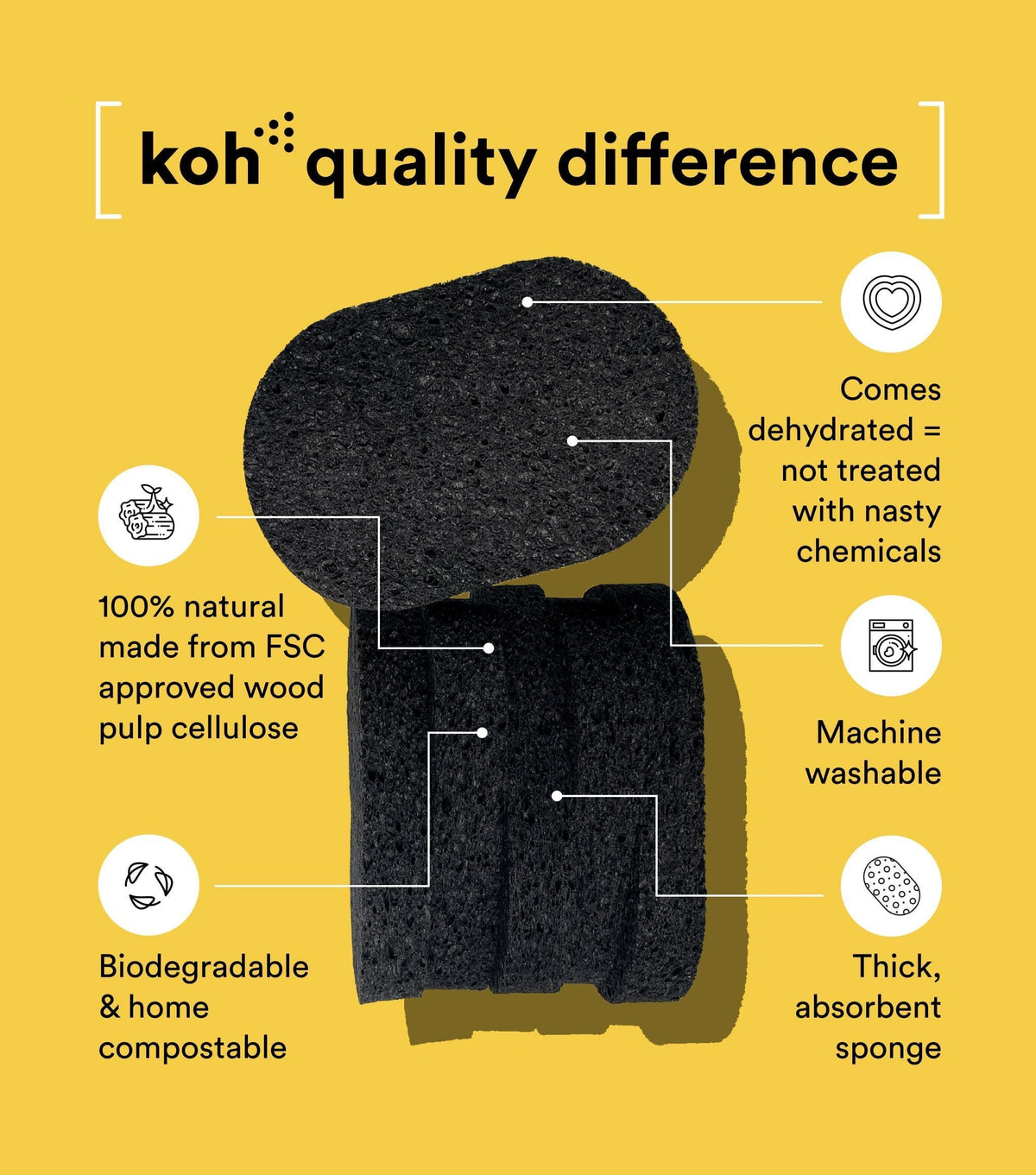
Natural sponges are made from cellulose or sea sponge. Cellulose sponges are plant-based and biodegradable. They are soft and absorbent, great for gentle cleaning. Sea sponges are harvested from ocean beds and are eco-friendly. They are more expensive but offer a luxurious feel. Natural materials are less likely to scratch surfaces. They are ideal for delicate items like glassware.Manufacturing Process
Kitchen sponges are primarily made from cellulose, synthetic fibers, or a mix of both. These materials are crafted into porous, absorbent structures for effective cleaning.
The manufacturing process of kitchen sponges involves careful steps. These ensure the final product is effective and safe. Two main types of sponges are available: synthetic and natural. Each type has its unique production process.Synthetic Sponge Production
Synthetic sponges are made from materials like cellulose, polyurethane, or polyester. The process begins with mixing raw materials. They are combined with water and chemicals to create a soft paste. This paste is poured into molds to shape the sponge. The molds are then heated. This helps the sponge to expand and solidify. After cooling, sponges are cut to the desired size and shape. Some may have abrasive surfaces added. These are useful for scrubbing tough stains.Natural Sponge Harvesting
Natural sponges come from the ocean. Divers collect them from the sea floor. They target specific sponge species. Once harvested, the sponges are cleaned thoroughly. This removes sand, debris, and organic matter. The sponges are then dried in the sun. This step preserves their natural texture and durability. After drying, they are trimmed and packaged for sale. Natural sponges are biodegradable and gentle on surfaces.Types Of Kitchen Sponges
Kitchen sponges play a vital role in cleaning. They come in various types, each with unique features. Understanding these types helps in choosing the right one for your kitchen needs.
Cellulose Sponges
Cellulose sponges are made from wood fibers. They are soft and absorbent. These sponges are ideal for washing dishes and countertops. They are biodegradable, making them eco-friendly. Yet, they can harbor bacteria if not dried properly.
Polyurethane Sponges
Polyurethane sponges are synthetic and durable. They are often used for scrubbing. These sponges resist wear and tear. They are not as absorbent as cellulose sponges. Their synthetic nature makes them less eco-friendly.
Natural Sea Sponges
Natural sea sponges are harvested from the ocean. They are soft and highly absorbent. These sponges are eco-friendly and biodegradable. They have a unique texture that is gentle on surfaces. They can be more expensive than other types.
Environmental Impact
Kitchen sponges often consist of cellulose, synthetic fibers, or a combination of both. These materials can impact the environment, especially when disposed of improperly. Understanding their composition helps in making eco-friendly choices.
The environmental impact of kitchen sponges is an often-overlooked aspect of daily cleaning routines. While they play a crucial role in maintaining cleanliness in our homes, many people are unaware of the materials used to make these handy tools and how they affect our planet. This knowledge is essential for making eco-friendly choices in our kitchens.Biodegradability
Most conventional kitchen sponges are made from synthetic materials like polyester and polyurethane. These materials are not biodegradable, meaning they can take hundreds of years to decompose. Imagine all those sponges piling up in landfills over time. Switching to biodegradable sponges can make a significant difference. Options made from natural materials like cellulose or loofah break down much faster and return to the earth more gracefully. Have you considered trying a natural sponge? It might surprise you how effective and eco-friendly they are.Recycling And Waste
Recycling kitchen sponges is challenging because they are often made from mixed materials. This complexity makes it hard for recycling facilities to process them, leading most sponges to end up as waste. Some innovative brands are now offering sponges that can be partially recycled or are made from recycled materials themselves. Keep an eye out for these options next time you’re shopping. Reducing waste starts with small, informed choices in your own home. If every household switched to more sustainable sponges, the collective impact could be substantial. Are you ready to make a change that benefits both your kitchen and the environment?Health And Safety Considerations
When considering the health and safety of kitchen sponges, it’s essential to understand the potential risks involved. Sponges are a staple in most kitchens, but they can harbor bacteria and allergens if not properly maintained. Let’s dive into the specifics of these concerns to keep your kitchen safe and clean.
Bacterial Growth
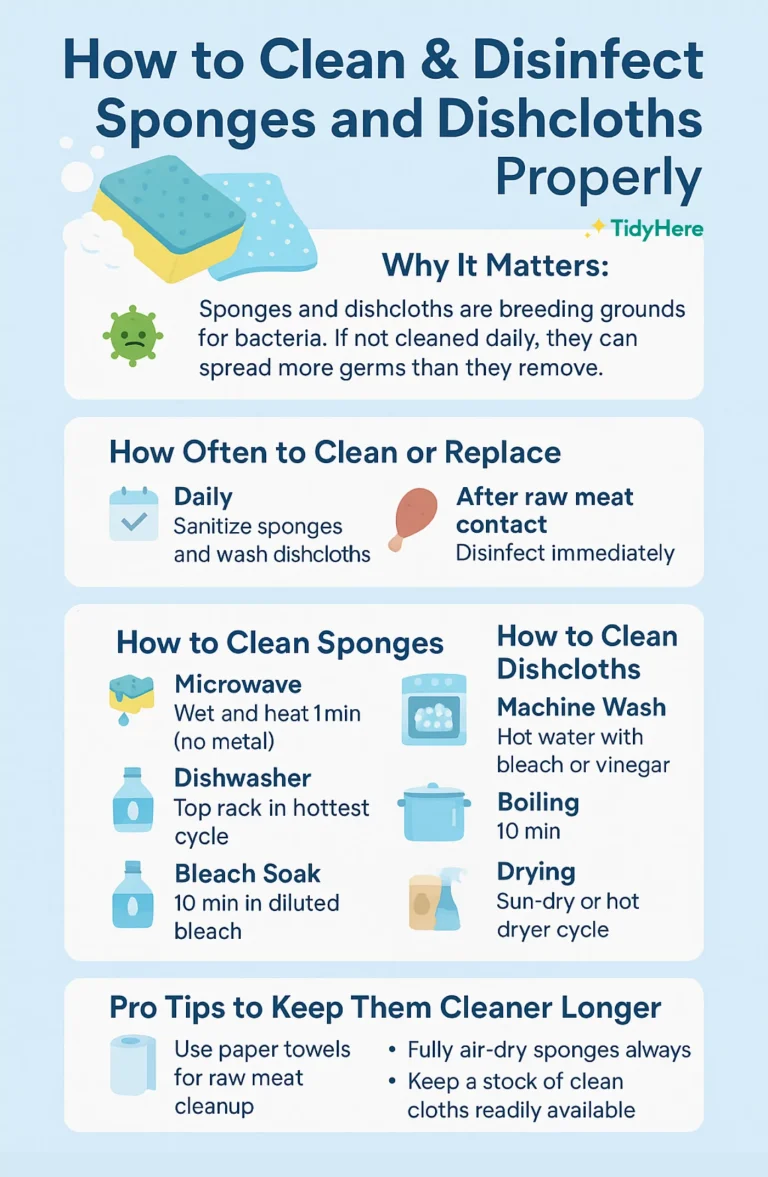
Kitchen sponges are notorious for being breeding grounds for bacteria. The warm, moist environment of a sponge is ideal for bacteria to thrive. This can lead to cross-contamination, especially if the sponge is used to clean raw meat or other high-risk foods.
To minimize bacterial growth, regularly sanitize your sponge. You can microwave it when damp for a minute or run it through a dishwasher cycle. Replace sponges every couple of weeks to ensure they stay hygienic.
Allergenic Concerns
Some kitchen sponges are made from materials that can trigger allergies. Natural sponges, for instance, may cause reactions in individuals sensitive to latex. Synthetic sponges might also contain chemicals that irritate sensitive skin.
Always check the materials used in your sponge if you or someone in your household has allergies. Opt for hypoallergenic options or those labeled as safe for sensitive skin. This simple switch can help prevent allergic reactions and keep your kitchen a safe space for everyone.
Credit: koh.com
Innovations In Sponge Technology
Kitchen sponges are typically crafted from cellulose, polyester, or polyurethane materials. These materials provide durability and effective cleaning power. Some sponges also include abrasive layers for tougher scrubbing tasks.
Innovations in sponge technology have transformed how we think about cleaning. Modern sponges offer more than just basic cleaning capabilities. New materials and designs provide enhanced hygiene and environmental benefits. Let’s explore some exciting advancements in this area.Antimicrobial Sponges
Antimicrobial sponges are designed to fight bacteria. These sponges often contain silver or other antimicrobial agents. This helps reduce odors and the spread of germs. Such sponges are ideal for maintaining a cleaner kitchen environment. With less bacteria, there’s less chance of cross-contamination.Eco-friendly Alternatives
Eco-friendly sponges are gaining popularity. They are made from natural materials like cellulose or coconut fibers. These sponges break down naturally and minimize landfill waste. Some options are also biodegradable or compostable. Choosing these sponges supports sustainable living. They keep your kitchen clean without harming the planet. Innovations in sponge technology continue to evolve. They offer safer, more sustainable options for everyday cleaning tasks.
Credit: www.amazon.com
Frequently Asked Questions
Are Kitchen Sponges Made Of Real Sponges?
Kitchen sponges are not made from real sea sponges. They are typically crafted from synthetic materials like cellulose, polyurethane, or polyester. These materials are chosen for their absorbency and durability, making them ideal for cleaning tasks. Real sea sponges are natural and more expensive, often used for bathing or decorative purposes.
Do Dish Sponges Release Microplastics?
Yes, some dish sponges can release microplastics during use. Choose biodegradable or natural sponges to reduce microplastic pollution. Regularly replacing sponges helps minimize environmental impact. Consider using eco-friendly alternatives like cellulose or silicone sponges for a sustainable kitchen. Proper disposal of synthetic sponges is crucial to prevent microplastic contamination.
What Are The Chemicals In Kitchen Sponges?
Kitchen sponges often contain synthetic materials like polyurethane or cellulose. They may also include antimicrobial agents to prevent bacteria growth. Some sponges have added cleaning agents or fragrances. Always check labels for specific chemical components in your kitchen sponge.
What Material Is A Kitchen Sponge?
Kitchen sponges are typically made of cellulose, a plant-based material. Some sponges also contain synthetic fibers for durability. They are designed for effective cleaning and scrubbing tasks in the kitchen, absorbing water and soap efficiently. Always choose the right sponge type for your specific cleaning needs.
Conclusion
Kitchen sponges come from diverse materials. Natural sponges are from sea creatures. Synthetic ones use cellulose or polyurethane. Both types serve different purposes. Natural sponges are gentle and eco-friendly. Synthetic sponges offer durability and variety. Each type suits specific cleaning tasks.
Choosing the right sponge depends on your needs. Consider material, purpose, and environmental impact. Sponges play a vital role in kitchen hygiene. They help keep surfaces clean and bacteria-free. Understanding sponge materials aids smart purchasing choices. Keep your kitchen clean and safe with the right sponge.