How to Run a Cloud Kitchen from Home: Success Secrets
Executive Chef & Lead Commercial Kitchen Specialist at Daily Kitchup Test Lab
Are you ready to turn your culinary dreams into a thriving business without leaving the comfort of your home? Running a cloud kitchen from your own kitchen space is not just a trend; it’s a game-changer in the food industry.
Imagine the satisfaction of serving delicious meals to eager customers, all while enjoying the flexibility and freedom of working from home. In this guide, you’ll discover the secrets to launching your own cloud kitchen, from setup and marketing to the very first order.
Whether you’re a passionate home cook or a professional chef looking to expand your reach, this article is your roadmap to success. Stay with us as we delve into the steps that will turn your kitchen into a cloud-based culinary sensation. You’re about to unlock the door to a world of possibilities—let’s get started!
Getting Started
Running a cloud kitchen from home involves setting up an efficient space, planning a diverse menu, and leveraging online platforms for orders. Focus on quality ingredients and timely delivery to build customer trust and expand your reach.
Getting started with a cloud kitchen from home is exciting and challenging. It requires planning, research, and a clear vision. This guide will walk you through essential steps for a successful launch.Choosing Your Cuisine
Decide what type of food you want to offer. Your choice should reflect your passion and skills. Consider what you can cook well and enjoy making. Think about dishes that can be easily delivered and still taste great. Look at current food trends and local preferences. This helps in making a popular and profitable choice.Conducting Market Research
Understand your target audience and their needs. Find out what types of food are in demand in your area. Use online surveys or social media polls to gather insights. Analyze your competition to see what they offer. Identify gaps in the market that you can fill. This research will guide your business decisions.Setting Up A Business Plan
Create a detailed business plan outlining your goals and strategies. Include your menu, pricing, and marketing plans. Estimate your start-up costs and ongoing expenses. Plan your kitchen setup and ingredient sourcing. Define your brand identity and unique selling points. A solid plan helps you stay focused and organized.Legal And Licensing
Understanding legal and licensing requirements is crucial for operating a cloud kitchen from home. Secure necessary permits and follow health and safety regulations to ensure compliance.
Running a cloud kitchen from home involves several legal steps. Understanding these is crucial for a smooth operation. Legal compliance ensures your business is legitimate and avoids penalties. The process may seem daunting, but breaking it down helps. Let’s explore the key areas of legal and licensing requirements.Understanding Local Regulations
Every location has specific rules for home-based businesses. Research your area’s regulations for food service businesses. These rules may cover zoning laws, business hours, and delivery options. Contact your local government office for detailed information. They can provide guidance on what’s allowed in your area.Obtaining Necessary Permits
Permits are essential for running a cloud kitchen legally. Common permits include business licenses and health department approvals. Start by registering your business with local authorities. Apply for food handling permits from your health department. They may require inspections to ensure your kitchen meets standards. Keep your permits up-to-date to avoid legal issues.Ensuring Food Safety Compliance
Food safety is critical for customer trust and satisfaction. Learn the food safety laws in your area. Implement practices like proper food storage and hygiene. Train your staff in food handling techniques. Regularly inspect your kitchen for cleanliness and safety. Compliance with food safety standards is vital for your cloud kitchen’s success.Home Kitchen Setup
Running a cloud kitchen from home requires efficient space planning and reliable equipment. Focus on quality ingredients, hygiene, and swift delivery to ensure customer satisfaction. Leverage online platforms for marketing and order management to streamline operations.
Setting up your home kitchen for a cloud operation is a fascinating venture. It’s not just about cooking; it’s about creating a streamlined, efficient environment where you can manage orders and deliver delicious meals seamlessly. The right setup can make or break your cloud kitchen’s success. Let’s dive into how you can optimize your home kitchen for this exciting endeavor.Designing An Efficient Workspace
Your kitchen workspace is the heart of your cloud kitchen. Think of it as your command center. Maximize counter space by utilizing wall-mounted shelves for ingredients and utensils. This keeps your main area free for meal prep. Arrange your equipment in a way that minimizes movement. The fewer steps you take between tasks, the faster you can work. Consider a modular setup where everything is within arm’s reach. This not only boosts efficiency but also keeps you organized during the rush of orders.Essential Equipment And Tools
To run a successful cloud kitchen, you need more than just pots and pans. Invest in commercial-grade appliances like a convection oven and a high-speed blender. These can handle the volume and intensity of orders. Don’t forget the smaller tools that make life easier, such as digital scales for precise measurement and high-quality knives for quick chopping. If you’re focusing on a specific cuisine, ensure you have specialized equipment. For example, a pasta maker if Italian dishes are your forte.Technology For Order Management
Technology is your best friend in managing orders efficiently. A reliable order management system is crucial. Look for software that integrates seamlessly with delivery platforms like UberEats or GrubHub. Utilize tablets or smartphones to track orders in real-time. This lets you stay on top of each step, from preparation to delivery. Automate as much as possible. Set up alerts for new orders and use digital checklists to ensure nothing slips through the cracks. Are you ready to transform your kitchen into a bustling cloud operation? With the right setup, you can cook up success right from the comfort of your home!
Credit: www.restaurantindia.in
Sourcing Ingredients
Selecting fresh and quality ingredients is crucial for a successful home-based cloud kitchen. Build relationships with local suppliers for consistent access to top-notch products.
Sourcing ingredients is a key aspect of running a successful cloud kitchen. Quality ingredients can set your dishes apart and bring customers back. Ensuring you have the right sources for these ingredients is crucial. This involves finding reliable suppliers, managing your inventory, and focusing on sustainability.Finding Reliable Suppliers
Start by researching local markets and farms. Local suppliers often offer fresher produce. Build relationships with them for consistent quality. Use online directories to find suppliers who deliver. Check reviews and ask for recommendations. Meet potential suppliers to assess their products. Discuss pricing and delivery schedules. Negotiate terms that work for your kitchen.Managing Inventory Effectively
Keep track of ingredient levels with inventory management software. This helps avoid overstocking or running out. Regularly update your inventory records. Use FIFO (First In, First Out) to reduce waste. Check expiration dates and use older stock first. Organize storage areas for easy access. Train staff to manage inventory efficiently. Set reorder points to automate purchases.Sustainability And Sourcing
Choose suppliers who prioritize sustainable practices. Look for organic or eco-friendly certifications. Reduce plastic use by opting for reusable containers. Buy seasonal produce to support local farmers. This reduces your carbon footprint. Consider growing herbs or small vegetables at home. Compost kitchen waste to minimize impact. Sustainability can attract eco-conscious customers.Crafting Your Menu
Crafting a menu is vital for your cloud kitchen’s success. Focus on popular dishes with high demand. Keep recipes simple, ensuring easy preparation and consistent quality.
Crafting Your Menu Creating a menu for your cloud kitchen is not just about listing dishes; it’s about telling a story through flavors and choices. A well-curated menu can set your kitchen apart and create a loyal customer base. As you work from home, the stakes are even higher to captivate your audience with selections that are both practical and delightful.Balancing Variety And Specialization
Striking the right balance between variety and specialization can be tricky. Offering a wide range can attract a broader audience, but it may overwhelm your kitchen operations. Consider focusing on a few specialized dishes that you can perfect. This creates a signature experience that customers will return for. Ask yourself: What dishes can you make that no one else can?Pricing Strategies For Profitability
Setting the right prices ensures your cloud kitchen remains profitable while still appealing to customers. Start by calculating the cost of ingredients, packaging, and delivery. Factor in your time and effort too. Create a pricing table to understand your margins:| Dish | Cost | Price | Profit |
|---|---|---|---|
| Signature Pasta | $5 | $12 | $7 |
Adapting To Customer Preferences
Listening to your customers can be your biggest asset. Use social media and direct feedback to understand their likes and dislikes. Regularly update your menu to reflect seasonal trends and customer preferences. Testing new recipes as specials can keep your offerings fresh and exciting. A personal story: I once introduced a vegan option after a customer suggested it on Instagram. It quickly became one of our best-sellers. Are you ready to adapt and grow with your customers?Marketing Your Cloud Kitchen
Marketing your cloud kitchen effectively is crucial to its success. The key is to stand out in the crowded food delivery market and create a strong brand presence. This involves a mix of digital strategies, partnerships, and creative engagement with your audience.
Building An Online Presence
Your website is your digital storefront. Make it appealing and user-friendly. Include mouth-watering images of your dishes and an easy-to-navigate menu. Highlight customer testimonials and make ordering simple with a straightforward checkout process.
Consider SEO tactics to improve your search rankings. Use relevant keywords in your content, and regularly update your blog with cooking tips or stories behind your recipes. This will drive traffic and increase your visibility.
Leveraging Social Media
Social media platforms are powerful tools for reaching potential customers. Share enticing photos of your dishes, behind-the-scenes videos, and customer reviews. Engage with followers by asking questions or running contests.
Are you using Instagram Stories or Facebook Live? These features can showcase your cooking process and build a personal connection with your audience. Your consistent interaction will keep your brand fresh in their minds.
Partnering With Delivery Platforms
Aligning with popular delivery apps can significantly boost your reach. Choose platforms that resonate with your target market and negotiate terms that benefit your business.
Utilize promotional opportunities offered by these platforms. For example, special deals or highlighted listings can increase your visibility and attract new customers. Always track your performance through analytics to refine your strategy.
Managing Operations
Running a cloud kitchen from home involves organizing deliveries, managing inventory, and maintaining kitchen hygiene. Efficient operation requires reliable suppliers and a strong online presence for order management.
Managing operations in a cloud kitchen from home can be challenging. Success depends on efficiency and customer satisfaction. With the right strategies, you can streamline processes and ensure quality. Effective management keeps everything running smoothly. This boosts your kitchen’s reputation and profitability.Streamlining Order Processing
An efficient order processing system is crucial. Use online platforms to receive and manage orders. This minimizes errors and saves time. Consider integrating a POS system. It helps track sales and inventory. You can also automate order notifications. This keeps your team informed and prepared.Ensuring Quality Control
Quality control maintains customer trust. Set clear standards for food preparation and presentation. Train your team to follow these guidelines. Regularly inspect ingredients for freshness. Check equipment for proper function. Consistency is key in a cloud kitchen. Create a checklist for quality assurance. This ensures every dish meets your standards.Handling Customer Feedback
Customer feedback is a valuable resource. It helps improve your service. Encourage customers to leave reviews. Respond promptly to feedback, both positive and negative. Show that you value their opinions. Use feedback to identify areas for improvement. Adjust your operations based on customer suggestions. This fosters loyalty and enhances your brand image.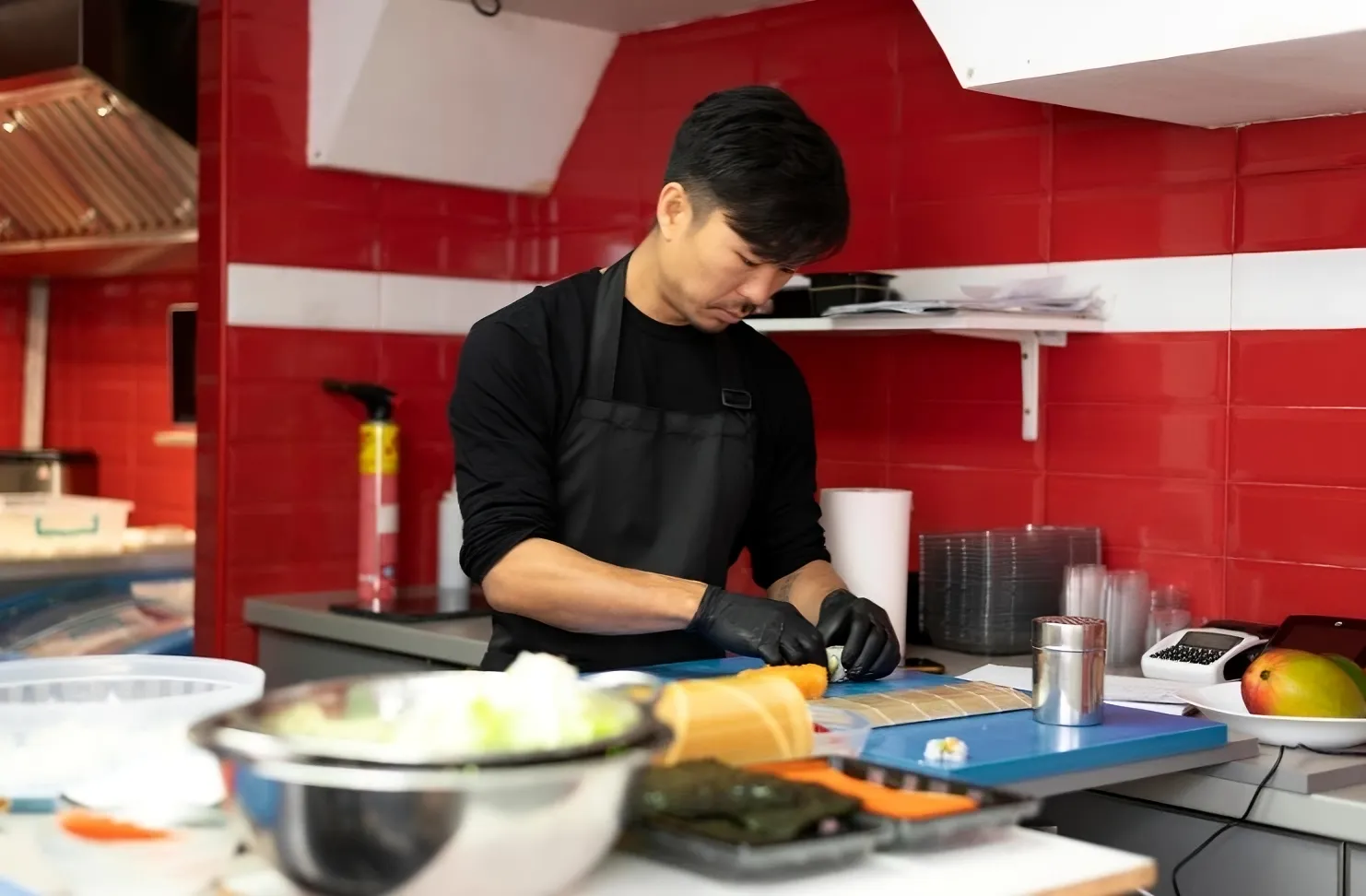
Credit: www.restauranttimes.com
Financial Management
Effective financial management is key to running a cloud kitchen from home. Track expenses, plan budgets, and monitor cash flow to ensure profitability. Utilizing simple software can help manage finances efficiently without overwhelming complexity.
Managing your finances effectively is crucial when running a cloud kitchen from home. It ensures your business remains profitable and sustainable. By understanding your financial landscape, you can make informed decisions and avoid common pitfalls. Let’s dive into the key aspects of financial management for your cloud kitchen.Budgeting And Cost Control
Creating a budget is the first step towards successful financial management. Start by listing all your expenses, from ingredient costs to utilities. Keep track of your spending to identify areas where you can cut costs. For instance, buying ingredients in bulk can often save money and reduce overhead. Regularly review your budget to adapt to any changes in your business or market conditions. This proactive approach will keep your kitchen financially healthy.Setting Up Payment Systems
Having a reliable payment system is vital for your cloud kitchen’s operations. Choose a payment gateway that offers easy integration with your ordering platform. Consider options that provide quick and secure transactions to enhance customer satisfaction. Popular choices include PayPal, Stripe, and Square. Don’t overlook mobile payment solutions. Many customers prefer the convenience of paying via apps on their smartphones.Analyzing Financial Performance
Analyzing your financial performance regularly can reveal valuable insights. Use software tools to track your revenue, expenses, and profit margins. Identify trends and patterns to understand what’s working and what needs improvement. This data-driven approach will guide your strategic decisions. Ask yourself, are there any financial indicators that suggest your business is thriving? Or areas that need urgent attention? Your ability to adapt based on this analysis can be a game-changer.Scaling Your Business
Running a cloud kitchen from home can streamline operations and reduce overhead costs. Utilize efficient online platforms to manage orders and ensure timely delivery. Focus on creating a unique menu that caters to local tastes and preferences, boosting customer satisfaction and repeat business.
Scaling your cloud kitchen from home can be an exciting journey filled with growth opportunities. Whether you’re looking to reach more customers or diversify your menu, scaling requires strategic planning. Understanding how to effectively expand can help you maximize profits while maintaining quality and customer satisfaction.Evaluating Growth Opportunities
Before diving into expansion, assess your current operations. Are you consistently meeting customer demand? Analyze sales data to identify peak times and popular dishes. Consider customer feedback as a vital tool for growth. What are they asking for? Listening to your audience can offer surprising insights into new opportunities.Expanding Your Delivery Radius
Increasing your delivery radius is one of the simplest ways to reach more customers. Start by evaluating nearby areas with potential demand. Invest in reliable delivery solutions. Whether partnering with third-party apps or hiring dedicated drivers, ensure timely deliveries to maintain satisfaction. Don’t forget to check local regulations. Some areas may have specific guidelines for food delivery, so it’s important to comply to avoid penalties.Diversifying Your Menu Offerings
Offering a wider variety of dishes can attract more customers. Consider seasonal specials or limited-time items to create excitement. Experiment with different cuisines. Adding a few international dishes could tap into a new customer base eager for diverse flavors. Balance creativity with efficiency. New dishes should be feasible within your existing kitchen setup to avoid overwhelming your resources. As you scale, keep an eye on the details. How can you surprise and delight your customers while growing your business?
Credit: www.restaurantindia.in
Frequently Asked Questions
Can You Run A Cloud Kitchen From Your Home?
Yes, you can run a cloud kitchen from home. Ensure compliance with local regulations, permits, and food safety standards. Check zoning laws and get necessary licenses. Invest in quality equipment and create a strong online presence for orders.
Is A Cloud Kitchen Profitable?
Cloud kitchens can be profitable due to lower overhead costs and increased delivery demand. They optimize space and reduce expenses, attracting online customers. Success depends on effective marketing, quality food, and efficient operations. Profitability varies with location, competition, and menu.
Careful management is essential for sustained success in the cloud kitchen business.
Can You Start A Virtual Restaurant From Home?
Yes, you can start a virtual restaurant from home. Ensure compliance with local regulations and acquire necessary permits. Utilize delivery platforms to reach customers. Create a unique menu and market effectively online. Manage operations efficiently for success.
How Much Investment Is Needed To Start A Cloud Kitchen?
Starting a cloud kitchen typically requires an investment between $10,000 and $50,000. Costs include kitchen equipment, rent, utilities, marketing, and technology. The exact amount depends on location, scale, and business model. A detailed budget plan helps in estimating precise costs.
Conclusion
Starting a cloud kitchen from home is a great opportunity. It allows flexibility and reduces costs. Focus on quality and hygiene. Keep your menu simple yet exciting. Engage with customers online. Build a strong social media presence. Communicate clearly with suppliers.
Use technology to streamline operations. Stay updated with food trends. Adapt quickly to changes. Keep learning and improving. Running a cloud kitchen requires dedication. Success comes with passion and perseverance. Enjoy the journey. Embrace challenges as learning opportunities. Your home kitchen can thrive.
Your dream business can flourish. Stay committed and watch your cloud kitchen grow.

Similar Posts