How to Unclog Kitchen Sink With Baking Soda: Easy Guide
Executive Chef & Lead Commercial Kitchen Specialist at Daily Kitchup Test Lab
You’re standing in your kitchen, staring at a sink filled with murky water that refuses to drain. Sound familiar?
A clogged kitchen sink can disrupt your entire day. But before you reach for harsh chemicals or call a plumber, there’s a simple, effective solution waiting right in your pantry: baking soda. Imagine saving time, money, and sparing your home from toxic fumes, all while feeling like a DIY expert.
Intrigued? You’re about to discover how a little baking soda can transform your clogged sink woes into a thing of the past. Ready to dive in? Let’s get that sink flowing smoothly again!
Common Causes Of Clogged Kitchen Sinks
Grease buildup and food particles often cause kitchen sink clogs. Baking soda offers a simple solution. Pour half a cup down the drain, followed by vinegar. Let it fizz for a few minutes, then rinse with hot water to clear the blockage.
Clogged kitchen sinks can disrupt daily routines. Understanding what causes blockages helps prevent them. Many common culprits lurk beneath the surface, often unnoticed until water refuses to drain. Let’s explore these sneaky causes and learn how to tackle them effectively.Food Particles And Grease
Food particles and grease are frequent offenders. Tiny bits from plates slip through the drain. Over time, they accumulate. Grease solidifies, creating stubborn clogs. Avoid pouring grease down the sink. Scrape food scraps into the trash.Soap Scum
Soap scum builds up gradually. It mixes with water and dirt. This combination forms a sticky residue. It narrows pipes, slowing water flow. Regular cleaning can reduce soap scum buildup.Mineral Deposits
Hard water contains minerals. These minerals cling to pipes. They form deposits, restricting flow. Regular descaling can minimize this problem. Consider using water softeners to reduce mineral content.Foreign Objects
Small objects often find their way into sinks. Rings, spoons, or toy parts can block drains. Careful attention when washing dishes is key. Install a drain cover to catch larger items.Hair
Hair isn’t just a bathroom problem. It can clog kitchen sinks too. Hair tangles around drain components. It combines with soap and grease, forming tough clogs. Regularly clear hair from the sink area. Understanding these causes aids in prevention. Implementing simple habits helps keep kitchen sinks flowing smoothly.Benefits Of Using Baking Soda
Unclog kitchen sinks easily with baking soda. This natural cleaner breaks down food particles and grease, clearing blockages effectively. Safe and eco-friendly, it keeps drains fresh without harsh chemicals.
Unclogging a kitchen sink can be quite a hassle, but baking soda offers a surprisingly effective solution. Beyond its cleaning capabilities, baking soda provides a host of benefits that make it a go-to choice for tackling stubborn clogs. Let’s dive into why this pantry staple is not only a powerful ally against blockages but also a smart and eco-friendly option for your home.Eco-friendly And Non-toxic
Baking soda is a natural substance that poses no harm to the environment. Unlike chemical drain cleaners, it doesn’t release harmful fumes or toxins into your home. You can use it confidently, knowing it won’t damage your pipes or affect water quality.Cost-effective
Why spend a fortune on expensive drain cleaners when you have baking soda sitting in your pantry? It’s an affordable option that delivers results without breaking the bank. This simple switch can save you money over time, especially for recurring clogs.Versatile Cleaning Agent
Baking soda isn’t just great for unclogging; it’s also a versatile cleaner. It can scrub away grime, neutralize odors, and even polish surfaces. Using baking soda in your kitchen not only tackles the clog but also leaves the sink fresh and clean.Gentle On Pipes
Chemical cleaners can be harsh, potentially damaging your plumbing with repeated use. Baking soda is gentle yet effective, making it a safe option for maintaining the integrity of your pipes. Its mild abrasive nature ensures it’s tough on clogs but kind to your plumbing.Easy To Use
The simplicity of using baking soda is a major plus. Just sprinkle it into the drain, add vinegar, and let the fizzing action work its magic. There’s no need for complicated instructions or tools; you can tackle the clog with items you already have. So, next time your kitchen sink gets clogged, why not try the baking soda method? You’ll find it’s a practical solution that aligns with a sustainable lifestyle. Have you ever tried baking soda for unclogging your sink? Share your experience!Materials Needed For Unclogging
Baking soda, vinegar, and hot water are essential for unclogging a kitchen sink. A plunger or plumber’s snake helps tackle stubborn blockages. Keep towels handy for spills.
Unclogging a kitchen sink with baking soda is a simple and eco-friendly method that can save you from the hassle of calling a plumber. Before you begin, it’s essential to gather all the necessary materials. Having everything on hand not only makes the process smoother but also ensures you’re prepared for any unexpected challenges.- Baking Soda:The star of the show. You’ll need about half a cup. It’s the key ingredient that helps break down the gunk causing the clog.
- White Vinegar:Use one cup. When combined with baking soda, it creates a fizzing reaction that helps dislodge the blockage.
- Boiling Water:Have at least two pots ready. The hot water helps flush out the loosened debris.
- Sink Plug or Rag:This will help contain the reaction within the pipes, ensuring maximum effectiveness.
- Timer or Watch:Timing is crucial for allowing the reaction to work its magic. A timer helps keep track of the waiting period.
- Rubber Gloves:Always a good idea for any kitchen task to protect your hands from grime and hot water.
Step-by-step Unclogging Process
Clogged kitchen sinks can be frustrating and disruptive to daily routines. Baking soda offers a simple, eco-friendly solution to tackle this common issue. This step-by-step guide will walk you through the process, ensuring you can clear your sink without professional help. Let’s dive into the unclogging process using baking soda and vinegar.
Preparing The Sink Area
Begin by clearing the sink of any dishes or debris. Ensure the drain is accessible. This will allow the mixture to work effectively. Have a towel handy to catch any spills.
Mixing Baking Soda And Vinegar
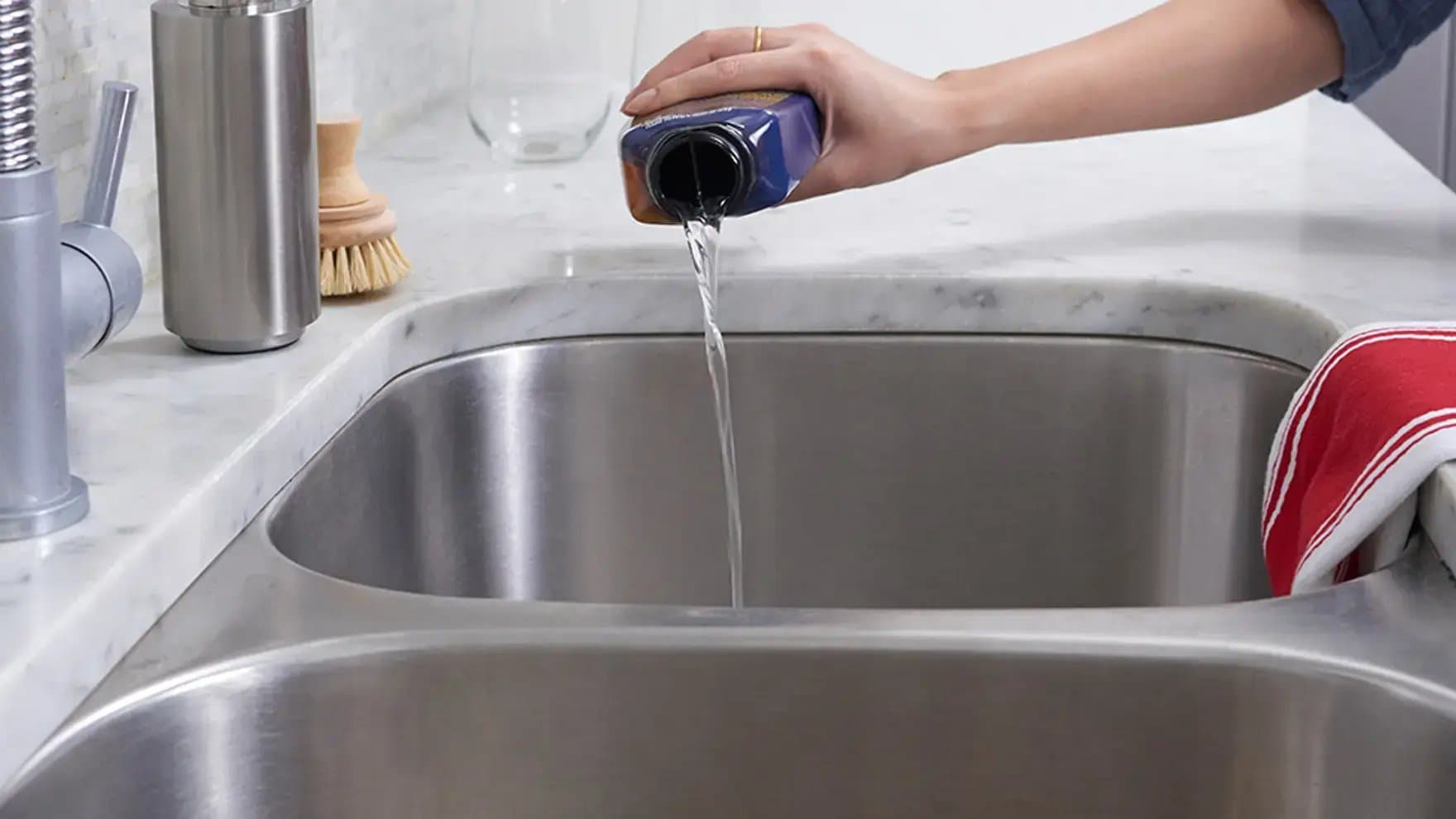
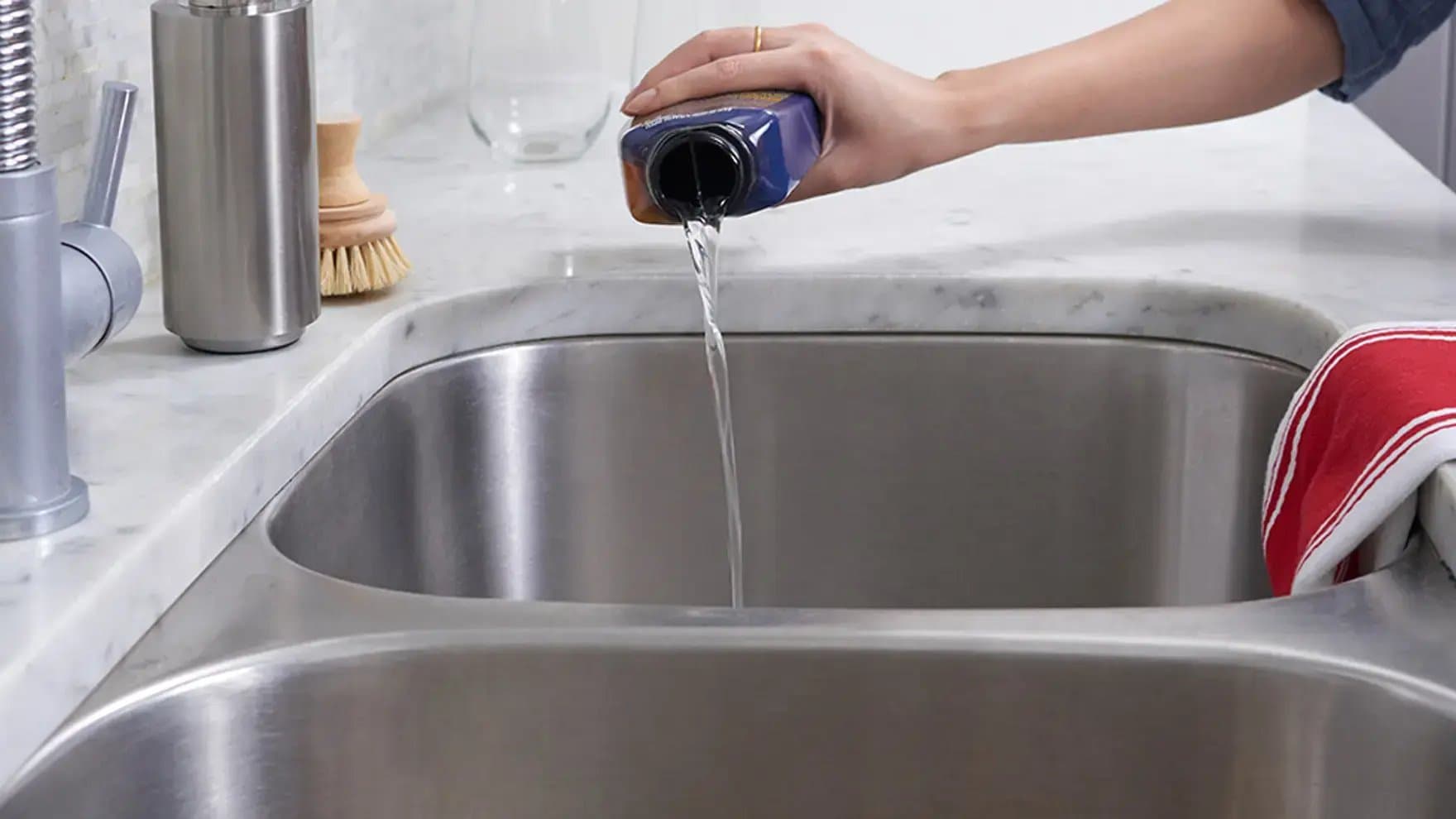
Measure half a cup of baking soda and pour it into the drain. Follow with one cup of vinegar. The mixture will bubble, breaking down the clog.
Pouring The Mixture
Slowly pour the baking soda and vinegar into the sink drain. Make sure to cover the entire opening. This helps the solution reach the clog directly.
Letting The Mixture Sit
Allow the mixture to sit for 15 minutes. This gives it time to break down grease and residue. You may notice fizzing, a sign it’s working.
Flushing With Hot Water
After the mixture has settled, boil a pot of water. Carefully pour the hot water down the drain. The heat will flush away loosened debris.
Alternative Methods
Clogged kitchen sinks are frustrating. Baking soda is a great natural solution. There are alternative methods that use baking soda effectively. These methods are simple and use common kitchen items. Explore different combinations for the best results.
Using Salt And Baking Soda
Salt works wonders with baking soda. It helps break down tough clogs. Mix equal parts salt and baking soda. Use about half a cup each. Pour this mixture down the drain. Let it sit for a few hours. The combination works to dissolve debris. Follow with boiling water to flush the drain.
Baking Soda And Lemon Juice
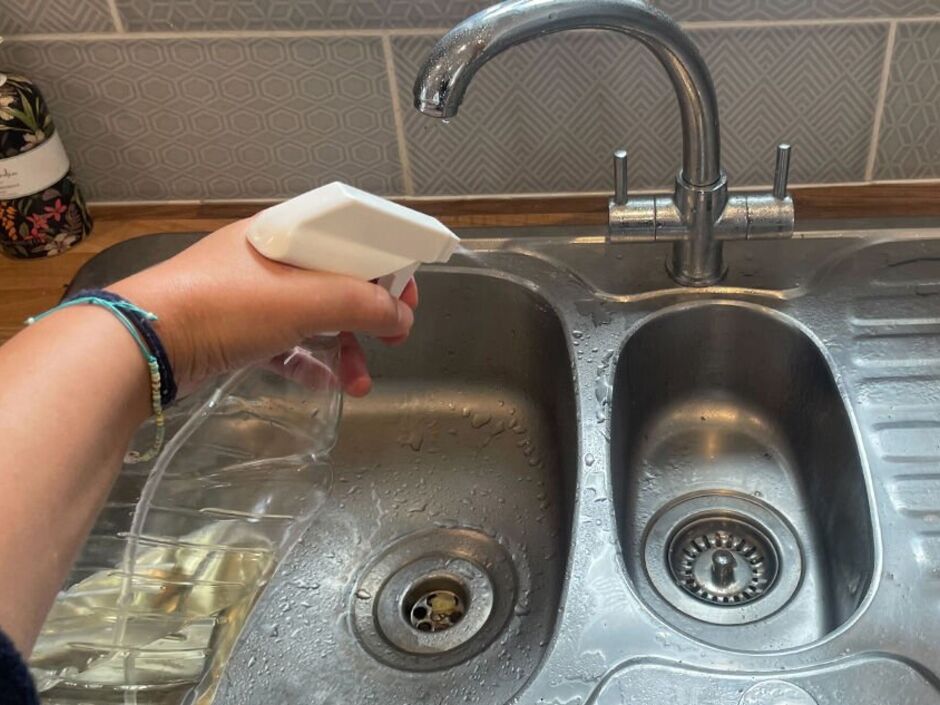
Lemon juice is a natural cleaner. It pairs well with baking soda. The acidity helps break down clogs. Mix half a cup of baking soda with half a cup of lemon juice. Pour the mixture down the drain. Wait for the fizzing to stop. It means the clog is being broken down. Rinse with hot water to clear the drain.
Credit: www.rd.com
Preventing Future Clogs
Preventing future clogs involves regular maintenance with baking soda. Sprinkle baking soda into the sink drain weekly. Follow with hot water to keep pipes clear.
Preventing future clogs in your kitchen sink can save time and stress. It helps maintain a smooth-running kitchen. Understanding simple maintenance tips and knowing what to avoid is key.Regular Maintenance Tips
Regular maintenance keeps your drains clear and healthy. Once a week, flush the drain with hot water. This helps remove grease buildup. Use a mixture of baking soda and vinegar monthly. Pour half a cup of baking soda, then a cup of vinegar. Let it fizz for a few minutes. Rinse with hot water. This natural method keeps your pipes fresh.Items To Avoid In The Drain
Be mindful of what goes down the drain. Avoid putting coffee grounds in the sink. They clump together and cause blockages. Do not pour grease or oil down the drain. They harden and create clogs. Avoid fibrous foods like celery and potato peels. They can tangle and block the pipes. Disposing of these items properly helps prevent future issues.When To Call A Professional
Unclogging a kitchen sink with baking soda is often a simple task. Sometimes, the problem might be bigger than a DIY solution. Knowing when to call a professional can save time and prevent further damage.
Persistent Clogs
If the sink remains clogged after using baking soda, it might be a sign of a deeper issue. Persistent clogs might indicate a blockage further down the pipes.
Foul Odors
Strong, unpleasant smells may suggest a problem beyond simple food residue. These odors can signal trapped waste or a broken pipe.
Slow Drainage
Water draining slowly despite cleaning efforts can point to serious plumbing concerns. This may require specialized equipment to address.
Frequent Blockages
If clogs happen often, it may be time to seek professional help. Repeated blockages suggest underlying issues that need expert evaluation.
Water Backflow
Water coming back into the sink indicates major plumbing problems. This could be due to improper pipe alignment or severe blockages.
Leaking Pipes
Leaks around the sink or under it require immediate attention. A professional can assess and repair any damaged or misaligned pipes.
- Persistent clogs
- Foul odors
- Slow drainage
- Frequent blockages
- Water backflow
- Leaking pipes
Credit: www.instagram.com
Frequently Asked Questions
Is It Safe To Use Baking Soda To Unclog A Sink?
Yes, it’s safe to use baking soda to unclog a sink. Combine it with vinegar for effective results. This natural solution can break down mild clogs without harsh chemicals. Ensure you rinse with hot water afterward to clear debris. Avoid using it for severe blockages, as it may not be effective.
What Is The Best Way To Unclog A Kitchen Sink?
Use a plunger to create suction and dislodge the clog. Pour a mixture of baking soda and vinegar, then flush with hot water. For stubborn clogs, use a plumber’s snake. Regularly clean your sink to prevent future clogs.
How Long Does It Take Vinegar And Baking Soda To Unclog A Sink?
Vinegar and baking soda can unclog a sink in 30 minutes to an hour. Start by pouring boiling water, then add baking soda followed by vinegar. Let it fizz and sit before flushing with hot water again. Repeat if necessary for stubborn clogs.
What Is The Best Homemade Drain Cleaner?
A mix of baking soda and vinegar is an effective homemade drain cleaner. Pour half a cup of baking soda, followed by half a cup of vinegar down the drain. Let it sit for 15 minutes, then flush with hot water.
This solution unclogs drains naturally and safely.
Conclusion
Baking soda can effectively unclog your kitchen sink. It’s simple and safe. Follow our steps for best results. Start by pouring hot water down the drain. Then add baking soda and vinegar. Let it fizz and wait. Finish with more hot water.
Your sink should flow freely now. Baking soda is a natural cleaner. It helps maintain pipes and prevents clogs. Try this method regularly. Keep your kitchen running smoothly. Avoid harsh chemicals and protect the environment. A clean sink makes cooking easier.
Enjoy your unclogged sink and stress-free kitchen time!

Similar Posts