How to Sharpen Kitchen Knife With Whetstone: Expert Tips
Ever found yourself struggling with a dull kitchen knife that just won’t cooperate? You’re not alone.
A sharp knife is not only essential for efficient cooking, but it also makes the entire process more enjoyable and less dangerous. If you’ve been wondering how to bring your blade back to its former glory, you’ve come to the right place.
Learning how to sharpen a kitchen knife with a whetstone might seem daunting at first, but with the right guidance, you’ll find it’s a skill that’s both rewarding and surprisingly simple. Imagine slicing through a ripe tomato with ease, or carving a roast with precision. With a sharp knife, these tasks become effortless. In this guide, you’ll discover step-by-step instructions that will transform your dull knives into razor-sharp tools. You’ll gain the confidence to tackle any culinary challenge with precision and ease. So, if you’re ready to elevate your kitchen game and unlock the full potential of your cooking tools, keep reading. Your path to mastering the art of sharpening a knife with a whetstone starts here.
Choosing The Right Whetstone
Choosing the right whetstone is crucial for sharpening kitchen knives effectively. A whetstone is a tool used to grind and polish edges, offering precision and control. To achieve the best sharpening results, understanding different types of whetstones and their grit levels is essential.
Types Of Whetstones
Whetstones come in various types, each serving specific needs. Natural stones are traditional and offer a unique sharpening experience. They are often softer and require more maintenance. Synthetic stones are widely used for their consistency and durability. They offer a uniform grit and are easier to care for. Diamond stones are robust and efficient, ideal for tough blades. They remove material quickly and maintain their shape.
Selecting The Correct Grit
Grit refers to the size of the abrasive particles on the stone. It determines how much material the stone removes. Coarse grit stones, usually 200-800, are for repairing and reshaping blades. Medium grit stones, ranging from 1000 to 3000, are for regular sharpening. They provide a sharp edge without removing too much metal. Fine grit stones, 4000 and above, are for polishing and refining. They give a razor-sharp finish to the blade.
Credit: www.shanzuchef.com
Preparing The Whetstone
Preparing the Whetstone Soak the whetstone in water for about 10 minutes. This ensures the stone stays lubricated during sharpening. Proper preparation prevents damage and provides a smoother sharpening experience.
Preparing the whetstone is crucial for effective knife sharpening. A well-prepared whetstone ensures a smooth sharpening process and better results. Follow these steps to get your whetstone ready for action.Soaking The Whetstone
Begin by soaking the whetstone in water. Submerge the stone completely. Let it soak for about 10 to 15 minutes. This allows the stone to absorb enough water. You’ll know it’s ready when air bubbles stop rising. A well-soaked whetstone prevents friction during sharpening.Setting Up Your Workspace
Choose a stable, flat surface for your workspace. Ensure it has ample lighting. Place a damp cloth or towel under the whetstone. This keeps it from slipping. Keep a cup of water nearby to wet the stone as needed. Arrange everything within easy reach. This setup promotes safety and efficiency.Proper Knife Positioning
Proper knife positioning is crucial for effective sharpening with a whetstone. Understanding the right techniques ensures your knife blade stays sharp and functional. This section delves into the essential aspects of positioning your knife correctly.
Determining The Sharpening Angle
The sharpening angle impacts how efficiently the knife cuts. Most kitchen knives require a 15-20 degree angle. This angle provides a balance between sharpness and durability. To find this angle, imagine half of a right angle. Place the blade at this inclination against the stone.
Maintaining Consistent Pressure
Consistent pressure is key for an even edge. Apply gentle, steady force as you slide the knife. Avoid pressing too hard, as it may damage the blade. Use the same pressure from heel to tip for uniform sharpness. Practice helps in developing the right touch.
Sharpening Techniques
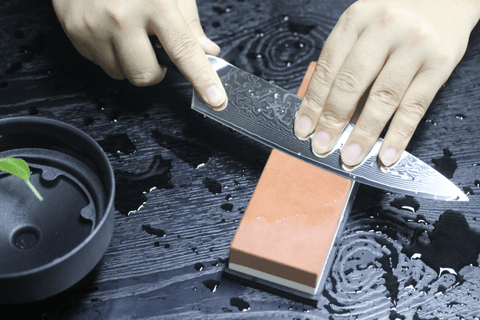
Sharpening kitchen knives with a whetstone ensures precision cutting. First, soak the whetstone in water. Then, glide the knife over the stone at a 20-degree angle, alternating sides. This technique keeps blades sharp and efficient for daily cooking tasks.
Sharpening your kitchen knife with a whetstone can elevate your cooking experience. Mastering the right techniques makes all the difference in achieving a razor-sharp edge. Whether you are a seasoned chef or a home cook, understanding these methods will help you maintain your knife’s performance.The Forward Strokes Method
This technique involves pushing your knife forward over the whetstone. Hold the knife at a consistent angle, usually around 15-20 degrees. Use steady pressure and let the blade glide smoothly across the stone. Imagine slicing a thin layer off the whetstone. You’ll want to maintain a consistent angle throughout each stroke. This method is ideal for ensuring even sharpening across the blade.The Circular Motion Technique
Circular motions offer a different approach to sharpening. With this technique, you move the knife in small circles over the stone. The benefit here is increased control and even pressure. Keep the angle steady, just like in the forward strokes. A gentle touch is key to avoid over-sharpening. This technique is particularly useful for honing intricate parts of the blade. Choosing between these techniques might depend on your comfort and the blade’s condition. Which method will you try first? Consider your knife’s needs and start refining your skills.Checking Blade Sharpness
Testing a knife’s sharpness ensures effective cutting. Slide a paper along the blade; it should slice cleanly. A dull edge needs sharpening with a whetstone for optimal performance.
Checking the sharpness of your kitchen knife is crucial before you begin slicing and dicing. Knowing how to test the blade can save you from a lot of frustration and ensure your culinary creations are as precise as possible. But how do you know if your knife is sharp enough? Let’s dive into two simple methods to check your knife’s sharpness after using a whetstone.Paper Test
One of the easiest ways to check the sharpness is the paper test. Take a regular sheet of paper, hold it by one edge, and try slicing through it with your knife. A sharp blade should cut smoothly with minimal effort. If the knife snags or tears the paper, it’s a sign that further sharpening might be needed. This test is not just about whether the paper cuts; it’s about how it feels. Does your knife glide effortlessly, or does it need a bit of elbow grease?Visual Inspection
Visual inspection is another straightforward method. Hold your knife up to a light source and look closely at the edge. A sharp blade should have a uniform, smooth edge without visible nicks or dents. Reflective spots on the blade can indicate dull areas. These spots are where the light catches on flat sections, showing you exactly where the blade needs more attention. Ask yourself: does the blade look pristine, or can you see imperfections? A keen eye can spot areas that need a little more work on the whetstone.
Credit: seidoknives.com
Finishing Touches
Achieve precision by mastering the art of sharpening a kitchen knife with a whetstone. Start by soaking the whetstone in water for effective results. Then, glide the knife blade across the stone at a consistent angle for sharpness.
Finishing touches are vital to completing the process of sharpening your kitchen knife with a whetstone. It’s like putting the final brushstroke on a masterpiece. You’ve done the hard work, but these last steps ensure your knife is not only sharp but also ready for the next culinary adventure.Cleaning The Knife
After sharpening, your knife may have small metal particles or residue. This is normal but needs addressing. Rinse the blade under warm water, using a soft sponge and mild dish soap to remove debris. Dry the knife thoroughly with a clean cloth to prevent rust. A wet blade can quickly lead to corrosion, which undoes all your hard work.Storing The Whetstone
Proper storage of your whetstone is essential for its longevity. Ensure it is completely dry before putting it away. A damp whetstone can harbor bacteria or mold, which are not only unpleasant but also harmful. Store it in a cool, dry place, ideally in its original box or a dedicated case. Consider how you store your whetstone. Is it easily accessible for the next sharpening session? A well-organized kitchen saves time and energy. These finishing touches ensure both your knife and whetstone remain in top condition, ready for the next use. Have you ever noticed the difference a well-maintained knife makes in your cooking experience?Common Mistakes To Avoid
Neglecting proper angle can dull the blade. Applying too much pressure may damage the knife. Forgetting to lubricate the whetstone can lead to scratches.
Sharpening a kitchen knife with a whetstone can transform your cooking experience. However, many people make common mistakes that can hinder the process. Avoiding these mistakes will ensure your knife remains sharp and effective. Let’s explore some pitfalls and how you can steer clear of them.Incorrect Angle
Finding the right angle for sharpening is crucial. A common mistake is using too steep or too shallow an angle. Both can dull your knife instead of sharpening it. Aim for about a 15 to 20-degree angle. Imagine slicing through a stack of paper at an angle—it’s precise, not exaggerated. Pay attention to consistency; maintaining the same angle throughout is key. Experiment with different angles on a less valuable knife to see the impact. This way, you won’t risk damaging your favorite kitchen tool.Uneven Pressure
Applying uneven pressure is another trap many fall into. Pressing too hard or too lightly can lead to an uneven edge. Balance is essential. Picture the process like smoothing out a rough surface—you need uniform pressure for a seamless finish. Try using your non-dominant hand to stabilize the knife while your dominant hand controls the pressure. This dual approach might surprise you with how much more control it offers. Remember, practice makes perfect. What’s one mistake you’ve learned to avoid when sharpening your knives?
Credit: www.youtube.com
Maintenance Tips
Maintaining a sharp kitchen knife is essential for safety and efficiency. A dull knife can slip and cause accidents. Proper maintenance extends the life of your knife. Here are some practical tips to keep your knives in top shape.
Regular Sharpening Schedule
Sharpen your knives regularly. This keeps them effective and safe. A whetstone is a great tool for this. Use it every few months for best results. Sharpening too often can wear the blade. But don’t let it get too dull either. Find a balance that suits your cooking habits.
Proper Knife Storage
Store knives correctly to maintain their edge. A knife block or magnetic strip works well. Avoid throwing them in a drawer. This can cause nicks and dull the blade. Keep knives dry to prevent rust. Moisture damages the metal over time.
Frequently Asked Questions
How Do You Sharpen A Knife With A Whetstone For Beginners?
Start by soaking the whetstone in water for 10 minutes. Hold the knife at a 20-degree angle. Slide the blade across the stone, applying even pressure. Repeat on the other side. Alternate strokes until sharp. Clean the knife and whetstone after sharpening.
Practice regularly for better results.
What Is A Common Mistake When Sharpening A Knife?
A common mistake when sharpening a knife is applying too much pressure. This can damage the blade. Use a consistent angle to maintain the edge. Avoid using improper sharpening tools. Always ensure the stone or tool is well-lubricated to prevent metal fatigue.
Is It Better To Use A Whetstone Wet Or Dry?
Using a whetstone wet is better for sharpening. Water or oil reduces friction, prevents overheating, and removes debris. This enhances the sharpening process and protects the blade. Dry use can lead to uneven sharpening and damage. Wet whetstones ensure a smoother, more effective sharpening experience.
What Is The Best Method For Sharpening Kitchen Knives?
The best method for sharpening kitchen knives is using a whetstone. It provides precision and maintains the blade’s edge. Start with a coarse grit, then progress to a finer grit. Keep a consistent angle while sharpening. Regular maintenance ensures sharpness and prolongs the knife’s lifespan.
Conclusion
Sharpening a kitchen knife with a whetstone is simple. It requires patience and practice. Start with a coarse grit. Move to a finer grit. Use consistent strokes. Maintain a steady angle. This keeps your knife sharp. A sharp knife cuts better.
It is safer and more efficient. Clean the whetstone after use. Store your knife properly. Regular sharpening extends its life. Your kitchen tasks become easier. Enjoy cooking with sharper tools. This skill saves time. Plus, it ensures precision. Now, grab your whetstone.
Keep those knives sharp!