What Degree is the Average Kitchen Knife: Expert Insights
Executive Chef & Lead Commercial Kitchen Specialist at Daily Kitchup Test Lab
Have you ever wondered why some kitchen knives slice through tomatoes like butter while others squash them into a juicy mess? The secret often lies in the angle of the knife’s blade.
Knowing what degree is the average kitchen knife can make all the difference in your cooking experience. Imagine effortlessly dicing vegetables, slicing meats, and even tackling that tricky pineapple without a struggle. This article will uncover the ideal blade angle for your kitchen adventures, empowering you to choose the perfect knife for your culinary needs.
Stay with us, and you might just unlock the secret to transforming your cooking skills from ordinary to extraordinary.

Credit: www.amazon.com
Blade Angles In Kitchen Knives
Most kitchen knives have a blade angle between 15 to 20 degrees. This angle balances sharpness and durability. It suits everyday cooking tasks, ensuring efficient slicing and dicing.
Blade angles in kitchen knives can significantly impact your cooking experience. You might not think about it much when slicing through vegetables or meat, but the angle of a knife’s blade determines how easily it cuts and how often you’ll need to sharpen it. Different angles are suited for different tasks, and knowing which angle works best for your needs can make cooking more efficient and enjoyable.Understanding The Basics Of Blade Angles
Blade angles typically range between 15 to 20 degrees for most kitchen knives. This range is perfect for achieving a balance between sharpness and durability. A lower angle offers a sharper edge, ideal for precision tasks like slicing fish for sushi. Higher angles provide more durability, suited for chopping tougher ingredients like root vegetables.Comparing Western And Japanese Knife Angles
Western knives usually have a blade angle of about 20 degrees. This makes them versatile and robust, perfect for everyday tasks in your kitchen. Japanese knives, on the other hand, often feature angles between 15 to 17 degrees. These are sharper and are favored for tasks requiring precision, such as thinly slicing raw fish.How Blade Angles Affect Sharpening
A sharper angle requires more frequent sharpening. If you choose a knife with a lower blade angle, expect to sharpen it often to maintain its efficiency. You might find yourself honing your knife weekly if you use it daily. A higher angle reduces the sharpening frequency, saving you time and effort.Choosing The Right Blade Angle For Your Cooking Style
Consider your cooking style before settling on a blade angle. If you often cook dishes that require intricate slicing, a knife with a lower angle could be your best ally. For more robust tasks like chopping and dicing, a higher angle might be more suitable. Think about your favorite recipes and how often you prepare them.Personal Experience: Finding The Perfect Blade Angle
I once struggled with a dull knife while preparing a big meal. Switching to a knife with a 17-degree angle made a noticeable difference. It sliced through tomatoes effortlessly, and the smooth cuts improved the presentation of my dish. This experience taught me the importance of matching the knife angle to the task at hand. Have you found your perfect blade angle yet?
Credit: store.177milkstreet.com
Common Knife Degrees
Kitchen knives usually have a blade angle of 15 to 20 degrees. This degree offers a good balance of sharpness and durability, making it ideal for everyday cooking tasks.
Understanding the angle of a kitchen knife is crucial. It determines how a knife performs. The angle, or bevel, impacts sharpness and durability. Different knives have varied angles based on their purpose. Let’s explore common knife degrees.Western Knives
Western knives often have a bevel angle between 20 and 22 degrees. This angle balances sharpness and strength. It suits cutting through tougher materials. These knives are ideal for general kitchen tasks.Asian Knives
Asian knives typically have a sharper angle, around 15 degrees. This angle allows for finer, more precise cuts. It is perfect for slicing vegetables and fish. The sharper angle requires more frequent sharpening. But it delivers exceptional cutting performance.Factors Affecting Blade Angle
The angle of a kitchen knife blade is crucial for its performance, influencing how effectively it slices, dices, and chops. Several factors determine the ideal blade angle, ensuring your culinary tasks are a breeze and your cutting experience is optimized. Let’s dive into the specifics.
Material Composition
The type of steel or material used in crafting a knife plays a significant role in determining its blade angle. Harder materials can maintain a sharper edge at a more acute angle, enhancing precision. However, this might compromise durability, as sharper edges are more prone to chipping.
If you’ve ever used a ceramic knife, you know its edge is incredibly sharp. But you also know it requires careful handling. On the other hand, softer steel allows for more forgiving angles, ensuring longevity but sacrificing sharpness.
Intended Use
The purpose of the knife greatly affects its blade angle. A chef’s knife, designed for versatility, typically has a moderate angle, balancing sharpness and durability for varied tasks. Think about how often you switch from chopping vegetables to slicing meat.
Specialized knives, like filleting knives, usually have a sharper angle to facilitate precise cuts. If you’re serious about sushi or delicate fish prep, this can make a noticeable difference. It’s all about matching the tool to the task at hand.
Reflect on your cooking habits. Are you more of a veggie chopper or a meat slicer? The answer might just influence your next knife purchase.
Credit: misen.com
Pros And Cons Of Different Angles
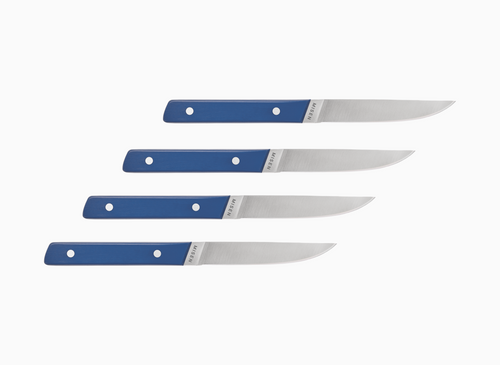
Kitchen knives vary in blade angles, typically ranging from 15 to 20 degrees. A sharper angle, like 15 degrees, offers precision but may dull quickly. Meanwhile, 20 degrees provide durability but less sharpness. Choosing the right angle depends on cutting needs and maintenance preferences.
Choosing the right angle for your kitchen knife can significantly impact its performance. The angle determines how sharp the blade can be and how long it will retain that sharpness. Each angle has its unique set of advantages and drawbacks. Understanding these can help you make an informed decision on which is best suited for your kitchen needs.Sharpness And Durability
A sharper edge usually means a narrower angle. For example, a 15-degree angle is sharper than a 20-degree angle. This increased sharpness can make slicing through vegetables or filleting fish effortless. However, the sharper the angle, the less durable the edge tends to be. A 15-degree edge may need more frequent sharpening, especially if you’re cutting through tougher materials. On the other hand, a 20-degree angle offers more durability. It withstands regular wear and tear better, making it a great choice for everyday chopping. But you might find it slightly less sharp compared to a narrower angle. Which is more important to you: a razor-sharp edge or one that stands the test of time?Ease Of Maintenance
Maintaining your knife’s edge depends largely on its angle. A smaller angle like 15 degrees requires more frequent sharpening. This can be a daunting task if you’re not familiar with sharpening techniques. However, regular maintenance ensures your knife is always in top condition. A wider angle, such as 20 degrees, is generally easier to maintain. It doesn’t require sharpening as often, making it suitable for those who prefer less upkeep. But when it does need sharpening, it can be a more straightforward process. Consider how much time and effort you’re willing to invest in maintaining your knives. Ultimately, the choice of angle should align with your cooking habits and maintenance preferences. What angle fits into your kitchen routine?Choosing The Right Knife Angle
The average kitchen knife often has a blade angle between 15 to 20 degrees. This degree offers a balance of sharpness and durability, ideal for everyday cutting tasks. Choosing the right knife angle enhances precision and efficiency in food preparation.
Choosing the right angle for your kitchen knife can significantly impact your cooking experience. The angle of a knife determines how sharp it is and how well it cuts through different ingredients. A sharper angle, like 15 degrees, is excellent for precision but might require more frequent sharpening. A broader angle, around 20 degrees, offers durability and is ideal for tougher ingredients. Understanding what angle suits your cooking style and personal preference will ensure you enjoy every slice and dice.Cooking Style Considerations
Your cooking style plays a crucial role in choosing the knife angle. If you often prepare delicate dishes like sushi or thinly sliced vegetables, a sharper 15-degree angle can offer the precision you need. On the other hand, if you frequently work with robust ingredients like squash or chicken bones, a 20-degree angle will provide the strength and durability required. Think about the types of meals you cook most often. Are you a fan of quick stir-fries or elaborate gourmet dishes? Your typical recipes can guide you in selecting the right knife angle.Personal Preference
Your personal comfort with a knife is equally important. Some people prefer the feel of a sharper knife gliding effortlessly through ingredients. Others might find the resilience of a slightly blunter edge more reassuring. Consider how often you’re willing to sharpen your knives. A sharper angle requires more maintenance, while a broader angle stays serviceable longer. Reflect on your habits and how much time you want to invest in upkeep. Are you someone who values precision over durability, or do you lean towards ease of maintenance? Your answers can help pinpoint the ideal knife angle for you.Expert Tips For Knife Maintenance
Your kitchen knives are among the most essential tools in your cooking arsenal. Maintaining them properly ensures they remain sharp, safe, and effective. While you might have a favorite knife, keeping all your knives in peak condition can transform your culinary experience. Dive into these expert tips for knife maintenance to ensure your blades are always ready for action.
Sharpening Techniques
Keeping your knife sharp is crucial for effortless slicing and dicing. A dull knife not only makes cooking more difficult but can also be dangerous. Regular sharpening maintains the blade’s edge, giving you precision control.
- Use a whetstone:This traditional method allows you to control the sharpening angle. Start with a coarse grit and finish with a finer one for a razor-sharp edge.
- Try a honing steel:Contrary to popular belief, honing doesn’t sharpen but aligns the blade’s edge. Use this tool frequently to maintain your knife’s sharpness between sharpening sessions.
- Electric sharpeners:These are convenient for those who prefer a quick fix. Ensure you choose a model that suits your knife type to avoid over-sharpening.
Storage Solutions
Proper storage prevents unnecessary wear and tear on your knives. Tossing them in a drawer can dull the blades and lead to accidents.
- Magnetic strips:These keep knives within reach and display them neatly. Ensure they’re mounted securely to prevent falls.
- Knife blocks:Classic and functional, knife blocks protect your blades. Keep them clean to prevent germs from settling in.
- Drawer inserts:Custom inserts provide safe storage and prevent blades from clashing. Measure your drawer first to find the perfect fit.
Have you ever noticed how much easier cooking becomes with a well-maintained knife? It’s not just about sharpness; it’s about confidence in your tools. How will you upgrade your knife maintenance routine today?
Frequently Asked Questions
What Degree Are Most Kitchen Knives?
Most kitchen knives have a blade angle between 15 and 20 degrees. Japanese knives often have a sharper angle of around 15 degrees, while Western knives usually range from 20 to 22 degrees. The angle affects the knife’s sharpness and durability.
How Do I Know If My Knife Is 15 Or 20 Degrees?
Check the knife’s manual or manufacturer’s website for angle specifications. Use a knife angle guide or sharpener with angle settings to measure. Compare the edge visually with known angle references. Consult a professional if uncertain.
What Degree Is Best For Kitchen Knives?
The best angle for kitchen knives is typically 15 to 20 degrees. This range offers a balance of sharpness and durability. Western knives often use a 20-degree angle, while Japanese knives lean towards 15 degrees for precision. Always maintain the angle for optimal performance.
What Is The Standard Angle For A Knife?
Knife blades typically have a sharpening angle between 15 to 20 degrees. This angle ensures a balance between sharpness and durability. Kitchen knives often have a finer angle, while outdoor knives may have a wider angle for robustness. Adjust the angle based on your specific knife needs.
Conclusion
Understanding kitchen knife angles helps in choosing the right tool. Most knives have a blade angle between 15 to 20 degrees. This angle provides a balance of sharpness and durability. Sharper angles cut easily but wear quickly. Wider angles last longer but may not slice as cleanly.
Knowing these angles can improve your cooking experience. It ensures efficient cutting and chopping. Always consider your cooking needs before buying. Choose wisely for a better kitchen experience. With the right knife, meal preparation becomes smoother and more enjoyable. Keep these tips in mind for better knife use.

Similar Posts