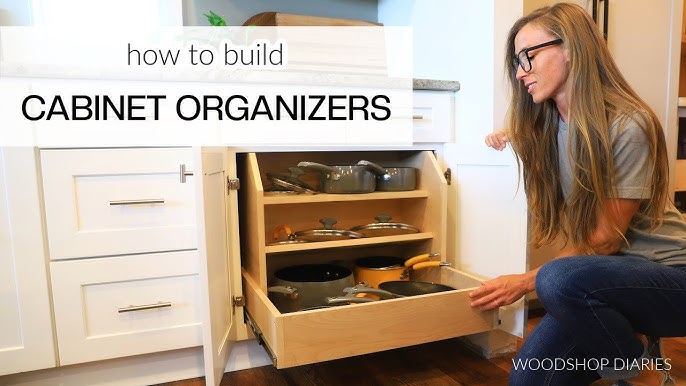
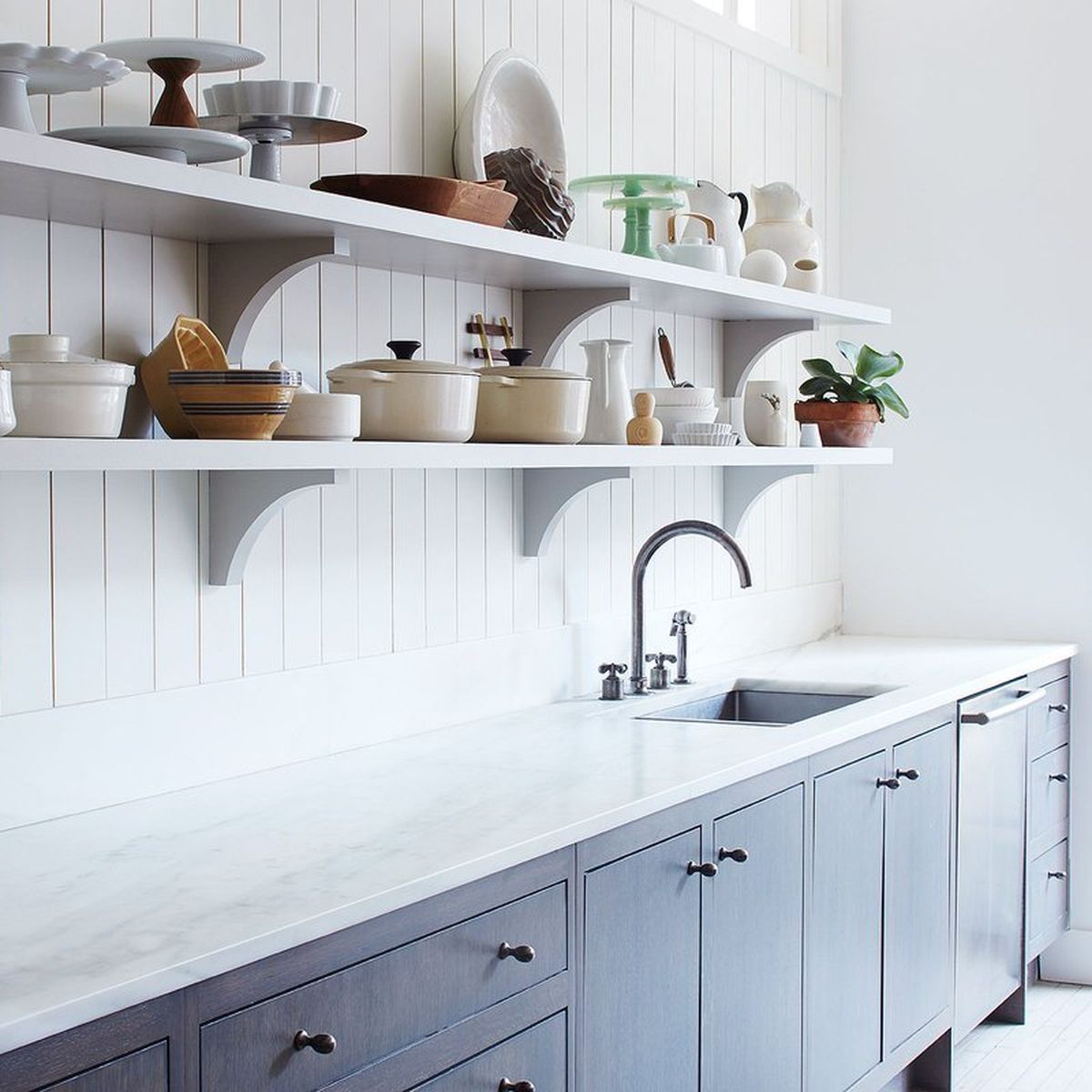
How to Paint Kitchen Cabinet Doors: Transform Your Space
Executive Chef & Lead Commercial Kitchen Specialist at Daily Kitchup Test Lab
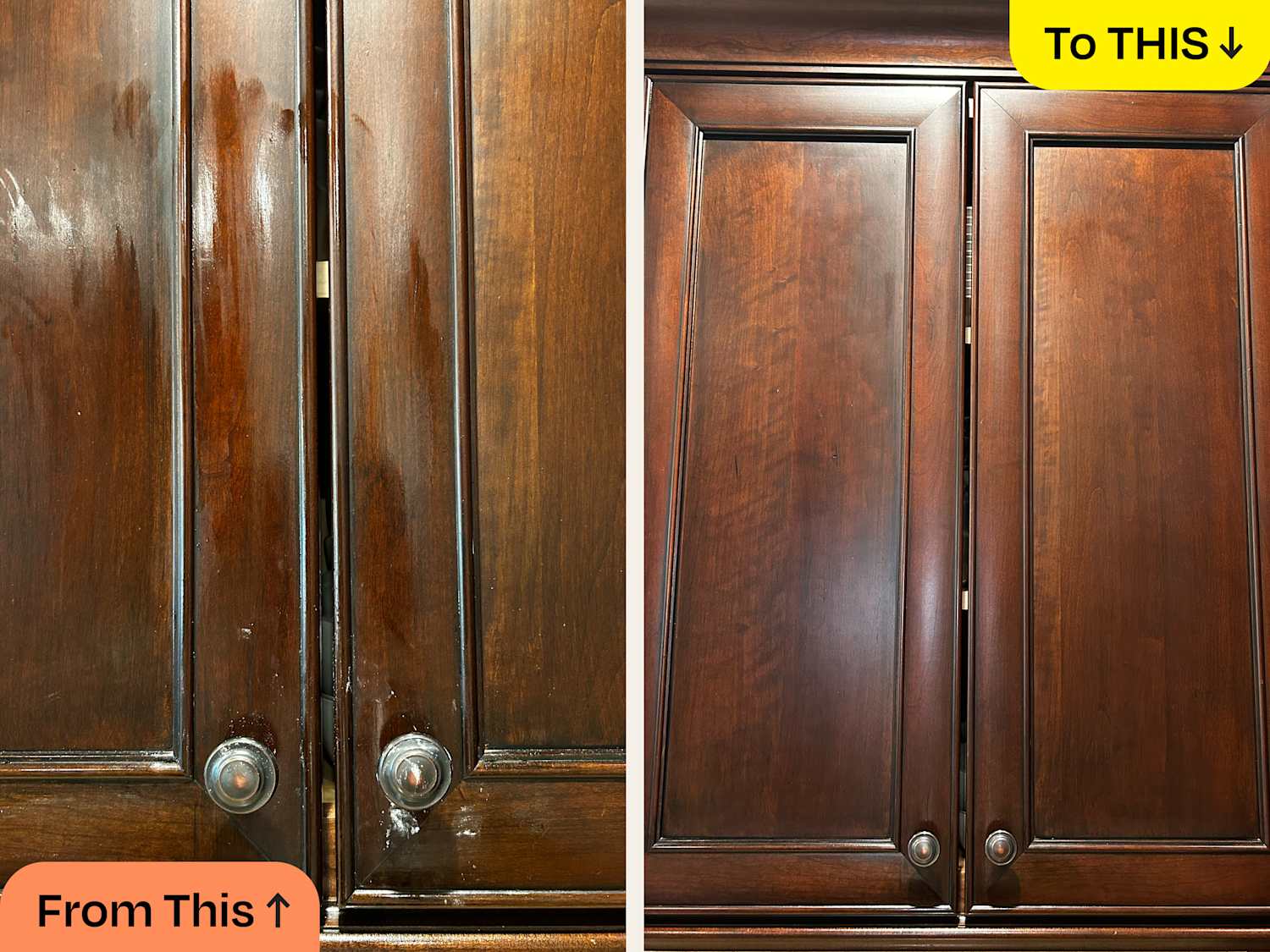
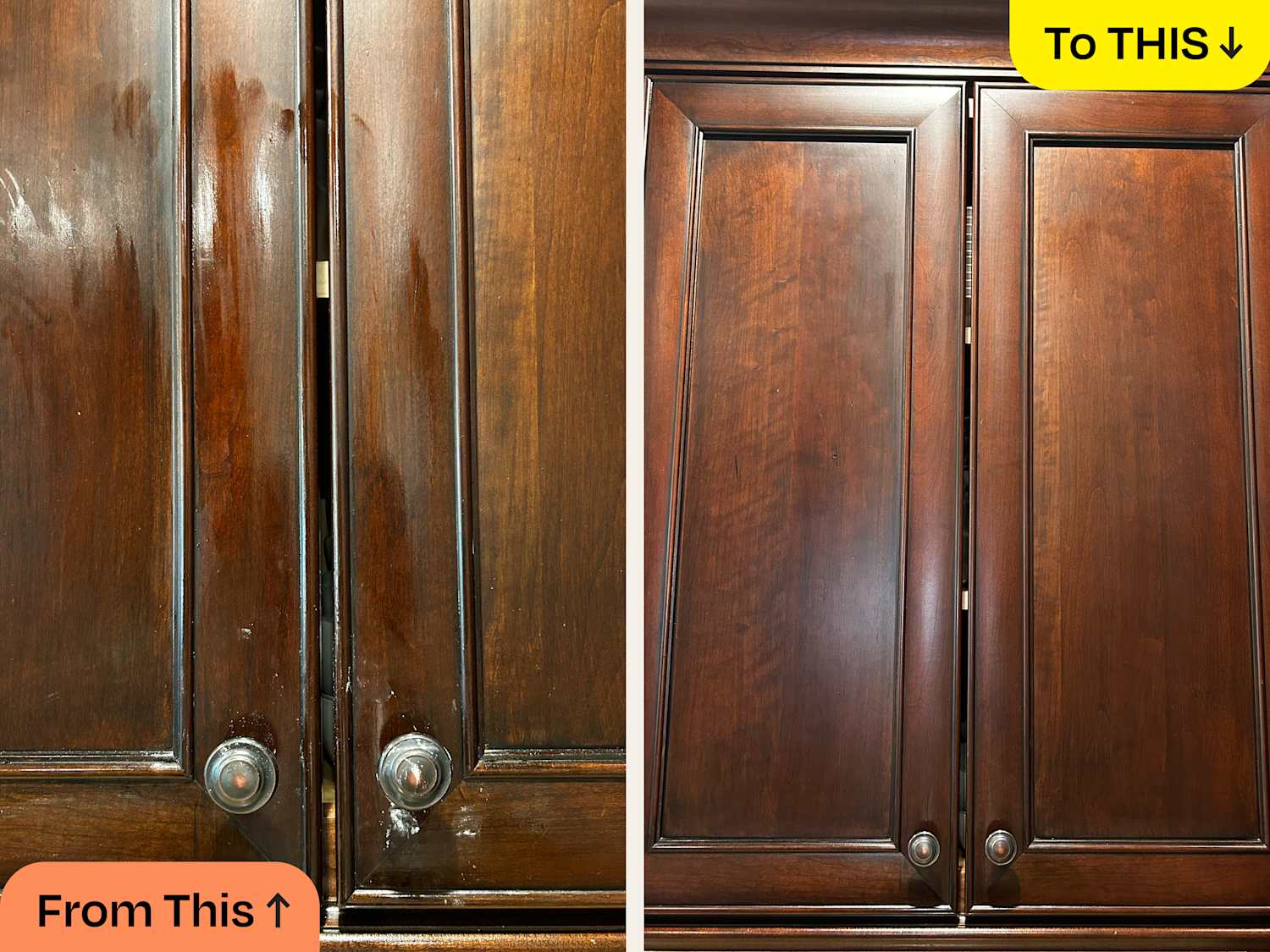
Are your kitchen cabinets looking a bit tired and outdated? You might be surprised by how a fresh coat of paint can completely transform your space.
Painting kitchen cabinet doors is a cost-effective way to breathe new life into your kitchen without the need for a complete remodel. Imagine walking into your kitchen and feeling a sense of pride and satisfaction with your revamped cabinets. You can achieve this transformation yourself, even if you’ve never picked up a paintbrush before.
Keep reading, and you’ll discover the simple steps to paint your kitchen cabinet doors like a pro. By the end, you’ll have the confidence and know-how to tackle this rewarding DIY project and give your kitchen the makeover it deserves.
Credit: www.tiktok.com
Choosing The Right Paint
Choosing the right paint for your kitchen cabinet doors can make all the difference between a professional-looking finish and a DIY disaster. The paint you select will not only affect the aesthetics but also the longevity and durability of your cabinets. Let’s explore the options to ensure you make the best choice for your kitchen transformation.
Types Of Paints
Different paints offer distinct advantages and disadvantages. Consider these popular options:
- Latex Paint:Known for its ease of use and quick drying time, latex paint is a favorite for DIYers. It offers a smooth finish but may not be as durable as other types.
- Oil-Based Paint:This paint is renowned for its durability and resistance to wear and tear. It’s perfect for high-traffic kitchens but requires more drying time and emits strong odors.
- Acrylic Paint:Combining the best of latex and oil-based paints, acrylic paint offers excellent durability and a wide range of finishes. It’s a versatile choice for kitchen cabinets.
What type of paint aligns with your needs and skill level? Consider how often your kitchen cabinets are used and the look you aim to achieve.
Color Selection
The color you choose can dramatically impact the mood and feel of your kitchen. Are you looking for a bright and airy space, or do you prefer a cozy and warm ambiance?
- Neutral Colors:Whites, grays, and beiges create a timeless look. They are versatile and complement any style.
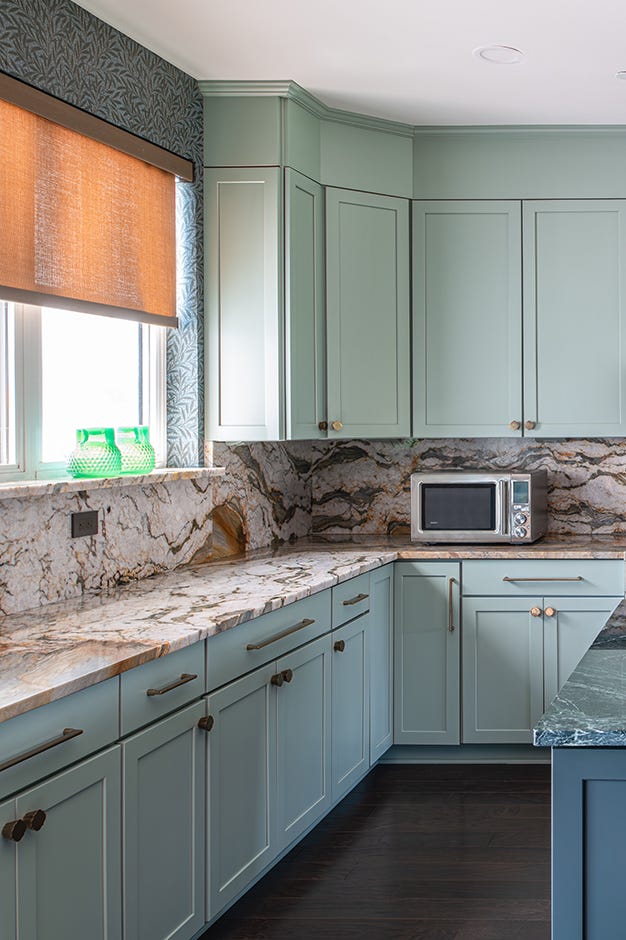
- Bold Colors:If you want to make a statement, consider deep blues or vibrant greens. These colors can add personality and character to your kitchen.
- Two-Tone Options:Mixing colors can add depth and interest. Try painting the upper cabinets one color and the lower another for a modern twist.
Imagine waking up each morning and stepping into a kitchen that truly reflects your personality. What color speaks to you and your lifestyle?
Choosing the right paint is more than just picking a shade off the shelf. It’s about envisioning how your kitchen will feel and function. With careful consideration, your cabinet doors can become the centerpiece of your culinary haven.
Credit: hanashappyhome.com
Gathering Essential Tools
Gather essential tools to paint kitchen cabinet doors smoothly and efficiently. Choose quality brushes, sandpaper, and primer. Ensure you have a durable paint suitable for cabinets.
When preparing to paint your kitchen cabinet doors, gathering the right tools is crucial for success. Proper tools not only make the job easier but also ensure a professional finish. Imagine saving time and energy by having everything you need at your fingertips.Brushes And Rollers
Choosing the right brushes and rollers can make or break your painting project. Opt for a high-quality brush with angled bristles for precision around edges and corners. For larger areas, a foam roller can help achieve a smooth, even coat without brush marks.Protective Gear
Safety is paramount when painting, so don’t overlook your protective gear. Wear old clothes and a pair of gloves to keep paint off your skin. A mask is essential to protect your lungs from fumes, especially in a confined space like a kitchen.Cleaning Supplies
Clean surfaces are key to a smooth finish, so arm yourself with effective cleaning supplies. A mild detergent mixed with water can remove grease and grime. Have a few clean cloths ready for drying and wiping away dust before you begin painting. What tools do you find essential for a smooth painting experience? Share your thoughts and tips in the comments!Preparing The Cabinet Doors
Begin by removing cabinet doors and hardware. Clean surfaces to eliminate grease and dirt. Sand gently for better paint adhesion.
Preparing the Cabinet Doors Revamping your kitchen cabinet doors can breathe new life into your space. But before you grab your paintbrush, it’s essential to prepare the doors properly. Skipping this step might lead to uneven paint or a finish that won’t last. Let’s dive into how you can get your cabinet doors ready for a stunning transformation.Removing The Doors
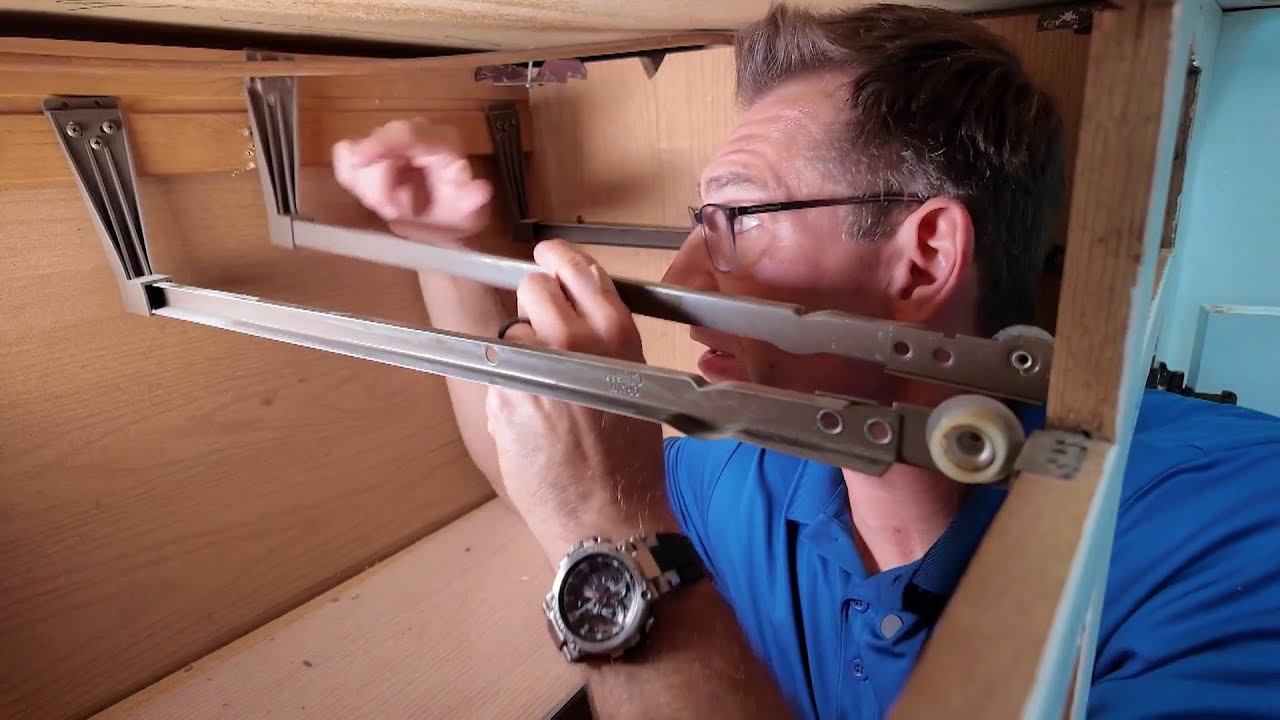
Begin by taking off the cabinet doors. Use a screwdriver to carefully unscrew the hinges. This makes painting more manageable and ensures you cover every inch without missing corners. Label each door and its corresponding hardware to avoid confusion later. Imagine the hassle of trying to remember which door belongs where!Cleaning And Sanding
Once the doors are off, give them a good cleaning. Use a mixture of warm water and mild detergent to wipe away grease and grime. A clean surface is crucial for the paint to adhere properly. After cleaning, it’s time to sand. Grab a fine-grit sandpaper and gently sand the surface of each door. This step removes any old finish and helps the new paint stick better. Pay special attention to areas with stubborn residue or glossy spots.Repairing Imperfections
Inspect the doors for any dents or scratches. Use wood filler to repair these imperfections. Simply apply the filler to the damaged area and let it dry. Once dry, sand the repaired spots to ensure a smooth surface. This attention to detail will make a significant difference in the final outcome. Isn’t it satisfying to know you’ve given your cabinet doors a solid foundation for a fresh coat of paint?Priming For A Smooth Finish
Priming is the secret ingredient to achieving a flawless finish on your kitchen cabinet doors. It’s the bridge between raw wood and the final coat of paint, ensuring smoothness and durability. Skipping this step could lead to uneven surfaces and peeling paint. Let’s dive into how you can prime your cabinet doors for that professional look.
Choosing The Right Primer
Not all primers are created equal. Your choice can significantly impact the outcome. Look for a primer specifically designed for kitchen cabinetry, often labeled as ‘high adhesion’ or ‘bonding primer’.
Consider the material of your cabinet doors. If they are wood, a water-based primer is usually the best choice. For laminate or other non-porous surfaces, an oil-based primer might be more effective.
Remember, the color of your primer matters too. For darker paints, opt for a tinted primer to reduce the number of topcoats needed.
Application Techniques
Application technique is critical for a smooth finish. Start by ensuring your workspace is clean and dust-free; this prevents particles from sticking to the primer.
Use a brush or roller suited for the type of primer you’re using. A foam roller is perfect for achieving a smooth surface without brush marks.
Apply the primer in thin layers. Thick coats can lead to drips and uneven surfaces. Let each coat dry fully before adding another.
Have you ever noticed small bumps after priming? Lightly sand the surface between coats with fine-grit sandpaper to ensure smoothness.
What’s your favorite priming tip? Share in the comments below and help others achieve a perfect finish!
Painting Techniques
Painting kitchen cabinet doors can refresh your kitchen’s look. Choosing the right painting technique is key. It impacts the finish and durability. Let’s explore some popular techniques.
Brushing Vs. Spraying
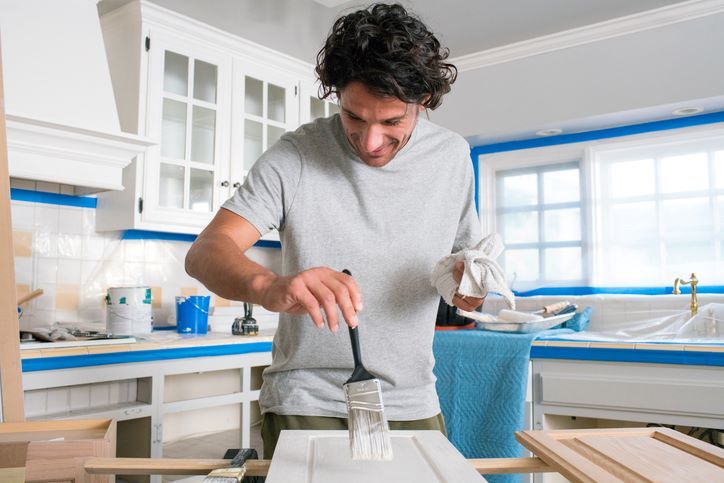
Brushing gives you more control. It’s great for small areas and intricate details. Use a high-quality brush for smooth strokes. Spraying, on the other hand, offers a flawless, even finish. It covers larger areas quickly. Sprayers require careful setup and cleanup. Both methods have pros and cons. Choose based on your comfort and project needs.
Applying Multiple Coats
Multiple coats ensure durability and vibrancy. The first coat acts as a base. It might not look perfect. Don’t worry. Let it dry completely. Then, apply a second coat for a richer color. You may need a third coat for a deep, uniform finish. Sand lightly between coats. This helps the paint adhere better. It also removes any imperfections.
Avoiding Common Mistakes
Preparation is crucial. Clean and sand the doors before painting. This ensures the paint sticks well. Don’t rush the drying time. It can lead to smudges and uneven surfaces. Use painter’s tape for clean edges. It prevents paint from bleeding onto other areas. Test your paint on a small section first. This helps you see the color and finish. Avoid overloading your brush or sprayer. Thin, even layers work best.
Credit: www.taubmans.com.au
Drying And Curing
Proper drying and curing ensure a smooth, lasting finish on kitchen cabinet doors. Allow painted surfaces to dry completely before handling. Curing takes longer, so avoid heavy use until the paint has fully set. This process prevents chips and extends the life of your painted cabinets.
Drying and curing are key steps in painting kitchen cabinet doors. Ensuring proper drying prevents smudges and imperfections. Proper curing enhances durability and finish quality. It is essential to follow best practices for these processes.Optimal Conditions
For drying and curing, a controlled environment is important. Ensure the room temperature is between 65°F and 75°F. This range helps paint dry evenly without cracking. Humidity levels should be around 50%. High humidity can slow down drying. Good ventilation is also crucial. It allows fumes to escape and speeds up drying. Use fans if necessary to maintain airflow.Timeframes To Consider
Drying times can vary depending on paint type. Water-based paints usually dry in 1-2 hours. Oil-based paints may take 6-8 hours. Curing takes longer, often a few days. Curing ensures the paint hardens completely. Avoid handling doors too soon. Waiting ensures a durable, long-lasting finish. Patience during this stage pays off in the end.Reinstalling The Doors
Reinstalling the kitchen cabinet doors after painting is crucial. Ensure the paint is dry and cured completely. Align hinges properly for smooth door operation.
Reinstalling your kitchen cabinet doors is like putting the final piece of a puzzle into place. It’s the moment where all your hard work starts to come together, transforming your kitchen into a refreshed, vibrant space. But to ensure everything fits perfectly, there are a few critical steps you need to follow.Hardware Reattachment
Begin by gathering all the hardware you removed earlier. This includes hinges, knobs, and screws. It’s a good idea to have a small container to keep these pieces organized during the project. Carefully reattach the hinges to the cabinet doors. Use a screwdriver to secure them firmly. Make sure the screws are tightened enough to hold the doors in place but not so tight that they damage the wood. Next, reattach the knobs or handles. Align them with the pre-drilled holes and fasten them securely. If you’re changing the hardware style, ensure the new pieces match the existing holes or be prepared to drill new ones.Ensuring Proper Alignment
Proper alignment is crucial to avoid doors that hang unevenly or rub against each other. Start by hanging the doors back on the cabinet frame. It’s usually easier with a second pair of hands to hold the door while you attach the hinges. Check that each door hangs straight. Use a level if necessary. Adjust the hinges slightly if you notice any misalignment. Finally, step back and open each door to ensure smooth operation. They should open and close without resistance or noise. If they don’t, consider adjusting the hinge screws or checking for obstructions. Reinstalling your cabinet doors is more than just a finishing touch—it’s the crowning moment of your project. How satisfying is it to see everything align perfectly, knowing you did it yourself?Maintaining The Finish
Regular cleaning keeps kitchen cabinet doors looking fresh. Use mild soap and water to wipe them gently. Avoid harsh chemicals to maintain the paint finish.
Maintaining the finish on your kitchen cabinet doors is essential. It keeps them looking fresh and vibrant. Regular care prevents the paint from chipping or fading. Follow these simple tips to preserve the beauty and longevity of your cabinets.Cleaning Tips
Dust often to remove dirt and grime. Use a soft cloth or microfiber towel. Avoid harsh chemicals that can damage the paint. Mild soap and warm water work best. Dry the surface completely to prevent water spots.Touch-up Strategies
Keep leftover paint for future touch-ups. Small scratches can be fixed with a tiny brush. For deeper chips, lightly sand the area before painting. Match the color perfectly for seamless blending. Regular touch-ups maintain a flawless finish.Frequently Asked Questions
What Is The Best Way To Paint Kitchen Cabinet Doors?
Clean and sand the cabinet doors thoroughly. Apply a primer to ensure paint adhesion. Use a high-quality paintbrush or spray for even coverage. Choose durable, moisture-resistant paint for kitchens. Allow sufficient drying time between coats. Finish with a protective clear coat for longevity.
Can I Just Paint Over My Kitchen Cabinets?
Yes, you can paint over kitchen cabinets. Clean and sand the surfaces first for better adhesion. Use a primer to ensure durability. Choose high-quality paint designed for cabinets to achieve a smooth finish. This process can refresh your kitchen’s look efficiently.
Is It Better To Roll Or Brush Paint Cabinets?
Rolling paint on cabinets provides a smooth finish and covers large areas quickly. Brushing allows for detailed work and edges. Use a combination of both for the best result. Consider the cabinet material and desired texture before deciding. Proper technique ensures even coverage and durability.
Do You Have To Sand Cabinet Doors Before Painting?
Yes, sanding cabinet doors before painting is recommended. It helps the paint adhere better and ensures a smooth finish. Use fine-grit sandpaper to remove old paint and rough spots. Clean the surface thoroughly afterward to remove dust and debris. Proper preparation leads to longer-lasting results.
Conclusion
Transforming your kitchen with painted cabinet doors is achievable. Follow simple steps for success. Clean thoroughly before painting. Prime for a lasting finish. Choose quality paint for vibrant color. Apply even coats for a smooth look. Let each layer dry completely.
Reattach doors carefully once done. This process can refresh your kitchen without a full remodel. A little effort yields great results. Enjoy your revamped space and admire your handiwork. Painting kitchen cabinets is a rewarding DIY project. Your refreshed kitchen awaits.
Happy painting!

Similar Posts