Why Does My Kitchen Sponge Smell: Tips to Freshen It
Have you ever walked into your kitchen and noticed a less-than-pleasant odor lingering in the air? You follow your nose and discover the culprit: your kitchen sponge.
That small, seemingly innocent cleaning tool has suddenly turned into a source of mystery and frustration. Why does it smell so bad, and what can you do about it? You’re not alone in this kitchen conundrum. Many people find themselves puzzled by their sponge’s sudden transformation from a helpful cleaning aid to a smelly nuisance.
But don’t worry—you’re about to uncover the secrets behind this common kitchen issue and learn how to keep your sponge fresh and odor-free. Let’s dive into the hidden world of kitchen sponges and discover what’s really going on beneath the surface.
Causes Of Smelly Sponges
Kitchen sponges are essential tools in every household. Unfortunately, they often develop unpleasant odors. Understanding the causes can help keep your sponge fresh and clean.
Bacterial Growth
Sponges are perfect breeding grounds for bacteria. The porous structure traps food particles and moisture. Bacteria thrive in damp environments. Over time, they multiply and produce foul odors.
Moisture Retention
Sponges absorb and hold water. This moisture remains trapped, creating ideal conditions for bacteria. Without proper drying, the sponge becomes a haven for germs and smells.
Food Particles And Residue
Small food particles often get trapped in sponges. These particles begin to decompose, leading to unpleasant smells. Residue from cleaning can also contribute to the problem. Regular rinsing is essential to prevent buildup.
:max_bytes(150000):strip_icc()/GettyImages-1425295065-f406affe0c904d83a5b948f2d8b2ebff.jpg)
Credit: www.realsimple.com
Signs Your Sponge Needs Attention
A kitchen sponge is a helpful tool, but it can become unhygienic. Recognizing signs of wear can prevent unwanted smells and bacteria. Here’s how to know when your sponge needs attention.
Unpleasant Odor
Does your sponge emit a foul smell? This is a clear sign of trapped bacteria. A strong odor means it’s time for a change. Frequent use leads to moisture retention, fostering bacterial growth. Regular washing can help, but persistent smells require replacement.
Visible Discoloration
Check for unusual stains or color changes. Sponges often change color due to food particles or grime. Discoloration indicates dirt and potential mold presence. A clean sponge should look fresh and vibrant.
Texture Changes
A sponge should be soft and pliable. If it feels slimy or rigid, it’s time to replace it. Texture changes signify bacterial buildup. A sponge that feels rough or hard may scratch surfaces and isn’t effective.
Effective Cleaning Methods
Kitchen sponges often develop unpleasant odors due to bacteria and food particles. Keeping them clean is essential for a fresh-smelling kitchen. Several effective cleaning methods can help eliminate odors and prolong the lifespan of your sponge.
Microwave Sterilization
Microwave sterilization is a quick way to kill bacteria. Wet the sponge thoroughly and place it in the microwave. Heat on high for one minute. This process heats the sponge, destroying harmful germs. Ensure the sponge is wet to prevent fire hazards.
Vinegar Soak
Vinegar soak is a natural cleaning method. Soak the sponge in white vinegar for five minutes. Vinegar’s acidity helps break down bacteria and grime. After soaking, rinse the sponge with water. This leaves it fresh and odor-free.
Dishwasher Cycle
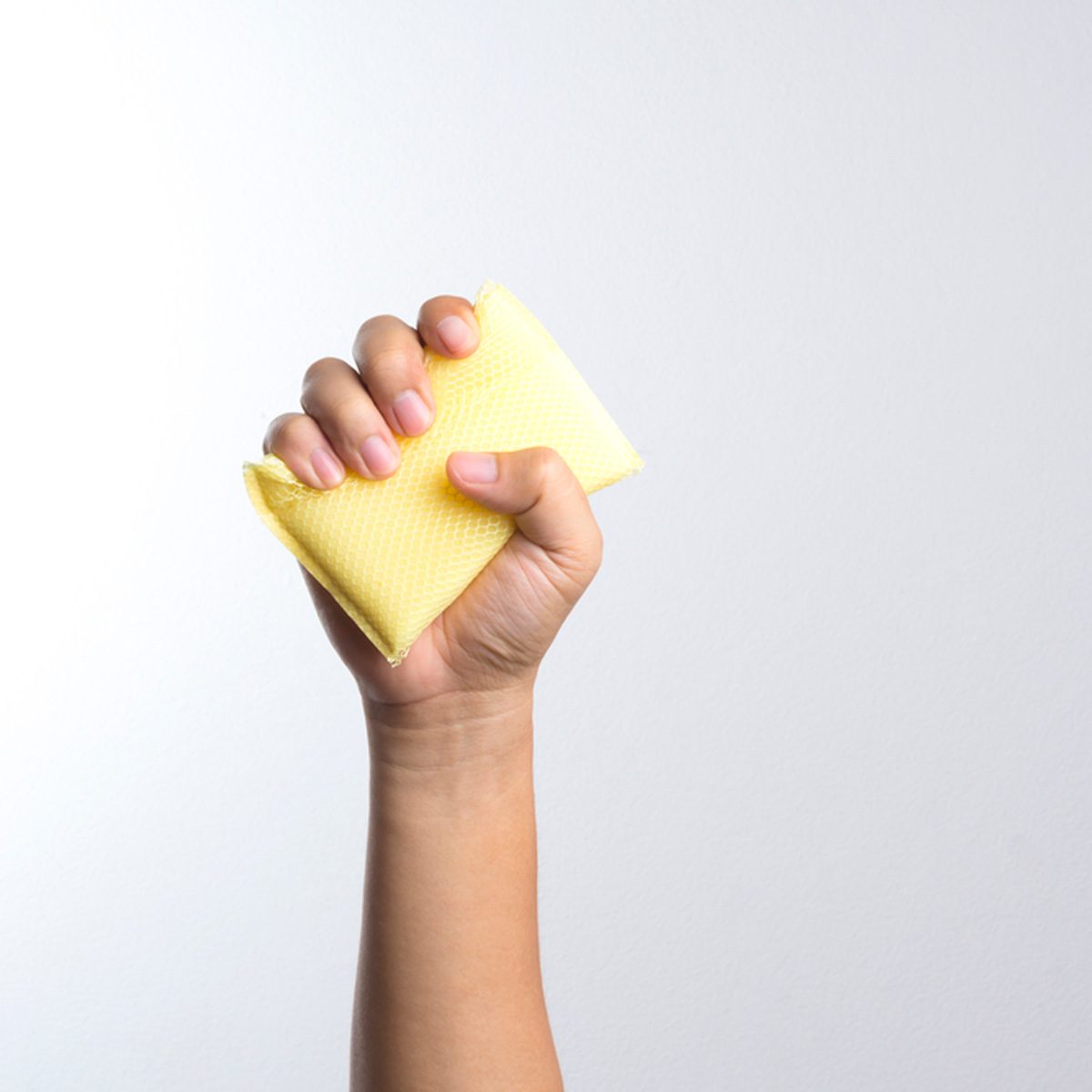
Using the dishwasher is an effortless cleaning method. Place the sponge in the dishwasher’s top rack. Run the dishwasher on a regular cycle. The hot water and detergent thoroughly clean and sanitize the sponge. This method removes both bacteria and odors effectively.
Credit: www.familyhandyman.com
Preventing Future Odors
Kitchen sponges often smell due to trapped bacteria and moisture. Regularly rinsing and drying sponges can help prevent odors. Consider replacing them frequently to maintain freshness and hygiene in your kitchen.
Preventing Future Odors Kitchen sponges can quickly become a source of unpleasant odors if not cared for properly. Fortunately, you can take several simple steps to prevent your sponge from becoming a breeding ground for bacteria and bad smells. Let’s explore some effective ways to keep your kitchen sponge fresh and odor-free.Regular Drying
After each use, rinse your sponge thoroughly with clean water. Squeeze out as much excess water as possible. Place the sponge in a dry, well-ventilated area. Air circulation helps in drying it completely, reducing the chances of mold and bacteria growth. Consider using a sponge holder that allows for airflow from all sides. This tiny investment can make a big difference in keeping your sponge smelling fresh.Frequent Replacement
Sponges are not meant to last forever. Most experts suggest replacing your kitchen sponge every two weeks. Set a reminder on your phone or calendar to ensure you don’t forget. When a sponge starts to feel slimy or look discolored, it’s time for a new one. Buying sponges in bulk can save money and make frequent replacement easy.Choosing The Right Sponge
Not all sponges are created equal. Opt for sponges with antimicrobial properties to help fight bacterial growth. Consider using a natural sponge made from plant materials. These are often more resistant to odors than synthetic ones. Some sponges are designed with quick-dry technology, perfect for those who want to minimize odor risks. Explore these options to find one that suits your kitchen habits. By adopting these practices, you’ll keep your kitchen sponge fresh and your kitchen smelling pleasant. What changes will you make in your kitchen routine today?Eco-friendly Alternatives
The kitchen sponge often smells because it traps food particles and moisture. This creates a breeding ground for bacteria. Switching to eco-friendly alternatives can help reduce odors and waste. These options are not only sustainable but also durable. They last longer than traditional sponges.
Reusable Cloths
Reusable cloths are a great choice for a cleaner kitchen. They are made from materials like cotton and microfiber. These cloths are washable and can be used multiple times. They dry quickly, which reduces the chance of bacteria growth. You can use them for wiping surfaces or cleaning dishes. This makes them a versatile option.
Bamboo Scrubbers
Bamboo scrubbers are another eco-friendly option. They are made from natural bamboo fibers. These scrubbers are tough on grime but gentle on surfaces. Bamboo has natural antibacterial properties, which helps keep odors away. They are biodegradable, which means they will not harm the planet when discarded.
Natural Fiber Sponges
Natural fiber sponges are made from plant materials like cellulose. They are biodegradable and compostable. These sponges are effective for cleaning and do not hold odors. Their natural texture helps scrub away dirt without scratching surfaces. They are an excellent choice for an eco-friendly kitchen.
When To Replace Your Sponge
A smelly kitchen sponge can quickly become a nuisance in your home. Knowing when to replace it is crucial for maintaining hygiene. Sponges, although handy, have a limited lifespan. They can harbor bacteria and mold, affecting your health and the cleanliness of your kitchen. Let’s explore the indicators and health considerations that will help you decide when it’s time for a fresh sponge.
Lifespan Indicators
Sponges don’t last forever. They need regular replacement to stay effective. Here are some signs to watch for:
- Foul odor: A persistent smell means bacteria are growing.
- Discoloration: Faded or dark spots indicate mold presence.
- Tears or holes: Physical damage reduces cleaning efficiency.
- Texture change: A hard or slimy sponge needs replacing.
Health Considerations
A dirty sponge poses health risks. It can spread germs across surfaces. Bacteria like E.coli and Salmonella thrive in moist environments. These can cause food poisoning. Regular replacement prevents bacterial growth. It ensures your kitchen remains safe for food preparation.
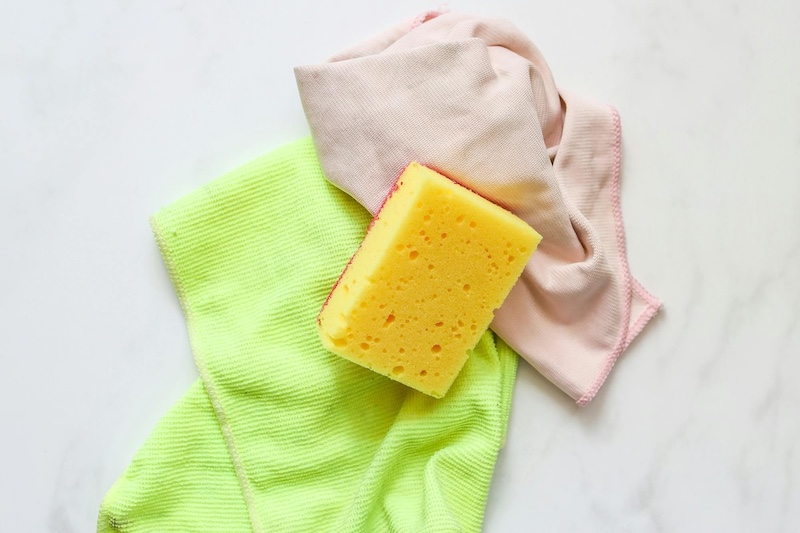
To protect your health, consider changing your sponge every one to two weeks. This simple routine can prevent bacteria buildup. It helps maintain a hygienic kitchen environment. Keep your kitchen fresh and safe by staying alert to these signs.
Credit: parentdata.org
Frequently Asked Questions
How Can I Keep My Kitchen Sponge From Smelling?
Clean the sponge regularly with hot water and soap. Microwave it damp for 30 seconds. Store it dry to prevent bacteria growth. Replace it every two weeks. Use a vinegar soak weekly for freshness.
Is A Smelly Sponge Safe?
A smelly sponge can harbor bacteria and mold, making it unsafe for kitchen use. Replace it regularly to maintain hygiene. Clean sponges by microwaving or soaking in vinegar to kill germs. Regularly check for odor or discoloration, which indicate it’s time for a new sponge.
How Do You Get The Musty Smell Out Of A Sponge?
Soak the sponge in a mixture of vinegar and water for 15 minutes. Rinse thoroughly with clean water. Dry it completely to prevent odors. Alternatively, microwave the damp sponge for 1-2 minutes to kill bacteria and eliminate the smell. Regularly replace sponges to maintain freshness.
When Should You Throw Out A Sponge?
Replace your sponge every one to two weeks. Sponges harbor bacteria and can become unsanitary quickly. Discard sooner if it smells bad or looks worn out. Regular replacement ensures a cleaner kitchen and reduces the risk of spreading germs. Always rinse and wring out sponges after use to extend their life.
Conclusion
Kitchen sponge smells can be annoying. Regular cleaning helps prevent odors. Warm, moist environments breed bacteria. Replace sponges frequently for better hygiene. Air-dry them after use to reduce smell. Vinegar and baking soda can refresh sponges. These simple steps keep your kitchen fresh.
Your sponge should stay clean and odor-free. A fresh sponge makes cooking more pleasant. Remember, a clean kitchen starts with a clean sponge. It’s easy to maintain a pleasant kitchen environment. Keep these tips in mind for a healthier home.