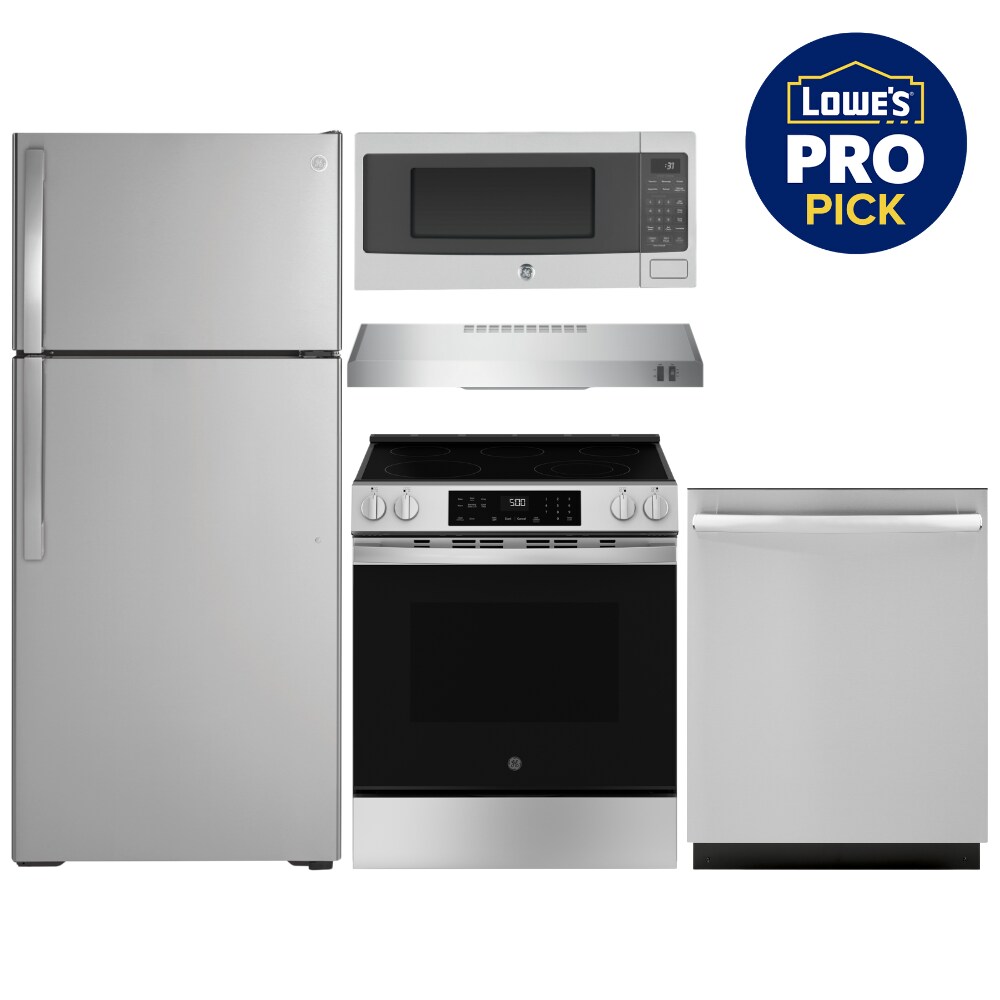
Are you planning a kitchen upgrade with new appliances from Lowe’s? Before you dive into the excitement of selecting the perfect fridge or oven, there’s a crucial step you can’t overlook: measuring.
Getting the right measurements is key to ensuring your new appliances fit seamlessly into your space. Imagine the frustration of ordering a beautiful new dishwasher, only to find it doesn’t fit in your kitchen! By taking a few simple steps to measure correctly, you can avoid costly mistakes and ensure a smooth installation process.
This guide will walk you through the process, making it easy and stress-free. Ready to transform your kitchen with confidence? Let’s get started!
Choosing The Right Kitchen Appliances
Choosing the right kitchen appliances is a crucial step in designing a kitchen that meets your needs and lifestyle. Whether you’re a passionate chef or someone who appreciates the convenience of modern technology, selecting appliances that fit your space, budget, and cooking habits can transform your kitchen experience. With so many options available, how do you make the best choice?
Understanding Your Cooking Style
Do you love experimenting with new recipes or prefer quick and easy meals? Your cooking style will influence the type of appliances you need. A gas range might be perfect for those who enjoy precision cooking, while a convection oven could be ideal for bakers. Think about what you cook most often and select appliances that enhance those tasks.
Space And Size Considerations
Measure your kitchen space accurately before purchasing appliances. A large refrigerator is tempting, but will it fit comfortably in your kitchen? Consider the layout and traffic flow. Appliances should complement your space, not overcrowd it. Use a measuring tape to get exact dimensions and compare them with product specifications at Lowes.
Energy Efficiency And Features
Look for energy-efficient models that can save you money on utility bills. Check for the Energy Star label as a guide. Think about features that matter to you—maybe a refrigerator with a built-in water dispenser or a stove with self-cleaning capabilities. Sometimes, spending a little more on features can enhance your kitchen experience significantly.
Budgeting And Long-term Investment
Set a budget and stick to it. Quality appliances can be a long-term investment, so consider spending a bit more for durability and reliability. Compare different brands and models at Lowes to find the best deals. Remember, the cheapest option isn’t always the most cost-effective in the long run.
Warranty And Maintenance
Check the warranty and maintenance services offered. A good warranty can save you from unexpected repair costs. Look into maintenance requirements—some appliances might need regular servicing to function efficiently. Knowing these details beforehand can save you time and hassle.
Choosing the right kitchen appliances is not just about aesthetics; it’s about functionality and convenience. What’s the one appliance you can’t live without in your kitchen? Share your thoughts and experiences in the comments below.

Credit: www.lowes.com
Essential Tools For Accurate Measurement
Measuring for kitchen appliances is crucial for a perfect fit. Accurate measurements ensure your new appliance fits seamlessly into your space. Using the right tools can make this task easier. Let’s explore essential tools for precise measurement.
1. Measuring Tape
A measuring tape is the most basic tool. It provides accurate length and width measurements. Choose a sturdy tape measure with clear markings. This ensures precise readings.
2. Level
A level ensures your surfaces are even. This tool helps prevent uneven installations. It is crucial for appliances like stoves and refrigerators. An uneven surface can affect appliance performance.
3. Framing Square
A framing square checks right angles. It is essential for ensuring corners are square. This tool helps in aligning the appliance correctly. It is especially useful for corner installations.
4. Calipers
Calipers measure small distances. They are perfect for checking depth and thickness. This tool is especially useful for custom fittings. It provides more precise measurements than a tape measure.
5. Laser Measure
A laser measure provides quick and accurate readings. It is ideal for measuring large spaces. This tool helps in avoiding measurement errors. It is convenient and easy to use.
6. Notebook and Pencil
A notebook and pencil are essential for recording measurements. They help you keep track of every dimension. Always double-check and write down your measurements. This ensures you have reliable data to work with.
Measuring For Refrigerators
Accurate measurements ensure a perfect fit for your new refrigerator. Measure the width, height, and depth of the space. Consider door openings and pathways for easy appliance installation.
Measuring for a refrigerator is crucial before making a purchase. You need to ensure it fits perfectly in your kitchen space. This guide will help you measure accurately for refrigerators, focusing on width, height, depth, door swing, and space for ventilation.
Width, Height, And Depth
To measure the width, use a measuring tape. Measure from one side of the space to the other. Ensure the tape is straight and level. For height, measure from the floor to the bottom of the cabinet or ceiling. This ensures your refrigerator will fit vertically. Depth is measured from the wall to the edge of the counter or cabinet. This helps determine how far the fridge will stick out.
Allowing For Door Swing
Door swing is essential for ease of use. Make sure to measure the space available for the doors to open fully. Consider the path the door takes as it swings open. Ensure there are no obstructions. A clear path allows for easy access to refrigerator contents.
Space For Ventilation
Refrigerators need space for air circulation. Leave about an inch on each side and at the top. This space prevents overheating and ensures efficient operation. Proper ventilation extends the life of your appliance. Accurate measurements ensure your refrigerator fits and functions well in your kitchen.
Credit: www.maytag.com
Measuring For Ovens And Ranges
Properly measure your kitchen space for ovens and ranges. Ensure accurate dimensions by considering width, height, and depth. Account for surrounding cabinetry and electrical outlets to guarantee a perfect fit.
Measuring for your new oven or range is an essential step before making a purchase. The right measurements ensure that your appliance fits perfectly into your kitchen space, preventing any unnecessary hassle during installation. Whether you’re upgrading your existing setup or designing a new kitchen, understanding the key differences and requirements can make all the difference.
Freestanding Vs. Built-in Options
Freestanding ovens and ranges are the most common type, offering flexibility in placement. They typically slide between cabinets and are easy to replace. Measure the width, height, and depth of the space where the appliance will sit, ensuring there’s enough room for the door to open fully. Built-in options, on the other hand, integrate seamlessly into your kitchen cabinetry for a sleek look. These require precise measurements as they are custom-fitted. Measure the opening in your cabinetry, noting the height, width, and depth. Remember, a snug fit enhances both aesthetics and functionality.
Clearance For Safety
Safety is paramount when installing ovens and ranges. Ensure you leave adequate clearance around your appliance to prevent overheating and ensure proper ventilation. Typically, a minimum of 1 inch on each side is recommended for freestanding models. For built-in appliances, check the manufacturer’s guidelines for specific clearance requirements. These clearances help prevent heat damage to surrounding surfaces and ensure easy access for cleaning and maintenance. Have you considered how the placement might affect your kitchen workflow? Making sure your oven is easily accessible can make cooking more enjoyable. Using these tips, you can confidently measure and choose the right oven or range for your kitchen, ensuring a smooth installation and years of culinary delight.
Measuring For Dishwashers
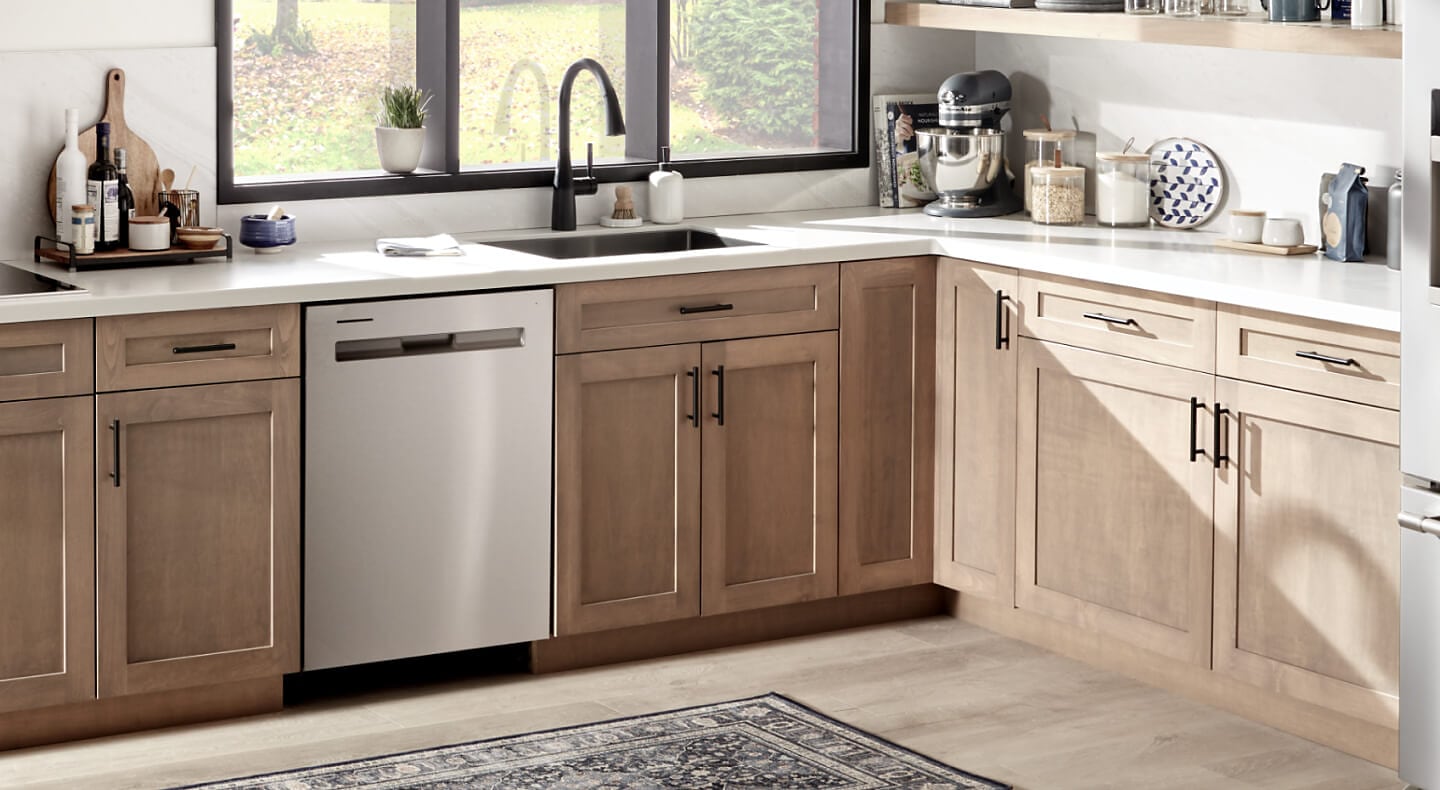
Measuring for dishwashers involves checking the width, height, and depth of the space. Ensure the area is clear and accessible. Keep in mind the connections needed for water and electricity.
Measuring for dishwashers can seem daunting, but with a few simple steps, you’ll have the perfect fit in no time. Whether you’re replacing an old unit or installing a new one, accurate measurements are crucial for ensuring smooth installation and optimal performance. Let’s dive into the essentials of measuring your space for a dishwasher.
Standard Size Considerations
Most dishwashers fit into a standard 24-inch-wide opening. However, it’s essential to confirm the dimensions of your specific space. Measure the width, height, and depth of the opening where the dishwasher will be placed. Keep in mind that some models may require additional space for door clearance or specific installation needs. Always consult the manufacturer’s specifications for the model you’re considering.
Access To Water And Power
Ensure your dishwasher location has easy access to water and power connections. Check if there’s an existing water supply line and electrical outlet nearby. If you’re upgrading or moving the dishwasher, you might need to adjust plumbing or electrical setups. Planning these connections ahead of time can save you from unexpected headaches during installation. Consider how easy it will be to connect the dishwasher to these utilities. The closer they are, the simpler the installation process will be. Are there any potential obstacles that might hinder the installation? Think about access points and ensure that everything is reachable for a hassle-free setup. By taking these steps, you’ll be well on your way to a seamless dishwasher installation. Remember, a little preparation goes a long way in making sure everything fits perfectly.
Measuring For Microwaves
Measuring for microwaves is a crucial step in ensuring your kitchen functions efficiently. Whether you’re upgrading or installing for the first time, getting the measurements right can save you from future headaches. It’s about finding the perfect balance between aesthetics and functionality, making sure your new microwave fits seamlessly into your kitchen space.
Countertop Vs. Over-the-range
Choosing between a countertop and an over-the-range microwave can depend on several factors. Countertop microwaves offer flexibility in placement. Measure the available counter space and ensure there’s enough room for ventilation around the appliance.
Over-the-range microwaves save counter space but require more precise measurements. Measure the width, depth, and height of the space above your range. Consider the height from the range top to the bottom of the microwave for safety and efficiency.
Cabinet Space Requirements
Cabinet space plays a significant role if you’re opting for built-in microwaves. Measure the interior dimensions of your cabinet to ensure a snug fit. Remember to account for additional space for ventilation.
Think about the electrical outlet’s location. Is it easily accessible? You don’t want to realize too late that your microwave’s cord is just a bit too short. Also, check the cabinet door clearance to prevent any obstruction when opening your microwave door.
Have you considered the microwave’s weight? Ensure your cabinet structure is sturdy enough to support it. These details might seem minor but can drastically affect your kitchen’s functionality.
Common Measurement Mistakes
When setting up your kitchen appliances, accurate measurements are crucial to avoid any installation mishaps. Yet, even the most careful planners can fall prey to common measurement mistakes. These errors can turn a simple installation into a frustrating ordeal. Let’s explore some of the usual pitfalls and how you can steer clear of them.
Ignoring Installation Instructions
It’s easy to get caught up in the excitement of new appliances and skip over the installation instructions. This oversight can lead to incorrect measurements. Every appliance comes with specific installation requirements that often include precise dimensions. By not consulting these instructions, you might end up with an ill-fitting appliance. Always prioritize reading the manual to ensure you have the correct measurements from the start.
Overlooking Ventilation Needs
Another common mistake is not considering the ventilation requirements of your appliances. Appliances like ovens and refrigerators need adequate space for air circulation. Without proper ventilation, your appliances can overheat, reducing their lifespan and efficiency. Measure not just the size of the appliance, but also the space it needs to breathe. This ensures your kitchen remains safe and your appliances function optimally.
Have you ever had to redo a kitchen installation because of a measurement error? It’s more common than you think. Avoiding these common mistakes can save you time, money, and a lot of headaches.
Expert Tips For A Smooth Installation
Installing a new kitchen appliance can be exciting. But, it requires precision. A smooth installation starts with accurate measurements. This ensures your appliance fits perfectly. Here are some expert tips to guide you.
Double-checking Measurements
Always measure twice for accuracy. Use a reliable measuring tape. Ensure it is level and straight. Note the width, height, and depth. Include extra space for ventilation. Appliances need room to breathe. Check the space for doors to open fully. This prevents any blockage. Confirm these measurements twice to avoid mistakes.
Consulting With Professionals
Professional advice can be invaluable. Speak to a kitchen designer. They understand space and appliance needs. An installer can also offer insights. They ensure your space is ready. They can point out potential issues. Professionals can help avoid costly errors. Their experience is a great resource.

Credit: www.lowes.com
Frequently Asked Questions
How To Measure For New Kitchen Appliances?
To measure for new kitchen appliances, determine the height, width, and depth of available space. Ensure clearances for doors and ventilation. Consider surrounding cabinetry and countertops. Double-check measurements to ensure compatibility with appliance specifications. Accurate measurements prevent installation issues and enhance kitchen functionality.
How To Take Measurements For A Kitchen?
Measure the length and width of the kitchen. Include counters, appliances, and doors. Measure windows and wall heights. Create a detailed floor plan. Note electrical outlets and plumbing locations. Verify measurements for accuracy.
What Are The Measurements Of A Standard Kitchen Appliance?
Standard kitchen appliances vary in size. Refrigerators typically measure 30-36 inches wide. Ovens are usually 30 inches wide. Dishwashers are generally 24 inches wide. Microwaves range from 24-30 inches in width. Always check specific product dimensions for accurate fit in your kitchen layout.
Does Lowes Measure For Kitchen Cabinets?
Yes, Lowe’s offers measurement services for kitchen cabinets. They provide accurate measurements to ensure a perfect fit. Contact your local Lowe’s store to schedule an appointment. Their experts help you plan and customize your kitchen space efficiently.
Conclusion
Measuring for kitchen appliances at Lowes isn’t complex. Follow simple steps. Ensure correct dimensions for a perfect fit. Measure twice, cut once. This avoids costly mistakes. Consider space for doors and handles. Remember ventilation needs. Appliances need room to breathe.
Check electricity connections. Proper setup means a longer appliance life. Consult Lowes staff for help if unsure. They offer useful advice. Happy measuring leads to a happy kitchen. Enjoy efficient cooking and easy cleaning. Your kitchen will thank you.