How to Paint Kitchen Cabinets That are Laminate: Expert Tips
Are you dreaming of a kitchen makeover without the hefty price tag? Painting your laminate kitchen cabinets might just be the magic trick you need.
Whether you’re tired of the outdated look or simply craving a fresh change, transforming your cabinets with a splash of color can rejuvenate your entire kitchen space. But here’s the catch: painting laminate isn’t as straightforward as painting wood. Don’t worry, though! With the right steps and a bit of patience, you can achieve a stunning, professional-looking finish.
Curious about how to get it right? Stick around, because this guide will reveal the secrets to turning your laminate cabinets into a masterpiece you’ll love showing off. Ready to dive in? Let’s get started!
Preparing Your Space
Clear the kitchen space and remove items from cabinets. Lay down drop cloths to protect the floor. Ensure good ventilation by opening windows and doors.
Preparing your space is vital for painting laminate kitchen cabinets. A well-organized area ensures a smooth and professional finish. This process involves two key steps. Clearing the area and protecting surfaces. These tasks might seem small, but they make a big difference.Clearing The Area
Remove everything from your kitchen countertops. This includes appliances and decorative items. Move furniture and other items out of the way. Free up as much space as possible. This makes it easier to work and prevents accidents. Keep the area tidy. You’ll find it easier to focus on painting. Consider storing items in another room. This keeps them safe and out of the way.Protecting Surfaces
Cover your floors with drop cloths. Use painter’s tape to secure them. This prevents paint from spilling on your floor. Protect countertops and other surfaces too. Tape plastic sheets over cabinets and walls. This stops unwanted paint marks. Pay special attention to areas near the cabinets. Use a small brush for edges. This helps avoid mistakes.Choosing The Right Paint
Choosing the right paint for laminate kitchen cabinets can transform your space. Painting laminate requires specific types to ensure durability and aesthetics. The right choice can make a big difference in the final look.
Types Of Paint For Laminate
Not all paints adhere well to laminate surfaces. It’s important to select ones designed for this material.
- Latex Paint:Easy to apply and clean. It offers a smooth finish.
- Oil-Based Paint:Provides a durable surface. It resists scratches and stains.
- Chalk Paint:Known for its matte finish. It sticks well to laminate.
Color Selection Tips
Picking the right color sets the tone for your kitchen.
- Consider the size of your kitchen. Light colors can make it appear larger.
- Think about the existing decor. Choose complementary shades.
- Test samples first. Visualize how they look under different lighting.
Choosing the right paint and color can refresh your kitchen. It’s an affordable way to give cabinets a new look.
Gathering Essential Tools
Gather essential tools before painting laminate kitchen cabinets. Include sandpaper, primer, paintbrushes, and quality paint. Ensure you have a clean cloth and a screwdriver for removing hardware.
Gathering the right tools can make or break your kitchen cabinet painting project. When dealing with laminate surfaces, it’s crucial to have tools that ensure adhesion and a smooth finish. Without the correct equipment, you might find yourself frustrated with uneven coats or peeling paint. Let’s dive into the essentials that will set you up for success.Brushes And Rollers
Selecting the right brushes and rollers is key to achieving a flawless finish. Opt for high-quality synthetic brushes, as they work well with water-based paints and provide smooth strokes. For larger surfaces, foam rollers can be your best friend. They offer even coverage and reduce streaks, ensuring your cabinets look professionally done. Remember, investing in good brushes and rollers can save time and effort, delivering results that make you proud every time you step into your kitchen.Primer And Sealant
Applying primer is non-negotiable when painting laminate. A good primer helps paint adhere better and enhances durability. Choose a primer specifically designed for laminate surfaces to avoid peeling or chipping. After painting, sealant comes into play. It protects your work from moisture and daily wear, keeping your cabinets looking fresh for years. Think of primer and sealant as the protective layers that make your cabinets resilient. Have you ever regretted skipping the primer only to see your work undone quickly? Ensure these steps aren’t overlooked for a lasting finish. Gathering these essential tools ensures that your laminate cabinets transform beautifully and withstand the test of time. Are you ready to embark on this rewarding DIY adventure?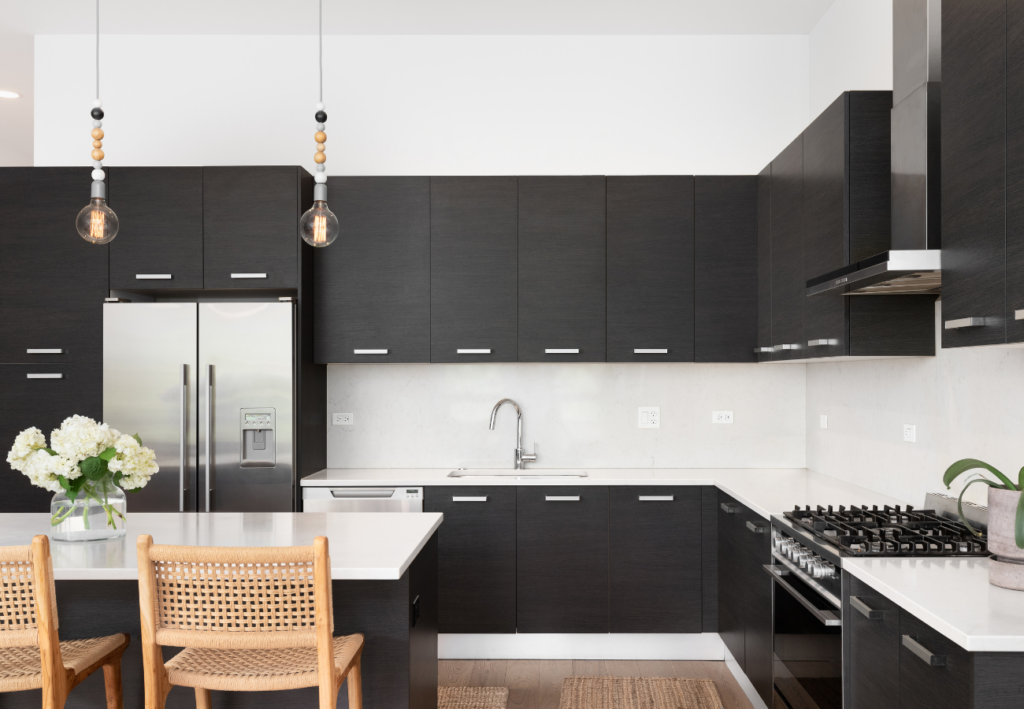
Credit: cabinetcoatingkings.com
Cleaning And Sanding
Cleaning and sanding are essential steps for painting laminate kitchen cabinets. Begin by removing dirt and grease with a mild cleaner. Sand the surface lightly to improve paint adhesion, ensuring a smooth and even finish.
Painting laminate kitchen cabinets can be a transformative project, giving your kitchen a fresh, new look. Before you dive into painting, cleaning and sanding are crucial steps to ensure a smooth finish. These steps might seem mundane, but they lay the groundwork for a successful painting experience.Removing Grease And Dirt
Laminate surfaces can accumulate layers of grease and dirt over time, especially in the kitchen. Use a degreaser or a mixture of warm water and mild dish soap to effectively clean the cabinets. Focus on areas near the stove or sink, where grease tends to build up the most. A soft cloth or sponge will help remove grime without scratching the laminate. Don’t rush this step. Thorough cleaning ensures the paint adheres well, preventing peeling or chipping later. What surprises might you find lurking on those cabinet surfaces?Sanding Techniques
Once clean, sanding is the next vital step. Despite being laminate, the surface needs a bit of roughing up to allow the primer and paint to stick. Use a fine-grit sandpaper, around 120 to 150 grit, for this purpose. Gently sand in circular motions to avoid damaging the laminate. You don’t need to sand down to the core material; just enough to create a textured surface. Consider using a sanding block for even pressure. This step might seem tedious, but it’s your ticket to a long-lasting paint job. Are you ready to transform your cabinets into a masterpiece?Applying Primer
Applying primer is crucial for painting laminate kitchen cabinets. It ensures paint adheres properly and lasts longer. Use a high-quality primer designed for laminate surfaces to create a smooth base.
Applying primer to your laminate kitchen cabinets is a crucial step that sets the foundation for a lasting and professional-looking paint job. It ensures that the paint adheres properly and looks smooth and even. Skipping this step might result in peeling or chipping, which no one wants after investing time and effort into a DIY project.Why Primer Is Important
Primer acts as a preparatory coating. It helps paint stick to surfaces that would otherwise be difficult to paint, like laminate. Laminate is a slick and non-porous surface, which can make it tricky for paint to adhere to without a primer. Using a primer also enhances the durability of your paint job. It provides a consistent base that helps the paint maintain its color and finish over time. Imagine putting so much effort into painting, only to see it wear off in a few months.How To Apply Primer
Start by cleaning the cabinets thoroughly. Dust and grease can interfere with primer adhesion, so a clean surface is essential. After cleaning, lightly sand the surface to create a bit of texture. This helps the primer grip better onto the laminate. Use a high-quality brush or roller to apply the primer. Apply it in thin, even coats, allowing each coat to dry completely before adding another. Consider applying two coats of primer. This ensures a solid base and better coverage, especially if the cabinets have a dark color you’re trying to cover. Remember, patience is key. Rushing through the priming process could lead to unsatisfactory results later. Have you ever tried painting without priming? What were your results?
Credit: www.pinterest.com
Painting Techniques
Transforming laminate kitchen cabinets is achievable with the right painting techniques. Begin by cleaning and sanding to prepare the surface. Use a primer designed for laminate, followed by your chosen paint for a fresh look.
Painting laminate kitchen cabinets can transform your space without breaking the bank. The right technique ensures a durable, beautiful finish. Different methods offer unique benefits. Choosing the right one depends on your goals and comfort level.Brushing Vs. Rolling
Using a brush gives you control over each stroke. This method is ideal for intricate designs and edges. Brushes work well for small areas and detailed work. Rollers cover large surfaces quickly, offering a smooth application. They minimize streaks on flat surfaces. Choose rollers for efficiency in open spaces.Achieving Smooth Finish
Preparation is key to a flawless look. Sand the surface gently to remove gloss. This helps the paint adhere better. Apply a primer designed for laminate surfaces. It ensures durability and enhances paint adhesion. Use thin layers of paint to prevent drips. Allow each coat to dry before adding another. A topcoat provides a protective layer and enhances shine.Drying And Curing
Painting laminate kitchen cabinets is a great way to refresh your space. After applying paint, drying and curing are crucial steps. Proper drying and curing ensure a long-lasting, beautiful finish. This section will guide you through these essential stages.
Drying Times
After painting, allow the cabinets to dry properly. This typically takes several hours. The exact time depends on the paint type and room conditions. Check the paint label for specific drying times. Avoid touching the surface during this period. It helps prevent smudges or marks. Good airflow speeds up drying. Use fans or open windows to improve ventilation.
Ensuring Proper Curing
Curing is different from drying. It involves the paint hardening fully. Curing can take several days to weeks. This depends on the paint and environment. During curing, avoid heavy use of the cabinets. This helps the paint set properly. Wait for the full curing time for best results. This ensures the paint bonds well to the laminate. It leads to a durable and long-lasting finish.
Reattaching Hardware
Reattach the hardware carefully after painting laminate kitchen cabinets. Ensure screws are tight for a secure fit. Align hinges and handles properly for smooth operation.
Reattaching hardware is the final touch in painting laminate kitchen cabinets. After painting, it’s time to reinstall all handles, knobs, and hinges. This step ensures your kitchen looks polished and functions smoothly. Use care to avoid scratching your fresh paint.Installing Handles And Knobs
Begin by gathering all the hardware needed for installation. Make sure everything is clean and free from paint splatters. Align each handle and knob with the pre-drilled holes on the cabinet doors and drawers. Use a screwdriver to attach each piece securely. Avoid using a drill, as it might strip the screws or damage the laminate. Make sure each handle and knob is firmly in place but not too tight. Over-tightening can crack the laminate surface.Adjusting Cabinet Doors
Check the alignment of each cabinet door. Ensure they close properly without gaps. If a door is misaligned, adjust the hinges slightly. Use a screwdriver to loosen or tighten the hinge screws. Test the door movement after each adjustment. Aim for smooth, even closing. This attention to detail will enhance the overall look and function of your kitchen cabinets.Maintaining Painted Cabinets
Painting laminate kitchen cabinets requires careful preparation. Sand the surface lightly to ensure paint adheres well. Use a high-quality primer designed for laminate surfaces.
Maintaining painted kitchen cabinets requires care. Laminate surfaces need special attention. Regular upkeep keeps them looking fresh. Follow these simple tips to ensure longevity.Cleaning Tips
Dust cabinets weekly with a soft cloth. Use mild soap and water for deeper cleaning. Avoid harsh chemicals that can damage the paint. Dry cabinets with a clean towel to prevent moisture buildup. Regular cleaning prevents grime and maintains shine.Touch-up Techniques
Keep extra paint on hand for touch-ups. Use a small brush for minor scratches. Sand lightly before applying paint to ensure smoothness. Match the paint color exactly to avoid noticeable patches. Regular touch-ups keep cabinets looking new and vibrant.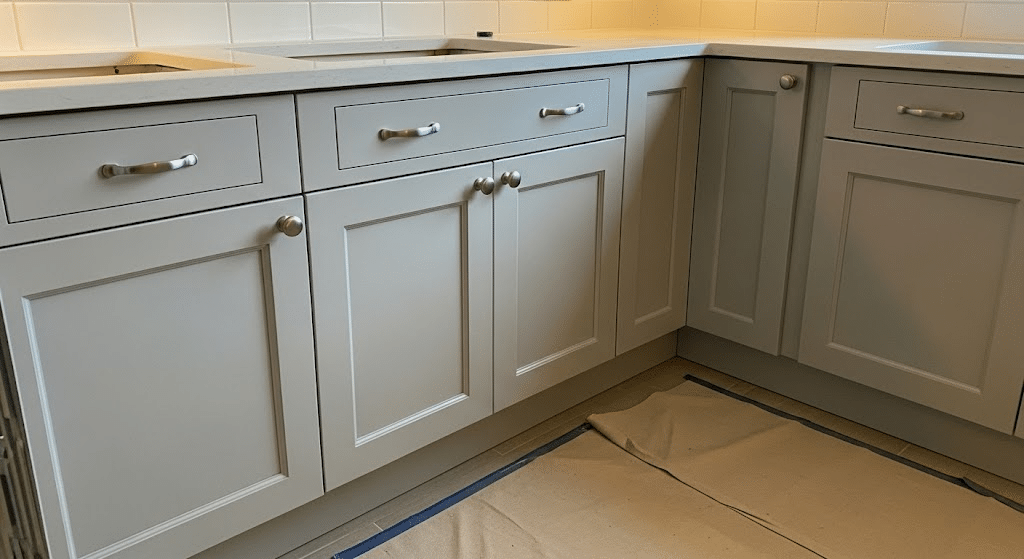
Credit: enthrallinggumption.com
Frequently Asked Questions
Can I Paint Over Laminate Kitchen Cabinets?
Yes, you can paint over laminate kitchen cabinets. Clean, sand, and prime them for better paint adhesion. Use high-quality paint for a durable finish.
What Kind Of Paint Do You Use On Laminate Cabinets?
Use a high-quality acrylic latex paint or a special laminate paint for laminate cabinets. Ensure proper surface preparation with a primer. These paints provide better adhesion and durability, making them ideal choices for long-lasting results. Always follow the manufacturer’s instructions for the best finish.
How Can I Tell If My Cabinets Are Laminate Or Veneer?
Check the edges of the cabinets. Veneer feels smoother and reveals wood grain. Laminate feels plastic-like and covers the edges seamlessly.
Can I Paint On Laminate Cabinets Without Sanding?
Yes, you can paint laminate cabinets without sanding. Use a high-quality primer designed for smooth surfaces. Clean the cabinets thoroughly before applying. Ensure the primer is fully dry before painting. This method helps achieve a durable, smooth finish without the need for sanding.
Conclusion
Painting laminate kitchen cabinets can refresh your space. It’s an easy project. Start by cleaning the cabinets well. Use a good primer for better paint grip. Choose quality paint for lasting results. Apply paint in thin, even coats. Patience is key.
Let each coat dry fully. Your kitchen will look new and bright. Plus, painting is budget-friendly. It can transform your kitchen without a big spend. Remember, preparation and care lead to the best finish. Enjoy your revamped kitchen!