How to Clean Grime off Kitchen Cabinets: Expert Tips
Executive Chef & Lead Commercial Kitchen Specialist at Daily Kitchup Test Lab
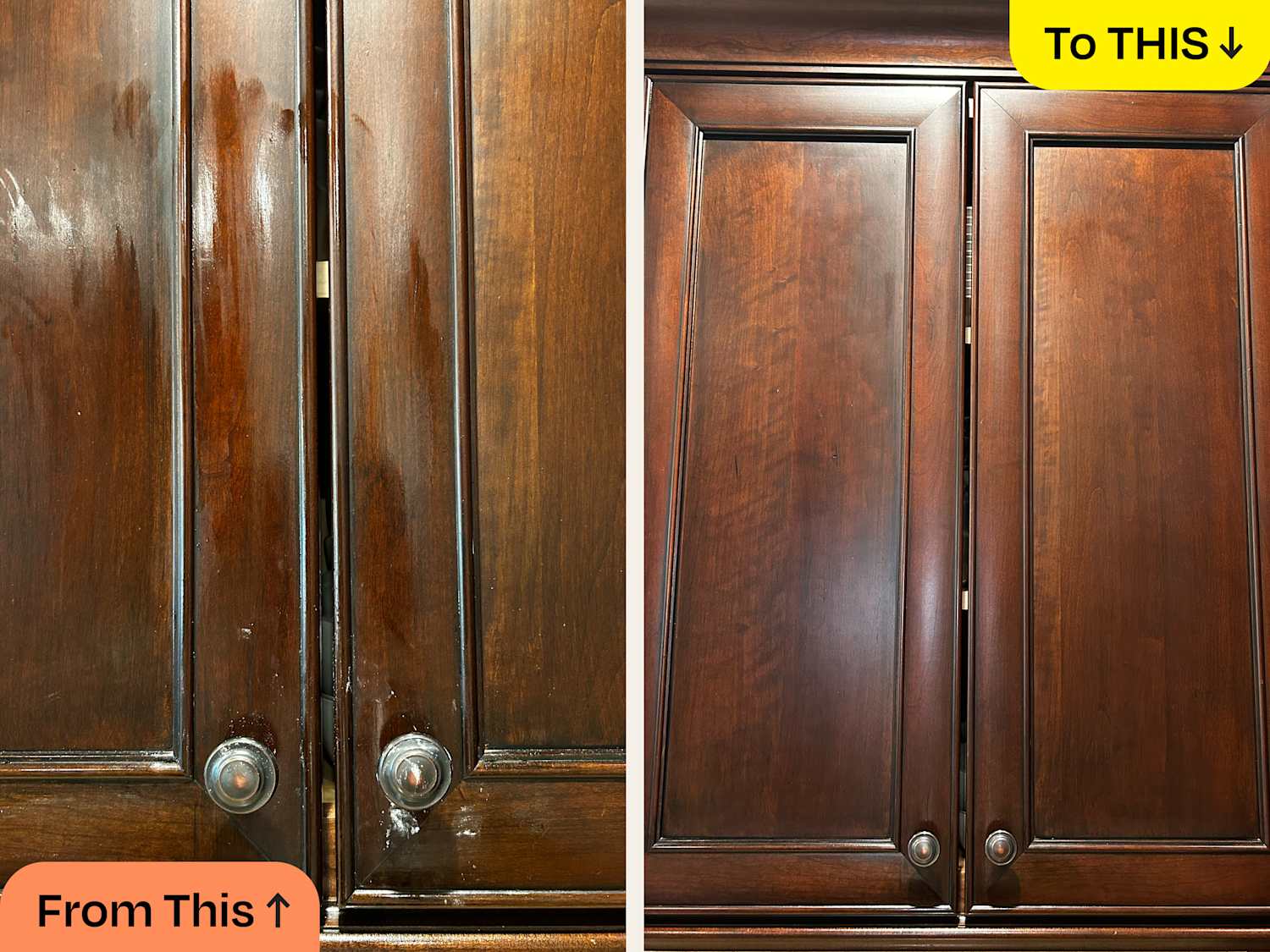
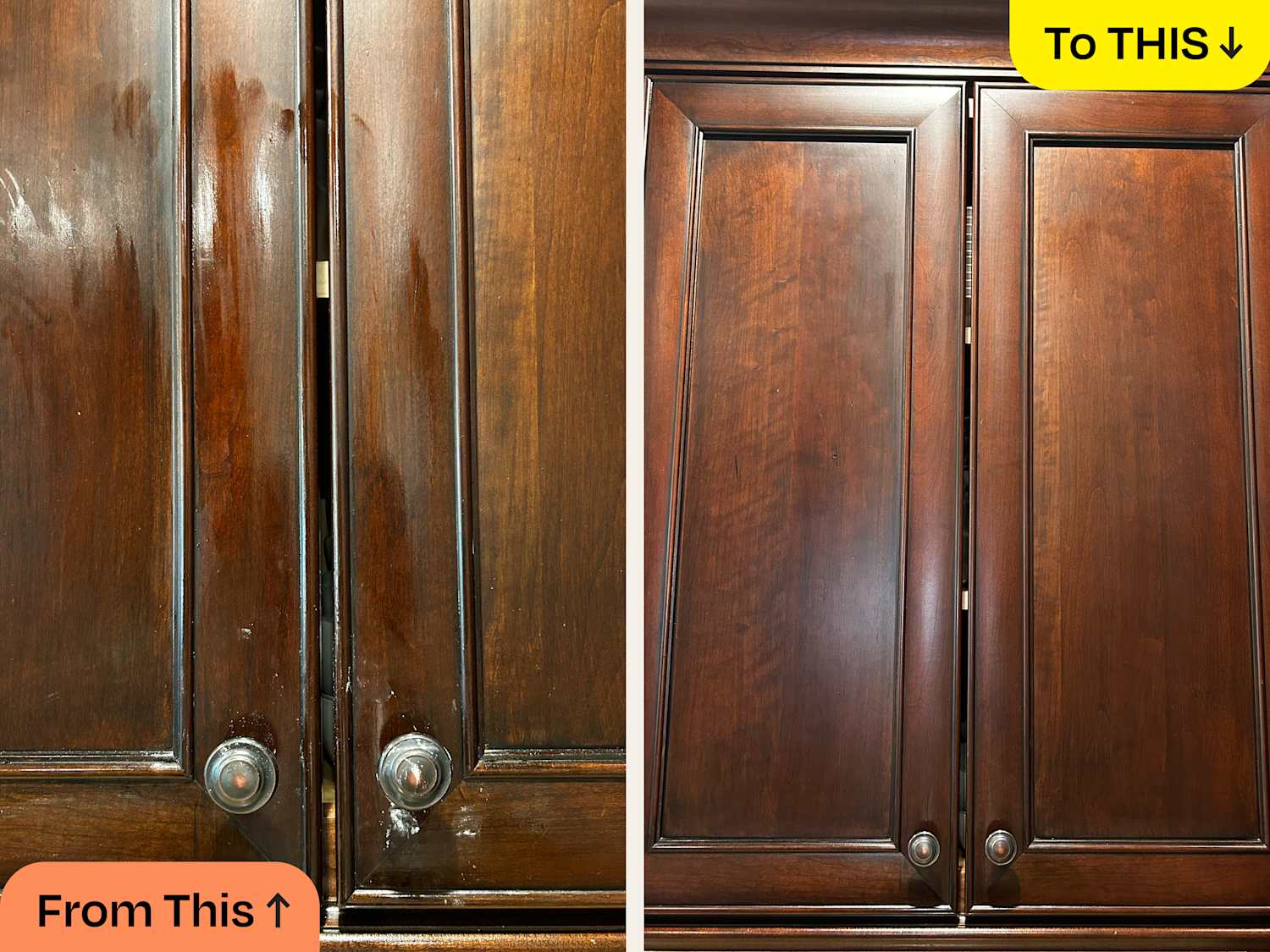
Do you ever open your kitchen cabinets only to be greeted by layers of grime and grease? It’s a common issue many face, and it can make your kitchen feel less inviting.
But don’t worry! With the right approach, you can transform those sticky surfaces into sparkling clean ones. Imagine walking into your kitchen and feeling that refreshing sense of cleanliness. This guide will show you how to easily achieve that, step by step.
By the end, you’ll have all the tips and tricks you need to reclaim the bright, welcoming kitchen you deserve. Ready to tackle that grime once and for all? Let’s get started!
Credit: www.facebook.com
Materials Needed
Gather dish soap, vinegar, baking soda, and warm water. Have a soft cloth or sponge ready for scrubbing. Keep a clean towel handy for drying surfaces after cleaning.
Cleaning kitchen cabinets can feel like a daunting task, especially when the grime just won’t budge. But with the right materials, you can turn this chore into a breeze. Gathering the right tools is the first step towards achieving spotless cabinets. It’s surprising how using simple household items can make a big difference in getting rid of stubborn dirt. Let’s dive into what you need to start your cabinet cleaning journey.Dish Soap
A gentle dish soap is your best friend when tackling greasy grime. It effectively cuts through grease and leaves surfaces clean without damaging the finish. Choose a mild soap to ensure it doesn’t strip the color from your cabinets.White Vinegar
White vinegar is a natural cleaner that’s perfect for dissolving grime. It’s a safe alternative to harsh chemicals and works wonders on sticky surfaces. Plus, it’s readily available in most kitchens, making it a convenient choice.Baking Soda
Baking soda acts as a gentle abrasive that can scrub away tough stains. It’s especially useful for spots that need a bit more elbow grease. Mix it with water to form a paste for more efficient cleaning.Microfiber Cloths
Microfiber cloths are essential for wiping down surfaces without scratching them. They trap dust and dirt effectively, leaving your cabinets looking polished. Keep several on hand for different stages of cleaning.Old Toothbrush
An old toothbrush is perfect for reaching crevices and corners. Its bristles can get into tight spaces that a cloth might miss. Use it to scrub around handles and hinges where grime often accumulates.Bucket Or Bowl
You’ll need a bucket or bowl to mix your cleaning solutions. This helps you keep everything organized and ensures you’re using the right amount of liquid. It’s a simple tool that makes the process neat and efficient.Warm Water
Warm water is essential for creating your cleaning mixtures and rinsing surfaces. It helps dissolve cleaning agents and makes it easier to wipe away grime. Always ensure your water is warm, not hot, to protect your cabinet surfaces. Have you ever found that the simplest items in your home are the most effective? With these materials at your disposal, you’re all set to transform your kitchen cabinets from grimy to gleaming.Preparing The Workspace
Preparing the Workspace Start by clearing countertops and organizing supplies for easy access. Ensure adequate ventilation by opening windows or turning on fans. Cover nearby surfaces with old newspapers or cloth to protect them from cleaning agents.
Preparing the workspace is a crucial step before tackling the grime on your kitchen cabinets. A well-organized area helps you avoid unnecessary mess and ensures a smooth cleaning process. Imagine diving into cleaning only to find out you’ve knocked over a jar of pasta sauce! Let’s talk about how to set up your space efficiently.Clearing The Area
Before you start scrubbing, give yourself room to work. Remove any items that might get in the way, like small appliances, decorative pieces, or food containers. This not only protects your belongings but also gives you a clear view of what needs cleaning. Use this opportunity to inspect the cabinets for any hidden dirt or stains. You might find spots that were previously hidden under a stack of dishes or a blender.Protecting Surfaces
Once the area is cleared, it’s time to safeguard your countertops and floors. Cover surfaces with old towels or newspapers to prevent cleaning solutions from damaging them. This simple step can save you from dealing with unwanted stains or residue later. Consider using a splash mat if you’re planning to use liquid cleaners. These mats are designed to catch drips and splashes, keeping your floors safe. Have you ever thought about the impact of cleaning solutions on your surfaces? Sometimes, the very products meant to clean can cause harm if not used carefully. Always test in a small area first to ensure compatibility.Choosing The Right Cleaner
Selecting the right cleaner for kitchen cabinets ensures effective grime removal. Opt for non-abrasive solutions to prevent surface damage. Mix mild dish soap with warm water for a gentle yet efficient cleaning approach.
Choosing the right cleaner is vital for effective kitchen cabinet care. Cleaners vary in strength and purpose. Some are perfect for tough grime, others for delicate surfaces. Here, we’ll explore two main categories of cleaners.Commercial Cleaners
Commercial cleaners offer convenience and reliability. They are designed for specific tasks. Many brands provide multi-purpose options. These can tackle grease and dirt on cabinets. Always read labels before using. Some contain harsh chemicals that may damage surfaces. Choose a cleaner suited for your cabinet material. For wood, opt for a wood-specific cleaner. For laminate, a gentle all-purpose cleaner works well.Diy Cleaning Solutions
DIY solutions can be effective and budget-friendly. They use common household items. Vinegar mixed with water is a popular choice. It cuts through grease without harming surfaces. Baking soda can also be used. It acts as a mild abrasive for stubborn grime. Mix it with water to form a paste. Apply gently to avoid scratches. Lemon juice is another natural option. Its acidity helps break down grease. Always test DIY solutions on a small area first. This ensures they won’t damage your cabinets.Step-by-step Cleaning Process
Removing grime from kitchen cabinets involves using a mixture of warm water and mild detergent. Gently scrub surfaces with a soft sponge. Rinse with clean water and dry with a cloth for a spotless finish.
Cleaning kitchen cabinets might seem like a daunting task, but breaking it down into manageable steps can make the process much easier. Whether you’re dealing with everyday dirt or tackling stubborn grime, having a structured approach is crucial. Let’s dive into the step-by-step cleaning process that can transform your cabinets from grimy to gleaming.Removing Surface Dirt
Begin by dusting off the surface of your cabinets. Use a microfiber cloth or a duster to remove loose dirt and debris. Mix a mild dish soap with warm water in a bowl. Dampen a clean cloth and wipe the cabinet surfaces gently. Pay special attention to corners and edges where dust tends to accumulate. You’d be surprised how much dirt can hide in these areas!Deep Cleaning Techniques
For a more thorough clean, prepare a solution of vinegar and water. This natural mixture is effective for cutting grease and disinfecting surfaces. Use a soft-bristled brush to scrub the cabinet doors and handles. This helps in reaching crevices that cloths might miss. Rinse with clean water and dry with a towel. This prevents water spots and keeps the cabinets looking fresh.Tackling Stubborn Grime
If grime persists, try using a baking soda paste. Mix baking soda with a little water until it forms a thick paste. Apply the paste to the stubborn areas and let it sit for 10-15 minutes. This allows the baking soda to break down the grime. Scrub gently with a sponge or brush, then wipe clean with a damp cloth. You might be amazed at how easily the grime comes off! Cleaning your kitchen cabinets doesn’t have to be a chore. With these steps, you can maintain a sparkling kitchen that feels inviting and fresh. What’s your secret weapon for keeping your cabinets pristine?Drying And Polishing
Drying and polishing are vital steps in cleaning kitchen cabinets. After removing grime, use a soft cloth to dry surfaces thoroughly. Finish by gently polishing with a microfiber cloth to restore shine and prevent residue buildup.
After you’ve successfully removed grime from your kitchen cabinets, the next step is crucial. Drying and polishing not only prevent water spots and streaks but also give your cabinets a renewed shine. Ensuring your cabinets are properly dried and polished can make a significant difference in their appearance and longevity.Proper Drying Methods
Use a soft, clean cloth to gently pat the surfaces dry. Avoid using paper towels as they can leave lint behind. Ensure you dry the cabinets completely to prevent moisture from seeping into the wood or paint. Is there a particular area that’s harder to reach? Use a hairdryer on a low setting to target those tricky spots. Consider the humidity level in your kitchen—high humidity can delay drying, making it essential to ensure thorough drying.Adding Shine To Cabinets
Once dry, think about adding a touch of shine. A simple mixture of equal parts vinegar and olive oil can act as a natural polish. Apply it with a soft cloth in circular motions and watch your cabinets gleam. Commercial polishes are also an option, but ensure they are suitable for your cabinet material. Regularly polishing your cabinets not only enhances their appearance but can also protect them from future grime buildup. Have you ever noticed how a shiny cabinet can uplift your entire kitchen space?Maintenance Tips
Kitchen cabinets face a lot of wear and tear. Maintaining them well can prevent grime buildup. Consistent care keeps them looking fresh and clean. Here are some simple tips to follow.
Regular Cleaning Schedule
Establish a routine to wipe cabinets weekly. Use a damp cloth with mild soap. This prevents dirt accumulation. Dry the surface with a clean towel. Monthly, deep clean using vinegar and water. This removes stubborn grime.
Preventive Measures
Apply a protective finish to cabinet surfaces. This shields against stains and moisture. Use coasters and mats under appliances. This prevents scratches and liquid spills. Ensure good ventilation in the kitchen. It reduces humidity and mold growth.
Common Mistakes To Avoid
Neglecting the type of cabinet material can lead to damage during cleaning. Using harsh chemicals might strip the finish. Scrubbing too hard may cause scratches or dents.
Cleaning grime off kitchen cabinets might seem straightforward, but it’s easy to make mistakes that can damage your cabinets or make the cleaning process less effective. Let’s explore some common pitfalls that you should avoid to ensure your cabinets look spotless and are well-maintained.Using Harsh Chemicals
Many people think stronger chemicals will remove grime faster. However, harsh cleaners can strip away the cabinet finish, leaving them dull and vulnerable to future damage. Opt for milder, cabinet-friendly products that clean effectively without harming the surface.Ignoring Manufacturer’s Instructions
Every cabinet material is different. Whether yours are wood, laminate, or metal, they come with specific care instructions. Ignoring these guidelines might lead to unexpected damage. Always refer to the manufacturer’s recommendations before applying any cleaning solution.Scrubbing Too Hard
While it might be tempting to scrub away stubborn grime aggressively, excessive force can scratch or dent your cabinets. Gentle strokes with a soft cloth or sponge are usually sufficient. If grime persists, consider soaking the area with a mild cleaner before lightly wiping it off.Skipping Regular Maintenance
Waiting until your cabinets are covered in grime before cleaning can make the task daunting. Regular maintenance prevents buildup and keeps your kitchen looking fresh. Set a routine to wipe down cabinets weekly to avoid the hassle of deep cleaning.Using Dirty Cloths
Reusing dirty cloths or sponges can spread dirt around rather than removing it. Always use clean, fresh cloths for each cleaning session. This ensures dirt is lifted away and doesn’t settle back onto your cabinets.Neglecting To Dry After Cleaning
Leaving cabinets wet after cleaning can lead to water stains or damage over time. Always dry them thoroughly with a clean towel to maintain their appearance and longevity. This simple step can make a world of difference in preserving your cabinet’s finish. Remember, cleaning your kitchen cabinets effectively is not just about getting rid of grime; it’s about maintaining their beauty and functionality for years to come. Avoiding these common mistakes can make the process smoother and more rewarding. What mistake do you think you might be making in your cleaning routine?Credit: www.facebook.com
Expert Advice
Tackle kitchen cabinet grime with a mix of warm water and mild dish soap. Gently scrub using a soft cloth or sponge. Rinse thoroughly and dry with a clean towel to prevent water damage.
Cleaning grime off kitchen cabinets can be quite the challenge, but with the right expert advice, you’ll have them looking spotless in no time. Experts agree that the key lies in using effective techniques and safe products that won’t damage your cabinet surfaces. Let’s dive into some tried-and-true methods that professionals swear by.Understanding Your Cabinet Material
Before you begin, identify the material of your cabinets. Different materials require different cleaning approaches. For instance, wooden cabinets benefit from gentle cleaning products to avoid stripping the finish.Choosing The Right Cleaning Solution
Use a mild dish soap mixed with warm water for everyday cleaning. For tougher grime, a mixture of vinegar and water is often recommended by experts. Always test your solution on a small, inconspicuous area first.The Magic Of Baking Soda
Baking soda is a natural abrasive that works wonders on stubborn stains. Create a paste with water and gently scrub the affected areas. This method not only cleans but also deodorizes.Using A Soft Cloth Or Sponge
Avoid harsh scrubbers that can scratch the surface. Opt for a soft cloth or sponge instead. Wipe in the direction of the wood grain for best results, especially on wooden cabinets.Regular Maintenance Tips
Prevent grime buildup by wiping down your cabinets weekly. A quick swipe with a damp cloth can save you from deep cleaning later on. Consider applying a wax or polish to protect the finish and add shine. By following these expert tips, you can maintain the beauty and longevity of your kitchen cabinets. Have you tried any of these methods? Which one worked best for you?Credit: www.facebook.com
Frequently Asked Questions
How Do You Remove Years Of Grime From Kitchen Cabinets?
Clean kitchen cabinets by mixing equal parts vinegar and water. Scrub with a soft cloth, then rinse. For stubborn grime, use baking soda paste. Apply, scrub gently, and wipe off. Dry cabinets thoroughly to prevent moisture damage. Regular maintenance helps keep cabinets grime-free.
How To Clean Sticky Residue From Kitchen Cabinets?
Use a mixture of vinegar and water to clean sticky residue. Apply with a cloth, then wipe dry. For stubborn spots, try baking soda paste. Gently scrub with a sponge. Rinse and dry thoroughly. Regular cleaning prevents residue buildup and keeps cabinets fresh.
Can You Use Vinegar And Dawn To Clean Cabinets?
Yes, you can clean cabinets with vinegar and Dawn. Mix equal parts vinegar and water, then add a few drops of Dawn. Use a soft cloth to wipe down surfaces, ensuring a gentle clean. This solution effectively removes grease and grime while being safe for most cabinet finishes.
How To Remove Greasy Dirt From Wood?
Use a mix of warm water and mild dish soap. Gently scrub with a soft cloth or sponge. Rinse with clean water and dry immediately to prevent damage. For stubborn grease, apply white vinegar, then wipe clean. Avoid harsh chemicals to protect the wood’s finish.
Conclusion
Cleaning kitchen cabinets doesn’t have to be hard. Use simple methods regularly. A soft cloth and mild cleaner work wonders. Remove grime easily. Consistent cleaning keeps cabinets looking new. Try vinegar or baking soda for stubborn spots. They help without harsh chemicals.
Grime doesn’t stand a chance. Keep your kitchen tidy and fresh. Regular maintenance saves time later. Enjoy a spotless space with less effort. Clean cabinets make cooking more fun. Follow these tips for a clean, inviting kitchen. You’ll love the results.
Start today!

Similar Posts