How Long Do Kitchen Faucets Last: Durability Insights
Executive Chef & Lead Commercial Kitchen Specialist at Daily Kitchup Test Lab
How long do kitchen faucets last? It’s a question that often goes unnoticed until your faucet starts to leak or loses its shine.
But understanding the lifespan of your kitchen faucet can save you from unexpected expenses and frustration. Imagine having a kitchen faucet that not only lasts but performs effortlessly every day. You deserve a kitchen where everything works seamlessly, contributing to your daily comfort and efficiency.
You’ll discover the factors that affect your faucet’s longevity and how you can extend its life. Dive in to gain insights and tips that will keep your kitchen running smoothly for years to come. Your kitchen’s heartbeat deserves nothing less than reliability and longevity.
Lifespan Of Kitchen Faucets
When it comes to kitchen faucets, their lifespan is often a topic of curiosity. Whether you’re upgrading your kitchen or maintaining your current setup, understanding how long a faucet can last is crucial. Let’s dive into the factors that influence a faucet’s longevity and ensure you make the most out of your investment.
Material Quality
The materials used in a faucet play a significant role in its lifespan. Stainless steel and brass are known for their durability, often lasting over 15 years. Cheaper materials like plastic may wear out within a few years. Investing in high-quality materials can save you from frequent replacements.
Usage And Maintenance
How often do you use your kitchen faucet? Heavy daily use can shorten its lifespan. Regular cleaning and maintenance help prevent mineral buildup and corrosion. Even minor leaks should be addressed quickly to avoid further damage.
Installation Quality
A poorly installed faucet can lead to issues down the road. Ensure a professional installation to avoid leaks and other problems. Ask yourself: Is your faucet securely mounted and properly aligned? These factors can significantly affect its longevity.
Brand And Warranty
Some brands are known for their reliability and extended warranties. Choosing a reputable brand can mean a longer-lasting faucet. Check the warranty terms; some offer replacements or repairs for several years after purchase.
Water Quality
Your local water quality affects your faucet’s lifespan. Hard water can cause mineral deposits, leading to wear and tear. Consider using a water softener to extend the life of your faucet and maintain its functionality.
Ultimately, how long your kitchen faucet lasts depends on a combination of these factors. Are you ready to ensure your faucet stands the test of time?
Factors Affecting Durability
Understanding how long kitchen faucets last involves various factors. Their lifespan can vary widely. From the materials used to the conditions in which they operate. Each factor plays a significant role in determining durability.
Material Quality
The material of a faucet greatly affects its lifespan. Brass and stainless steel are known for longevity. They resist corrosion better than cheaper metals. Faucets made from plastic may wear out faster. Investing in high-quality materials can ensure longer use.
Usage Frequency
How often a faucet is used impacts its durability. Frequent use can lead to quicker wear and tear. A household with many members will use the faucet more often. Occasional use can extend the faucet’s life. Consider the demands placed on your kitchen faucet.
Water Quality
Water quality is another crucial factor. Hard water contains minerals that can damage faucets. It can lead to buildup and corrosion over time. Using water softeners can help mitigate these effects. Clean water can help your faucet last longer.
Installation Quality
Proper installation is vital for longevity. Incorrect installation can cause leaks and damage. Professional installation ensures the faucet is set up correctly. It prevents unnecessary strain and wear. A well-installed faucet will serve you for years.
Common Signs Of Wear
Kitchen faucets are essential fixtures in any home. Over time, they can show signs of wear. Recognizing these signs can help prevent bigger issues. Below are some common signs that your kitchen faucet might need attention.
Leaks And Drips
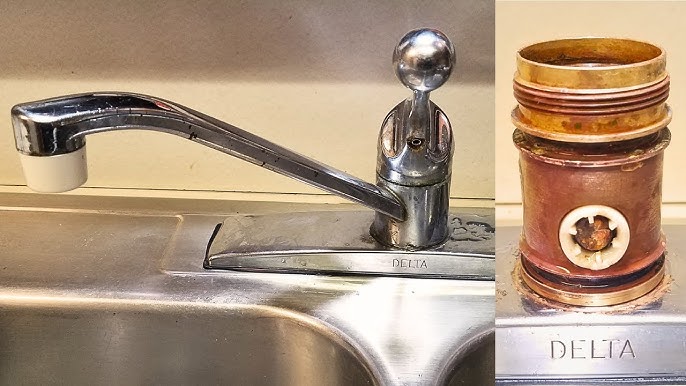
One of the first signs of wear is leaking. Faucets may start dripping continuously. This can lead to increased water bills. Often, worn-out seals or washers cause these leaks. It’s important to address these quickly to avoid further damage.
Reduced Water Pressure
Another sign is reduced water pressure. This can make washing dishes challenging. Mineral deposits often clog the faucet aerator. Sometimes, internal parts may wear out. Cleaning or replacing these components can restore pressure.
Rust And Corrosion
Rust is a visible sign of deterioration. It can appear on the faucet surface. Corrosion can damage internal parts, too. This weakens the faucet’s structure. Over time, rust can lead to leaks and reduced efficiency.
Credit: www.instagram.com
Frequently Asked Questions
When Should You Replace A Kitchen Faucet?
Replace a kitchen faucet when it leaks, has low water pressure, or shows rust. Upgrade if it’s outdated. Frequent repairs indicate replacement is needed. Choose a new faucet for efficiency and style. Regular maintenance can extend its lifespan but watch for signs of wear.
What Is The Average Life Of A Kitchen Faucet?
A kitchen faucet typically lasts 15-20 years. Factors like quality, usage, and maintenance can influence its lifespan. Regular cleaning and proper care can extend its longevity. Choose a reliable brand for longer durability.
What Is The Most Durable Long Lasting Kitchen Faucet?
The Moen Arbor Motionsense is a highly durable kitchen faucet, known for its long-lasting performance and reliability. Its solid construction and advanced technology ensure smooth operation, making it a popular choice for homeowners seeking durability and efficiency. Choose Moen Arbor for a durable and stylish kitchen upgrade.
Is It Worth Repairing A Faucet?
Repairing a faucet is often cost-effective. Fixing leaks saves water and prevents higher bills. Minor issues are usually easy to fix. Consider repair over replacement to maintain your budget. Consult a professional for complex problems to ensure long-term functionality. Investing in repairs can extend the faucet’s lifespan efficiently.
Conclusion
Kitchen faucets can last many years with proper care. Regular cleaning helps maintain their condition. Check for leaks and fix them promptly. Quality faucets often endure longer. Choosing durable materials is wise. Stainless steel or brass are good options. Consider replacing old faucets if they break often.
A well-maintained faucet boosts kitchen functionality. It’s worth investing in a reliable brand. Enjoy smooth water flow with proper upkeep. Keep your kitchen running efficiently. Remember, a little effort goes a long way. Protect your faucet to extend its lifespan.
Make it last.

Similar Posts