How to Choose a Faucet for a Kitchen: Expert Tips
Executive Chef & Lead Commercial Kitchen Specialist at Daily Kitchup Test Lab
Choosing the right faucet for your kitchen isn’t just about functionality—it’s about making a statement. Imagine your kitchen, a place where you craft delicious meals and share memorable moments with family and friends.
Now picture the faucet as the crown jewel of this space. Sounds important, right? But with so many options out there, how do you know which one will enhance your kitchen’s style and meet your practical needs? You might feel overwhelmed by the variety, but don’t worry—you’re not alone.
The right faucet can elevate your kitchen experience, making daily tasks smoother and adding a touch of elegance to your space. You’ll discover the key factors to consider when selecting a kitchen faucet. We’ll guide you through the maze of styles, materials, and features, ensuring you make an informed decision. Stick with us, and by the end of this read, you’ll have the confidence to choose a faucet that complements your kitchen perfectly. Ready to transform your kitchen into a masterpiece? Let’s dive in!
Credit: www.angi.com
Types Of Kitchen Faucets
Choosing the right kitchen faucet involves considering various types like pull-down, pull-out, and touchless models. Each type offers unique features suitable for different needs and kitchen styles.
Choosing the right kitchen faucet transforms your cooking space. With many styles available, selecting one can be overwhelming. Understanding different types simplifies your decision. Each type offers unique features, enhancing functionality and design. Let’s explore these options.Pull-down Faucets
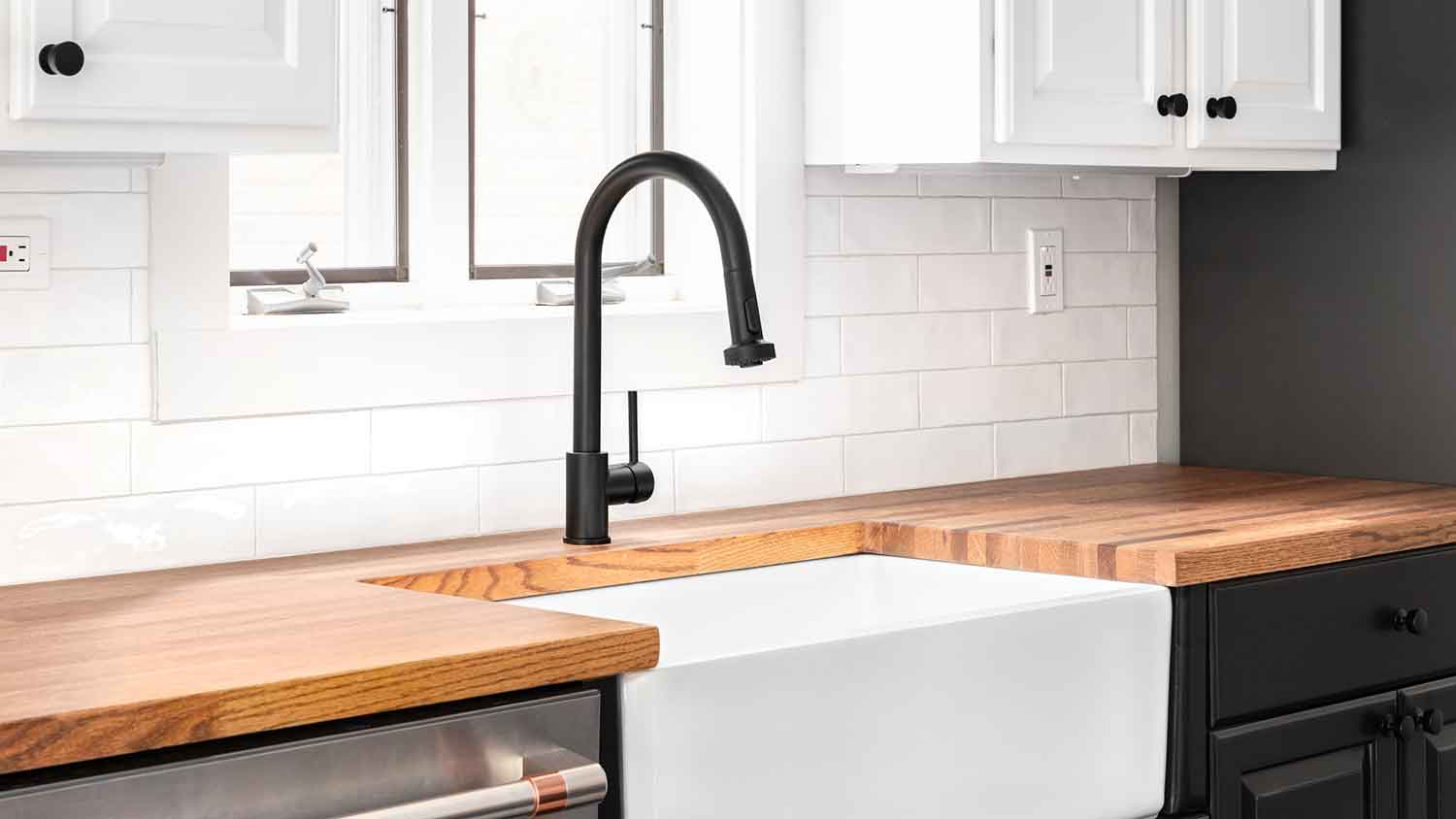
Pull-down faucets feature a high arc and flexible hose. Perfect for deep sinks. They offer excellent reach and versatility. Easy to clean large pots or pans. Stylish designs fit modern kitchens. Consider sink size when choosing.Pull-out Faucets
Pull-out faucets have a shorter spout. They feature a retractable hose. Ideal for smaller sinks. Offers convenience in washing vegetables. Provides flexibility in cleaning tasks. Compact design suits tight spaces.Single-handle Faucets
Single-handle faucets offer simplicity. Control water flow with one hand. Great for quick temperature adjustments. Sleek, minimalistic look enhances kitchen decor. Easy installation and use. Popular in busy kitchens.Double-handle Faucets
Double-handle faucets provide precise control. Separate handles for hot and cold water. Traditional design complements classic kitchens. Requires two hands for adjustments. Offers a balanced aesthetic. Durable and long-lasting.Touchless Faucets
Touchless faucets use sensor technology. Activate water flow with a wave. Ideal for hands-free operation. Promotes hygiene in the kitchen. Modern and sleek design. Energy-efficient and convenient.Material Considerations
Choosing the right material for your kitchen faucet is crucial, not just for aesthetics but also for functionality and durability. Imagine the joy of cooking in a kitchen where every element complements the next, including the faucet. But how do you decide which material is best for your kitchen? Let’s dive into some popular options to help you make an informed choice.
Stainless Steel
Stainless steel is a favorite for many homeowners due to its sleek appearance and durability. It’s resistant to rust and stains, making it ideal for a busy kitchen. If you have kids who love experimenting with water, stainless steel can handle the splashes. Plus, it’s incredibly easy to clean, saving you time and effort.
Brass
Brass faucets bring a warm, inviting tone to your kitchen. They are robust and can withstand frequent use without showing wear. Brass is less prone to corrosion, which means fewer repairs over time. Imagine the classic elegance it adds to your kitchen, making every meal preparation a luxurious experience.
Chrome
Chrome faucets offer a glossy finish that mirrors the light beautifully, enhancing your kitchen’s brightness. They are affordable and versatile, fitting well into modern or traditional settings. However, they may show fingerprints, so consider this if you want a pristine look without constant cleaning.
Bronze
Bronze faucets provide a vintage charm that can make your kitchen feel cozy and unique. They are durable and resistant to scratches, perfect for a rustic kitchen vibe. But think about the maintenance; bronze may require a bit more care to keep its shine. Are you ready to embrace this timeless elegance in your culinary space?
Now, consider your priorities. Is it durability, ease of maintenance, or a specific aesthetic you’re aiming for? Your choice of material will affect not just the look but also the long-term satisfaction of your kitchen experience.
Spout Height And Reach
Choosing the right kitchen faucet involves considering spout height and reach. These aspects impact functionality and aesthetics. A faucet’s spout height affects how much space is available above the sink. Reach determines how far the water extends into the sink. Both these factors influence ease of use and overall kitchen design.
High Arc Spouts
High arc spouts provide more clearance above the sink. They are ideal for filling tall pots and pitchers. Their elegant design adds a touch of sophistication to any kitchen. These spouts work well in kitchens with large sinks. They offer more space for washing and cleaning.
Low Arc Spouts
Low arc spouts suit compact kitchens. They offer a sleek, modern look. These spouts are perfect for smaller sinks. They provide ample water flow without taking up much space. Low arc spouts are less likely to splash, which keeps counters clean.
Adjustable Spouts
Adjustable spouts offer flexibility. You can move them to suit different tasks. They are great for multitasking in busy kitchens. These spouts allow users to direct water where needed. This feature is handy for various cooking and cleaning activities.
Mounting Styles
Selecting the right mounting style is crucial when choosing a kitchen faucet. Consider deck-mounted faucets for easy installation on countertops or sink-mounted options for a seamless look. Each style offers unique benefits, fitting different kitchen designs and needs.
Choosing the right faucet for your kitchen involves understanding mounting styles. The mounting style affects both the installation and the overall look. Each type offers unique benefits and suits different needs. Let’s explore the three main styles: deck-mounted, wall-mounted, and sink-mounted.Deck-mounted
Deck-mounted faucets sit directly on the countertop or sink deck. They are popular for their easy installation and versatility. This style works with most kitchen designs, offering a neat appearance. Ensure your countertop has enough space for installation. Deck-mounted faucets often come with multiple holes for added features. Consider these if you want a sprayer or soap dispenser.Wall-mounted
Wall-mounted faucets attach directly to the wall above the sink. They save valuable counter space, ideal for small kitchens. Cleaning is easier with no base to trap dirt. Ensure your plumbing supports this style before choosing. Wall-mounted options often have a sleek, modern look. They require precise installation to prevent leaks.Sink-mounted
Sink-mounted faucets integrate directly into the sink itself. Common in drop-in or undermount sink setups. This style simplifies cleaning around the faucet area. Sink-mounted options often come pre-drilled with the sink. Choose this style for easy installation. Check the number of holes needed for your faucet model.Water Efficiency
Choosing a kitchen faucet involves considering several factors, with water efficiency being crucial. Modern faucets can save water without sacrificing performance. Understanding flow rates and eco-friendly features helps make an informed choice.
Flow Rate Standards
The flow rate measures how much water a faucet delivers per minute. Standard kitchen faucets typically have a flow rate of 2.2 gallons per minute (GPM). Opting for faucets with lower flow rates can reduce water usage. Look for models with a flow rate of 1.5 GPM or less. This meets efficiency standards and conserves water.
Eco-friendly Features
Eco-friendly faucets often include aerators. Aerators mix air with water, reducing flow while maintaining pressure. This feature can lower water consumption by up to 30%. Some faucets also have adjustable flow settings. Users can switch between high and low flow modes based on the task. Another feature is the presence of ceramic disc valves. These valves prevent leaks, ensuring water is used efficiently. Check for certifications like WaterSense. WaterSense-labeled faucets meet rigorous efficiency standards. They guarantee water savings without compromising performance.
Finish Options
Exploring finish options is crucial when choosing a kitchen faucet. Popular finishes include chrome, stainless steel, and brushed nickel. Each finish offers unique benefits in terms of durability and style, enhancing your kitchen’s overall design.
Choosing the right finish for your kitchen faucet is like picking the perfect accessory to complete an outfit. The finish not only defines the look but also impacts the faucet’s longevity and maintenance. Your choice can transform the vibe of your kitchen, making it modern, classic, or even rustic. But how do you decide between the myriad options available?Matte Vs. Glossy
Matte finishes are subtle and sophisticated. They don’t scream for attention but rather blend seamlessly into the surroundings. If you’ve ever had a matte faucet, you know it resists fingerprints and water spots, making it a practical choice for busy kitchens. On the flip side, glossy finishes can add a touch of glamour. They reflect light beautifully, creating a sparkling effect that might catch your eye every time you enter the kitchen. However, they require more upkeep to maintain their shine. Are you ready for the commitment glossy brings?Coating Durability
The durability of a faucet’s finish is crucial, especially if you have a bustling kitchen. Look for finishes with a PVD (Physical Vapor Deposition) coating. PVD enhances the longevity and resistance to scratches and tarnishing. Have you ever wondered why some faucets look new even after years of use? It’s often because they have this protective layer. Consider the environment in your kitchen. Is it prone to humidity or frequent use? Opting for a durable coating ensures your faucet remains pristine despite these challenges. Would you rather invest once for lasting quality or face frequent replacements? Choosing a finish isn’t just about aesthetics. It’s about finding the balance between beauty and practicality that fits into your daily life. Take a moment to consider how these options align with your vision and lifestyle. Which finish feels like the right choice for your kitchen?Budgeting For A Kitchen Faucet
Choosing the perfect kitchen faucet requires more than just picking a design that catches your eye. It’s about balancing your needs with your budget. Knowing how much you’re willing to spend is crucial. This section will guide you through understanding the budget considerations when selecting a kitchen faucet.
Price Range
Kitchen faucets come in a wide array of price points. You might find options ranging from $50 to over $500. The lower end typically includes basic models with fewer features. These can be ideal if you’re upgrading on a tight budget or for a rental property.
Mid-range options, around $150 to $300, often offer a good balance of style and functionality. You’ll find faucets with features like pull-down sprayers and durable finishes. These are great for homeowners who want quality without breaking the bank.
If you’re looking at the high end, prices can exceed $500. These faucets are designed for luxury kitchens, offering advanced features like touchless technology and premium materials. Investing here can be worthwhile if you’re creating a high-end space.
Cost Vs. Quality
Spending more doesn’t always mean better quality. However, a higher price can often bring better materials and innovative features. But it’s important to weigh whether these features are necessary for your kitchen.
Consider whether the faucet’s finish will withstand daily use. Cheaper models might wear out faster, leading to additional costs down the road. This could mean replacing a faucet sooner than expected, which is an expense you might not have budgeted for.
Ask yourself: Are the extra features worth the investment? If you’re someone who loves cooking and spends a lot of time in the kitchen, a more expensive faucet might provide the functionality and durability you need.
- Set a clear budget before shopping.
- Compare prices and features across different brands.
- Read reviews to gauge long-term satisfaction.
Ultimately, the best kitchen faucet is one that fits your budget and meets your daily needs. Are you willing to invest in a faucet that enhances your cooking experience? Or is a basic model sufficient for your kitchen tasks? Consider these questions carefully to make a choice you won’t regret.

Credit: colstonconcepts.com
Brand Reputation
Choosing a kitchen faucet involves considering the brand’s reputation for quality and reliability. Trusted brands often offer durable faucets with good warranties. Prioritize brands known for excellent customer service and positive reviews.
Choosing a kitchen faucet involves more than just style and functionality; brand reputation plays a significant role. A reputable brand ensures quality, durability, and post-purchase support. When you invest in a well-known brand, you often receive peace of mind knowing that your kitchen faucet will serve you well for years.Top Brands
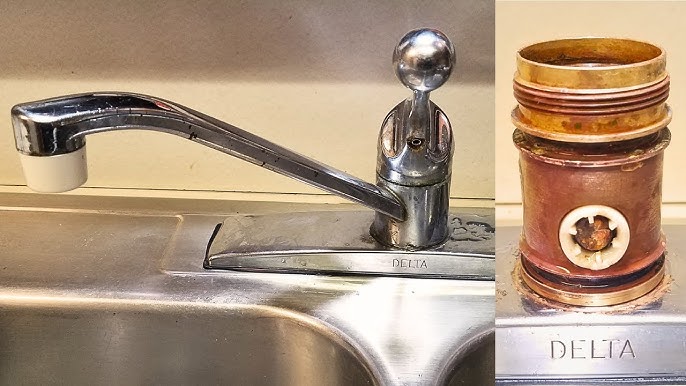
Some brands have established themselves as leaders in the kitchen faucet market. Names like Delta, Kohler, and Moen are synonymous with reliability and innovation. These brands have consistently delivered products that withstand the test of time and style trends. Buying from a top brand often means you are investing in a product that has been thoroughly tested. These brands typically offer a wide range of designs and finishes, catering to various tastes and kitchen aesthetics. What do you prioritize in a brand when making such an investment?Warranty Considerations
A good warranty is a hallmark of a reputable brand. It reflects confidence in their product’s longevity and performance. Brands like Moen often offer a lifetime warranty on their faucets, covering defects in material and workmanship. It’s crucial to read the warranty details carefully. Some warranties may cover only specific parts or offer limited coverage over time. Understanding the warranty can save you from unexpected costs and hassles later on, ensuring your kitchen faucet remains a reliable fixture in your home.Installation Considerations
Choosing the right kitchen faucet is more than just picking a style or finish. Installation considerations can make or break your experience, especially if you’re not prepared for the task ahead. Understanding whether to tackle the job yourself or call in a professional can save you from headaches and unexpected costs.
Diy Vs. Professional Installation
Deciding between a DIY installation and hiring a professional involves assessing your skills and tools. If you love tackling home improvement projects, installing a faucet might be a satisfying challenge. It’s a great way to learn and gain confidence. However, if the thought of dealing with plumbing gives you pause, hiring a professional can ensure everything is done correctly without any leaks or mishaps.
Consider your comfort level with tools and the complexity of your faucet. Some designs are straightforward with clear instructions, while others can be tricky. Don’t forget to check your current plumbing setup. Modern faucets might need adapters or additional fittings. You don’t want to start the installation only to find you’re missing crucial components.
Required Tools
Having the right tools is key to a successful faucet installation. Here’s a quick list to keep in mind:
- Adjustable Wrench:Essential for loosening and tightening nuts.
- Screwdriver:Both flathead and Phillips are often needed.
- Plumber’s Tape:Useful for sealing threaded connections to prevent leaks.
- Basin Wrench:Handy for reaching tight spaces under the sink.
It’s surprising how often a simple tool can make or break the job. Imagine realizing you don’t have a basin wrench halfway through the installation! That’s a trip to the hardware store you could have avoided. Planning ahead with the right tools can streamline the process and keep frustration at bay. So, what’s your tool readiness score? Are you prepared to dive into your faucet project?
Maintenance And Care
Choosing the right kitchen faucet involves considering maintenance and ease of care. Opt for durable materials like stainless steel or brass to ensure longevity. Select a design that matches your cleaning needs and lifestyle.
Choosing the right faucet for your kitchen involves more than just aesthetics. Maintenance and care are critical factors to ensure the longevity of your faucet. Regular cleaning and prompt repairs keep your faucet in pristine condition. Let’s dive into some practical tips for maintaining and caring for your kitchen faucet.Cleaning Tips
Proper cleaning extends your faucet’s lifespan. Use a mild soap with warm water to wipe away grime. Avoid harsh chemicals that can damage finishes. A soft cloth prevents scratches. For stubborn stains, a mixture of vinegar and water works wonders. Rinse thoroughly and dry with a clean towel to prevent water spots.Common Repairs
Common faucet problems include leaks and low water pressure. Leaks often stem from worn washers or seals. Replacing these parts usually solves the issue. Low water pressure might indicate mineral buildup in the aerator. Unscrew the aerator and clean it with vinegar to restore flow. For more complex issues, consult a professional plumber. Regular maintenance and timely repairs ensure your faucet functions smoothly for years.
Credit: www.thespruce.com
Frequently Asked Questions
What Factors To Consider When Choosing A Kitchen Faucet?
When choosing a kitchen faucet, consider style, functionality, and finish. Ensure it complements your kitchen design. Check for features like pull-down sprayers and touchless technology. Consider durability and warranty. Assess the ease of installation and maintenance. Make sure it fits your budget and meets your needs.
How Do I Choose A Faucet Style?
Choose a faucet style that matches your kitchen’s overall design. Consider modern, traditional, or transitional styles. Look for finishes that complement your cabinetry and appliances. Ensure the faucet style fits your sink type. Select a design that enhances your kitchen’s aesthetic appeal and functionality.
Are Touchless Faucets Worth The Investment?
Touchless faucets offer convenience and hygiene benefits. They reduce water wastage and are easy to use. They provide a modern look and are ideal for busy kitchens. Consider if the added cost aligns with your budget. Assess if features like motion sensors meet your needs.
How Important Is Faucet Material?
Faucet material affects durability and maintenance. Stainless steel and brass are popular for their strength and resistance to corrosion. Consider ease of cleaning and long-term performance. Material choice impacts the faucet’s longevity and overall kitchen aesthetic. Ensure it aligns with your kitchen environment and usage.
Conclusion
Choosing the right kitchen faucet doesn’t have to be hard. First, think about your needs. Do you wash many dishes? Then, consider the faucet style. Modern or traditional? Next, check the faucet’s finish. Match it with your kitchen decor. Lastly, set a budget.
Quality faucets come at various prices. Remember to measure your sink area. This ensures a perfect fit. With these tips, finding a faucet becomes simple. A good faucet can make your kitchen more functional and stylish. Happy shopping!

Similar Posts