How Hard is It to Replace Kitchen Cabinets: Expert Tips
Are you considering giving your kitchen a fresh look but wondering, “How hard is it to replace kitchen cabinets?” You’re not alone.
Many homeowners like you dream of transforming their kitchens without the daunting price tag of a full renovation. But before diving in, it’s crucial to understand what you’re signing up for. Replacing kitchen cabinets can seem like a Herculean task, but don’t let that scare you off.
Imagine opening those sleek, new cabinet doors, revealing a well-organized, clutter-free space. Picture your kitchen as the heart of your home, where every detail reflects your style and functionality needs. Curious to find out if this transformation is within your DIY skills or if you’ll need a helping hand? Keep reading to discover the hidden secrets, potential pitfalls, and expert tips that could save you time, money, and unnecessary stress. Your dream kitchen might be closer than you think!
Assessing Your Current Cabinets
Replacing kitchen cabinets requires careful assessment of your current setup. Before diving into the project, it’s crucial to understand the existing condition and style of your cabinets. This evaluation helps determine whether you need a simple refresh or a complete replacement.
Identifying Cabinet Condition
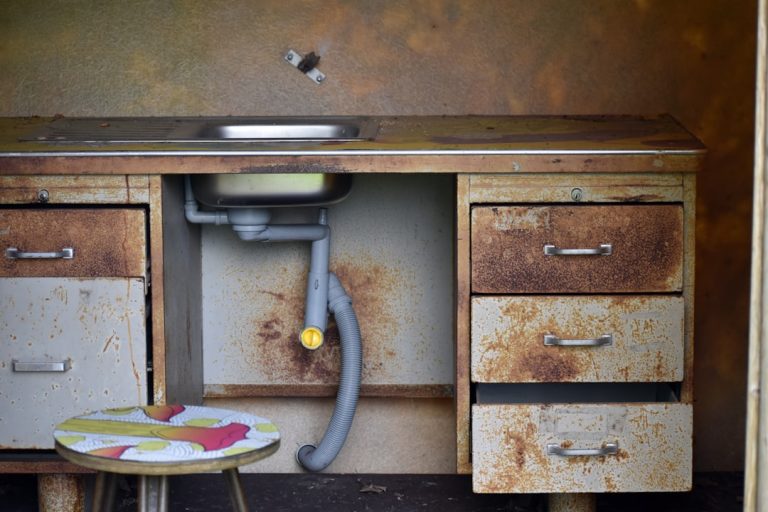
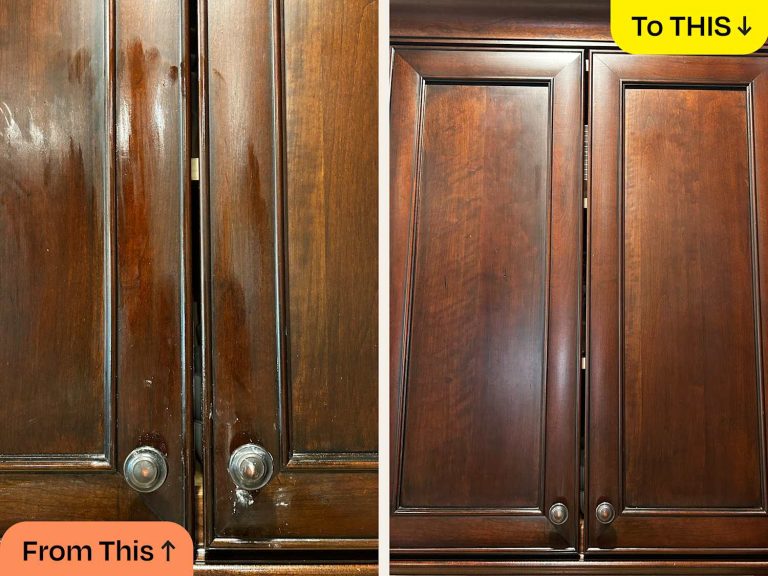
Examine each cabinet for damage or wear. Look for signs like peeling, cracks, or fading. These indicate poor condition and the need for replacement. Check the hinges and handles for rust or malfunction. Functional issues often require repairs or new cabinets.
Evaluating Material And Style
Assess the material of your cabinets. Are they made of solid wood, plywood, or laminate? Material affects durability and replacement costs. Consider the style too. Does it match your kitchen’s design? Outdated styles may clash with modern aesthetics, prompting a change.

Credit: www.improveitusa.com
Choosing New Cabinets
Choosing new kitchen cabinets is an exciting yet challenging part of the renovation process. It’s where style meets functionality, and your choices can transform your kitchen’s look and feel. But how do you make the right decision when faced with so many options?
Material Options
Understanding the different materials available is crucial. Each material has its pros and cons that can affect durability, cost, and appearance.
- Solid Wood:Offers a classic look and is highly durable. However, it can be pricey and sensitive to moisture.
- MDF:Medium-density fiberboard is a budget-friendly option that paints well, though it lacks the strength of real wood.
- Plywood:Known for its strength and resistance to warping, making it a great middle-ground choice.
- Laminate:Perfect for modern designs with its versatile finishes, but can chip over time.
Which material best fits your lifestyle and budget?
Style And Design Considerations
Choosing the right style and design is not just about aesthetics. It’s about creating a space that feels personal and functional.
- Traditional:Rich in detail with ornate features, perfect for creating a warm and inviting space.
- Contemporary:Sleek and minimalist, focusing on clean lines and subtle elegance.
- Rustic:Emphasizes natural materials and a cozy, lived-in feel.
- Transitional:Combines elements of both traditional and contemporary styles for a balanced look.
Consider how each style will blend with your current kitchen decor. Do you want your kitchen to make a bold statement or blend seamlessly with the rest of your home?
Tools And Supplies Needed
Replacing kitchen cabinets requires basic tools like a screwdriver, measuring tape, and level. Power tools such as a drill and saw may also be needed for cutting and fastening. Prepare a workbench and safety gear for a smooth and safe installation process.
Replacing kitchen cabinets can seem daunting, but with the right tools and supplies, it becomes a manageable task. Whether you’re a seasoned DIY enthusiast or just starting out, having the right equipment on hand is crucial for a successful project. Let’s dive into what you need to ensure your cabinet replacement goes smoothly.Essential Tools List
Before you begin, gather all the necessary tools to avoid interruptions during your work. Here’s a list of essentials:- Screwdriver Set:Both flathead and Phillips are needed for various screws.
- Drill:A cordless drill with various drill bits will make the process faster.
- Measuring Tape:Precision is key when measuring cabinet spaces.
- Level:Ensures your cabinets are perfectly aligned and not slanted.
- Stud Finder:Identifies the best spots to anchor your cabinets securely.
- Hammer:Useful for minor adjustments and securing nails.
- Crowbar:Helpful for removing old cabinets carefully.
Purchasing The Right Supplies
Selecting the right supplies is equally important. The materials you choose will affect both the aesthetics and durability of your cabinets. Consider these factors when purchasing:- Cabinet Material:Opt for materials like solid wood or plywood for longevity.
- Hinges and Handles:Choose styles that complement your kitchen’s decor.
- Paint or Finish:Decide if you want a natural wood look or a painted finish.
- Screws and Anchors:Ensure they are the right size for your cabinets.
Preparing The Kitchen Space
Replacing kitchen cabinets can be a challenging task. It requires careful planning and precise measurements. Proper preparation ensures a smoother installation process.
Preparing the Kitchen Space Embarking on the journey to replace your kitchen cabinets can be both exciting and daunting. Before you dive into the actual replacement process, preparing your kitchen space is crucial. This groundwork ensures a smoother transition and minimizes the risk of damage to your kitchen’s existing features. Let’s break down the essential steps that set the stage for a successful cabinet replacement.Clearing Out Cabinets
Start by emptying your cabinets of all items. This might seem tedious, but it’s a perfect opportunity to declutter and organize. Consider donating or discarding items you haven’t used in years. Utilize boxes or storage bins to keep your belongings safe and easily accessible. Label them clearly to avoid confusion later. Don’t forget those hard-to-reach corners—use this chance to clean areas that often get neglected.Protecting Floors And Surfaces
Your kitchen floor is about to become a bustling work zone. Protect it with durable drop cloths or heavy-duty cardboard to prevent scratches and dents. Secure these coverings with tape to keep them in place. It’s worth the extra effort to avoid unnecessary damage. Think about your countertops and appliances as well. Cover them with plastic sheets or towels to shield them from dust and debris. Taking these precautions now will save you headaches later. Have you ever thought about how much a small scratch can cost in repairs?Removing Old Cabinets
Replacing kitchen cabinets can be challenging. It involves removing old cabinets carefully to avoid damage. Proper planning and tools make the task easier and ensure smooth installation of new cabinets.
Removing old kitchen cabinets can seem daunting. Yet, with the right approach, it becomes manageable. Preparation is key. Ensure you have all necessary tools. Take your time. Rushing can cause damage or injury. Removing cabinets can be a dusty job. Wear protective gear for safety. Keep your workspace organized. This helps in avoiding accidents.Safe Removal Techniques
Start by emptying the cabinets. This reduces weight and makes handling easier. Unscrew the cabinet doors. Use a screwdriver for this task. Label the doors if you plan to reuse them. Next, detach the cabinet frames from the wall. Locate the screws holding them. Use a power drill to remove these screws. Have a helper support the cabinet as you work. This prevents the cabinet from falling.Handling Plumbing And Electrical
Turn off the water supply before working near plumbing. This prevents water damage. Disconnect any pipes linked to the sink. Use a wrench for stubborn fittings. Be cautious with electrical outlets. Turn off the power at the breaker box. Disconnect any wires carefully. If unsure, consult a professional. Safety should always come first.Installing New Cabinets
Installing new kitchen cabinets can transform your cooking space, offering both aesthetic appeal and functional benefits. While it might seem daunting, breaking the process down into manageable steps can make the task more approachable. It’s all about precision and patience. Here’s how you can ensure your new cabinets are installed with ease and accuracy.
Positioning And Leveling
Start by determining the exact location for each cabinet. Proper positioning is crucial; it affects both the look and the utility of your kitchen. Before you grab your tools, take a moment to visualize how you want your kitchen to flow.
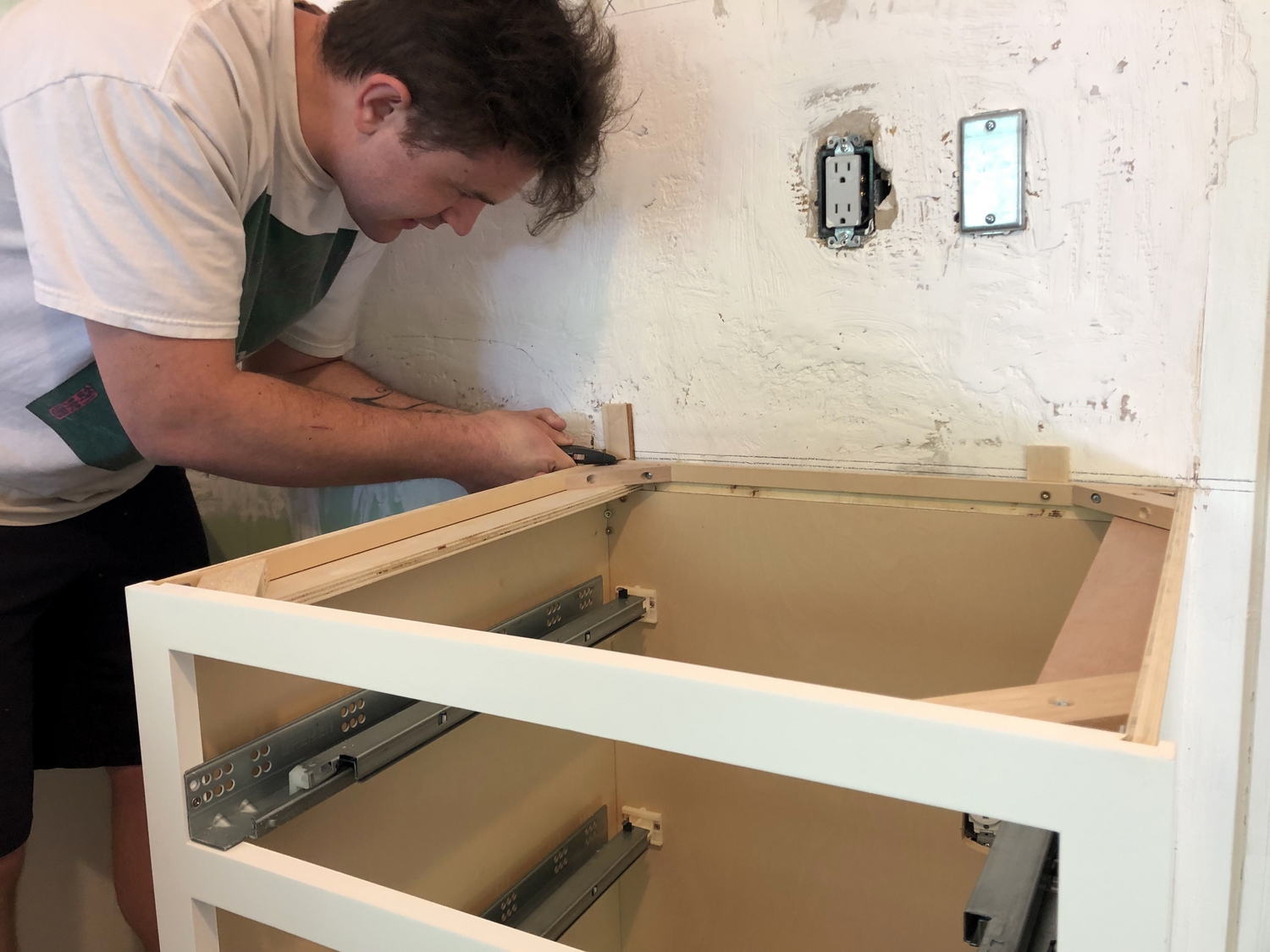
Once positioned, leveling is your next step. Use a spirit level to ensure each cabinet is perfectly horizontal. Even slight misalignments can lead to functionality issues, like doors not closing properly. Remember, this is your kitchen—make it work for you.
Securing Cabinets Properly
After leveling, securing the cabinets is where you need precision. Use the appropriate screws and anchors to attach cabinets to the walls and each other. This ensures stability and durability.
Don’t rush this process. Double-check your work. A cabinet that’s not properly secured can become a safety hazard. Consider the weight it will hold and ensure it’s mounted to withstand everyday use.
Have you ever found a cabinet door not closing properly due to improper installation? Taking the time to secure each piece thoroughly can prevent future headaches. Ensure your kitchen is ready for all the culinary adventures you plan to embark on.
Common Challenges And Solutions
Replacing kitchen cabinets can be a rewarding project. Yet, it comes with its own set of challenges. Homeowners often encounter issues like uneven walls and misalignments. Understanding these common obstacles and their solutions can make the process smoother.
Dealing With Uneven Walls
Uneven walls can complicate cabinet installation. Older homes often have this issue. It can cause gaps or misalignment. To tackle this, use shims. These small wedges help level your cabinets. Place them behind the cabinet frames. This adjusts the alignment with the wall. It creates a smoother look.
Before installation, check the wall’s evenness. Use a long level tool. This will help you identify problem areas early. Mark these spots. Then, apply shims where needed. A little preparation goes a long way.
Adjusting For Misalignments
Misalignments can occur during cabinet installation. Cabinets might not line up perfectly. This can affect both appearance and function. To fix this, start by loosening the screws. Realign the cabinet, then tighten the screws again. Always check the alignment with a level.
Use clamps to hold cabinets in place while adjusting. It ensures stability during the realignment process. If gaps remain, use filler strips. These strips bridge small gaps between cabinets. They improve the overall appearance and function.

Credit: homecabinets.com
Expert Tips For A Smooth Process
Replacing kitchen cabinets demands careful planning and precise measurements. Prioritize hiring professionals to ensure a seamless installation. Consider factors like style, budget, and time to manage the process effectively.
Replacing kitchen cabinets can seem like a daunting task. Whether you’re a seasoned DIY enthusiast or a novice taking on your first major home improvement project, the process can be streamlined with the right guidance. Let’s explore some expert tips that can transform this challenging job into a smoother, more manageable endeavor.Time-saving Tricks
Efficiency is key when replacing kitchen cabinets. Start by organizing all your tools and materials before you begin. Having everything at arm’s reach reduces unnecessary trips to the hardware store. Labeling is another time-saver. Label each cabinet and its corresponding parts like doors, hinges, and screws. This helps maintain order and ensures that you don’t mix up pieces. Consider working in sections rather than tackling the entire kitchen at once. This approach allows you to maintain a functional space and prevents the project from becoming overwhelming.Avoiding Common Mistakes
One common pitfall is neglecting to measure accurately. Double-check your measurements to prevent buying cabinets that don’t fit your space. Remember the old saying, “measure twice, cut once.” Another frequent mistake is failing to secure the cabinets properly. Ensure each cabinet is level and securely anchored to the wall studs. This step is crucial for safety and longevity. Don’t rush the installation of the doors and drawers. Misaligned doors can spoil the look and functionality of your new cabinets. Take your time to adjust them properly. By following these expert insights, you can turn the kitchen cabinet replacement into a rewarding project. Have you ever wondered how a small change can transform your entire kitchen space?Cost Considerations
Replacing kitchen cabinets can be expensive. Costs vary based on materials, labor, and design preferences. Budgeting carefully ensures a smoother renovation process.
Replacing kitchen cabinets can be a daunting task, especially when it comes to managing costs. Understanding the financial aspects involved is crucial to avoid unexpected expenses. Whether you’re planning a full-scale renovation or a budget-friendly facelift, knowing where your money is going can make all the difference.Budgeting For Materials
Start by identifying the type of materials you want for your cabinets. Are you opting for solid wood, laminate, or perhaps MDF? Each material comes with its own price range. For instance, solid wood is often more expensive but offers durability and a timeless look. Creating a detailed list of required materials and their costs helps you stay on track. Consider adding a buffer for unforeseen expenses. Just like when I discovered my dream handles cost more than anticipated, you might find hidden costs in your preferred choices.Labor Costs And Diy Savings
Hiring professionals can significantly increase your budget. Skilled labor ensures quality workmanship but comes with a price tag. If you choose to go this route, get multiple quotes to compare costs and services offered. Alternatively, if you have a knack for DIY projects, tackling cabinet replacement on your own can save you a substantial amount. Assess your skill level honestly. Some tasks are straightforward, but others, like precise fitting and alignment, might require more expertise. Could DIY be your best option? Think about the satisfaction of completing the project yourself versus the convenience of professional help. Balancing cost with skill can lead to impressive savings.
Credit: www.instagram.com
Frequently Asked Questions
What Is The Average Cost To Replace Kitchen Cabinets?
Replacing kitchen cabinets costs between $3,000 to $12,000 on average. Custom cabinets can increase the price significantly. Factors like materials, labor, and cabinet style affect the total cost. Opt for stock cabinets for a more budget-friendly option. Always get multiple quotes to ensure a fair price.
How Long Does It Take To Remove And Replace Kitchen Cabinets?
Removing and replacing kitchen cabinets typically takes 1 to 3 days. The timeline depends on the kitchen size and complexity. Hiring professionals can ensure quicker and more efficient work. Planning ahead and preparing the area can help speed up the process and reduce downtime in your kitchen.
Is It Worth It To Replace Kitchen Cabinets?
Replacing kitchen cabinets can enhance your home’s value and aesthetic appeal. It improves functionality and modernizes your space. Consider it if your cabinets are outdated or damaged. New cabinets can increase storage and create a fresh look, making it a worthwhile investment.
Is It Cheaper To Install Kitchen Cabinets Yourself?
Installing kitchen cabinets yourself can be cheaper. You save on labor costs by doing it yourself. Ensure you have the necessary skills and tools. Mistakes can lead to additional expenses. Consider professional help if unsure.
Conclusion
Replacing kitchen cabinets isn’t as hard as it seems. With proper planning, it’s manageable. Start by assessing your skills and time. Consider professional help if needed. Remember, preparation makes the process smoother. Choose materials and styles that fit your taste and budget.
Be patient and take it step-by-step. Mistakes happen, but they’re learning opportunities. Enjoy transforming your kitchen space. With effort, your kitchen will look great. Happy renovating!