You walk into your kitchen, ready to whip up a delicious meal, but instead, you’re greeted by an unwelcome sight—tiny flying insects buzzing around, turning your culinary sanctuary into their playground. These pesky intruders can be more than just an annoyance; they can spoil your food and disrupt the peace of your home.
You’re not alone in this struggle, and the good news is that you can reclaim your kitchen. Imagine preparing meals without the constant swatting and frustration. Imagine a kitchen that feels clean and inviting once more. By understanding what attracts these insects and how you can effectively eliminate them, you’ll be able to enjoy a bug-free cooking environment.
Stay with us as we dive into practical, easy-to-implement solutions that will help you say goodbye to these tiny nuisances for good.

Credit: www.youtube.com
Identifying Common Kitchen Pests
Small flying insects in the kitchen can be a nuisance. Keep your kitchen clean and dry to deter them. Use traps or natural repellents like vinegar to manage their presence effectively.
Identifying Common Kitchen Pests Does your kitchen often feel like a battlefield against tiny flying invaders? While it may seem overwhelming, identifying the culprit is half the battle won. Most of these pests fall into specific categories, each with unique traits that make them distinct from one another. Recognizing them is key to effectively managing and eliminating them from your home. Let’s dive into the most common offenders you might encounter in your kitchen.Fruit Flies
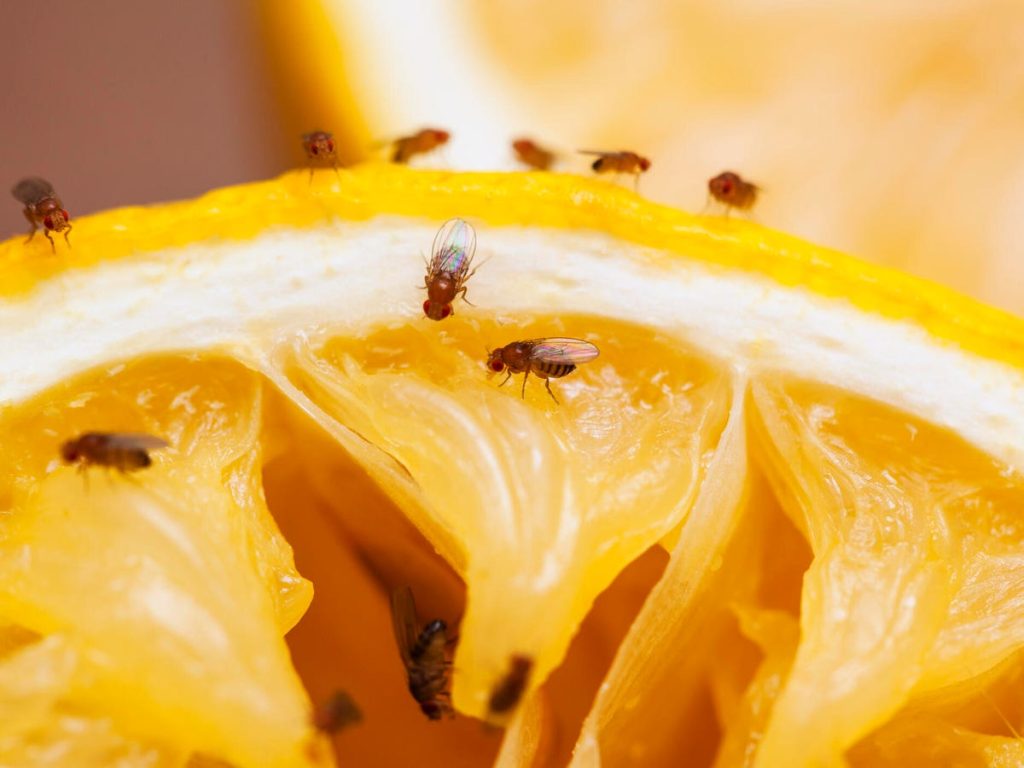
Fruit flies are perhaps the most notorious kitchen pests. These tiny insects are often spotted hovering around ripe fruits and vegetables. They are attracted to the sweet, fermenting scents of overripe produce. Have you ever left a banana out and found a swarm of these pests within hours? Fruit flies reproduce quickly, making them a challenging adversary. To tackle them, consider storing your fruits in the refrigerator or in airtight containers. Regularly cleaning your kitchen surfaces can also deter them from settling in.Drain Flies
Drain flies, as the name suggests, are commonly found near sinks and drains. They thrive in moist environments and feed on organic matter found in drain pipes. You might notice them buzzing around your sink when you’ve not used it for a while. Their fuzzy appearance makes them easy to identify. To eliminate drain flies, ensure your drains are cleaned frequently. Pouring a mixture of baking soda and vinegar down the drain can help clear out the organic buildup that attracts them.Gnats
Gnats can be a bit tricky to pinpoint since they are often mistaken for fruit flies. These tiny insects are attracted to moisture and organic material, making your kitchen a prime target. If you’ve ever overwatered a houseplant and noticed tiny flies around it, those were likely gnats. They can also be drawn to leftovers or spills that aren’t promptly cleaned. To prevent gnats, ensure that your kitchen is dry and clean, with no standing water or food debris. Additionally, let your houseplants dry out between watering to deter gnats from making a home in the soil. Identifying these pests is the first step toward reclaiming your kitchen. Once you know what you’re dealing with, targeted measures can be implemented to keep them at bay. Have you encountered any of these tiny nuisances in your kitchen? Remember, a proactive approach is your best defense.Causes Of Infestation
Warm, humid environments often attract small flying insects in kitchens. These pests thrive in leftover food and standing water. Regular cleaning and proper storage can help reduce their presence.
Small flying insects in your kitchen can be more than just an annoyance; they can become a real problem if not addressed promptly. Understanding the causes of infestation is the first step to effectively eliminating these pests. By identifying and rectifying the sources of attraction, you can keep your kitchen insect-free and maintain a clean and healthy environment.Food Sources
Your kitchen is a paradise for small flying insects due to the abundance of food. Fruit flies, for example, are attracted to ripened fruits and vegetables. If you have a bowl of fruit sitting out or crumbs scattered across countertops, these insects will surely make themselves at home. Even the tiniest amount of food residue can be enough to attract them. Consider this: have you ever left a banana out for just a day and noticed a sudden influx of fruit flies? That’s how quickly they can invade. Always store food in airtight containers and ensure all surfaces are clean.Moisture And Dampness
Moisture is another key factor in attracting these pesky insects. Kitchens are naturally humid environments, and this dampness can be a breeding ground for insects like gnats. Leaky faucets, wet sponges, or even condensation on windows can offer them the perfect habitat. Think about the last time you didn’t dry the dishes properly. Did you notice an increase in flying insects? Repair any leaks and keep your kitchen as dry as possible. You might be surprised by how much of a difference this can make.Open Windows And Doors
Keeping windows and doors open can be refreshing, but it also invites insects into your home. They are naturally drawn to light and warmth, making your kitchen a prime target. Imagine enjoying a cool breeze only to find your kitchen swarming with flies. Consider installing screens on windows and doors to keep these unwanted guests out while still letting the fresh air in. It’s a simple solution that can significantly reduce the number of insects entering your kitchen. Have you ever stopped to think about why these insects seem to gravitate towards your kitchen? Addressing these causes can transform your kitchen from a bug haven to a sanctuary. What will you tackle first?Preventive Measures
Keep kitchen clean and dry to deter insects. Store food in airtight containers to prevent attraction. Regularly dispose of trash to eliminate breeding grounds.
Preventive Measures are your first line of defense against small flying insects in the kitchen. By taking proactive steps, you can significantly reduce the chances of these pesky invaders making a home in your space. Let’s explore some practical strategies that will keep your kitchen insect-free.Proper Food Storage
Storing food correctly is crucial. Use airtight containers to keep pests away from your grains, cereals, and other dry goods. These containers not only prevent access but also keep your food fresh for longer. Refrigerate perishable items promptly. This includes fruits that might attract fruit flies if left out too long. Consider using glass or heavy-duty plastic containers. They are not only durable but also transparent, making it easy to identify the contents.Regular Cleaning Routine
A clean kitchen is less inviting to insects. Develop a habit of wiping down surfaces after cooking to remove crumbs and spills. Sweep and mop the floors regularly. Even the tiniest crumbs can be a feast for small insects. Don’t forget the less obvious areas. Clean under appliances and inside cupboards where food particles might accumulate.Sealing Entry Points
Identify and seal off entry points to prevent insects from invading. Check window screens and door seals to ensure they are intact and free from holes. Use caulk to seal any cracks or gaps in walls or around pipes. This blocks the paths insects often use to enter your kitchen. Consider installing door sweeps on exterior doors. They act as a barrier against small flying insects looking to sneak in. By incorporating these preventive measures, you not only protect your kitchen from pests but also maintain a cleaner, more organized space. What changes will you make to fortify your kitchen against these tiny invaders?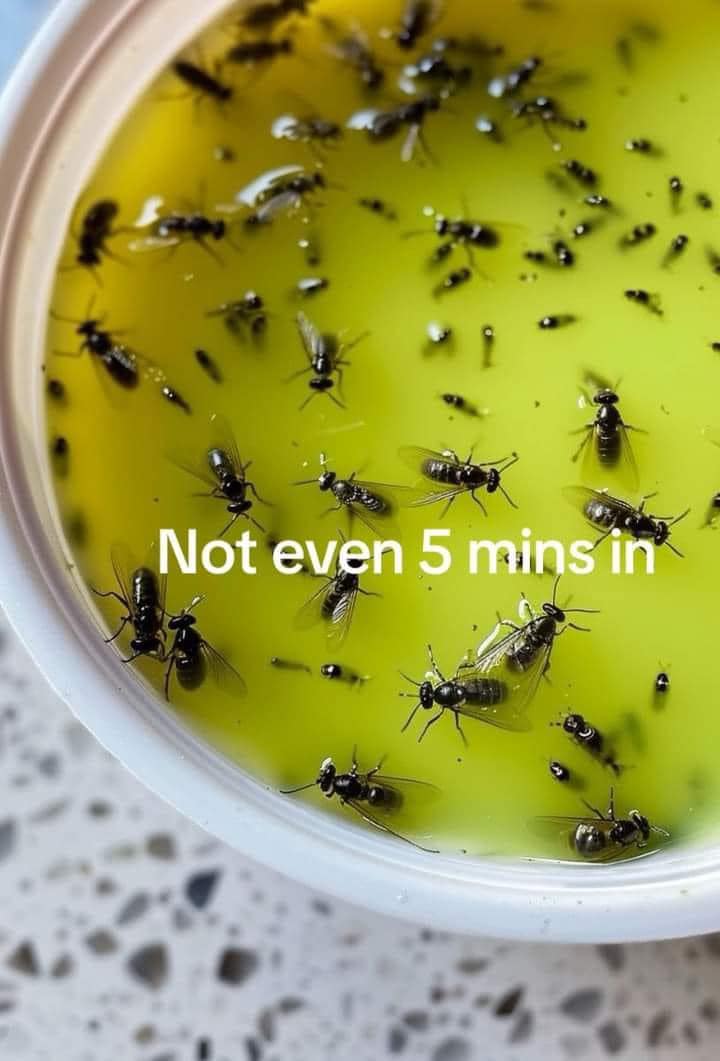
Credit: www.facebook.com
Natural Remedies
Small flying insects can be a nuisance in the kitchen. They disrupt the peace and can contaminate food. Using natural remedies is a safe way to tackle this issue. These methods are eco-friendly and easy to implement. They use everyday household items and natural ingredients. Let’s explore some effective solutions.
Vinegar Traps
Vinegar traps are simple and effective. They lure insects with their scent. Use apple cider vinegar for best results. Pour it into a bowl or jar. Cover with plastic wrap and poke small holes. Insects enter but cannot escape. This method is safe and non-toxic.
Essential Oils
Essential oils repel insects naturally. Peppermint and eucalyptus oils are great choices. Mix them with water in a spray bottle. Spray around kitchen surfaces and windows. This creates a barrier against pests. The aroma is pleasant for humans but deters bugs.
Herbal Repellents
Herbal repellents use the power of nature. Basil and mint plants work wonders. Place them near windows or countertops. Their scent keeps insects away. You can also dry these herbs and scatter them. They act as natural deterrents. This method is simple and effective.
Chemical Solutions
Chemical solutions can effectively eliminate small flying insects in the kitchen. Use insecticide sprays that target flying pests. Ensure all surfaces are clean to prevent future infestations.
Chemical solutions offer an effective way to tackle small flying insects in the kitchen. They work fast and are easy to apply. These solutions often target insects at all life stages. This means they can help prevent future infestations. Let’s dive into some common chemical solutions.Insect Sprays
Insect sprays are a popular choice for many households. They are effective against a wide range of insects. Most sprays contain ingredients that kill on contact. For best results, spray areas where insects are often seen. Always follow the instructions on the label. Keep pets and children away from sprayed surfaces until dry.Sticky Traps
Sticky traps are another effective solution. They lure insects onto a sticky surface where they get trapped. Place traps in areas where insects are frequently spotted. These traps are non-toxic and safe for homes with pets or children. They also help monitor the level of infestation.Foggers
Foggers release a mist that fills the room. This mist kills insects in hard-to-reach areas. Foggers are ideal for severe infestations. Before using a fogger, ensure the room is sealed. Follow instructions carefully for safety. Leave the area during the treatment process. Return only after the specified time on the product label.Professional Pest Control
Professional pest control effectively tackles small flying insects in kitchens. Maintain cleanliness and store food properly to prevent infestations. Use traps or natural repellents to keep these pests at bay.
Professional pest control offers a reliable solution for eliminating small flying insects. Experts use advanced techniques and products to ensure your kitchen is free from pests. Their services are comprehensive and efficient, targeting the root cause of infestations. Hiring professionals not only saves time but also provides peace of mind.When To Call Experts
Call experts when DIY methods don’t work. If the infestation grows, contact them immediately. Persistent insects indicate a deeper problem. Professionals can identify and treat hidden sources. Regular sightings of bugs also suggest a need for expert intervention.What To Expect From Services
Expect thorough inspections of your kitchen. Professionals will assess the extent of the infestation. They use safe and effective treatments. Services include follow-up visits to ensure complete removal. Experts provide advice on preventing future infestations.Cost Considerations
Costs vary based on the infestation’s severity. Prices depend on the size of your kitchen. Some companies offer packages or discounts. Investing in professional pest control protects your health and home. Budget for regular check-ups to prevent new infestations.Long-term Maintenance
Long-term maintenance is crucial for keeping small flying insects out of your kitchen. Regular care helps prevent infestations and ensures a clean, pest-free space. By adopting the right strategies, you can maintain a healthy environment. Below are essential practices for effective long-term maintenance.
Routine Inspections
Conduct regular inspections to spot insect activity early. Check areas where food is stored or prepared. Look under sinks and around garbage cans for signs of pests. Inspecting your kitchen weekly helps catch issues before they escalate. Make a checklist to ensure thorough inspections each time.
Ongoing Prevention Strategies
Implement ongoing strategies to deter insects from entering your kitchen. Seal cracks and crevices to block entry points. Keep food stored in airtight containers. Dispose of food waste promptly and keep trash bins clean. Install mesh screens on windows and doors to limit access.
Adapting Seasonal Changes
Adapt your maintenance routine according to seasonal changes. In warmer months, increase cleaning frequency due to higher insect activity. During cooler seasons, focus on sealing gaps and maintaining warmth. Adjust your strategies to match seasonal pest behavior for effective control.

Credit: www.houselogic.com
Frequently Asked Questions
What Are The Little Bugs Flying Around My Kitchen?
The tiny bugs in your kitchen are likely fruit flies or gnats. They thrive in moist areas and feed on overripe fruits. Keeping your kitchen clean and storing food properly can prevent infestations. Regularly empty trash bins and drain sinks to reduce breeding sites.
How Do I Get Rid Of Tiny Flying Insects?
Eliminate tiny flying insects by keeping areas clean, using insect traps, sealing windows, and applying natural repellents like vinegar. Ensure proper drainage and dispose of waste promptly to prevent breeding. Regularly inspect plants for infestation and prune or treat them accordingly.
Why Do I Suddenly Have A Fly Infestation In My Kitchen?
A sudden fly infestation often results from uncovered food, overflowing garbage, or unclean drains. Flies breed quickly in warm environments. Ensure trash is sealed, clean spills promptly, and maintain a tidy kitchen to prevent future infestations. Regularly check and clean potential breeding areas to keep flies away.
How To Permanently Get Rid Of Gnats In The Kitchen?
Eliminate gnats by cleaning spills, sealing food, and disposing of trash promptly. Use vinegar traps to catch them. Ensure drains are clean and dry. Keep windows and doors closed or use screens. Consider using essential oil sprays like peppermint or eucalyptus to repel them.
Conclusion
Small flying insects can cause frustration in your kitchen. Keep counters clean. Dispose of food waste quickly. Seal any cracks or openings. Use traps to catch pests. Regularly check for infestations. Consider natural repellents like vinegar and essential oils. Maintain a clean and dry environment.
Regular cleaning prevents insects from returning. Small changes make a big difference. Take control of your kitchen space. Enjoy a pest-free area. Protect your food and peace of mind. Use these steps to safeguard your kitchen. Keep those pesky insects away.
Stay proactive and vigilant. Your kitchen deserves a clean and fresh atmosphere.