What is the Standard Height of Kitchen Counters: Essential Guide
When you’re planning a kitchen remodel, every detail matters. You’re likely considering everything from the color of your cabinets to the type of backsplash you want.
But have you thought about the height of your kitchen counters? This might seem like a minor detail, but it can make a huge difference in how comfortable and functional your kitchen feels. Imagine preparing a meal without straining your back or reaching too high.
The right counter height can transform your cooking experience. Curious about what the standard height is and why it matters to you? Let’s dive into the details and discover how this seemingly small choice can impact your daily life in the kitchen. Keep reading to ensure your kitchen is perfectly tailored to your needs and comfort.

Credit: uk.pinterest.com
Importance Of Kitchen Counter Height
The height of your kitchen counters might seem like a minor detail, but it plays a crucial role in both functionality and comfort. Think about how often you use your kitchen—whether you’re chopping vegetables, mixing ingredients, or simply enjoying a cup of coffee, the counter height affects your ease of use and overall experience. A counter that’s too high or too low can lead to discomfort and even pain over time. It’s not just about aesthetics; it’s about creating a space that works for you and enhances your culinary adventures.
Importance Of Ergonomics
Ergonomics is all about designing spaces that fit the human body comfortably. When your counters are at the right height, you reduce strain on your back and shoulders. Imagine bending over a counter that’s too low—it’s not only inconvenient but could also lead to long-term health issues.
Consider your height and how often you cook. Tailoring counter height to your needs can make cooking a pleasure rather than a chore. It’s like having a tool that perfectly fits your hand; it makes tasks easier and more enjoyable.
Enhancing Productivity
Have you ever found yourself struggling to reach something on the kitchen counter or feeling cramped while preparing a meal? The right counter height can streamline your cooking process, making it more efficient.
When counters are at an optimal height, you move more freely, reducing the time spent adjusting your posture or reaching for items. This is particularly important if you spend a lot of time in the kitchen.
Creating A Comfortable Space
Comfort in the kitchen is paramount. You want a space that invites you in, not one that makes you dread cooking. A well-chosen counter height contributes to a welcoming atmosphere.
Think about a time when you felt truly comfortable in a kitchen—what was it that made the space inviting? Often, it’s the little things like the height of the counters that make a big difference.
Adapting To Family Needs
If your kitchen serves a family, consider the diverse needs of everyone who uses it. You might have children who need a lower counter or someone taller who prefers a higher one.
Balancing these needs can be tricky, but adjustable counters or multi-level designs can offer solutions. Reflect on how your kitchen can evolve with your family’s changing needs.
Making Informed Decisions
When planning your kitchen, take time to research and test different counter heights. Visit showrooms or ask friends about their experiences. Sometimes, real-world usage reveals insights that standard measurements don’t.
Ask yourself: How do you want to feel in your kitchen? Comfortable? Efficient? Happy? Your counter height is more than just a number; it’s a decision that impacts your daily life.
Credit: postdigitalarchitecture.com
Standard Measurements
The height of kitchen counters matters for comfort and efficiency. It affects how you cook, clean, and move in your kitchen. Knowing the standard measurements helps in designing a functional space.
Typical Heights
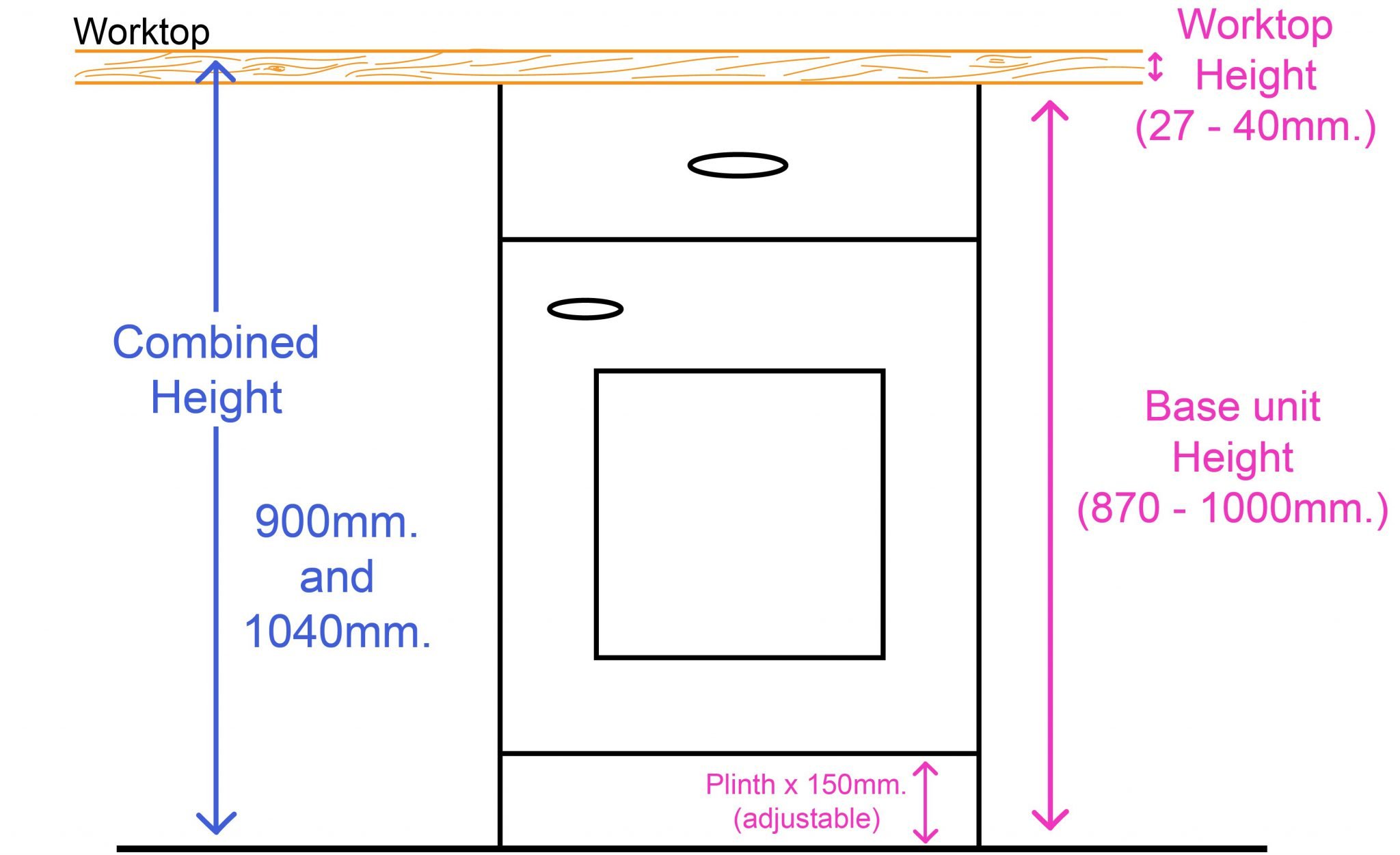
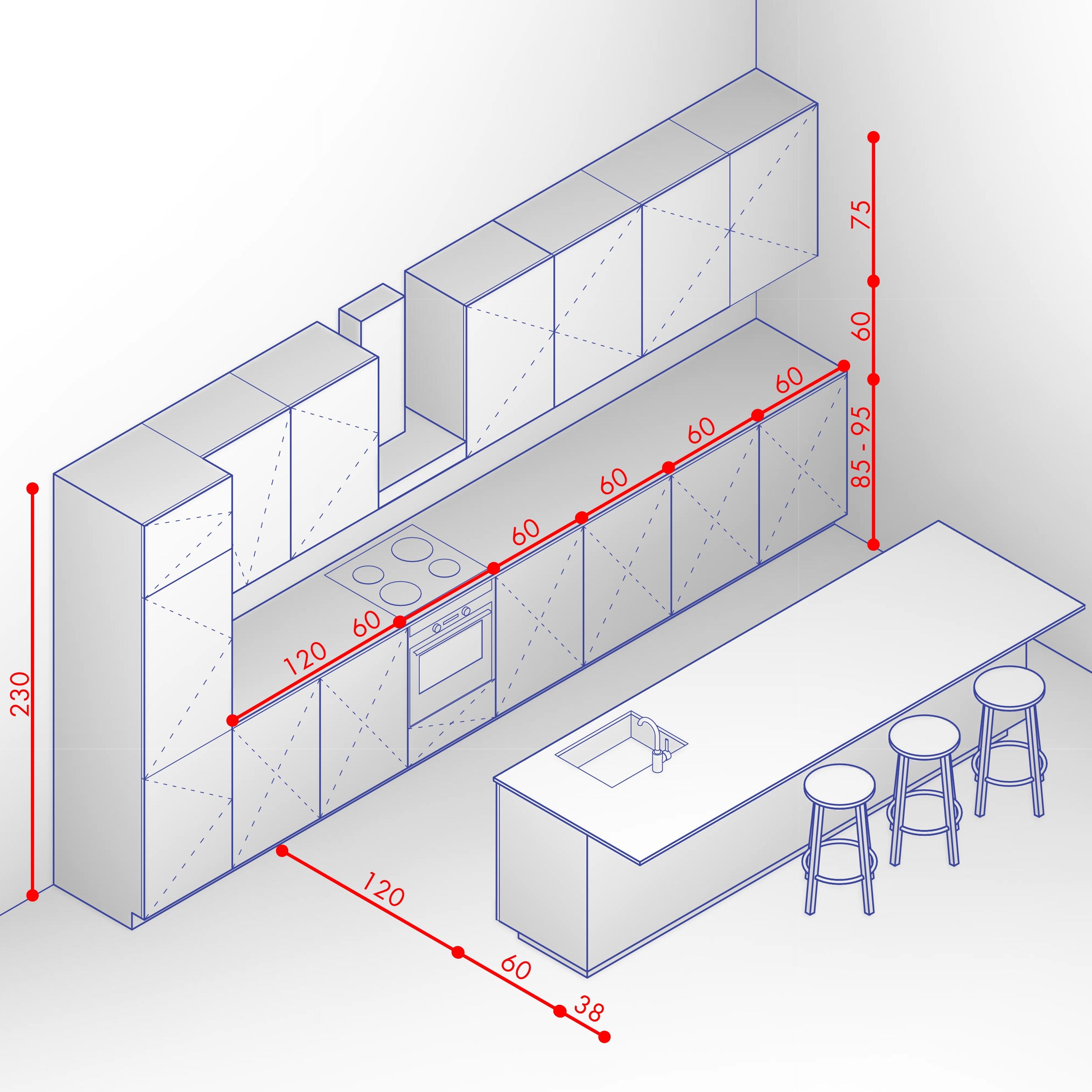
Most kitchen counters stand at 36 inches high. This height suits the average adult. It balances comfort and accessibility. The measurement includes the countertop thickness. Kitchens with these heights offer ease for most tasks.
Variations Across Regions
Counter heights vary by region. In Europe, counters may measure 34 inches. This suits the generally shorter average height. In contrast, some countries prefer 38 inches. Taller heights accommodate larger appliances. Regional preferences affect kitchen designs significantly.
Factors Influencing Counter Height
The height of kitchen counters is more than just a fixed number; it’s influenced by a variety of factors that cater to your lifestyle, comfort, and the latest design trends. Understanding these factors can help you create a kitchen space that’s not only functional but also a joy to use every day. Let’s dive into these considerations.
User Comfort
Imagine cooking your favorite meal and feeling relaxed rather than strained. The height of your kitchen counter plays a pivotal role in this comfort. If you’re taller or shorter than average, standard counter heights might not suit you. Adjusting counter heights to match your stature can make a world of difference. Consider how you feel after spending time in your current kitchen—could a change in height alleviate discomfort?
Ergonomics
Ergonomics isn’t just a buzzword; it’s about designing spaces that fit the human body. A counter height that supports proper posture can prevent back and neck strain. Think of it like choosing the right chair for your desk. When counters are at an ergonomic height, you can chop, mix, and prep with ease. How does your current setup support your body’s natural movements?
Kitchen Design Trends
Design trends are ever-changing, but they’re not just about aesthetics—they impact functionality too. Modern kitchens often blend style with practicality, and counter height is a key part of this equation. Open concept kitchens might favor lower counters for visual flow, while minimalist designs may opt for sleek, taller surfaces. What trends resonate with your personal taste and practical needs?
Customizing Counter Height
Customizing the height of kitchen counters offers flexibility and comfort. It ensures that cooking and other tasks are more enjoyable and efficient. Whether for ergonomic purposes or aesthetic preferences, adjusting counter height can make a big difference. This guide explores options and considerations for personalizing your kitchen counters.
Adjustable Options
Adjustable counters cater to varying user needs. They allow for height changes based on tasks or user height. Some counters come with built-in mechanisms for easy adjustments. This feature is helpful in homes with multiple users. It ensures everyone can work comfortably.
Manufacturers offer counters with manual or electric height adjustment. Manual options often involve a simple crank mechanism. Electric versions may use buttons for easy operation. Both provide flexibility for different activities in the kitchen.
Special Needs Considerations
Designing a kitchen with accessibility in mind is crucial. Custom counter heights accommodate those with mobility issues. Lower counters allow wheelchair users easier access. Adjustable counters can also help meet these needs.
Consider installing counters with varied heights for diverse needs. This includes lower counters for seated tasks. It’s essential to think about reachability and ease of use. Making adjustments can greatly enhance daily comfort and independence.
Impact On Kitchen Functionality
The standard height of kitchen counters significantly affects kitchen functionality. It influences how comfortably you work and interact with appliances. A well-designed counter height can make daily kitchen tasks easier and more enjoyable.
Workflow Efficiency
The right counter height enhances workflow efficiency in the kitchen. It allows for a smooth transition between different tasks. Preparing food, cooking, and cleaning become seamless with an optimal counter height. You move less and work more efficiently. The standard height helps reduce strain, making it easier to reach and work comfortably.
Appliance Compatibility
Appliance compatibility is crucial for a functional kitchen. Standard counter height ensures appliances fit properly. Dishwashers, ovens, and microwaves align with counters for easy access. This alignment prevents awkward bending or stretching. It also supports safe and efficient use of kitchen gadgets. Proper height ensures everything is within reach and functions smoothly.
Tips For Choosing The Right Height
Choosing the right height for your kitchen counters can transform your cooking experience. The standard height often varies, but finding the perfect fit for you can make everyday tasks easier and more enjoyable. Comfort and functionality should be your guiding principles. Let’s explore some practical tips to help you make the best decision.
Consulting Professionals
Consider reaching out to kitchen design experts who understand the nuances of counter heights. They can offer insights based on your kitchen’s layout and your specific needs. A professional eye might highlight factors you hadn’t considered, such as ergonomic benefits. Your kitchen should be tailored to your lifestyle, not just follow a standard model.
Testing Different Heights
Before making a decision, experiment with different counter heights. You can use adjustable platforms to mimic various heights, allowing you to experience what feels best. This hands-on approach ensures that you select a height that complements your cooking style. Think about how you move and work in your kitchen. Are you comfortable chopping veggies or kneading dough at this height? Test thoroughly before committing.
Credit: www.angi.com
Frequently Asked Questions
What Is The Typical Counter Height?
The standard kitchen counter height is 36 inches from the floor. This height suits most users for meal preparation and cooking activities. It provides a comfortable work surface for chopping, mixing, and other kitchen tasks.
Are Kitchen Counters Height Adjustable?
Most kitchen counters are fixed at the standard height of 36 inches. However, some custom designs might offer adjustable features. These designs cater to specific needs, like wheelchair accessibility or ergonomic preferences.
Why Is Counter Height Important?
Counter height impacts comfort and efficiency in the kitchen. The standard height of 36 inches suits most adults, reducing strain during food preparation. Proper height ensures ease of use for cutting, mixing, and other tasks.
How Does Counter Height Affect Kitchen Design?
Counter height influences kitchen layout and functionality. A standard height of 36 inches helps create a seamless flow between appliances and work areas. It contributes to a cohesive and ergonomic kitchen design.
Conclusion
Choosing the right kitchen counter height is crucial. It impacts comfort and efficiency. Standard heights fit most needs. They cater to average adult heights. Custom options exist for specific needs. Consider your kitchen’s design and your height. These factors ensure optimal functionality.
Don’t forget about cabinet and appliance placements. They affect the final counter height. Balance style and practicality for the best results. Consult professionals if unsure. They offer valuable insights. Create a kitchen space that suits you. Enjoy cooking and entertaining with ease.