Are you dreaming of a new kitchen but worried about the cost? You’re not alone.
Many homeowners wonder, “How much does it cost to build a kitchen? ” It’s a question that can keep you up at night, but it doesn’t have to. Imagine cooking in a space that’s both beautiful and functional, where every dollar spent enhances your home’s value and your daily life.
Before you dive into the details, it’s crucial to understand the factors that influence the price. From materials and appliances to labor and unexpected expenses, knowing what to expect can save you from surprises down the road. Stick with us as we unravel the costs and help you make informed decisions, ensuring your kitchen becomes the heart of your home without breaking the bank.

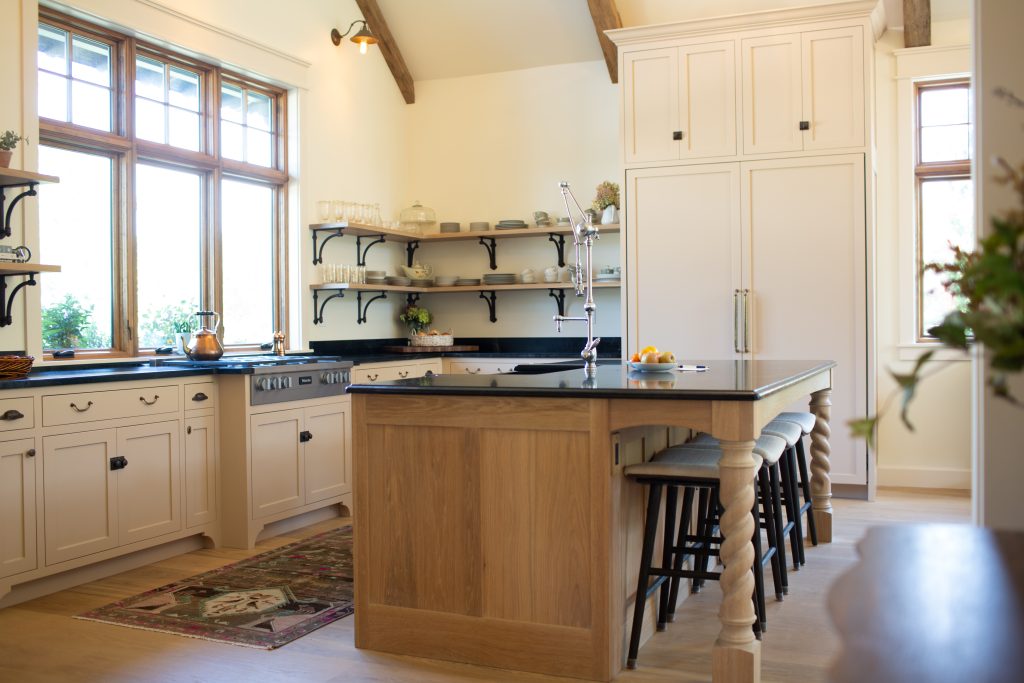
Credit: pbphomerepair.com
Factors Affecting Kitchen Costs
The cost to build a kitchen varies due to factors like materials, size, and design complexity. Appliances and labor also play significant roles in determining the overall expense. Careful planning and budgeting can help manage these costs effectively.
Factors Affecting Kitchen Costs Building a kitchen is an exciting journey, but it’s important to understand the various factors that can influence the overall cost. Several elements play a crucial role in shaping your budget, and making informed choices can help you manage expenses effectively. Let’s dive into the key factors that can impact the cost of creating your dream kitchen.
Size And Layout
The size and layout of your kitchen are pivotal in determining the overall cost. Larger kitchens generally require more materials, labor, and time to complete. An expansive kitchen can offer more space for appliances and cabinets but will also demand a higher budget. The layout matters too. Choosing a complex design with islands or unique shapes may increase costs due to additional construction work. Consider whether you really need extra space or if a more compact design can meet your needs.
Material Choices
Material choices can dramatically affect your kitchen budget. Opting for high-end materials like granite countertops or custom cabinetry can significantly raise costs. If you’re looking to save, explore alternatives like laminate or butcher block surfaces that offer durability without the hefty price tag. Think about where you spend most of your time in the kitchen. Investing in quality materials for frequently used areas while economizing on less crucial spots could be a smart strategy.
Appliance Selection
Appliances are another major cost factor in kitchen construction. High-tech gadgets and top-of-the-line models come at a premium. Are state-of-the-art appliances essential for your culinary adventures, or can you achieve the same results with more affordable models? Assess your cooking habits and prioritize appliances that enhance your kitchen experience without breaking the bank. You might find that a mid-range oven or fridge suits your needs perfectly.
Labor Expenses
Labor expenses can vary widely depending on the complexity of your kitchen project. Skilled workers are indispensable for quality craftsmanship, but their expertise comes at a cost. Are you planning intricate tile work or custom installations? These require more labor hours and, consequently, higher expenses. Consider your DIY skills. Tackling some tasks yourself could significantly reduce costs. However, ensure you have the necessary skills to avoid costly mistakes that might require professional intervention later. Thinking about these factors can help you navigate the kitchen building process with confidence. What choices can you make today to create a kitchen that fits both your lifestyle and your budget?
Budgeting For Kitchen Renovation
Building a kitchen can cost between $10,000 and $50,000, depending on design and materials. Custom cabinets, countertops, and appliances can increase expenses. Proper budgeting helps manage costs effectively.
Budgeting for Kitchen Renovation Planning a kitchen renovation is exciting. Budgeting is the first step. It ensures you don’t overspend. Careful planning can save money and stress. Learn how to set a budget that works for you.
Setting A Realistic Budget
Know your financial limits. Consider all costs. Include materials, labor, and permits. Research average costs in your area. Talk to contractors for estimates. Set aside extra funds for surprises. A clear budget keeps you on track.
Allocating Funds Efficiently
Divide your budget wisely. Allocate more funds to essential areas. Cabinets and countertops are important. Choose quality materials for durability. Consider energy-efficient appliances. They save money in the long run. Efficient allocation prevents overspending.
Prioritizing Essential Features
Focus on what matters most. Identify key features. Cabinets, countertops, and appliances are crucial. Lighting and flooring enhance functionality. Avoid unnecessary extras. Stick to the essentials for a successful renovation. Prioritization helps you stay within budget.
Cost Breakdown Of Kitchen Elements
Understanding the cost breakdown of kitchen elements can help budget efficiently. Each part of a kitchen contributes to the overall cost. Let’s explore the expenses for cabinetry, countertops, flooring, and lighting.
Cabinetry Expenses
Cabinets form a significant part of kitchen costs. Their price depends on material and design. Custom cabinets often cost more than stock options. Look for durable materials that resist moisture and wear. High-quality wood or laminate can be a good choice.
Countertop Costs
Countertops vary in price based on material. Granite and quartz are popular choices. They offer durability and style but can be expensive. Laminate countertops are more affordable. They provide a good appearance at a lower cost.
Flooring And Tiling
Flooring impacts the kitchen’s look and feel. Options range from tiles to hardwood. Tiles are easy to clean and come in various designs. Hardwood adds warmth but needs regular maintenance. Consider your lifestyle when choosing flooring.
Lighting And Fixtures
Proper lighting enhances kitchen ambiance. It includes overhead lights and under-cabinet fixtures. LED lights are energy-efficient and long-lasting. Choose fixtures that complement your kitchen style. They can be both functional and decorative.
Ways To Save On Kitchen Construction
Explore budget-friendly ideas to cut kitchen construction costs. Repurpose existing materials and choose affordable finishes. Consider open shelving instead of cabinets for a modern, cost-effective look.
Building a kitchen can be expensive. There are ways to save money during construction. Smart choices can reduce costs without sacrificing quality. Here are some strategies to help you save.
Choosing Cost-effective Materials
Select materials that offer durability and affordability. Look for sales on tiles and countertops. Consider laminate or vinyl for flooring. These materials are cheaper than hardwood or stone. Opt for ready-to-assemble cabinets to cut costs. They provide style without the high price tag. Explore recycled materials for a unique touch at a lower cost.
Diy Vs. Professional Help
Decide which tasks you can handle yourself. Painting walls and installing handles are simple DIY projects. These can save on labor costs. For complex tasks like plumbing, hire professionals. Doing it wrong can lead to costly repairs. Balance DIY efforts with professional expertise to maintain quality.
Timing And Seasonal Discounts
Plan your kitchen build during sale seasons. Look for discounts during holidays or clearance events. Purchase materials in off-peak seasons for better deals. Contractors may offer lower rates in slower months. Time your project to benefit from these savings.
Financing Your Kitchen Project
Renovating your kitchen can be a significant investment. Finding the right financing method is crucial. Understanding different financing options can help manage costs effectively. Let’s explore some ways to fund your kitchen project.
Exploring Loan Options
Many people consider taking a loan for a kitchen remodel. Personal loans are a popular choice. They provide flexibility and don’t require collateral. Home equity loans are another option. They offer lower interest rates. But they use your home as security. Carefully compare interest rates and terms before deciding.
Using Savings Wisely
Using your savings is a smart way to fund your kitchen. It avoids interest payments and debt. Yet, ensure you don’t deplete emergency funds. Create a budget to determine how much you can allocate. This method offers financial peace of mind. But it requires careful planning.
Considering Payment Plans
Many contractors offer payment plans. These plans break costs into manageable monthly payments. This method helps avoid large upfront payments. Always read the terms to avoid hidden fees. Ensure the plan fits your budget. Payment plans can ease financial strain while updating your kitchen.

Credit: www.homedepot.com
Common Mistakes To Avoid
Estimating kitchen construction costs often leads to common errors like ignoring hidden expenses or underestimating material quality. Accurate budgeting requires careful planning, considering factors like design complexity and labor charges to avoid unexpected financial surprises.
Building a kitchen is an exciting project that can transform your home, but it’s easy to make costly mistakes if you’re not careful. As you embark on this journey, understanding common pitfalls can help you avoid unnecessary stress and expense. Let’s explore some of these common mistakes and learn how to steer clear of them.
Underestimating Costs
One of the biggest mistakes homeowners make is underestimating the total cost of a kitchen remodel. It’s not just about the price of cabinets and countertops. You also need to factor in plumbing, electrical work, and potential structural changes. Create a comprehensive budget that includes all aspects of the renovation. Consider making room for unexpected expenses that might pop up. Have you accounted for labor costs and permits?
Ignoring Functional Design
A beautiful kitchen means little if it doesn’t function well. People often get caught up in aesthetics and forget the importance of a practical layout. You don’t want to end up with a stunning kitchen that frustrates you every time you cook a meal. Think about how you use your kitchen daily. Is there enough space for cooking and storage? Ensure that appliances are placed strategically for easy access.
Overlooking Hidden Expenses
Hidden expenses can sneak up on you and derail your budget. These might include things like delivery charges, disposal fees for old materials, or small fixtures that were overlooked. Pay attention to every detail when planning your kitchen. Are there items that seem minor but could add up over time? Make a list of potential hidden costs and check them off as you go. Avoid these common mistakes, and you’ll be well on your way to creating a kitchen that’s both beautiful and functional without breaking the bank.
Trends In Kitchen Design And Costs
Modern kitchen design trends focus on functionality and style. Costs vary widely, with basic setups starting around $10,000. High-end designs, featuring custom cabinetry and premium appliances, can exceed $50,000.
Trends in kitchen design evolve with changing lifestyles and technology. Understanding these trends can help you estimate costs and make informed decisions. Whether you prefer modern or traditional styles, sustainable options, or smart innovations, each choice affects your budget differently.
Modern Vs. Traditional Styles
Modern kitchens often feature sleek designs with minimal clutter. They use high-end materials like quartz and stainless steel. These choices can increase costs due to the price of materials and installation. Traditional kitchens focus on classic elements like wood and stone. They may include ornate designs and custom cabinetry, which can be expensive. Choosing between these styles impacts the overall budget significantly.
Sustainable And Eco-friendly Options
Sustainable kitchens prioritize eco-friendly materials and energy-saving appliances. Recycled countertops and bamboo flooring are popular choices. These options may have higher upfront costs but save money over time. Energy-efficient appliances reduce electricity bills. Investing in sustainable design can be both environmentally responsible and cost-effective long-term.
Smart Kitchen Innovations
Smart kitchens integrate technology to simplify tasks. Features like smart ovens and fridges offer convenience but come with a price. Automated lighting and voice-controlled devices enhance functionality. These innovations can raise the cost due to advanced technology and installation. Embracing smart options adds a modern touch but requires a larger budget.
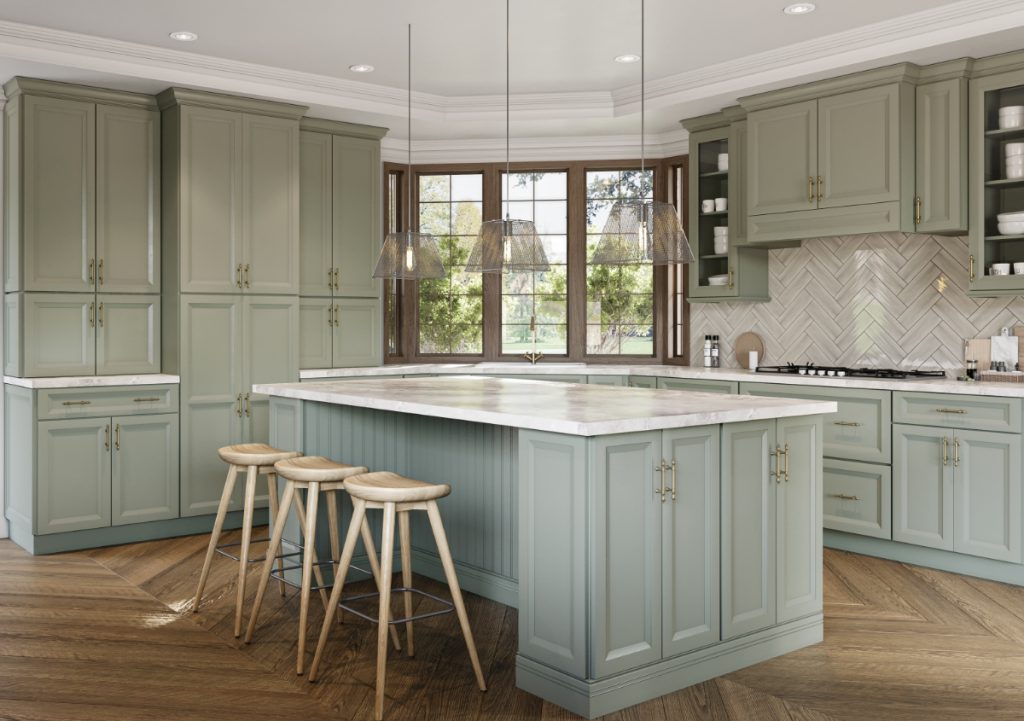
Credit: www.rtacabinetstore.com
Frequently Asked Questions
What Is A Realistic Budget For A Kitchen?
A realistic kitchen budget ranges from $10,000 to $50,000. Costs vary based on size, materials, and design preferences. Allocate funds for appliances, cabinetry, countertops, and labor. Consider potential resale value when planning expenses. Prioritize essential upgrades to maximize functionality and style.
Always set aside a contingency fund for unexpected expenses.
Is $10,000 Enough For A Kitchen Remodel?
$10,000 can cover a minor kitchen remodel. Focus on painting, updating fixtures, and refacing cabinets. High-end materials and appliances might exceed this budget. Plan wisely and prioritize essential changes for effective results. Always get multiple quotes to maximize your budget.
How Much Does A 12×12 Kitchen Cost?
A 12×12 kitchen remodel typically costs between $10,000 and $30,000. Prices vary based on materials, design, and labor. Custom features or high-end appliances can increase costs significantly. Budget-friendly options may reduce expenses, while luxury upgrades can push costs higher. Always consider getting multiple quotes from contractors.
How Much To Rip Out And Install A New Kitchen?
The cost to rip out and install a new kitchen ranges from $10,000 to $25,000. Factors like materials, labor, and kitchen size impact the price. For a more luxurious kitchen, costs can exceed $50,000. To get an accurate estimate, consider consulting with a professional kitchen contractor.
Conclusion
Building a kitchen involves various costs. Materials, labor, and design choices affect the total price. Budgeting carefully helps manage expenses. Start with setting a clear budget. Explore options within your price range. Consider quality and durability. Always get multiple quotes from contractors.
Compare prices for materials and appliances. Keep track of every expense. Planning ahead can save money. Focus on essentials first. Adjust plans to fit your budget. Create a kitchen that meets your needs. Enjoy the process of building your dream space.
With careful planning, your kitchen can become a cherished part of your home.