Can I Just Paint Over My Kitchen Cabinets? Expert Tips
Are you tired of the look of your kitchen cabinets but worried about the hassle and cost of replacing them? You’re not alone.
Many homeowners wonder if painting over their existing cabinets could be the simple solution they’ve been searching for. It’s tempting to think that a quick coat of paint could transform your kitchen’s appearance without breaking the bank. But before you grab a brush, there’s a lot to consider.
Will the paint stick? What kind of preparation is needed? And, most importantly, will the finished look live up to your expectations? In this guide, we’ll dive into everything you need to know about painting your kitchen cabinets, helping you make the best choice for your home. Don’t let uncertainty hold you back from achieving the kitchen of your dreams. Read on to discover how you can refresh your cabinets with confidence.
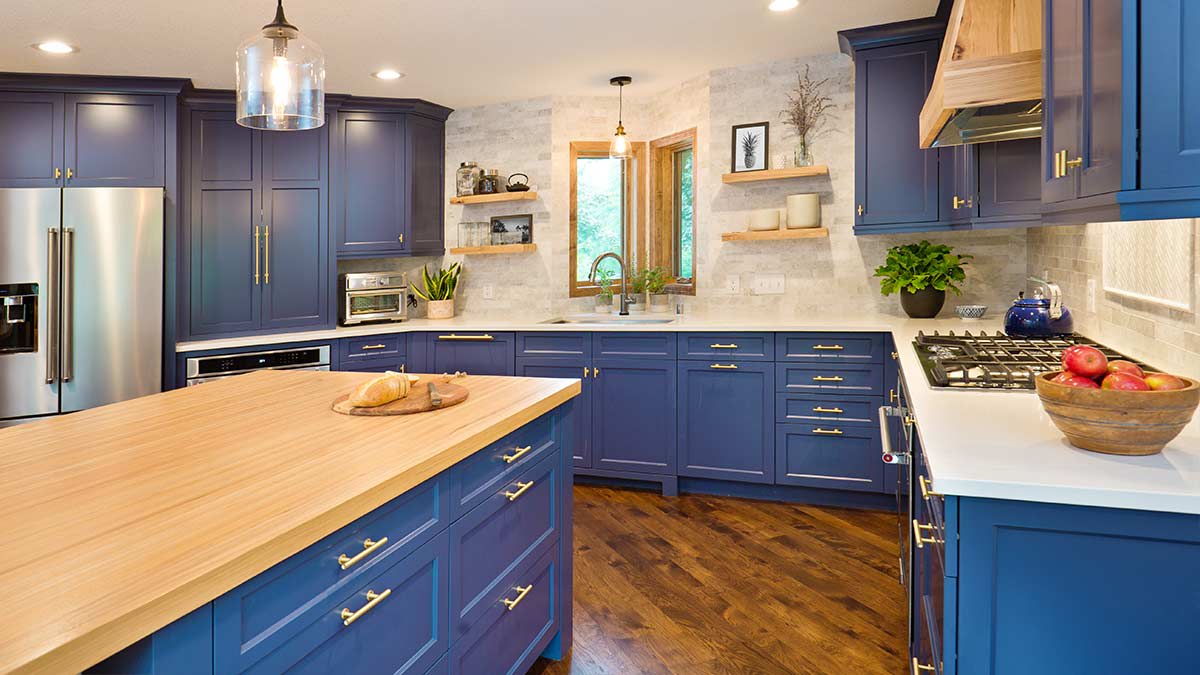
Credit: www.consumerreports.org
Assessing Cabinet Condition
Painting kitchen cabinets can refresh your kitchen’s look without a full remodel. Before painting, assess the condition of your cabinets. This step ensures the best results and a longer-lasting finish.
Material Considerations
Cabinets come in various materials. Some are easier to paint than others. Wood is ideal. It holds paint well. Laminate may need special primers. Metal surfaces require rust prevention. Identify your cabinet material first.
Structural Integrity Check
Check cabinet structure. Look for damage or loose hinges. Ensure doors and drawers align well. Fix any issues before painting. Paint won’t cover structural problems. Solid cabinets guarantee a smooth painting process. Regular care extends the life of your cabinets.

Credit: www.kylieminteriors.ca
Preparing Cabinets For Painting
Painting over kitchen cabinets seems easy, but preparation is key. Cleaning, sanding, and priming ensure a smooth finish and long-lasting results. Skipping these steps might lead to peeling and uneven paint.
Preparing your kitchen cabinets for painting is a crucial step that can significantly impact the final look and durability of your project. Skipping these preparation steps can lead to a messy finish or paint peeling off within weeks. Proper preparation ensures your cabinets not only look fantastic but also withstand the daily wear and tear of a busy kitchen. Are you ready to give your cabinets a makeover? Let’s dive into the essentials of cleaning, sanding, and priming.Cleaning And Degreasing
Before you pick up a paintbrush, your cabinets need a thorough cleaning. The kitchen is a hotspot for grease and grime, which can prevent paint from adhering properly. Use a degreasing agent or a mix of dish soap and warm water to scrub every surface. Pay special attention to corners and handles where dirt tends to accumulate. Once cleaned, rinse with clean water and let them dry completely. This step is vital for a smooth finish.Sanding Techniques
Sanding is a game-changer when it comes to achieving that professional look. It helps create a surface that paint can grip onto effectively. Start with a medium-grit sandpaper to remove the old finish and smooth out imperfections. After the initial sanding, switch to a fine-grit sandpaper for a silky-smooth finish. Remember to sand in the direction of the wood grain to avoid scratches. Dust off the residue with a damp cloth to prepare for priming.Priming Essentials
Priming is your secret weapon against peeling and chipping. It provides a stable base for your paint, enhancing its longevity. Choose a high-quality primer designed for kitchen cabinets, preferably one that blocks stains and seals the wood. Apply the primer evenly using a brush or roller, ensuring complete coverage. Let it dry thoroughly before you start painting. Skipping this step can lead to disappointing results, so consider it as your foundation for a flawless finish. How do you ensure your cabinets stand up to the test of time? Following these preparation steps is key. With clean, sanded, and primed surfaces, you’re ready to transform your kitchen cabinets into a stunning focal point.Choosing The Right Paint
Painting over kitchen cabinets is possible with proper preparation. Clean, sand, and prime surfaces for best results. Choosing quality paint enhances durability and appearance.
Choosing the right paint for your kitchen cabinets can transform your space. The paint choice affects both durability and aesthetics. This guide helps you decide the best paint option.Types Of Paint Suitable For Cabinets
Different paints cater to various needs. Latex paint is popular for its smooth finish and easy cleanup. Oil-based paint offers durability, ideal for high-traffic kitchens. Chalk paint provides a vintage look, perfect for rustic settings.- Latex Paint: Smooth and easy to clean.
- Oil-Based Paint: Long-lasting and tough.
- Chalk Paint: Offers a unique, distressed look.
Color Selection Tips
Choosing the right color enhances your kitchen’s appeal. Neutral colors create a timeless look. Bold colors add personality and flair. Consider your kitchen’s size; lighter shades make it feel spacious.- Neutral Colors: Timeless and versatile.
- Bold Colors: Add personality and vibrancy.
- Light Shades: Make small kitchens feel larger.
Application Techniques
Painting kitchen cabinets can refresh your space, but preparation is crucial. Clean and sand surfaces thoroughly for best results. Apply a primer to ensure paint adheres smoothly and lasts longer.
Painting kitchen cabinets can transform the look of your kitchen. Choosing the right application technique is crucial. It affects the finish and durability of your cabinets. Let’s explore different methods and their benefits.Brush Vs. Spray Methods
Using a brush offers precision. You can reach tight corners easily. It’s cost-effective for small projects. Brushes may leave visible strokes. Using a spray provides a smooth finish. It’s faster for large surfaces. Sprays offer even coverage but require ventilation. Choose based on your project’s size and detail needs.Layering And Drying Times
Layering impacts the final look. Thin coats ensure a smoother finish. Allow each coat to dry completely. This prevents smudges and uneven layers. Drying times vary based on paint type. Water-based paints dry faster. Oil-based paints may need overnight drying. Follow manufacturer guidelines for best results.Avoiding Common Mistakes
Painting kitchen cabinets can breathe new life into your space. Yet, many make mistakes. These errors can lead to unsatisfactory results. Avoid these common pitfalls for a successful project.
Skipping Steps
Skipping steps often leads to uneven finishes. Proper preparation is essential. Clean the cabinets thoroughly. Remove all grease and dirt. Sanding is crucial for paint adhesion. Use a medium-grit sandpaper. Apply a primer to ensure even coverage. Without these steps, paint can chip easily.
Using Inappropriate Materials
Using the wrong materials affects durability. Choose quality paint designed for cabinets. Avoid wall paint as it won’t hold up. Opt for semi-gloss or satin finish. These finishes are easier to clean. Use high-quality brushes and rollers. Cheap tools leave streaks and lint.
Maintaining Painted Cabinets
Painting over kitchen cabinets can refresh their look. Clean and sand them for the paint to stick well. Choose a quality primer and paint to ensure durability.
Maintaining painted cabinets can be a rewarding experience that keeps your kitchen looking fresh and vibrant. However, it’s essential to follow specific care guidelines to ensure the paint remains pristine over time. Whether you’re a DIY enthusiast or just love the idea of a quick refresh, understanding maintenance can save you from future headaches.Cleaning Recommendations
Regular cleaning is vital for maintaining the beauty of your painted cabinets. Use a soft cloth or sponge with mild soap and warm water to wipe down surfaces. Avoid abrasive cleaners or scrubbers that could damage the paint. A gentle touch goes a long way in preserving the finish. For stubborn stains, a mixture of baking soda and water can work wonders. Gently rub the paste on the stain, then rinse and dry thoroughly.Touch-up Tips
Over time, your cabinets might encounter nicks or scratches. Keep a small container of your cabinet paint for quick touch-ups. Using a fine brush, dab the paint on the affected area, blending it with the surrounding surface. This simple act can make imperfections virtually disappear. If you notice larger areas that need attention, lightly sand the spot before applying fresh paint. This ensures better adhesion and a smoother finish. In maintaining your painted cabinets, remember that consistency is key. Are you committed to preserving that fresh look? With these tips, your kitchen can remain a vibrant focal point in your home.When To Seek Professional Help
Painting kitchen cabinets can be a daunting task. Many opt to do it themselves, but some situations require professional help. Knowing when to call in the experts can save time, effort, and ensure a flawless finish. Here are key instances to consider professional assistance for painting your kitchen cabinets.
Complex Projects
Some cabinets have intricate designs. Detailed patterns or carvings may need a professional touch. Experts have tools and skills for precision work. They know how to handle tricky surfaces. Without proper care, complex designs can look messy.
Time Constraints
Busy schedules make DIY projects challenging. Painting cabinets can be time-consuming. Professionals can complete the task quickly. They work efficiently, saving you precious time. If you need your kitchen ready fast, hiring help is smart.

Credit: www.reddit.com
Frequently Asked Questions
Can You Just Paint Over Cabinets Without Sanding?
Yes, you can paint over cabinets without sanding, but preparation is crucial. Clean the surface thoroughly. Use a high-quality primer designed for glossy surfaces to ensure adhesion. Apply paint evenly for a smooth finish. Proper prep work will make the paint last longer and look professional.
Is Painting Your Kitchen Cabinets A Good Idea?
Painting kitchen cabinets is a great idea for a fresh look. It’s cost-effective and customizable. Ensure proper preparation for durability. Choose high-quality paint for lasting results. Consider hiring a professional for a flawless finish. Transform your kitchen effortlessly with this DIY project.
What Kind Of Kitchen Cabinets Cannot Be Painted?
Some kitchen cabinets can’t be painted, such as laminate or thermofoil types. These materials resist paint adhesion. Proper preparation and primers can help, but results may vary. Always test a small area before painting. Consult a professional for best outcomes on challenging surfaces.
Is It Cheaper To Paint Kitchen Cabinets Or Replace Them?
Painting kitchen cabinets is usually cheaper than replacing them. It refreshes your space without major expenses. Replacing involves higher costs for materials and labor. Painting offers a budget-friendly way to update your kitchen’s look. Consider professional help for the best results.
Conclusion
Painting kitchen cabinets can refresh your space affordably. Preparation is crucial for a smooth finish. Clean surfaces thoroughly before starting. Sanding helps paint adhere better. Choose quality paint suitable for cabinets. Consider color options to match your kitchen style. Applying primer ensures long-lasting results.
It’s a cost-effective way to update your kitchen. Enjoy the transformation with a DIY project. With patience and care, your cabinets will look new. Start your kitchen makeover today. Refreshing cabinets doesn’t require a big budget. Just some time and effort can make a big difference.