Do It Yourself Kitchen Cabinet Installation: Master Your Space
Imagine the satisfaction of admiring your newly installed kitchen cabinets, knowing you did it all yourself. If you’ve ever thought about giving your kitchen a fresh look without spending a fortune, then DIY kitchen cabinet installation might be just what you need.
You might be wondering if you have the skills to tackle such a project. The truth is, with the right guidance and a little patience, anyone can achieve professional-looking results. Think about the money you’ll save and the pride you’ll feel every time you walk into your kitchen.
Picture the compliments from friends and family when they see your handiwork. This article will walk you through each step, ensuring you have all the tools and tips you need to transform your kitchen into a space you love. So, are you ready to roll up your sleeves and get started? Dive into this guide to discover how easy it can be.

Credit: www.familyhandyman.com
Benefits Of Diy Kitchen Cabinet Installation
Do It Yourself kitchen cabinet installation saves money and offers personal satisfaction. Customize your space to fit your style. Gain valuable skills while enhancing your home.
Installing kitchen cabinets yourself can be a rewarding project, offering a range of benefits that go beyond simply saving money. While hiring professionals might seem like a convenient option, taking on the task yourself can bring personal satisfaction and a sense of accomplishment. Whether you’re a seasoned DIY enthusiast or a beginner looking to try something new, the benefits of DIY kitchen cabinet installation are compelling.Cost Savings
Doing it yourself means you can significantly cut down on labor costs, which are typically a substantial portion of any renovation budget. Instead of paying for professional installation, you can allocate those funds towards high-quality materials or appliances that enhance your kitchen’s functionality and aesthetic.Customization And Control
Taking charge of your kitchen cabinet installation allows you to tailor every detail to your personal taste. You have the freedom to choose designs, finishes, and arrangements that suit your space perfectly. This level of customization ensures your kitchen reflects your personality and meets your specific needs.Skill Building
Engaging in a DIY project is a fantastic way to learn new skills. From measuring and cutting to fitting and finishing, each step provides valuable experience that can be applied to future home improvement projects. You might even discover a hidden talent for carpentry or design.Sense Of Accomplishment
There’s a unique satisfaction that comes from completing a project with your own hands. As you step back to admire your handiwork, you feel a sense of pride that only comes from personal achievement. This accomplishment can boost your confidence and inspire you to tackle more DIY projects in the future.Flexibility And Time Management
DIY installation offers flexibility in scheduling. You can work at your own pace, fitting the project into your daily routine without the pressure of deadlines. This flexibility allows you to balance the installation with other responsibilities, making it a more manageable and enjoyable endeavor.Opportunity For Creative Expression
Installing your kitchen cabinets yourself opens up opportunities for creative expression. You can experiment with unconventional layouts or unique design elements that might not be possible with standard installations. This creative freedom can result in a kitchen that is truly one-of-a-kind. By taking on the task of installing your kitchen cabinets, you not only enhance your home’s value but also enrich your own skill set and creativity. So, are you ready to roll up your sleeves and transform your kitchen?Essential Tools And Materials
Having the right tools makes kitchen cabinet installation easier. Use a drill, measuring tape, and level for accuracy. Don’t forget screws, brackets, and a stud finder for secure mounting.
Installing kitchen cabinets yourself can be a rewarding task. It saves money and adds a personal touch to your kitchen. Before you start, gather the essential tools and materials. Proper preparation ensures a smooth installation process.Tools You Need For Installation
A successful cabinet installation requires specific tools. Having the right ones makes the job easier.- Drill and Drill Bits:Essential for making holes and driving screws.
- Level:Ensures your cabinets are perfectly straight.
- Screwdriver:Used for adjusting cabinet hardware.
- Tape Measure:Accurate measurements prevent mistakes.
- Stud Finder:Helps locate wall studs for secure mounting.
- Clamps:Holds cabinets in place during installation.
- Hammer:Useful for small adjustments and securing nails.
- Utility Knife:Cuts through packaging and trims material.
Materials You Will Need
Gather all necessary materials before starting. This avoids interruptions during your project.- Cabinets:Choose the style and size that fits your kitchen.
- Wood Shims:Use these for leveling and support.
- Screws and Nails:Secure cabinets to walls and each other.
- Cabinet Hardware:Includes handles, knobs, and hinges.
- Caulk:Seals gaps and gives a finished look.
- Adhesive:Provides extra bonding strength.
Planning Your Cabinet Layout
Designing the perfect cabinet layout involves measuring space and arranging units efficiently. Prioritize accessibility and functionality for a seamless kitchen experience. Visualize the final look and plan the installation steps carefully.
Planning your cabinet layout is an exciting step in your DIY kitchen cabinet installation journey. It’s where creativity meets practicality, allowing you to design a space that reflects your style while being functional. Having a well-thought-out plan will save you time, effort, and possibly money, preventing costly mistakes.Measuring Your Space
Accurate measurements are crucial. Start by measuring the length, width, and height of your kitchen area. Use a tape measure to get precise dimensions; even an inch can make a big difference. Consider any windows, doors, and appliances that might affect cabinet placement. Mark these on a sketch to visualize how everything fits together. Double-check your measurements to ensure they’re correct. This step is essential to avoid ordering cabinets that won’t fit, leading to frustration and delays.Choosing The Right Style And Design
Your kitchen cabinets should match your taste and the overall vibe of your home. Are you drawn to modern, sleek designs or more traditional, rustic styles? Browse online galleries and visit showrooms to see different options. This can spark inspiration and help you decide what suits your space best. Don’t forget functionality. Think about the type of storage you need. Do you prefer open shelves or closed cabinets? Your choice will impact how organized and accessible your kitchen items are. Consider asking yourself: How do these cabinets enhance my daily routine? Your answer might reveal the perfect style for your kitchen.
Credit: m.youtube.com
Preparing Your Kitchen
Enhance your kitchen by installing cabinets yourself. Measure the space accurately and gather necessary tools. Follow detailed instructions for a seamless installation. Enjoy the satisfaction of completing your project with precision and creativity.
Preparing your kitchen for a DIY cabinet installation is crucial. This process ensures a smooth, efficient setup. It saves time and prevents unexpected problems. Start by getting your workspace ready. Clear the area of any items. Protect your floors with a drop cloth or cardboard. Gather all necessary tools and materials. This includes a drill, screws, and a level. A little preparation goes a long way.Removing Old Cabinets
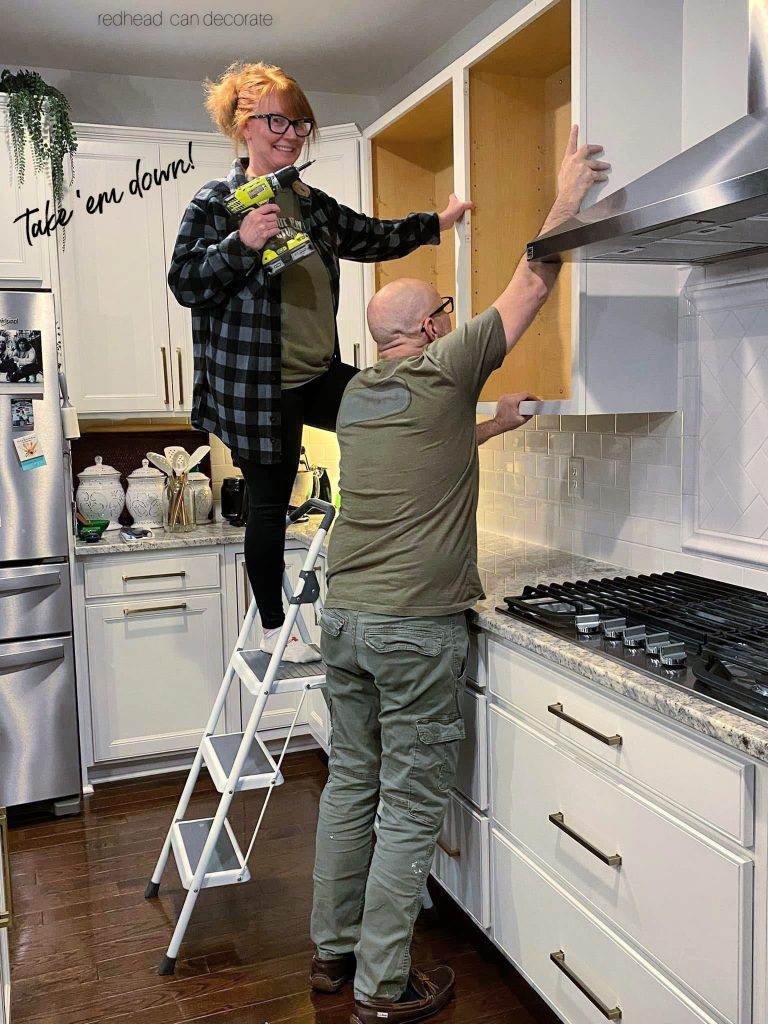
Begin by removing the old cabinets carefully. Empty them completely before starting. Use a screwdriver to take out all screws. Support the cabinet as you remove each screw. This prevents it from falling. If cabinets are glued, use a pry bar gently. Be cautious not to damage walls. Label all hardware for future use. This makes reassembly easier.Checking And Repairing Walls
Once cabinets are removed, inspect the walls. Look for any damage or holes. Use spackle to fill any small holes. Larger damage may require drywall repair. Ensure walls are flat and even. Use a level to check for uneven areas. Sand down any rough spots. Clean the wall surface thoroughly. Remove dust and debris. This ensures a clean slate for new cabinets. Proper wall preparation is key.Installing Base Cabinets
Transform your kitchen with DIY base cabinet installation. Ensure accurate measurements and level surfaces for a professional look. Secure cabinets and enjoy a fresh, functional space.
Installing base cabinets in your kitchen can be a rewarding DIY project, allowing you to personalize your space while saving money. With some patience and the right tools, you can achieve professional-looking results. The key is to break down the process into manageable steps, focusing on accuracy and attention to detail.Leveling And Securing
Proper leveling is crucial to ensure your kitchen cabinets are stable and functional. Start by using a laser level or a spirit level to mark a reference line on the wall. This line will guide you in aligning the tops of your base cabinets. Place the first cabinet at the highest point on the floor, which you can find using your level. Shim under the cabinet to level it, and check the alignment with your reference line. Once level, secure the cabinet to the wall using screws, making sure to anchor into studs for stability. Work your way along the wall, connecting cabinets with clamps before securing them together. This helps maintain a seamless and professional appearance. Adjust and shim as needed to keep everything perfectly level.Handling Plumbing And Electrical Work
Before installing, consider the placement of plumbing and electrical outlets. It’s crucial to cut holes for pipes and wires accurately. Use a jigsaw or hole saw for clean cuts in the back of the cabinet. If your cabinets will cover any outlets or switches, reposition them to remain accessible. This may require extending wires or rerouting pipes. Always prioritize safety—turn off power at the breaker and shut off water supply when working near these utilities. If you’re unsure about handling these tasks, consult a professional. It’s better to be safe and ensure that your kitchen remains functional and up to code. Have you thought about how a small adjustment now can prevent bigger issues later? These details might seem minor, but they make a significant difference in the longevity and safety of your kitchen setup.Mounting Wall Cabinets
Mounting wall cabinets can transform your kitchen into a functional space. It maximizes storage and enhances the aesthetic appeal. With the right tools and techniques, installing wall cabinets is achievable. The process begins with proper preparation and safety measures.
Finding And Marking Studs
Studs are crucial for stability. Use a stud finder to locate studs behind your wall. Mark the center of each stud with a pencil. This ensures your cabinets are anchored securely. Spacing marks evenly is essential for balance.
Hanging Cabinets Safely
Safety is paramount during installation. Begin by attaching a ledger board where the cabinet bottom will rest. This supports the cabinet while securing it. Align the cabinet with stud marks for stability. Use screws to anchor the cabinet into studs.
Check alignment frequently. Adjust as needed to ensure cabinets are level. Ensure doors open freely without obstruction. This prevents damage and maintains functionality.
Adding Finishing Touches
After the hustle of assembling and mounting your kitchen cabinets, it’s time to add those crucial finishing touches that bring everything together. This final phase is where your cabinets transform from a functional setup into a stylish masterpiece. You’ll need to focus on details like hardware installation, sealing, and painting to ensure your kitchen has that professional look.
Installing Hardware
Hardware is more than just knobs and pulls; it’s the jewelry of your cabinets. Choosing the right style can complement your kitchen’s overall aesthetic. When installing, ensure each piece is aligned properly for both functionality and style.
- Measure twice before drilling to avoid mistakes.
- Consider using a template for consistent placement.
- Experiment with different finishes to see which complements your cabinets best.
Have you ever noticed how a simple knob can change the vibe of a cabinet? It’s these small choices that make your kitchen truly yours.
Sealing And Painting
Sealing is vital for protecting your cabinets from moisture and wear. Choose a sealant that’s suitable for your cabinet material and kitchen environment. Once sealed, a fresh coat of paint can breathe new life into the space.
- Opt for a durable paint that can withstand kitchen conditions.
- Use brushes or rollers appropriate for your cabinet material.
- Consider a paint color that adds warmth or contrast to your kitchen.
Ever thought about how color impacts your mood? A vibrant hue might energize your mornings, while neutral tones could soothe evening meals.
As you add these finishing touches, ask yourself: How do you want your kitchen to feel? Every detail you choose contributes to that atmosphere, making your DIY project truly unique.
Troubleshooting Common Issues
Installing kitchen cabinets yourself can present challenges. Misaligned doors and uneven surfaces are common issues. Ensure accurate measurements and use quality tools for a smoother installation process.
Installing your own kitchen cabinets can be a rewarding project, giving you a sense of accomplishment and adding a personal touch to your home. However, even the most meticulous DIY enthusiasts can face a few hiccups along the way. Tackling common issues with confidence will ensure your cabinets are both functional and aesthetically pleasing. Let’s dive into some practical solutions for the challenges you might encounter.Aligning Doors And Drawers
Misaligned doors and drawers are common issues that can detract from the clean look of your kitchen cabinets. Start by checking the screws on the hinges and slides. Often, a simple tightening can solve the problem. If tightening doesn’t work, adjust the hinges. Most modern hinges allow for adjustments in multiple directions. You might find you need to shift the door up, down, or side-to-side to achieve perfect alignment. Don’t forget to use a level to ensure everything is perfectly straight. A small adjustment can make a big difference in the overall appearance. Have you ever noticed how even a slight tilt can catch your eye every time you enter the room?Fixing Gaps And Uneven Surfaces
Gaps between cabinets or uneven surfaces can be both frustrating and unsightly. To fix gaps, consider using filler strips. These can be cut to size and painted to match your cabinets, creating a seamless look. For uneven surfaces, shimming might be necessary. Place thin wooden or plastic shims under the cabinet base to level it out. This step requires patience but pays off with a smooth, professional finish. Are you wondering why surfaces aren’t level? Floors and walls in older homes often shift over time. It’s not your fault, but it’s your challenge to conquer! Adjusting for these imperfections can make your cabinets look like they were installed by a pro. Remember, each challenge is an opportunity to perfect your skills and enhance your home. Embrace them as part of your DIY journey!Maintenance Tips
Proper planning ensures a smooth DIY kitchen cabinet installation. Measure the space accurately and gather all necessary tools. Secure cabinets by attaching them firmly to the wall studs, ensuring stability and longevity.
Embarking on a do-it-yourself kitchen cabinet installation is a rewarding experience. But once you’ve successfully installed your cabinets, maintaining them is key to ensuring their longevity and aesthetic appeal. With regular maintenance, your kitchen cabinets can look brand new for years to come. Here’s how you can keep them in top-notch condition.Cleaning And Care
Regular cleaning is the simplest way to maintain your kitchen cabinets. Use a gentle soap mixed with warm water to wipe down the surfaces. This routine prevents the buildup of grease and grime that can damage the finish over time. Consider using microfiber cloths, as they are effective in catching dirt without scratching the surface. Avoid harsh chemicals that can strip the cabinet’s finish. Instead, opt for natural cleaning agents like vinegar and baking soda for tougher stains. Don’t forget the interiors of your cabinets. Periodically, remove all items and clean the shelves and corners. This not only keeps your cabinets clean but also helps in spotting any potential issues like leaks or mold early on.Long-term Preservation
To ensure your cabinets last long, consider applying a protective finish. This extra layer guards against moisture and daily wear and tear. Reapply the finish every few years for continued protection. Keep an eye on the hinges and handles. Tighten them regularly to prevent loosening which can lead to misalignment or damage. If you notice any squeaks, a little oil can work wonders. Humidity is another factor that can affect your cabinets. Use a dehumidifier in your kitchen to maintain an optimal moisture level, especially if you live in a humid area. This prevents wood warping and keeps your cabinets in perfect condition. Think about how you use your cabinets daily. Are you slamming doors or overloading shelves? Gentle use and mindful organization can prevent a lot of wear and tear. Small changes in habits often lead to significant preservation of your beloved DIY cabinets. Are there specific challenges you’ve faced with your kitchen cabinets? What strategies have you found most effective in maintaining them? Share your thoughts and let’s keep our kitchens looking fabulous together!
Credit: www.woodshopdiaries.com
Frequently Asked Questions
Can I Install Cabinets By Myself?
Yes, you can install cabinets yourself. Ensure you have the right tools and follow instructions carefully. It’s essential to measure accurately and secure cabinets properly for safety. Consider watching tutorial videos or reading guides for assistance. If unsure, hiring a professional might be a safer option.
Is It Cheaper To Install Kitchen Cabinets Yourself?
Installing kitchen cabinets yourself can be cheaper. You save on labor costs, but need time and skill. Consider potential mistakes and tool expenses. Ensure you have the right tools and confidence. Evaluate your skills before deciding. DIY can be cost-effective if done correctly.
How To Install A Cabinet For Beginners?
Begin by measuring the space and marking drill points. Secure mounting brackets on walls. Align and attach the cabinet using screws. Ensure it is level and secure. Finish by tightening all screws.
What Is The Average Labor Cost To Install Kitchen Cabinets?
The average labor cost to install kitchen cabinets ranges from $50 to $250 per linear foot. Prices vary based on cabinet style, material, and installation complexity. For a complete installation, expect to pay between $3,000 and $10,000. Always get multiple quotes for accurate estimates.
Conclusion
Congratulations on starting your kitchen cabinet installation project! You learned the basics. Now, the real work begins. Take your time. Measure carefully. Align cabinets properly. Use quality tools for the best results. Small mistakes can lead to big headaches. Double-check everything.
Enjoy the process. Create a kitchen you love. It’s rewarding. Personal touch adds charm to your space. Share your experience with friends. Inspire them to try DIY projects. Remember, patience is key. Your kitchen will soon reflect your hard work.
Celebrate your achievement with a warm meal. You’ve earned it.