How Deep is a Kitchen Cabinet: Essential Measurements
Executive Chef & Lead Commercial Kitchen Specialist at Daily Kitchup Test Lab
How deep is a kitchen cabinet? You might be wondering as you plan a kitchen makeover or simply try to organize your cooking space better.
It’s a question that can make or break your kitchen’s functionality. Imagine reaching for a pot or pan, only to find it awkwardly tucked away because your cabinets don’t offer enough depth or storage. Frustrating, isn’t it? You deserve a kitchen that not only looks great but also works effortlessly for you.
Understanding the dimensions of your kitchen cabinets can be the secret ingredient to a truly efficient cooking environment. This article will guide you through everything you need to know about kitchen cabinet depths and how they impact your daily life, ensuring you make the most informed choices for your home. Keep reading to unlock the potential of your kitchen space!
Standard Cabinet Depths
The depth of kitchen cabinets plays a vital role in their functionality. Standard cabinet depths ensure that your kitchen remains efficient and comfortable. Understanding these measurements helps in planning and maximizing your space.
Standard Base Cabinet Depth
Base cabinets usually have a depth of 24 inches. This provides ample space for storage. It allows you to access items easily without overreaching. These cabinets support countertops and sinks efficiently.
Standard Wall Cabinet Depth
Wall cabinets are typically 12 inches deep. This depth is ideal for storing plates and glasses. It keeps items within easy reach. Wall cabinets are mounted above countertops, optimizing vertical space.
Standard Tall Cabinet Depth
Tall cabinets have a depth of about 12 to 24 inches. They offer significant storage capacity. Tall cabinets are used for pantries or broom closets. Their depth varies based on specific storage needs.
Credit: houseofcabinet.com
Base Cabinets
Base cabinets are essential in every kitchen. They provide storage and support. These cabinets set the foundation for kitchen layouts. Their depth plays a crucial role in functionality. Let’s explore the typical depths and factors influencing them.
Typical Depths
The standard depth for base cabinets is usually 24 inches. This depth accommodates most kitchen needs. It allows enough space for countertops, appliances, and storage. Some kitchens might have base cabinets with a 30-inch depth. This offers more storage but takes up more floor space. Shallow depths, around 12 to 18 inches, are less common. These are often used in small kitchens or narrow spaces.
Factors Influencing Depth
Several factors influence the depth of base cabinets. First, kitchen size plays a major role. Larger kitchens can accommodate deeper cabinets. Smaller kitchens might need shallower options to save space.
Second, the type of appliances used can affect cabinet depth. Integrated appliances may require specific depths. Standard appliances fit well with 24-inch deep cabinets.
Third, personal storage needs vary. A family might need more space for pots and pans. A single person may require less storage.
Lastly, design preferences impact depth choices. Some prefer a sleek, minimal look with shallow cabinets. Others opt for deep cabinets to maximize storage.
Wall Cabinets
Kitchen wall cabinets typically have a depth of 12 to 24 inches. This depth ensures ample storage while maintaining easy access to items. Proper depth is essential for maximizing space efficiency in your kitchen.
Wall cabinets are an essential part of any kitchen design, serving both functional and aesthetic purposes. They offer convenient storage for items you frequently use, keeping your countertops clutter-free. But have you ever wondered how deep these cabinets should be to maximize their efficiency and style? Let’s dive into the specifics of wall cabinet depth and what you should consider during installation.Common Depth Measurements
Wall cabinets typically have a depth ranging from 12 to 15 inches. This depth is ideal for storing dishes, glasses, and pantry items without encroaching on your workspace below. A depth of 12 inches is standard, providing a balance between storage capacity and accessibility. However, if you have larger dinnerware or need extra storage, opting for 15 inches might be more suitable. It’s crucial to measure your items before settling on a depth, ensuring everything fits comfortably.Considerations For Installation
When installing wall cabinets, consider the height at which they will be mounted. Typically, cabinets should be installed so that their bottom edge is 54 inches from the floor. This height ensures accessibility and maintains a clean line with other kitchen elements. The depth also impacts the placement of cabinets in relation to other fixtures like your stove or sink. Ensure they don’t obstruct views or access to essential areas, and verify that door swings won’t hit other appliances or walls. Think about your kitchen’s layout, and whether deeper cabinets could alter the feel and function of your space. Would deeper cabinets make your kitchen feel cramped or provide much-needed storage? Balancing functionality with aesthetics is key to a successful kitchen design. As you plan your kitchen, consider how wall cabinet depth affects both the look and usability of your space. What’s your preference for cabinet depth, and how does it align with your kitchen needs?Credit: www.discountkitchendirect.com
Tall Cabinets
Tall kitchen cabinets often have depths ranging from 12 to 24 inches. This depth provides ample storage for items like pans and baking trays. Adjusting shelves can maximize the space inside these cabinets, accommodating various kitchen essentials efficiently.
Tall cabinets are the towering sentinels of your kitchen, reaching from floor to ceiling. These cabinets are not just for show; they serve as vital storage solutions that make the most of your kitchen’s vertical space. Whether you’re storing baking supplies, appliances, or pantry items, tall cabinets provide the room you need.Purpose And Depth Range
The primary purpose of tall cabinets is to maximize storage without consuming much floor space. Typically, the depth of a tall cabinet ranges from 12 to 24 inches. This variation allows them to accommodate different storage needs, from storing a broom to organizing canned goods. Consider the items you need to store. For instance, if you’re planning to keep a vacuum cleaner or mop, a deeper cabinet might be more suitable. On the other hand, for canned goods, a shallower option could suffice, ensuring everything is easily accessible.Customization Options
Tall cabinets offer a wealth of customization options to suit your kitchen’s unique needs. Adjustable shelves can help you make the most of the available space, allowing you to store items of various sizes. You might also consider pull-out drawers for easy access to items stored deep within. Ever thought about adding a built-in spice rack or wire baskets? These additions can transform your tall cabinets into multifunctional storage marvels. Customization doesn’t stop at the interior; you can choose different door styles and finishes to match your kitchen’s aesthetic. What do you envision when you think of your ideal kitchen? With customizable tall cabinets, you can turn that vision into a reality, enhancing both style and functionality.Custom Cabinet Depths
Custom cabinet depths offer a unique opportunity to tailor your kitchen storage to fit your specific needs and preferences. While standard cabinet depths are typically around 24 inches, going custom can provide solutions that enhance both functionality and aesthetics. Imagine cabinets that perfectly accommodate your favorite cookware or create more room in a compact kitchen layout. Let’s explore when custom depths make sense and their impact on your kitchen design.
When To Consider Custom Depth
Custom depths are a great option when standard cabinets don’t quite fit your space or storage needs. For instance, if you’re an avid baker, deeper cabinets can store bulky mixers and baking trays that standard sizes may not accommodate. Are your countertops cluttered with appliances? A slightly deeper cabinet can offer hidden storage, keeping your kitchen tidy.
Think about your lifestyle. Do you frequently host dinner parties? Custom depths can maximize storage for plates, serving dishes, and more, ensuring everything is within easy reach. Such modifications can transform your kitchen from a functional space to a tailored culinary haven.
Impact On Kitchen Design
Custom cabinet depths can significantly influence the overall design of your kitchen. They allow you to optimize space usage, which is particularly beneficial in smaller kitchens where every inch counts. Consider how deeper cabinets might free up counter space or create a more streamlined look by reducing visible clutter.
Beyond practicality, custom depths can enhance the aesthetic appeal of your kitchen. They offer flexibility in designing a cohesive look by aligning cabinet depths with other design elements, such as island dimensions or shelving units. The right depth can balance the visual weight of your kitchen, making it feel more inviting and well-thought-out.
Have you ever stepped into a kitchen that felt cramped despite ample space? Custom cabinet depths might be the solution to prevent this. By strategically choosing depth, you can ensure your kitchen feels spacious and well-organized, improving both functionality and ambiance.
Measuring For New Cabinets
Understanding the depth of kitchen cabinets is essential for proper installation. Standard kitchen cabinets are typically 24 inches deep. This measurement ensures enough space for appliances and storage, making your kitchen functional and efficient.
Measuring for new kitchen cabinets is essential for a perfect fit. Accurate dimensions ensure that your cabinets look great and function well. Before you start shopping, take the time to measure your space carefully. This simple task can save you from costly mistakes.Tools Needed
To measure your kitchen space, you’ll need some basic tools. Gather these items before you begin:- Measuring tape
- Pencil
- Paper
- Level
- Calculator
Step-by-step Guide
Follow these steps to measure your kitchen for new cabinets:- Start by measuring the width and height of your kitchen walls.
- Note any obstacles like windows or doors.
- Use the level to check for uneven floors or ceilings.
- Measure the depth of existing cabinets if replacing them.
- Calculate the total space available for new cabinets.
Optimizing Cabinet Space
Determining the depth of a kitchen cabinet is crucial for optimizing space. Standard cabinets range from 12 to 24 inches deep. Understanding this helps in organizing kitchen essentials efficiently, maximizing storage without clutter.
Optimizing the space in your kitchen cabinets can be a game-changer for both functionality and aesthetics. The depth of your cabinets plays a crucial role in how you organize and utilize your kitchen essentials. It’s not just about cramming everything in there; it’s about smartly arranging items to maximize both accessibility and storage. Whether you have deep or shallow cabinets, there are effective strategies to make the most of every inch.Storage Solutions
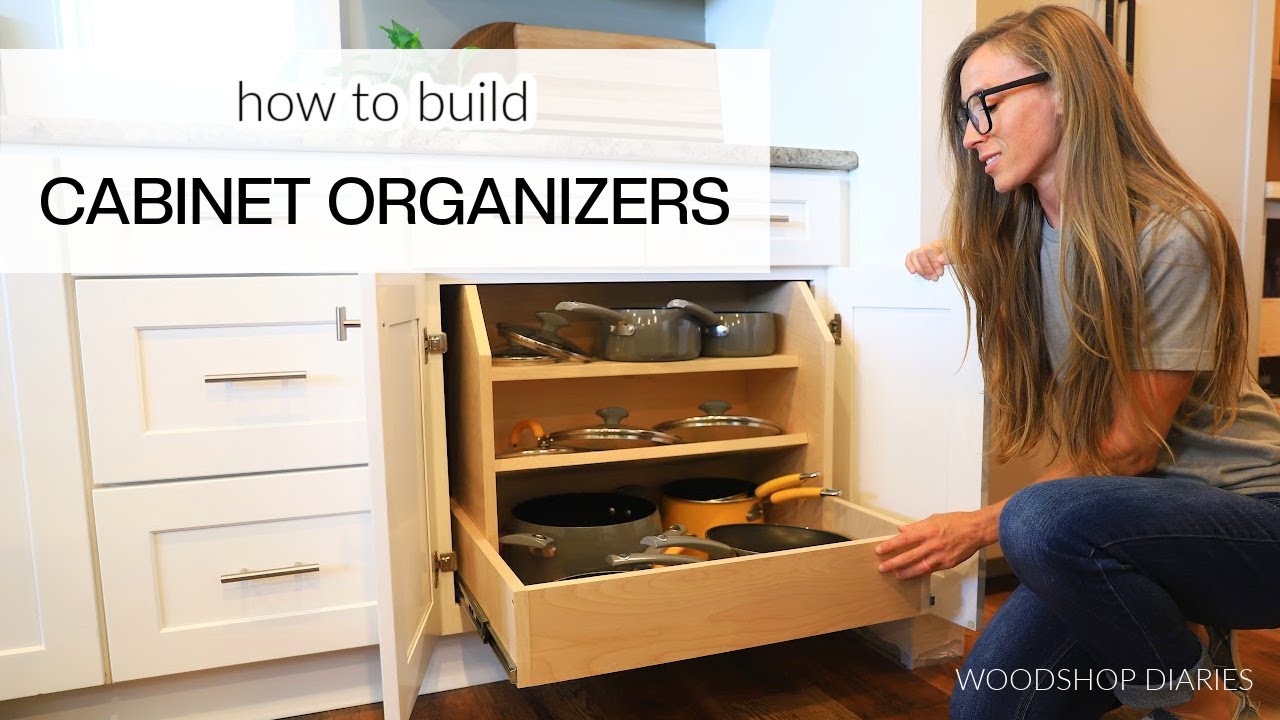
To efficiently use the depth of your kitchen cabinets, consider innovative storage solutions. Pull-out shelves are a fantastic way to ensure that no space goes unused. They allow you to reach items at the back without having to empty the entire shelf. Vertical dividers can help you organize cutting boards, trays, and baking sheets. These dividers keep everything upright and easily accessible, eliminating the need to stack items on top of each other. Tiered organizers can turn your deep cabinets into a well-structured storage haven. These are particularly useful for spices or canned goods, letting you see everything at a glance.Maximizing Accessibility
Accessibility is just as important as storage. If you can’t easily reach what you need, the depth of your cabinets can become a hindrance rather than a help. Lazy Susans are a classic but effective way to bring items from the back to the front with just a spin. Consider using clear bins to group similar items. These bins can be slid in and out of cabinets effortlessly, making it easy to find what you’re looking for without rummaging through everything. Labeling is a simple yet effective strategy. By clearly marking what’s stored where, you’ll save time and reduce frustration when searching for that elusive jar or can. What are your go-to strategies for making the most of your kitchen cabinet space? Perhaps you have a tip that others might find useful. Share your thoughts and experiences in the comments below!Credit: cabinetselect.com
Trends In Cabinet Design
Trends in cabinet design are shaping the heart of our homes in exciting ways. As kitchens evolve into multifunctional spaces, cabinet design trends are pushing boundaries to maximize both aesthetics and functionality. Whether you’re planning a renovation or simply curious, understanding these trends can help you make informed choices about your kitchen’s layout and storage solutions.
Modern Depth Preferences
Today’s homeowners are leaning towards deeper cabinets, typically ranging from 24 to 30 inches. This shift caters to the demand for more storage space, accommodating larger appliances and bulkier items. Deeper cabinets also facilitate a cleaner countertop look, as you can store more items out of sight. But, is deeper always better for your kitchen needs?
Innovations In Functionality
Innovative designs are transforming the way we use kitchen cabinets. Consider the popularity of pull-out shelves, rotating trays, and vertical dividers. These features optimize space and improve accessibility, ensuring you spend less time searching for items. Have you explored these practical features in your kitchen layout?
Modern trends also emphasize smart technology, integrating charging stations and lighting solutions within cabinets. Imagine charging your devices while cooking or having automatic lights illuminate when you open a cabinet. How could these innovations enhance your everyday kitchen experience?
Frequently Asked Questions
Are All Kitchen Cabinets 24 Deep?
Not all kitchen cabinets are 24 inches deep. Standard base cabinets are typically 24 inches deep, but sizes can vary. Some cabinets may be shallower or deeper depending on design and purpose. Always check specific measurements to fit your kitchen layout.
How Deep Are Standard Built-in Cabinets?
Standard built-in cabinets are typically 24 inches deep. This depth accommodates most kitchen appliances and storage needs. Custom options may vary, but 24 inches is the norm. Always measure your space to ensure proper fit and functionality.
How Deep Are 30 Inch Cabinets?
30-inch cabinets typically have a depth of 24 inches. This depth provides ample storage space for kitchen essentials. Always check manufacturer specifications, as depths can vary slightly. Consider the depth for optimal kitchen design and functionality.
Can Base Cabinets Be 12 Inches Deep?
Yes, base cabinets can be 12 inches deep. They are ideal for small spaces and provide efficient storage. Standard base cabinet depths are usually 24 inches, but 12-inch options are available for specific needs. Always check dimensions before purchasing to ensure they fit your space.
Conclusion
Kitchen cabinet depth plays a crucial role in your kitchen design. Choosing the right depth ensures space efficiency and easy access. Standard depths often meet most needs. Yet, custom depths can accommodate unique spaces or storage requirements. Consider your cooking habits and storage needs before deciding.
A well-chosen depth enhances both function and style. It also complements your kitchen layout seamlessly. Always measure carefully to avoid future adjustments. This thoughtful approach leads to a more organized and enjoyable kitchen environment. Transform your kitchen with the right cabinet depth.
Happy organizing!

Similar Posts