How Do I Install Kitchen Cabinets: Step-by-Step Guide
Are you dreaming of a fresh, new look for your kitchen? Installing kitchen cabinets can transform your space, making it both stylish and functional.
But the thought of tackling this project might feel overwhelming. Don’t worry—you’re not alone. Many homeowners like you wonder where to begin and how to ensure everything fits perfectly. In this guide, you’ll discover straightforward steps to make the installation process smooth and stress-free.
Imagine the satisfaction of completing the job yourself and the compliments you’ll receive from friends and family. You’ll learn tips and tricks that professionals use, saving you both time and money. Ready to boost your home’s value and enjoy a kitchen you love? Let’s dive into the details that will empower you to confidently install your kitchen cabinets.

Credit: www.familyhandyman.com
Planning Your Cabinet Installation
Planning your kitchen cabinet installation is a crucial step that can make or break the overall look and functionality of your space. Whether you’re upgrading an old kitchen or setting up a new one, thoughtful planning ensures that your cabinets fit perfectly and serve your needs. Let’s dive into the essential aspects of planning your cabinet installation, making it a smooth and satisfying experience.
Measuring Your Space
Accurate measurements are the foundation of a successful cabinet installation. Use a reliable tape measure to determine the dimensions of your kitchen area. Measure the width, height, and depth where you plan to install the cabinets. Consider doorways, windows, and any existing fixtures that might impact your cabinet layout. Double-check your measurements to avoid costly mistakes.
Choosing The Right Cabinets
Your choice of cabinets should reflect your style and storage needs. Do you prefer sleek, modern designs or traditional wood finishes? Consider the materials, colors, and hardware that complement your kitchen. Think about functionality—do you need more drawers, shelves, or unique organizational features? Selecting the right cabinets can enhance your kitchen’s overall vibe and efficiency.
Gathering Necessary Tools And Materials
Having the right tools and materials on hand will save you time and frustration. Essential tools might include a drill, screws, level, and screwdriver. You may also need shims and a stud finder for precise installation. Gather all these items before starting your project. Have you ever tried installing cabinets only to realize you’re missing a crucial tool? Avoid this pitfall by preparing in advance.

Credit: www.create-enjoy.com
Preparing The Kitchen Area
Preparing your kitchen area for cabinet installation is like setting the stage for a perfect performance. Imagine your kitchen as a blank canvas, ready to transform into a masterpiece. This phase is crucial, ensuring everything is in place before the heavy lifting begins. Let’s dive into what this preparation entails.
Clearing The Space
Start by removing any obstacles that might hinder your cabinet installation. Clear out appliances, furniture, and any decor. This step not only gives you room to work but also helps avoid any accidental damage.
Consider this your chance to declutter. You might find long-forgotten items lurking in corners. Use this opportunity to give your kitchen a fresh start.
Ensuring Level Surfaces
Uneven surfaces can cause a myriad of issues when installing cabinets. Use a level tool to check floors and walls. You’d be surprised how even a slight tilt can affect alignment.
If you find any discrepancies, address them immediately. Leveling compounds and shims can be your best friends here. Remember, precision now means fewer headaches later.
Marking Layout Lines
Grab your measuring tape and pencil; it’s time to mark layout lines on your walls. These lines guide the placement of your cabinets, ensuring everything fits perfectly. Measure twice, mark once.
Think of layout lines as your blueprint. They help visualize the final setup and confirm that your design works in reality. Are you ready to see your dream kitchen come to life?
Installing Upper Cabinets
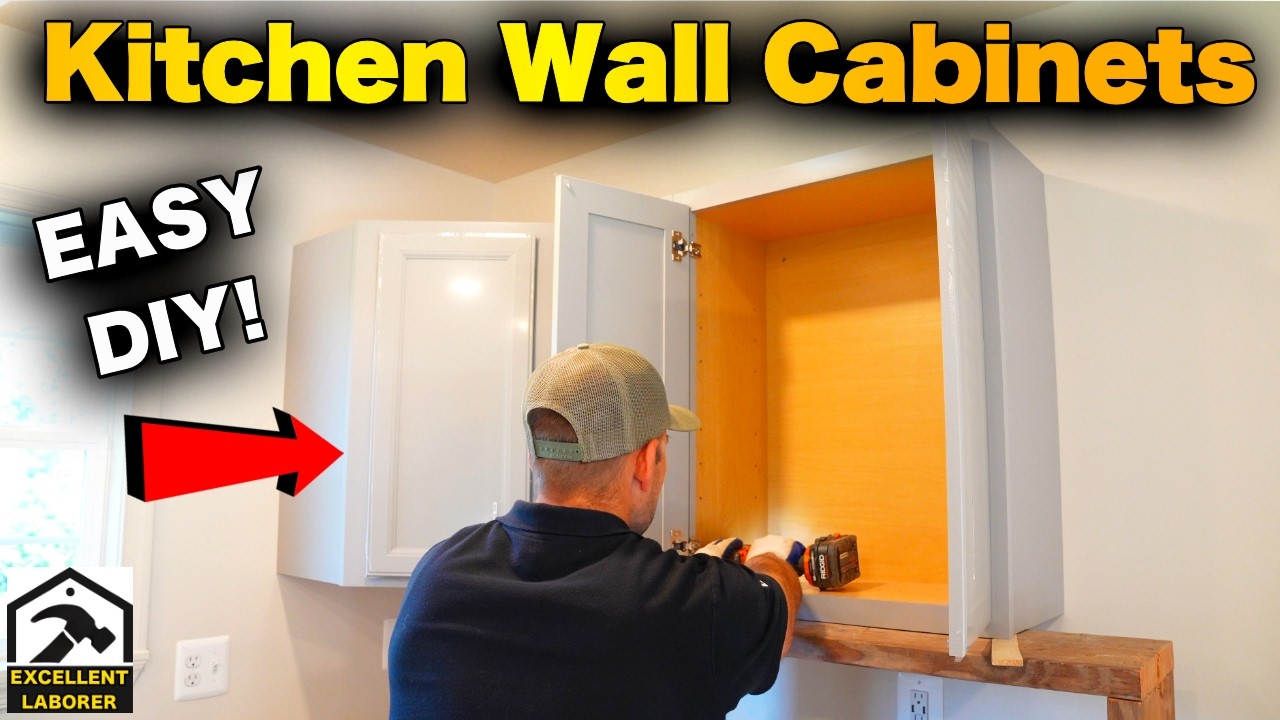
Installing upper kitchen cabinets involves measuring accurately and securing them to wall studs. Ensure cabinets are level and aligned before tightening screws. Use a stud finder to locate wall supports for stability.
Installing upper cabinets can transform your kitchen space, making it both functional and visually appealing. The process requires careful planning and precision to ensure your cabinets are secure and aligned. Whether you’re a DIY enthusiast or new to home improvement projects, installing upper cabinets can be a rewarding challenge.Locating Wall Studs
Before lifting those heavy cabinets, find the wall studs. Use a stud finder to accurately locate them behind the drywall. This ensures your cabinets have a strong anchor point. Mark the stud locations with a pencil or masking tape. This will guide you when drilling holes for screws. Remember, a securely fastened cabinet starts with correctly identified studs.Securing Cabinets To The Wall
Once you’ve marked the studs, it’s time to secure the cabinets. Begin by drilling pilot holes into the marked stud areas. This prevents the wood from splitting and makes screw insertion easier. Lift the cabinet into place with a helping hand or use a temporary support like a ledger board. Align the cabinet with the pilot holes, and fasten it using screws. Ensure the screws are long enough to penetrate the wall studs for optimal support.Aligning Doors And Hardware
With the cabinets secured, focus on the doors and hardware. Misaligned doors can affect both appearance and function. Adjust the hinges to ensure doors are level and close properly. Install handles or knobs, keeping them consistently placed across all doors. This small detail adds a polished look to your kitchen. Step back and admire your handiwork, knowing your cabinets are not just functional, but perfectly aligned. Have you ever thought about the difference a few millimeters can make? In cabinet installation, precision is everything. Take your time, and you’ll create a kitchen space you’ll love for years to come.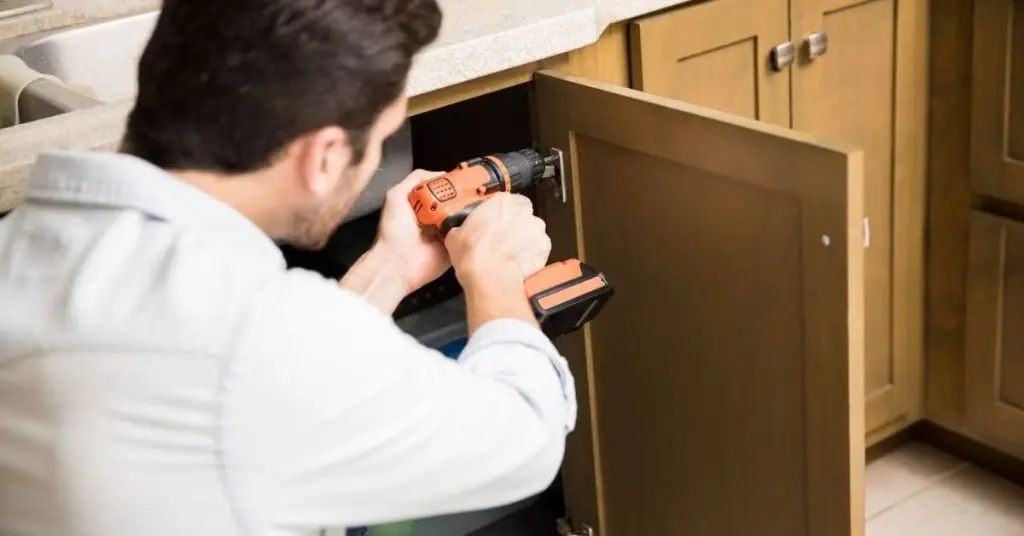
Credit: www.vevor.com
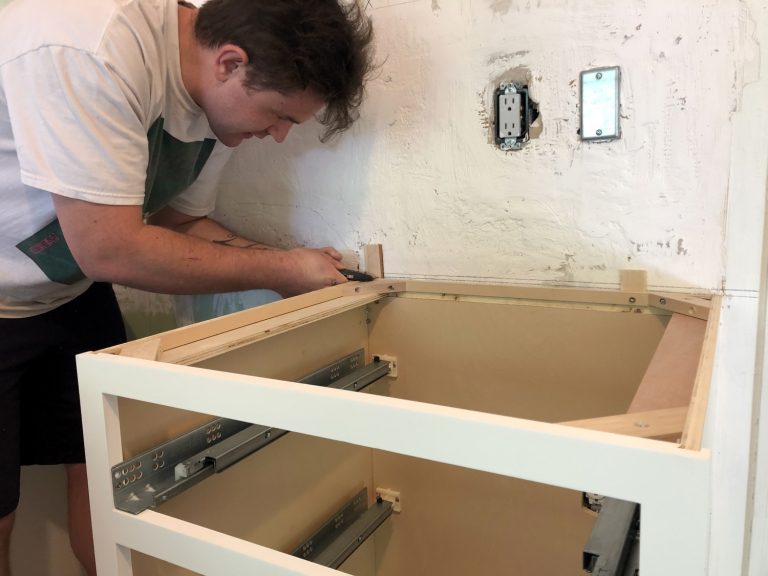
Mounting Base Cabinets
Mounting base cabinets in your kitchen is a pivotal step that sets the foundation for a functional and aesthetically pleasing space. It’s an exciting process that transforms empty walls into areas brimming with storage possibilities. Whether you’re doing it yourself or just overseeing the installation, understanding the key aspects of positioning, leveling, and cutting for utilities is essential.
Positioning The Cabinets
Start by measuring the space where your cabinets will go. It’s critical to ensure that your cabinets fit perfectly, avoiding any awkward gaps. Use a pencil to mark the areas on the wall where each cabinet will be positioned.
Consider the layout and flow of your kitchen. Will your cabinets be easy to access while cooking? Make adjustments to ensure that cabinet placement enhances your kitchen’s functionality. Don’t forget to factor in appliance locations.
Leveling And Securing
The importance of leveling cannot be overstated. Uneven cabinets lead to misaligned countertops and doors that don’t close properly. Use a spirit level to check each cabinet as you install it.
Once leveled, secure the cabinets to the wall using screws. It’s vital to anchor them into studs for stability. Reinforce with brackets if necessary to ensure they withstand the weight of items you plan to store.
Cutting For Plumbing And Electrical
Before securing, inspect the back of the cabinets for any necessary cuts. Plumbing pipes and electrical outlets may require precise cutouts. Measure carefully to avoid any mishaps.
Use a jigsaw for cutting areas where pipes or wires will pass through. Ensure that cuts are clean and accommodate utilities without obstructing cabinet functionality. Double-check your measurements to prevent costly errors.
Finishing Touches
Align the cabinets using a level for accuracy. Secure them to the wall studs with screws. Attach the doors and handles to complete the setup.
Finishing touches bring your kitchen cabinet installation to life. They add style and functionality. This final step ensures everything fits perfectly and looks great.Installing Cabinet Doors And Drawers
Start by attaching the cabinet doors. Use a screwdriver to fasten the hinges securely. Make sure the doors align with the cabinet frame. Install drawers by sliding them onto the rails. Ensure they move smoothly without sticking.Attaching Handles And Knobs
Choose handles or knobs that match your kitchen decor. Mark the spots where each will go with a pencil. Drill holes carefully to avoid splinters. Use screws to attach the handles or knobs firmly. Check that each is tight and secure.Adjusting Hinges For Fit
Check the alignment of cabinet doors once more. Use a screwdriver to adjust the hinges. Tighten or loosen screws as needed for a perfect fit. Ensure the doors open and close without resistance. Properly adjusted hinges keep your cabinets looking neat.Addressing Common Challenges
Installing kitchen cabinets can bring challenges. Understanding these obstacles helps ensure smooth installation. Common issues often arise during the process. Here, we address these challenges to aid you in achieving a flawless finish.
Dealing With Uneven Walls
Uneven walls make cabinet installation tricky. Measure wall unevenness beforehand. Use shims to level cabinets. Adjust shims until cabinets sit evenly. This ensures a stable foundation for your cabinetry.
Handling Obstructions
Obstructions like pipes or wires complicate installation. Identify obstructions early in the process. Plan cabinet placement around these elements. Customize cabinet designs if needed. This keeps the space functional and aesthetic.
Ensuring Proper Alignment
Proper alignment affects cabinet functionality. Use a level to check alignment. Align cabinets with surrounding elements. Adjust to ensure doors and drawers open smoothly. This maintains a seamless look and feel.
Frequently Asked Questions
What Tools Do I Need For Cabinet Installation?
To install kitchen cabinets, you’ll need a tape measure, level, drill, screwdriver, and stud finder. These tools help ensure accurate measurements and secure installation. Additionally, a pencil for marking and shims for leveling are essential. A saw may be required if adjustments are needed.
How Do I Prepare My Kitchen Space?
Start by removing old cabinets and cleaning the area. Ensure walls are dry and smooth. Check for plumbing or wiring adjustments. Measure the space accurately to confirm cabinet fit. Preparing a clean, level surface ensures a successful installation process.
What Are The Steps For Installing Cabinets?
Begin by marking the cabinet layout and locating studs. Install upper cabinets first for easier access. Secure cabinets using screws and brackets. Ensure each cabinet is level and aligned properly. Finally, attach doors and handles, checking functionality and alignment.
How Do I Ensure Cabinets Are Level?
Use a spirit level to check horizontal alignment. Adjust with shims if necessary. Ensure vertical alignment using a plumb line. Regularly check throughout installation. Correct any discrepancies immediately to maintain a professional finish and avoid future issues.
Conclusion
Installing kitchen cabinets can transform your space. Start with planning. Measure twice, cut once. Follow the step-by-step guide closely. This ensures secure and level cabinets. Remember to double-check alignments. Use quality tools for the best results. Safety first—wear protective gear.
Take your time, don’t rush. DIY projects can be satisfying and rewarding. With patience and care, your kitchen will shine. Enjoy the process and the outcome. A fresh, functional kitchen awaits. Happy installing!