How Do You Adjust Hinges on Kitchen Cabinets: Easy Guide
Have you ever noticed your kitchen cabinet doors not closing properly or appearing slightly crooked? It can be frustrating, especially when you’re trying to keep your kitchen organized and looking its best.
But don’t worry – adjusting cabinet hinges can be a simple task you can tackle on your own. With just a few tweaks, you can restore your cabinets to their former glory, ensuring smooth operation and a polished appearance. Imagine the satisfaction of opening and closing perfectly aligned cabinet doors, giving your kitchen a neat and professional look.
In this guide, you’ll learn how to adjust hinges on kitchen cabinets like a pro, saving you time and potentially costly repairs. Stick around, and you’ll gain the confidence to handle this DIY task with ease.
Tools Needed
Screwdriver, measuring tape, and pencil are essential for adjusting kitchen cabinet hinges. These tools ensure precise alignment and smooth operation.
Adjusting hinges on kitchen cabinets might seem like a daunting task, but with the right tools, it’s a straightforward process. Having the correct tools at your disposal can make all the difference in ensuring your cabinets are perfectly aligned and functional. Let’s dive into the essential tools you’ll need to get the job done effectively.Tools Needed For Adjusting Cabinet Hinges
Think of your toolkit as your best friend in this task. Without the right tools, even the simplest adjustments can become frustrating. So, what should you have on hand?
- Screwdriver Set:A versatile screwdriver set is a must-have. Phillips and flathead screwdrivers are the most common types you’ll need for hinge adjustments. Have you ever tried using the wrong screwdriver? It’s like trying to fit a square peg into a round hole.
- Level:A level is crucial to ensure your cabinet doors are hanging straight. Imagine spending time adjusting only to find your doors are still crooked. A level saves you from this headache, giving you confidence that everything is aligned properly.
- Flashlight:Sometimes, hinge screws are tucked away in dark corners. A flashlight can help you see clearly, preventing mistakes. Don’t underestimate the power of good lighting—it can be the difference between success and frustration.
- Adjustable Wrench:If your hinges are particularly stubborn, an adjustable wrench can provide the extra torque needed to loosen or tighten screws. Have you ever had a screw that just won’t budge? An adjustable wrench can be your secret weapon.
- Safety Glasses:Safety first! Protect your eyes from any stray debris or unexpected mishaps. It’s easy to overlook this step, but safeguarding your eyes is always a smart move.
With these tools, adjusting your cabinet hinges becomes a manageable and satisfying task. What other tools have you found indispensable in your DIY projects? Remember, having the right equipment not only makes the job easier but also more enjoyable.
Identifying Hinge Types
Adjusting hinges on kitchen cabinets begins with identifying the hinge type. Common types include European, butt, and pivot hinges. Each type requires a specific adjustment method to ensure smooth cabinet operation.
Identifying the type of hinges on your kitchen cabinets is crucial. It helps you adjust them correctly. Hinges come in different styles and designs. Each type has its own mechanism. Knowing what you have is the first step.Understanding Concealed Hinges
Concealed hinges are hidden from view. They provide a clean look. Often found in modern kitchens. They allow doors to close softly. Easy to adjust for alignment.Exploring Exposed Hinges
Exposed hinges are visible on the cabinet. They add a decorative touch. Common in traditional kitchens. They are straightforward to adjust. Their screws are easy to access.Analyzing Semi-concealed Hinges
Semi-concealed hinges are partially visible. They blend modern and traditional styles. Part of the hinge is on the door edge. They are simple to adjust. Provide moderate decorative appeal.Examining European Hinges
European hinges are versatile. They are also concealed. Ideal for frameless cabinets. Allow for precise adjustments. Known for their durability and flexibility.Identifying Specialty Hinges
Specialty hinges serve specific purposes. They include pivot and corner hinges. Designed for unique cabinet designs. Require careful adjustments. Offer specialized functionality.Locating Adjustment Screws
Locating adjustment screws involves examining the hinge side of your kitchen cabinets. These screws help align and level cabinet doors. Adjust each screw slightly to achieve the perfect fit and avoid any misalignment.
Adjusting the hinges on your kitchen cabinets might seem daunting, but it’s a straightforward process once you know where to look. The key is understanding where the adjustment screws are located and how they work. These screws are the gateway to perfect cabinet alignment, allowing you to tweak the doors until they open and close smoothly.Understanding The Role Of Adjustment Screws
Adjustment screws are small, yet mighty components of your cabinet hinges. They are typically found on the inner side of the cabinet door. By turning these screws, you can adjust the door’s position in three directions: up and down, left and right, and in and out.Identifying Screw Types
Most kitchen cabinet hinges come with three types of screws: depth, height, and side adjustment screws. Each type serves a specific purpose. For instance, the depth screw moves the door closer to or away from the cabinet frame, while the side screw adjusts the door left or right.Locating The Adjustment Screws
To locate these screws, open your cabinet door wide enough to see the hinge mechanism. You should see a set of screws that are distinct from the ones attaching the hinge to the cabinet. These are your adjustment screws.Using A Screwdriver For Adjustments
A simple screwdriver is your best friend in this task. It’s crucial to use the right size to avoid stripping the screws. A small Phillips head screwdriver is typically suitable for most hinges.Making Small Adjustments
When adjusting, turn the screws gradually. Small turns can make a big difference. If your door is sagging, try adjusting the height screw first. If it’s misaligned side-to-side, the side screw will be your go-to.Testing The Door After Adjustments
After making adjustments, close the cabinet door to check its alignment. Does it close easily and align with the frame? If not, tweak the screws a bit more. Patience and careful observation are key here. Remember, adjusting cabinet hinges is about trial and error. Don’t be discouraged if it takes a few tries to get it right. With these insights, you’re well on your way to mastering cabinet door alignment like a pro. Now, think about this: How often have you ignored misaligned cabinet doors, thinking they were too tricky to fix? With a few simple adjustments, you can transform your kitchen’s functionality and aesthetics.
Credit: www.lovehandles.uk.com
Adjusting Cabinet Doors
Adjusting cabinet doors can transform the look and functionality of your kitchen. Misaligned doors not only affect aesthetics but also make accessing items cumbersome. If you’ve noticed your cabinet doors aren’t closing properly or are uneven, you might need to adjust the hinges. It’s a straightforward task that can bring immediate results. Let’s dive into the essentials of cabinet door adjustments!
Side-to-side Alignment
Side-to-side alignment involves adjusting the door horizontally. This is crucial when doors are either too close or overlapping, making them difficult to open smoothly. Check if the door edges are parallel to the cabinet frame. If they aren’t, locate the screws on the hinge that control horizontal movement. Loosen these screws slightly, adjust the door to the desired position, and tighten them back. A small tweak can make a big difference in how your kitchen looks and functions.
Height Adjustment
Height adjustment addresses doors that appear uneven at the top or bottom. This can happen if the hinges weren’t installed correctly or have shifted over time. To adjust height, find the screws on the hinge that control vertical movement. Loosen these, shift the door up or down as needed, and then secure the screws. Ensuring your cabinet doors are level not only enhances the visual appeal but also ensures they close properly.
Depth Adjustment
Depth adjustment is necessary when doors are sticking out or are too recessed compared to the cabinet frame. This can affect how the doors close and may lead to unnecessary wear. Locate the screws on the hinge that manage in-and-out movement. Loosen them, adjust the door so it sits flush with the cabinet face, and tighten the screws. Think about how a perfectly aligned door can save you from the frustration of doors not closing or banging into each other.
Troubleshooting Common Issues
Adjusting cabinet hinges can solve door alignment issues. Check screws for tightness and adjust the hinge plates. Fine-tune the door position using adjustment screws.
Adjusting the hinges on your kitchen cabinets can seem daunting, especially when faced with common issues like doors not closing properly, uneven gaps, or squeaky hinges. However, with a bit of troubleshooting, you can resolve these problems and restore your cabinet’s functionality and appearance. Let’s dive into some common issues and their solutions.Doors Not Closing Properly
One of the most frustrating problems is when cabinet doors refuse to close all the way. Start by checking if the hinges are loose. Tighten any screws with a screwdriver, ensuring the door is aligned correctly. If tightening doesn’t work, inspect the hinge plate position. Adjust the screws on the hinge plate to shift the door up or down. A few small tweaks can make a significant difference.Uneven Gaps
Uneven gaps between cabinet doors can be an eyesore. To fix this, first identify which hinge needs adjustment. Loosen the screws slightly on the hinge that needs shifting. Move the door gently to close the gap. Once satisfied with the alignment, re-tighten the screws to secure the door in place.Squeaky Hinges
Squeaky hinges can be annoying, but they are easy to fix. Apply a lubricant such as WD-40 to the hinge joints. Make sure to open and close the door a few times to work the lubricant in. If the squeak persists, check for any debris or dust accumulation. Clean the hinges thoroughly before applying the lubricant again. By addressing these common cabinet hinge issues, you ensure a smoother, more functional kitchen space. Have you encountered any other unique cabinet challenges?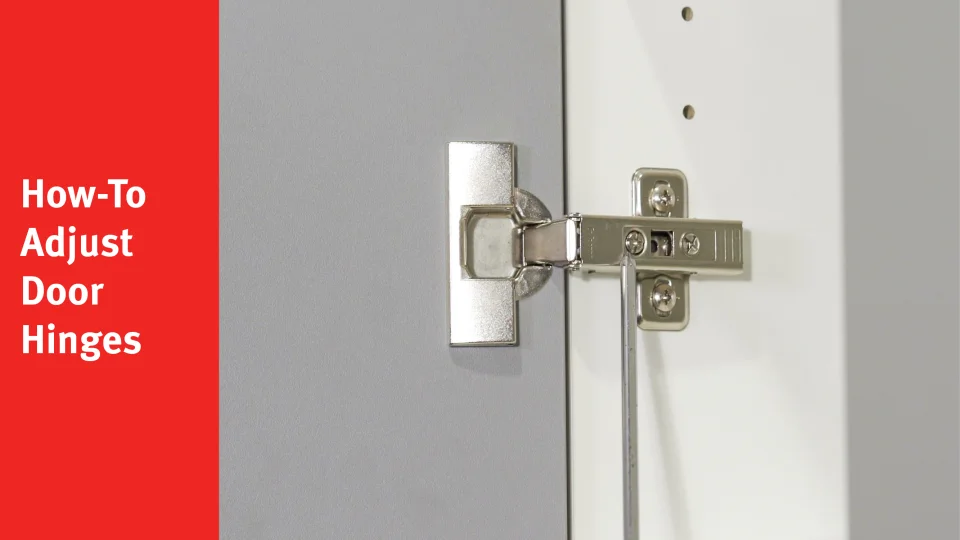
Credit: u-install-itkitchens.com.au
Maintaining Cabinet Hinges
Adjusting hinges on kitchen cabinets ensures doors swing smoothly and close properly. Use a screwdriver to tighten or loosen screws on the hinge. Align the doors by adjusting the screws, keeping everything level and balanced.
Maintaining cabinet hinges is essential for keeping your kitchen looking fresh and functional. Proper care ensures smooth operation and longevity of your cabinets. Regular attention to hinges prevents annoying squeaks and keeps doors aligned. Below are some simple steps to help you maintain your cabinet hinges effectively.Regular Lubrication
Lubrication keeps hinges moving smoothly. Use silicone spray or graphite powder. Avoid using grease as it collects dust. Apply lubricant to the moving parts of the hinge. Be sure to wipe away excess with a cloth.Tightening Loose Screws
Loose screws can cause misalignment or wobbling. Check hinge screws regularly. Use a screwdriver to tighten them. Ensure they are snug but not over-tightened. This keeps the doors secure and aligned.Cleaning Hinge Areas
Dust and grime can accumulate around hinges. Clean these areas with a damp cloth. Use a mild detergent for stubborn dirt. Dry thoroughly to prevent rust or corrosion. Clean hinges improve both appearance and function.
Credit: www.tiktok.com
Frequently Asked Questions
How Do You Adjust The Hinges On Kitchen Cabinets?
To adjust kitchen cabinet hinges, tighten or loosen the screws on the hinge plates. Align doors using adjustment screws for height, depth, or side-to-side positioning. Regularly check and adjust for smooth operation and proper alignment. Ensure doors close securely without gaps for optimal functionality.
How To Adjust Cabinet Doors So They Close?
To adjust cabinet doors, tighten or loosen the screws on the hinges. Use a screwdriver to align the doors properly. Adjust the side screws to move the door left or right. Turn the top or bottom screws to move the door up or down.
Repeat until doors close smoothly.
How To Adjust Self-adjusting Hinges?
To adjust self-adjusting hinges, open the door slightly. Locate the adjustment pin on the hinge. Use a flathead screwdriver to turn the pin clockwise for tighter adjustment or counterclockwise for a looser fit. Test the door’s movement and repeat if necessary for optimal performance.
How To Fix Misaligned Kitchen Cabinet Doors?
Adjust hinges using a screwdriver to align misaligned cabinet doors. Tighten or loosen screws for proper positioning. Check door alignment by closing and opening. Use a level for precision. Replace hinges if damaged for best results.
Conclusion
Adjusting cabinet hinges isn’t hard. It just takes some patience. Follow the steps carefully. You’ll have straight, even doors soon. Check alignment often during adjustments. Avoid over-tightening screws. It might damage the wood. Remember, small tweaks can make a big difference.
Practice makes perfect. Each cabinet might need a slightly different approach. But with time, you’ll get it right. Enjoy your refreshed kitchen look! If your cabinets still have issues, consider seeking help. Sometimes a professional touch is needed. Happy adjusting!