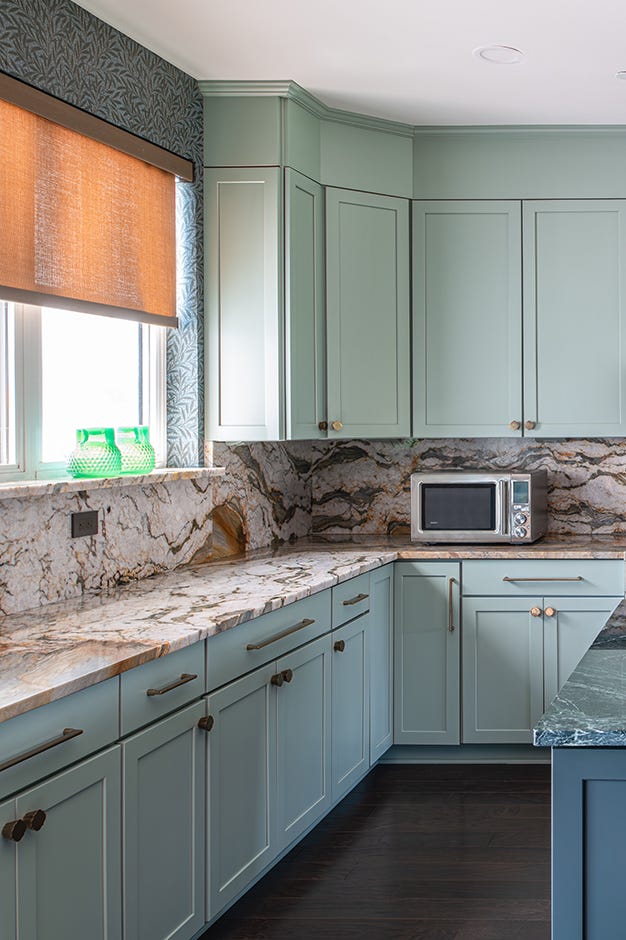
How Do You Build Kitchen Cabinets: Step-by-Step Guide
Executive Chef & Lead Commercial Kitchen Specialist at Daily Kitchup Test Lab
Are you dreaming of a kitchen that perfectly reflects your style and needs? Building your own kitchen cabinets might be the answer.
Imagine opening cabinet doors crafted by your hands, knowing they fit your space and taste exactly. You don’t need to be a master carpenter to achieve this. With the right guidance and a bit of patience, you can create stunning and functional cabinets that make your kitchen the heart of your home.
This isn’t just a project; it’s an opportunity to transform your cooking space into something extraordinary. Are you ready to discover how? Let’s dive in and unlock the secrets to building kitchen cabinets that you’ll love for years to come.
Planning Your Kitchen Cabinets
Building kitchen cabinets requires basic woodworking skills and tools. Start by measuring your kitchen space accurately. Choose quality materials like plywood for durability. Cut the pieces, assemble them carefully, and finish with paint or stain. Install doors and hardware for a complete look.
Planning your kitchen cabinets is a crucial step in creating a kitchen that suits your lifestyle. This phase will determine how efficiently your kitchen will function and how harmonious it will appear. Whether you’re an avid cook or someone who enjoys hosting, understanding your needs and preferences will guide the process.Assessing Your Needs
Begin by considering what you genuinely need. Do you require more storage for your growing collection of spices, or is a dedicated space for small appliances necessary? Think about your daily routine and how you use your kitchen. If you entertain often, you might need cabinets that allow easy access to dinnerware. Make a list of what you love and dislike about your current kitchen. This will help you prioritize what you want in your new cabinetry.Choosing Materials
Your choice of materials impacts both the look and durability of your cabinets. Solid wood offers a classic appeal and can last for years, while laminate is more budget-friendly. Consider the maintenance each material requires. For instance, wood might need regular polishing, whereas laminate is easier to clean. Evaluate your budget and lifestyle. While you might love the look of a certain material, ensure it aligns with your financial plans and daily use.Designing The Layout
The layout is the backbone of your kitchen’s functionality. A well-thought-out design can make your kitchen a joy to use. Focus on the work triangle – the distance between the sink, stove, and refrigerator. This should be efficient, minimizing unnecessary movement. Use online design tools or consult with a professional to visualize different layout options. This can prevent costly mistakes and ensure your space is utilized optimally. Planning your kitchen cabinets with these considerations in mind can transform your kitchen into a space that’s both beautiful and practical. What changes will you make to create your dream kitchen?
Credit: www.youtube.com
Gathering Tools And Materials
Gather essential tools and materials before starting. A drill, screws, wood panels, and measuring tape are crucial. Proper preparation ensures a smooth cabinet-building process.
Gathering the right tools and materials is crucial for building kitchen cabinets. It ensures a smooth workflow and a professional finish. Preparing adequately can save time and prevent frustration later. Here’s a comprehensive guide to the essentials you’ll need.Essential Tools
For constructing kitchen cabinets, a few key tools are necessary. First, a tape measure is vital for accurate dimensions. A circular saw helps in cutting large sheets of wood. Don’t forget a power drill for assembling parts. A screwdriver set is handy for tightening screws. Clamps will hold pieces in place during assembly. Sandpaper or a sanding block smooths out edges. A square ensures your corners are perfect. Lastly, a level keeps your cabinets straight and true.Required Materials
Choosing the right materials is just as important. Start with plywood or MDF for the cabinet boxes. These materials offer strength and durability. Solid wood can be used for doors and face frames. Hinges and drawer slides are essential for functionality. Select quality screws and nails for secure joints. Wood glue adds extra strength to your bonds. You’ll also need a finish, like paint or stain, to protect and beautify your cabinets. Handles and knobs complete the look, providing a personal touch.Building The Cabinet Frame
Crafting the cabinet frame starts with selecting quality wood. Cut pieces to fit the kitchen space. Assemble using screws and glue for stability. Ensure everything is level and square for a professional look.
Building the cabinet frame is the backbone of your kitchen cabinet project. A sturdy frame ensures that your cabinets will withstand daily use and remain functional for years. It requires precision, a good eye for detail, and the right tools. If you’ve ever wondered what goes into making a cabinet that can handle the hustle and bustle of a busy kitchen, you’re in the right place.Cutting The Panels
Accurate measurements are key when cutting the panels for your cabinet frame. You need to ensure each piece fits together like a puzzle. Use a saw that suits your skill level—whether it’s a table saw for precision or a circular saw for versatility. Consider the material you are using. Plywood is popular due to its strength and cost-effectiveness. Mark the measurements clearly on the panels, and double-check before making any cuts. Have you ever cut a piece too short and had to start over? It’s frustrating, but it teaches you the importance of precision.Assembling The Frame
Once the panels are cut, it’s time to assemble the frame. Begin by laying out the pieces on a flat surface. Use wood glue for extra stability and clamps to hold the pieces in place as the glue dries. Screws or nails will secure the pieces together. Are you using pocket screws? They provide a cleaner look and are easy to use for beginners. Ensure everything is square using a carpenter’s square; a slightly off-frame can mean doors that don’t close properly. As you assemble, think about the structure as a whole. It’s like building a mini house—each part supports the other. Taking your time during assembly can save you headaches later when you’re mounting the cabinets and filling them with kitchen essentials.
Credit: www.familyhandyman.com
Constructing Cabinet Doors
Crafting cabinet doors involves precise measurements and selecting durable materials. Assemble the frame using strong joints and secure panels. Sand and finish for a polished look that complements kitchen design.
Constructing cabinet doors is a crucial step in building kitchen cabinets. They add style and functionality to your kitchen. This process requires attention to detail and precision. Choosing the right style and construction method is key. Let’s explore how to build cabinet doors effectively.Door Styles Options
Cabinet doors come in various styles. Each style offers a unique look. The most common styles include:- Shaker:Known for its simple design and clean lines.
- Flat-panel:Offers a sleek, modern appearance.
- Raised-panel:Features a raised center panel for a classic look.
- Glass-front:Adds elegance by showcasing cabinet contents.
Building The Doors
Start by measuring the cabinet openings. This ensures the doors fit perfectly. Cut the wood to size using a saw. Ensure each piece is smooth and even. Sand any rough edges to prevent splinters. Next, assemble the door frame. Connect the pieces using wood glue and clamps. Let the glue dry completely for a sturdy hold. For a shaker or flat-panel design, add a plywood panel in the center. Secure it with additional glue and nails if necessary. Attach hinges to the door’s edge. Make sure they align with the cabinet frame. Use a drill to secure them tightly. Finally, add handles or knobs for easy access. Choose hardware that complements your kitchen decor.Installing Hardware And Accessories
Crafting kitchen cabinets involves installing hardware and accessories with precision. Choose quality hinges and handles for durability and style. Follow manufacturer instructions for proper placement and secure attachment.
Installing hardware and accessories in your kitchen cabinets adds the finishing touch. This step brings function and style to your cabinets. It can transform the look of your kitchen.Choosing Hinges And Handles
Selecting the right hinges and handles is crucial. Consider the style of your kitchen. Are you aiming for a modern or traditional look? Choose hinges that match the cabinet doors. Soft-close hinges are a popular choice. They prevent slamming and increase the lifespan of your cabinets. Handles come in various designs and finishes. Opt for handles that complement your kitchen theme. Stainless steel is sleek and durable. Brass adds a warm, classic touch. Test the handles for comfort. Ensure they fit your hand size for ease of use.Attaching Hardware
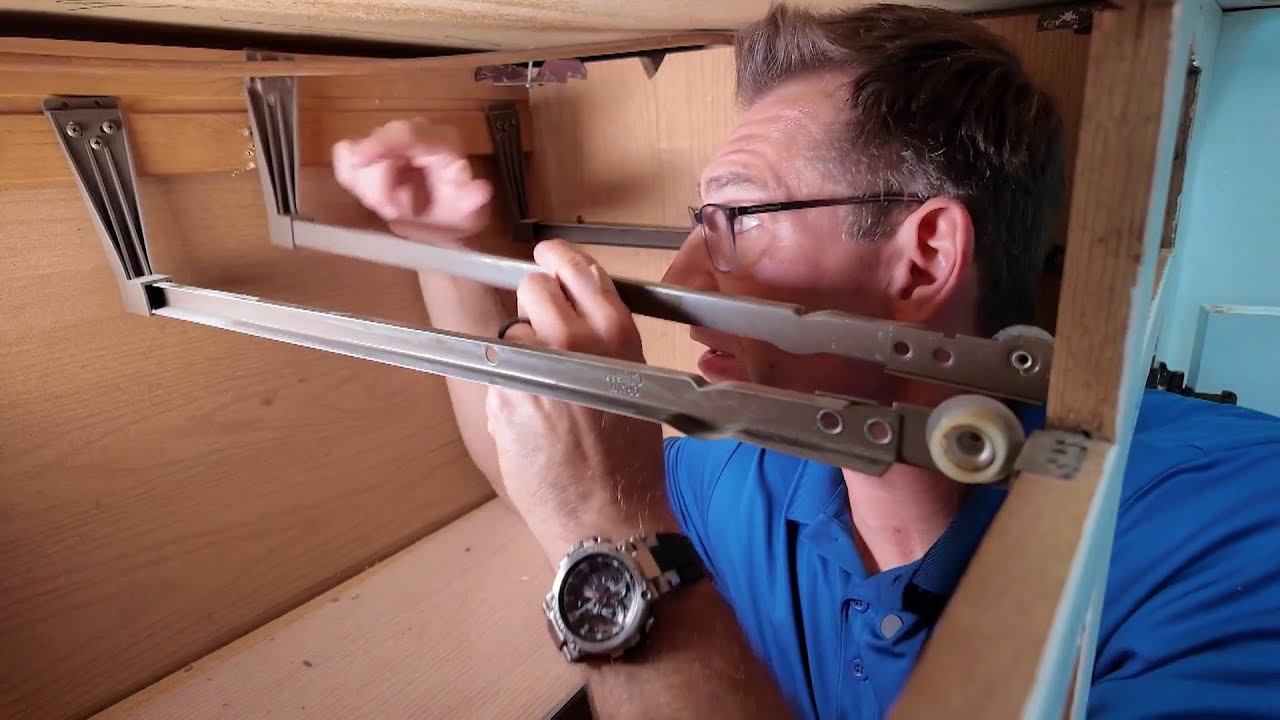
Attaching hardware requires precision. Start by marking the spot for each hinge and handle. Use a measuring tape for accuracy. Drill pilot holes to avoid splitting the wood. Install the hinges first. Align them carefully with the door edges. Screw them in securely. Next, attach the handles. Use a level to ensure they are straight. Secure each handle with screws. Tighten them, but avoid over-tightening. Check the alignment and functionality. Open and close the doors to test. Adjust if necessary for smooth operation.Finishing Touches
Adding finishing touches to kitchen cabinets involves sanding for smooth surfaces, applying paint or stain for color, and installing hardware for functionality. This step enhances the aesthetic appeal and ensures durability, offering a polished look to your kitchen space.
Finishing Touches The final steps in building kitchen cabinets are often the most satisfying. After all the hard work, it’s time to add the finishing touches that transform your cabinets from mere structures to stunning pieces of your kitchen. These touches not only enhance the visual appeal but also improve functionality and durability. Your cabinets’ finish can significantly impact the atmosphere of your kitchen. Will they be bright and vibrant or subtle and sophisticated? The choice is yours, and the process is an opportunity to let your personality shine through.Sanding And Painting
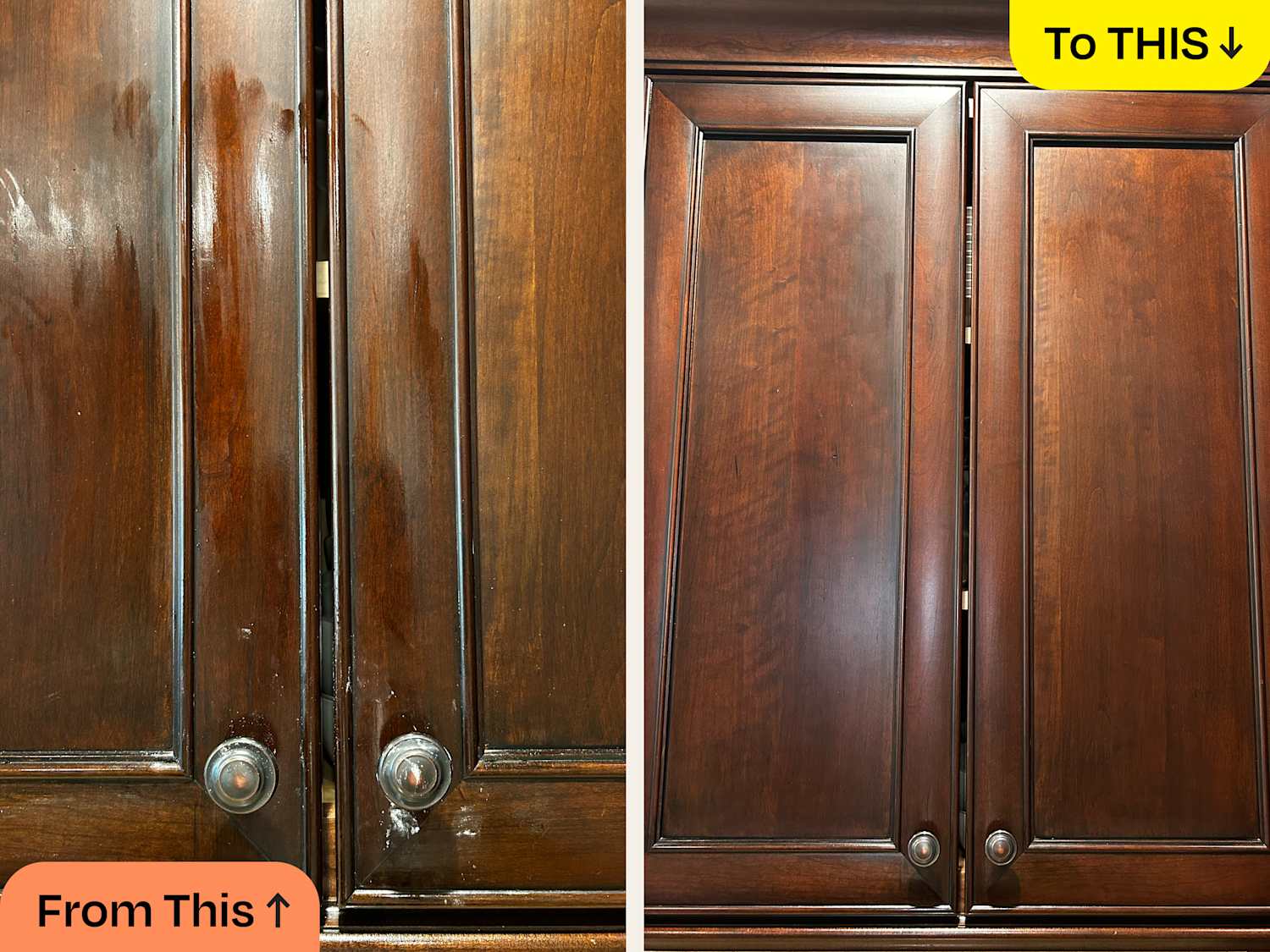
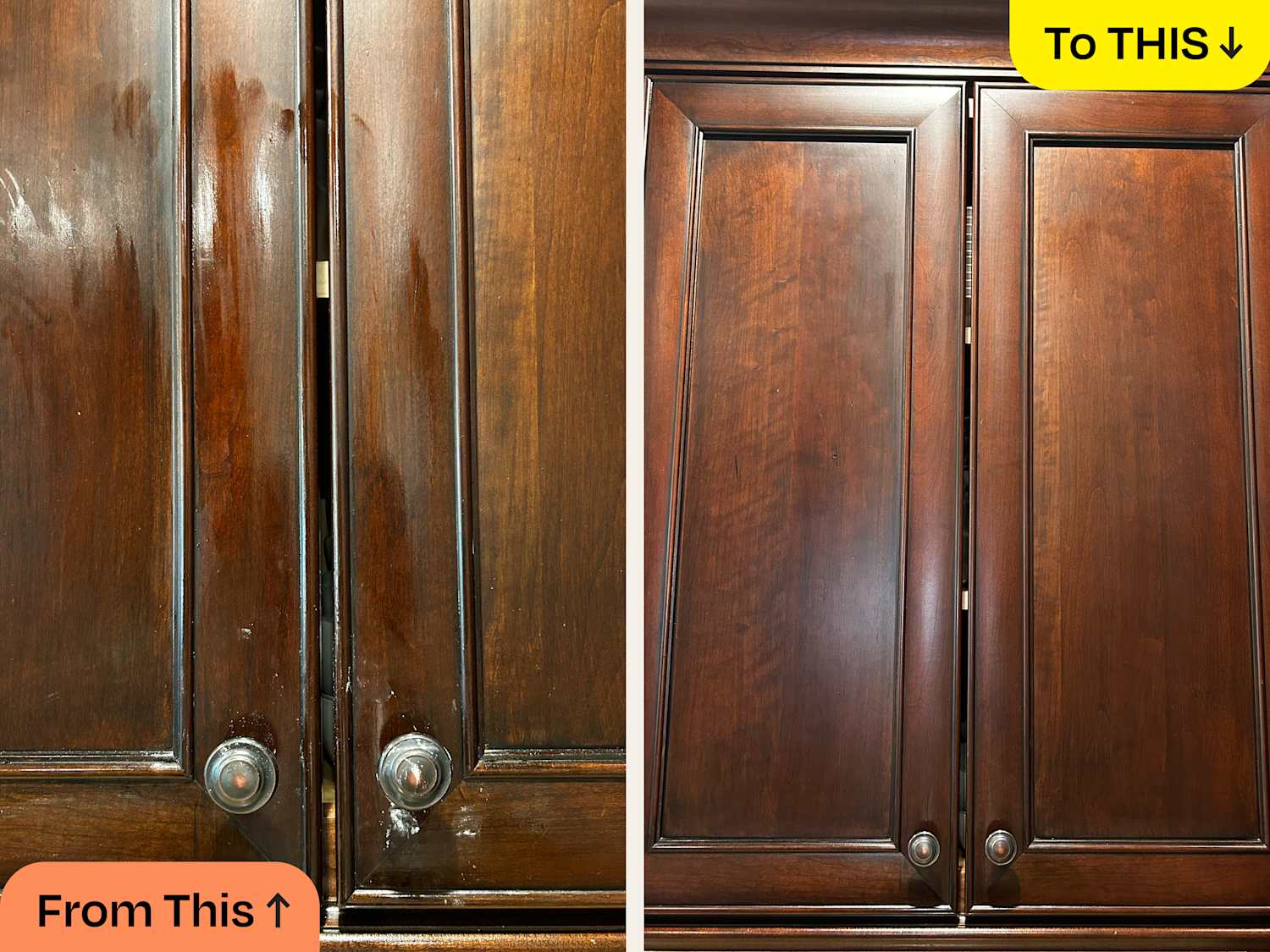
Sanding is a crucial step for a smooth and professional-looking finish. Ensure that all surfaces are even and free of splinters or rough spots. Use a fine-grit sandpaper to achieve the best results. A smooth surface allows the paint to adhere better, making your cabinets look sleek and polished. Consider using a primer before painting. It helps the paint stick and prevents it from soaking into the wood. Choose a paint that complements your kitchen’s style. Matte finishes can offer a modern look, while glossy finishes might give a more traditional feel.Installing The Cabinets
Installation is the moment when your cabinets finally become a part of your kitchen. Ensure that you have all necessary tools ready. A level is essential to make sure everything is straight and aligned. Start by installing the upper cabinets first. This makes it easier to fit the lower ones without obstruction. Secure the cabinets to the wall using appropriate screws and brackets. Double-check that they are firmly attached to avoid any future accidents. Think about how the placement of cabinets might affect the flow of your kitchen. Is there enough space to move comfortably? Is everything within easy reach? Your kitchen is not just a place to cook; it’s a space where memories are made. So, what kind of story do you want your cabinets to tell?Maintenance Tips
Building kitchen cabinets requires precise measurements and quality materials. Focus on durability by using sturdy wood and securing joints well. Regular checks ensure lasting performance.
Maintaining kitchen cabinets is essential to ensure they remain functional and aesthetically pleasing over time. Regular upkeep not only extends their lifespan but also keeps your kitchen looking fresh and inviting. Whether you’re a seasoned cook or a casual chef, keeping your cabinets in top shape can make a noticeable difference in your kitchen experience. Here’s how you can effectively maintain your kitchen cabinets with some practical tips.Regular Cleaning
Ensure your cabinets are free from dust and grime. Use a soft cloth and mild detergent to wipe down surfaces. Avoid harsh chemicals as they can damage the finish.Avoid Excess Moisture
Moisture can warp and damage your cabinets. Make sure to dry any spills immediately and use exhaust fans to reduce humidity in the kitchen.Inspect Hinges And Handles
Check your cabinet hinges and handles for any looseness or wear. Tighten screws as needed to prevent further damage and ensure smooth operation.Use Shelf Liners
Protect cabinet shelves from spills and scratches with shelf liners. They can be easily replaced and help in keeping the shelves clean.Reapply Finish
Periodically reapplying the cabinet finish can keep them looking new. Consider using a high-quality wood polish or finish to maintain their shine.Check For Damage
Inspect your cabinets regularly for any signs of damage like chipping or cracking. Address these issues promptly to prevent them from worsening.Organize Efficiently
Overloading your cabinets can lead to unnecessary strain. Organize items efficiently to ensure even weight distribution and easier access to your essentials. Maintenance doesn’t have to be a chore. With these tips, you can keep your kitchen cabinets in excellent condition without much hassle. Have you checked your cabinets recently? You might be surprised at what a little attention can reveal.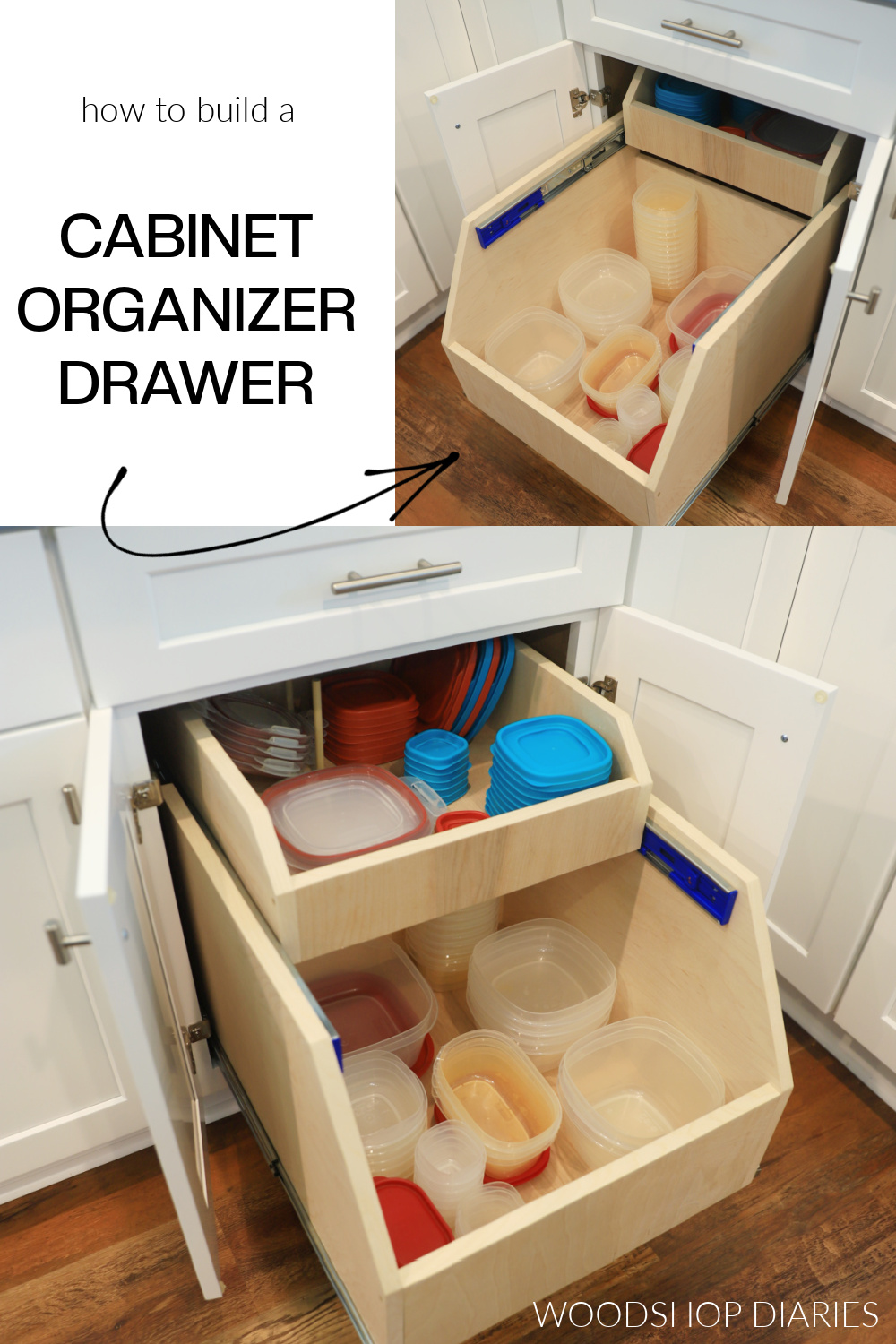
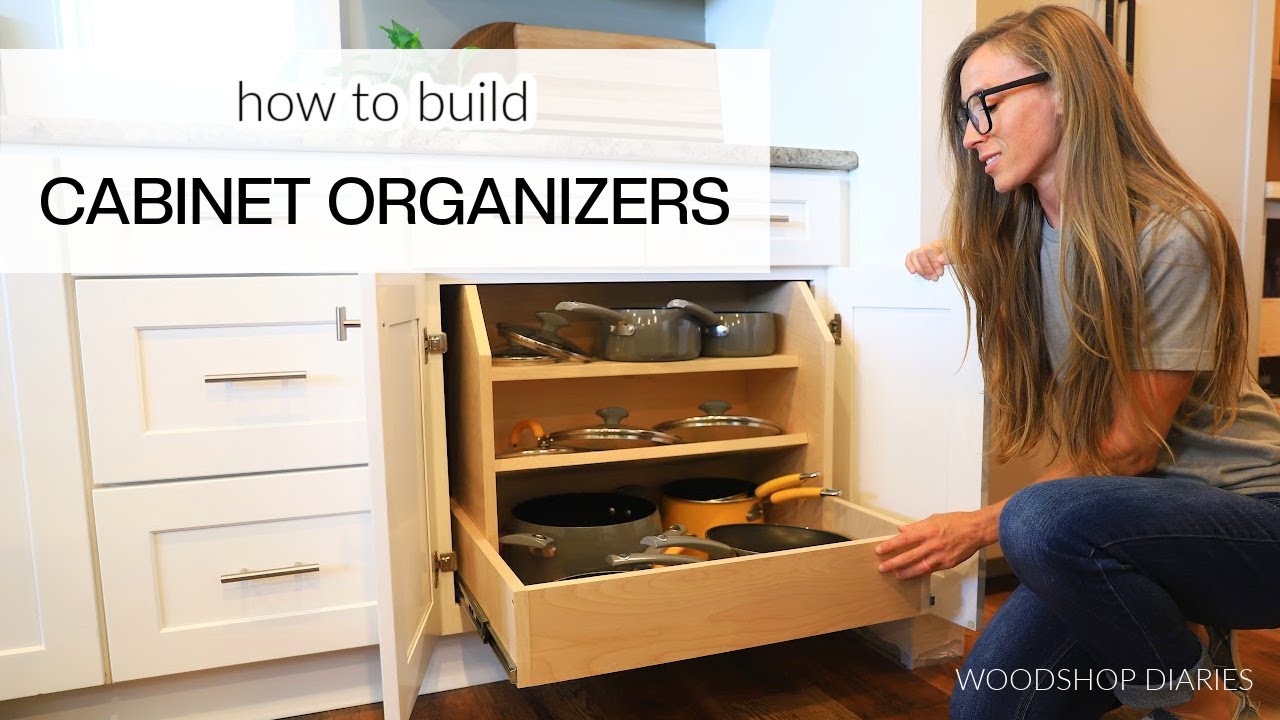
Credit: www.woodshopdiaries.com
Frequently Asked Questions
Is It Cheaper To Build Your Own Kitchen Cabinets?
Building your own kitchen cabinets can be cheaper. Costs depend on materials and tools. DIY saves on labor expenses. Customization may increase costs. Proper planning and budgeting are essential for cost efficiency.
What Kind Of Wood Do You Use To Build Cabinets?
We use hardwoods like oak, maple, and cherry for cabinets. These woods offer durability and a classic look. Popular choices also include birch and walnut for their unique grains. Each type provides a distinct finish, enhancing the cabinet’s aesthetic appeal.
How To Construct Kitchen Cabinets Step By Step?
1. Measure and plan your kitchen layout carefully. 2. Cut wood panels according to your design. 3. Assemble cabinet frames using screws and glue. 4. Install shelves and doors with hinges. 5. Secure cabinets to walls, ensuring alignment.
What Are The Three Basic Methods Of Cabinet Construction?
The three basic methods of cabinet construction are face-frame, frameless, and inset. Face-frame cabinets have a wooden frame on the front. Frameless cabinets, also known as European-style, lack a front frame. Inset cabinets feature doors and drawers fitted within the cabinet frame.
Conclusion
Building kitchen cabinets can be a rewarding project. You gain a beautiful and functional space. Start with solid planning. Measure your area carefully. Choose durable materials for lasting results. Follow each step with patience. Use quality tools for precision. Remember, safety comes first.
Take your time and enjoy the process. Crafting cabinets lets you personalize your kitchen. You can create a unique style. Share your success with family and friends. Your efforts bring satisfaction and pride. Ready to start building? Dive in and make your dream kitchen come to life!

Similar Posts