How Expensive are Kitchen Cabinets: Unveiling Costs
Are you planning a kitchen remodel and wondering just how much kitchen cabinets might set you back? You’re not alone.
Kitchen cabinets are often one of the most significant investments in a home renovation, and their cost can vary widely. You might be asking yourself if the price tag is worth it or if there are ways to save without compromising on style or quality.
In this guide, we’ll dive into the factors that influence cabinet costs and provide you with the insights you need to make a savvy decision. By the end, you’ll have a clear understanding of what to expect, ensuring you make the most out of your budget while creating the kitchen of your dreams. Curious to find out more? Let’s get started!
Factors Influencing Cabinet Costs
When planning a kitchen remodel, the cost of cabinets often takes center stage. Understanding the factors influencing cabinet costs can help you make informed decisions that align with your budget and style preferences. Let’s delve into the elements that significantly impact the price of kitchen cabinets.
Material Choices
The type of material used in your cabinets plays a crucial role in determining their cost. Solid wood options like oak, cherry, and maple tend to be more expensive due to their durability and aesthetic appeal. On the other hand, engineered woods and laminates offer a budget-friendly alternative, though they may compromise on longevity.
Imagine walking into a kitchen with sleek stainless steel cabinets. These are perfect for modern spaces but come with a hefty price tag. Ask yourself: is the premium worth the visual impact?
Construction Quality
Construction quality directly impacts both the price and lifespan of your cabinets. Cabinets with dovetail joints and soft-close hinges are pricier, but they offer superior durability and functionality. Budget options might use stapled or glued joints, which can wear out faster.
Consider how often you use your kitchen. If it’s the heart of your home, investing in high-quality construction might save money on repairs down the line.
Design And Style
The design and style of your cabinets can also influence the cost. Intricate designs or ornate finishes add a touch of luxury but increase the price. Minimalist designs are typically more affordable and can still offer a chic look.
Think about your personal style. Do you prefer a timeless shaker style or a trendy farmhouse look? Each choice will affect your budget differently.
Customization Options
Customization can elevate your kitchen but comes with added costs. Custom-built cabinets tailored to your space and needs offer a unique touch but are more expensive than standard models. Special features like pull-out shelves, built-in organizers, or unique hardware contribute to higher costs.
Reflect on your kitchen habits. Customization can enhance functionality and efficiency, but is it necessary for your lifestyle?
Ultimately, how much you spend on kitchen cabinets depends on your priorities and choices. By weighing these factors, you can find a balance between cost and quality that suits your needs. What’s your kitchen cabinet preference, and how does it align with your budget?
Types Of Kitchen Cabinets
Kitchen cabinets come in various types, each with unique features and costs. Choosing the right type depends on budget, style, and functional needs. Exploring these options can help you make an informed decision.
Stock Cabinets
Stock cabinets are ready-made and available in standard sizes. They are the most affordable option. They offer limited customization, but they are easy to install. Perfect for those on a tight budget. Available in a variety of designs and finishes.
Semi-custom Cabinets
Semi-custom cabinets provide more flexibility. They allow adjustments in size and style. These cabinets offer a balance between cost and customization. They suit those who want a personal touch without spending too much. A variety of materials and finishes are available.
Custom Cabinets
Custom cabinets are tailored to specific needs and preferences. They allow complete freedom in design and materials. These cabinets are the most expensive option. Ideal for unique kitchen layouts or specific requirements. Crafted by skilled professionals for a perfect fit.
Price Breakdown By Material
Price Breakdown by Material Kitchen cabinets vary in cost based on materials. Solid wood cabinets are expensive, offering durability and elegance. Laminate options are cheaper, providing budget-friendly choices with diverse styles.
Understanding the cost of kitchen cabinets is crucial when budgeting for your kitchen remodel. The price can vary significantly depending on the material you choose. Each material comes with its own set of benefits and drawbacks, which influences the overall price. Let’s break down the costs by material to help you make an informed decision.Wood Cabinets
Wood cabinets are a classic choice, offering warmth and character to your kitchen. The price can vary widely based on the type of wood used. For instance, oak and maple are generally more affordable, while cherry and walnut tend to be on the higher end of the price spectrum. Expect to pay between $100 and $300 per linear foot for mid-range wood cabinets. Custom options can run much higher, sometimes exceeding $500 per linear foot. Consider your home’s style and budget to decide if the investment is worth it.Laminate Cabinets
Laminate cabinets are a budget-friendly alternative, perfect for those looking to refresh their kitchen without breaking the bank. They offer a sleek and modern look, often mimicking more expensive materials. Prices for laminate cabinets usually range from $50 to $200 per linear foot. The cost-effectiveness makes them a popular choice for rental properties or starter homes. However, consider the durability and lifespan compared to other materials.Metal Cabinets
Metal cabinets bring a unique industrial flair to any kitchen. They’re durable and easy to clean, making them a favorite among chefs. However, this durability comes at a price. On average, metal cabinets can cost between $200 and $700 per linear foot. Stainless steel is the most common choice, offering a sleek and contemporary look. If you’re drawn to a modern aesthetic, metal cabinets might be worth the splurge.Thermofoil Cabinets
Thermofoil cabinets offer a smooth finish that can mimic the look of wood or painted surfaces. They’re affordable and resistant to moisture, making them ideal for humid environments. These cabinets generally cost between $100 and $250 per linear foot. While they are budget-friendly, keep in mind they can be susceptible to heat damage. Consider your cooking habits and kitchen layout when opting for thermofoil. When choosing kitchen cabinets, think about how each material aligns with your budget and lifestyle. What are your priorities—durability, aesthetics, or cost? Balancing these factors can guide you to the perfect choice for your home.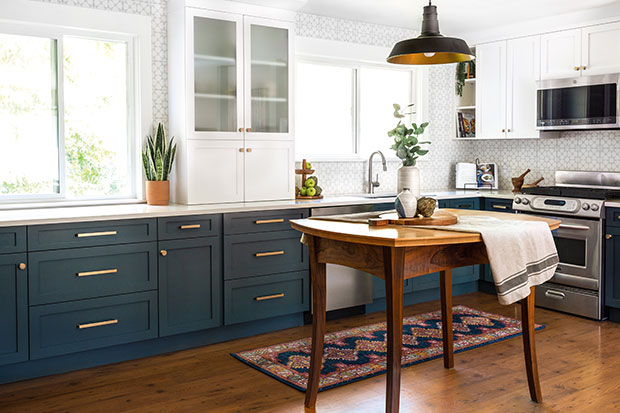
Credit: houseandhome.com
Cost Differences By Finish
Kitchen cabinets vary in cost based on their finish. Basic finishes are affordable, while custom or high-end finishes increase the price significantly. The choice of materials and craftsmanship also impacts the overall expense.
Cost Differences by Finish Choosing the right finish for kitchen cabinets can affect their price. Each finish type offers unique benefits, impacting overall cost. Understanding these differences helps in making an informed decision. Let’s explore the cost variations by finish.Painted Finishes
Painted cabinets provide a sleek look. They often cost more than other finishes. The reason lies in the detailed process required. Professionals apply multiple layers to achieve a smooth appearance. This results in higher labor costs. The paint quality also influences the price. Premium paints can boost costs significantly. Painted finishes offer customization, but at a price.Stained Finishes
Stained finishes highlight the wood’s natural grain. They often cost less than painted finishes. The staining process is simpler, reducing labor expenses. Stains vary in price based on the wood type. High-quality wood demands premium stains, raising costs. Stained cabinets are durable and timeless. They offer elegance at a more affordable price.Glazed Finishes
Glazed finishes add depth and character. They involve applying a glaze over paint or stain. This creates a unique, textured look. Glazing is an extra step, increasing labor costs. The complexity of the process affects the price. Glazed finishes are often considered luxurious. They can be more expensive due to the craftsmanship involved.Impact Of Hardware On Cost
Kitchen cabinet costs often surprise many homeowners. The hardware plays a significant role in the overall expense. Even small details like handles and hinges can impact the final bill. Understanding these components helps manage your budget better. Let’s explore how hardware affects cabinet costs.
Handles And Knobs
Handles and knobs come in various materials. Options include brass, stainless steel, and plastic. Each material offers different price points. Brass handles tend to be pricier but add elegance. Stainless steel offers durability and a modern look. Plastic is a budget-friendly option. The finish also affects cost. Polished finishes might cost more than matte ones. The choice of design matters too. Intricate designs generally cost more. Simple designs are often more affordable.
Hinges And Drawers
Hinges and drawer slides are essential components. They ensure smooth operation of cabinets. Quality hinges can be more expensive. They offer better durability and functionality. Soft-close hinges prevent slamming and add luxury. Drawer slides also vary in price. Ball-bearing slides are more costly but provide a smooth glide. Cheaper options might wear out faster. Investing in quality can save money in the long run. Consider these factors when planning your kitchen budget.
Installation Costs
Kitchen cabinets are a significant investment. Installation costs can vary greatly. Knowing what to expect helps in planning your budget. The choice between professional or DIY installation affects total costs. Each option has its own pros and cons.
Professional Installation
Professional installation ensures expert craftsmanship. Installers have experience and tools. They handle complex setups and details. Hiring professionals saves time. It reduces stress and potential mistakes. The cost depends on the kitchen size and cabinet type. Expect to pay for labor and expertise. Rates vary based on location and company reputation. Some offer flat rates; others charge hourly. It’s wise to compare quotes from different installers.
Diy Installation
DIY installation can save money. It requires patience and basic tools. Instructions are usually provided with cabinets. Online tutorials offer guidance. It’s a good option for handy homeowners. DIY reduces labor costs significantly. Challenges include measuring accurately and fitting cabinets. Mistakes can lead to additional expenses. Consider your skill level before choosing this route. Some prefer DIY for smaller projects.
Budgeting For Kitchen Cabinets
Considering kitchen cabinets can become a costly endeavor. Prices vary based on materials, design, and installation. Planning ahead helps manage expenses effectively.
Budgeting for kitchen cabinets is often the trickiest part of remodeling your kitchen. The cost of cabinets can take up a significant portion of your renovation budget, sometimes as much as 40%. Understanding how to set a realistic budget and discovering ways to save money without compromising on quality can make your kitchen renovation less daunting and more rewarding.Setting A Realistic Budget
Before making any decisions, research is key. Start by comparing the costs of different cabinet materials, such as solid wood, laminate, or MDF. Each material comes with its own price range and durability. Consider the size of your kitchen. A larger kitchen will naturally require more cabinets, increasing your budget. Think about the type of cabinetry you need. Custom cabinets are often more expensive than semi-custom or stock options. Ask yourself what features are essential and where you can compromise. Would you prefer soft-close drawers, or is that a luxury you can do without? Defining your must-haves will help you allocate your budget more effectively.Cost-saving Tips
There are smart strategies to reduce costs without sacrificing style. Opt for stock cabinets, which are pre-made and usually available at a lower cost compared to custom or semi-custom cabinets. Consider a mix of high and low. Spend more on upper cabinets that are more visible and less on lower cabinets to save money. Paint or refinish existing cabinets for a fresh look without the full cost of replacement. Reuse hardware if it’s in good condition. New knobs and handles can be surprisingly expensive, so retaining what you already have can cut down on costs. Look for sales and discounts, especially around major holidays, as retailers often offer significant markdowns. By being strategic and informed, you can achieve the kitchen of your dreams without breaking the bank. What are some of your favorite cost-saving tricks for kitchen renovations?
Credit: www.angi.com
Comparing Prices From Different Suppliers
Exploring the cost of kitchen cabinets involves checking prices from various suppliers. Each supplier may offer different styles and materials, affecting the overall cost. Comparing options can help you find quality cabinets that fit your budget.
Comparing prices for kitchen cabinets from different suppliers can feel overwhelming, but it’s crucial for sticking to your budget without sacrificing style or quality. Each supplier offers unique advantages and drawbacks, which can significantly affect your final decision. Let’s dive into how different options stack up against each other.Online Vs. In-store
Shopping for kitchen cabinets online offers convenience and often better prices due to lower overhead costs. You can browse a vast selection of styles and colors without leaving your home. However, not being able to see the cabinets in person might lead to surprises in color or quality upon delivery. In-store shopping allows you to experience the look and feel of cabinets firsthand. You can assess the craftsmanship and materials directly. However, this option might limit you to local suppliers, potentially missing out on competitive pricing. Which would you prioritize: the convenience of online shopping or the tactile assurance of in-store purchases?Local Vs. National Brands
Local brands often provide personalized service and can offer custom options tailored to your kitchen’s unique dimensions and style. Supporting local businesses might also mean shorter delivery times and easier communication. On the downside, local suppliers may have a limited range of styles and might not always match the competitive pricing of larger brands. National brands can leverage economies of scale to offer more competitive pricing and a wider variety of options. They often have established reputations and warranties, providing peace of mind. However, dealing with larger companies might mean less personalized service, and delivery times can be longer due to centralized distribution centers. Do you value the personal touch of local businesses or the expansive options of national brands?
Credit: www.angi.com
Frequently Asked Questions
How Much Should You Budget For Kitchen Cabinets?
Budget 30% to 50% of your total kitchen renovation cost for cabinets. Pricing varies by material and design. Custom cabinets cost more than stock or semi-custom options. Consider quality and durability for long-term value. Set a clear budget to avoid overspending.
What Is The Most Expensive Part Of A Kitchen Remodel?
The most expensive part of a kitchen remodel is typically the cabinetry. Custom cabinets significantly increase costs. High-quality materials and finishes also contribute to the expense. Appliances and countertops can be costly too, but cabinets often take the largest share of the budget.
Plan carefully to manage these costs effectively.
How Much Do Kitchen Cabinets Cost For A 12×12 Kitchen?
Kitchen cabinets for a 12×12 kitchen typically range from $4,000 to $13,000. Costs vary based on materials, design, and brand. Custom options are more expensive than stock cabinets. Consider installation fees and hardware costs for a complete budget estimate.
Is It Cheaper To Buy Cabinets Or Have Them Built?
Buying cabinets is usually cheaper than custom-built ones. Pre-made options offer cost efficiency due to mass production. Custom cabinets are pricier due to personalized design and craftsmanship. Consider budget, style, and functionality before deciding. Compare options to ensure the best choice for your needs and wallet.
Conclusion
Kitchen cabinets come in various styles and prices. Costs depend on size, material, and design. Custom options are pricier but offer tailored solutions. Prefabricated choices are more budget-friendly. Installation fees add to the overall expense. Budget planning is key. Consider durability and maintenance costs too.
Choosing wisely saves money over time. Affordable options are available. Compare prices and features before buying. Research helps find the best deals. Quality cabinets enhance kitchen appeal. Make informed choices for lasting satisfaction. Smart shopping leads to a beautiful kitchen within budget.