How to Adjust Kitchen Cabinets Hinges: Expert Tips
Executive Chef & Lead Commercial Kitchen Specialist at Daily Kitchup Test Lab
Are your kitchen cabinet doors not closing properly or looking a bit uneven? Adjusting kitchen cabinet hinges might just be the simple solution you need.
Imagine opening your cabinets effortlessly and enjoying a neat, streamlined look in your kitchen. It sounds satisfying, right? This isn’t just about aesthetics; it’s also about enhancing the functionality of your kitchen space. With a few straightforward steps, you can ensure your cabinet doors align perfectly and close smoothly.
You don’t need to be a DIY expert to tackle this task. Ready to transform your kitchen cabinets into a seamless part of your cooking haven? Keep reading, and you’ll discover how easy it is to adjust those pesky hinges and bring back the harmony to your kitchen.
Tools Needed
Essential tools include a screwdriver, a level, and a tape measure. These help ensure precise hinge adjustments.
Adjusting kitchen cabinet hinges might seem like a daunting task, but with the right tools, you can transform your kitchen space effortlessly. Whether your cabinet doors are misaligned or not closing properly, knowing what tools to use is the first step towards a swift solution. Having the correct tools not only makes the job easier but also ensures precision and safety. Let’s dive into the essential tools you’ll need to tackle this DIY project with confidence.Phillips Screwdriver
A Phillips screwdriver is indispensable for adjusting most cabinet hinges. Its cross-shaped tip fits snugly into the screws on your hinges, allowing you to tighten or loosen them with ease. Make sure you have one in the right size to match your hinge screws.Flathead Screwdriver
Although less common than the Phillips, a flathead screwdriver might still be necessary for certain types of hinge adjustments. It’s particularly useful if you encounter screws with a single straight indentation.Level
Precision is key when adjusting cabinet doors, and a level ensures your doors are perfectly aligned. Use it to check the alignment and make sure the doors hang evenly. A small, handheld level is usually sufficient for this task.Tape Measure
A tape measure helps verify spacing and ensures your adjustments are accurate. Measure the gap between doors and cabinets to maintain symmetry and balance in your kitchen design.Drill
A drill can be necessary for more extensive adjustments or if you need to reposition the hinges. Ensure your drill is equipped with the correct drill bit size for your screws to avoid damaging the wood or hinges.Pencil
Keep a pencil handy to mark positions or note measurements as you make adjustments. It’s a simple yet effective tool for planning and ensuring accuracy.Protective Gear
Safety first! Always use protective gloves and safety glasses, especially when using power tools or handling sharp objects. Protecting yourself should be a priority in any DIY project. — Having these tools at your disposal means you’re well-equipped to tackle cabinet hinge adjustments. What other tools have you found helpful in your DIY endeavors? Your experiences could inspire others to approach their home projects with renewed confidence.Types Of Hinges
Adjusting kitchen cabinet hinges is essential for smooth operation. Understanding the types of hinges helps in choosing the right one for your needs. Each hinge type offers different benefits and installation methods. Below are some common types of hinges used in kitchen cabinets.
Concealed Hinges
Concealed hinges are hidden when the cabinet door is closed. They offer a clean look for modern kitchens. These hinges are adjustable and allow precise alignment. They often have built-in soft-close features, preventing slamming. Installation requires drilling holes in the door and cabinet frame.
European Hinges
European hinges are popular in modern cabinetry. They are adjustable and provide flexibility in door positioning. These hinges are mostly hidden and offer a sleek appearance. They are durable and can handle heavy doors. European hinges are easy to install with a few tools.
Surface Mounted Hinges
Surface mounted hinges are visible on the cabinet surface. They are simple to install and require minimal tools. These hinges are often used in traditional kitchen designs. They come in various styles and finishes, adding decorative elements. Surface mounted hinges allow easy adjustment of cabinet doors.
Identifying Common Issues
Adjusting kitchen cabinet hinges can seem daunting. But it’s often necessary for a neat kitchen look. Identifying common issues is the first step. Knowing what to look for can save time and effort. Here are some common problems you might encounter.
Uneven Doors
Uneven doors are a frequent issue in kitchens. They happen when one door is higher or lower than another. This can make the kitchen look untidy. Causes include loose screws or hinge misalignment. Check the hinges for wear or damage.
Misaligned Doors
Misaligned doors can disrupt the kitchen’s harmony. They may not close properly. Or they might rub against the frame. This often results from improper installation or hinge wear. Look for gaps or overlaps between doors.
Sagging Doors
Sagging doors are a common cabinet problem. They can cause doors to hang lower than intended. This is often due to the weight of the door. Over time, hinges may loosen or bend. Ensure that screws are tight and hinges are in good condition.
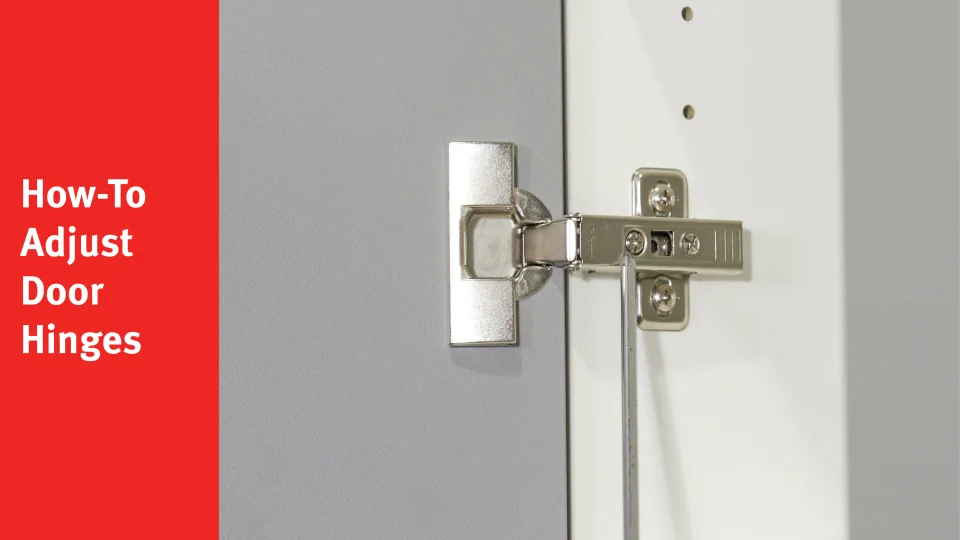
Credit: u-install-itkitchens.com.au
Step-by-step Adjustment Guide
Discover how to easily adjust kitchen cabinet hinges for a perfect fit. Follow simple steps to fix alignment, silence annoying noises, and ensure smooth door operation. Keep your cabinets looking neat and functioning well with minimal effort.
Adjusting kitchen cabinet hinges might seem daunting, but with the right guide, it’s a task you can handle confidently. Whether your cabinet doors are misaligned or not closing properly, a few tweaks can make them good as new. Here’s a step-by-step adjustment guide to help you achieve the perfect fit.Vertical Adjustment
To align your cabinet doors vertically, locate the screws on the hinge plate. These are typically the center screws. Loosen them slightly, allowing the door to move up or down. Once adjusted to your desired height, tighten the screws to secure the position. Have you noticed how a small shift can transform your kitchen’s look?Horizontal Adjustment
Horizontal adjustment ensures your cabinet doors align perfectly with the edges. Find the screws on the side of the hinge that controls horizontal movement. Adjust these screws to move the door left or right until it sits flush with adjacent cabinets. It’s surprising how a minor tweak can prevent doors from bumping into each other.Depth Adjustment
Depth adjustment is crucial for ensuring that cabinet doors close snugly. Locate the screws at the back of the hinge to adjust the depth. Turn them to bring the door closer or further from the cabinet frame. Have you ever felt the frustration of doors that won’t close properly? This adjustment can fix that in minutes. Remember, each adjustment should be done gradually. It’s better to make small changes and check the fit than to over-adjust and complicate the process. Feel free to repeat the steps until your cabinets look and function just right.Maintaining Cabinet Hinges
Maintaining cabinet hinges ensures your kitchen operates smoothly. Proper care prevents squeaks and misalignment. This guide will help you keep your cabinet hinges in top condition. Follow these tips for regular cleaning, lubrication, and tightening screws.
Regular Cleaning
Dirt and grime can build up on hinges over time. Use a damp cloth to wipe them clean regularly. For stubborn spots, mix mild soap with warm water. Avoid harsh chemicals that might damage the hinge finish. Keeping hinges clean extends their lifespan.
Lubrication Tips
Hinges need regular lubrication to work smoothly. Use a silicone spray or light machine oil. Apply a small amount to the hinge joints. Move the hinge back and forth to spread the lubricant. Wipe away any excess to prevent drips.
Tightening Screws
Loose screws can cause cabinet doors to sag. Check screws regularly and tighten them with a screwdriver. Ensure screws are snug but not overly tight. This helps maintain the door’s alignment and prevents wear on the hinges.

Credit: www.reddit.com
Troubleshooting Tips
Adjusting kitchen cabinet hinges can fix alignment issues and improve door function. Tighten or loosen screws to align doors. Check for even spacing between doors for a neat appearance.
Adjusting kitchen cabinet hinges can feel like solving a puzzle, especially when they’re not cooperating. Troubleshooting hinges is all about identifying what’s wrong and knowing how to fix it. This section will provide practical insights to help you manage those stubborn hinges and replace any damaged ones, ensuring your cabinets function smoothly and maintain their aesthetic appeal.Dealing With Stubborn Hinges
Sometimes, hinges can be incredibly stubborn, refusing to budge despite your best efforts. Start by checking if screws are tightly secured. Loose screws can cause misalignment, making the doors difficult to open or close properly. Use a screwdriver to tighten them, but be careful not to over-tighten, which might strip the threads. If the hinge is still problematic, try applying a bit of lubricant. A drop of oil or a spray of WD-40 can work wonders, easing movement and reducing noise. Are you facing resistance because of rust? If yes, gently scrub the affected areas with a wire brush. It might be necessary to remove the hinge to clean thoroughly. Persistence pays off, so don’t give up easily.Replacing Damaged Hinges
Identifying a damaged hinge is crucial. Look for signs like bent metal, cracks, or excessive wear. If a hinge is beyond repair, replacement is your best option. Measure the existing hinge to ensure you purchase the correct size. When replacing hinges, remove the old ones carefully to avoid damaging the cabinet door. Use a screwdriver to unscrew the hinge, keeping the screws for the new hinge if they’re still in good condition. Install the new hinge by aligning it with the screw holes. Tighten the screws securely, but remember not to overdo it, as this can lead to problems later. Testing the door’s movement after installation ensures everything is working smoothly. Have you considered the aesthetic impact? Choosing hinges that complement your kitchen’s design can enhance its overall look. Why not turn a practical task into an opportunity for a mini makeover?Professional Help
Adjusting kitchen cabinet hinges can seem like a straightforward task, but sometimes the challenge is more than just turning a screwdriver. Perhaps you’ve tried making the adjustments yourself and still find your cabinet doors misaligned or squeaky. This is where professional help can be a game-changer. Knowing when to call a professional can save you time, frustration, and possibly prevent further damage.
When To Call A Professional
If you’ve adjusted the hinges multiple times and the doors still don’t close properly, it might be time to seek expert assistance. Professionals have the tools and experience to handle tricky alignment issues. They can also identify underlying problems that might not be obvious at first glance, like warped wood or loose screws that you’ve overlooked.
Moreover, if your cabinets are older or custom-made, professional help is often necessary. These cabinets may have unique hinge systems that require specific knowledge to adjust. Are you noticing wear and tear that could compromise the integrity of your cabinets? A professional can assess whether repairs or replacements are needed.
Cost Considerations
While hiring a professional comes with a cost, it could be more economical in the long run. Consider the expense of potential damage if your DIY attempts go awry. Professionals can often fix issues in one visit, saving you from multiple trips to the hardware store.
Costs can vary based on the complexity of the job and the region you live in. It’s wise to get quotes from a few professionals to compare prices and services. Does the cost fit your budget? Evaluate whether the investment aligns with your goal of maintaining a functional and aesthetic kitchen space.

Credit: www.amazon.com
Frequently Asked Questions
How Do I Tighten Loose Cabinet Hinges?
To tighten loose cabinet hinges, use a screwdriver to secure the screws. Check for stripped screws and replace them if needed. Adjust the hinge alignment for a better fit. Regularly maintain hinges to prevent loosening. Ensuring proper tightness will keep your cabinet doors functioning smoothly.
What Tools Are Needed For Hinge Adjustment?
For hinge adjustment, you typically need a screwdriver. Depending on the type of hinge, you may also need a drill or allen wrench. Always check the hinge type before starting. Having the right tools ensures accurate adjustments and prevents damage to your cabinets.
How Can I Fix Misaligned Cabinet Doors?
To fix misaligned cabinet doors, adjust the hinges. Loosen screws slightly and reposition the door until it aligns properly. Tighten the screws once aligned. Regularly check alignment to avoid future issues. Properly aligned doors enhance the kitchen’s appearance and functionality.
Can I Replace Cabinet Hinges Myself?
Yes, you can replace cabinet hinges yourself. Remove the old hinges using a screwdriver and attach new ones. Ensure alignment and secure screws tightly. Replacing hinges is a straightforward DIY task. With patience, you can successfully update your kitchen cabinets.
Conclusion
Adjusting kitchen cabinet hinges is simpler than it seems. Follow the steps to ensure smooth door movement. Tighten screws for stability. Align doors for a neat look. Use a screwdriver carefully. Check alignment regularly to maintain order. Proper adjustment prevents wear and tear.
This ensures longer cabinet life. Always handle tools safely. Now, your kitchen looks tidy and functional. Enjoy your organized space. Share your tips with friends. They might need help too. Keep this guide handy for future reference. Happy adjusting!

Similar Posts