How to Arrange Things in Kitchen Cabinet: Expert Tips
Are you tired of opening your kitchen cabinet only to be greeted by a chaotic jumble of pots, pans, and mismatched containers? You’re not alone.
A cluttered cabinet can make cooking stressful and time-consuming. Imagine reaching for a spice jar and finding it instantly, or grabbing your favorite pot without a hassle. Sounds like a dream, right? With the right organization strategies, this dream can become your reality.
By arranging your kitchen cabinet efficiently, you can save time, reduce stress, and even make your cooking experience more enjoyable. Let’s dive into practical tips that will transform your kitchen into a space of ease and efficiency. Stay with me, and you’ll soon discover the secrets to a perfectly organized kitchen cabinet.
Credit: www.hgtv.com
Assessing Your Space
Assessing your space is the crucial first step in organizing your kitchen cabinets efficiently. Without a clear understanding of the space you have and the items you need to store, your kitchen can quickly become chaotic. Taking the time to evaluate your cabinets will help you maximize storage and maintain a clutter-free environment.
Measuring Cabinet Dimensions
Start by measuring the dimensions of your cabinets. Grab a measuring tape and jot down the width, depth, and height of each section. Knowing these measurements will allow you to plan effectively and select organizers that fit perfectly.
Consider the placement of shelves and any fixed dividers, as these can impact the usable space. If you’re like me, the excitement of organizing sometimes leads to oversight of these elements. So, remember to check the inside thoroughly!
Identifying Storage Needs
Once you have the measurements, think about what you actually need to store. Look at the items you use daily and the ones you reach for occasionally. Categorize them by frequency and size, which helps in deciding which items should be easily accessible.
- Everyday items like plates and cups should be stored at eye level.
- Heavy cookware can go lower to avoid strain.
- Seasonal or seldom-used items can occupy higher shelves.
Ask yourself: are there items that could be stored elsewhere or even discarded? You might find that your cabinets are holding onto things you haven’t used in months. Clearing these out can make room for essentials, and give a sense of refreshment to your kitchen space.

Credit: food52.com
Categorizing Kitchen Items
Organizing a kitchen cabinet can seem overwhelming. The secret? Effective categorization. A well-organized kitchen saves time and reduces stress. Let’s dive into the best ways to categorize kitchen items.
Grouping Similar Items
Start by grouping similar items together. This makes finding things easier. Place all baking supplies in one section. Keep spices together in another. Use bins or baskets for smaller items. Label each bin for quick identification. This method keeps your cabinet tidy.
Prioritizing Frequently Used Items
Place frequently used items within easy reach. Store them at eye level or in the front. This saves time during meal prep. Less-used items can go on higher shelves. This maximizes your space efficiently. Remember, convenience is key.
Maximizing Space
Organize your kitchen cabinet efficiently by grouping similar items together. Store frequently used items at eye level for easy access. Utilize stackable containers and shelf risers to maximize vertical space.
Maximizing space in your kitchen cabinet is essential, especially when you find yourself struggling to fit everything in. It can feel like a game of Tetris, trying to make sure each item has its place without creating a chaotic mess. So, how do you make the most of every inch in your kitchen cabinets?Utilizing Vertical Space
Don’t let the height of your cabinets go to waste. Consider stacking items vertically to increase storage capacity. You might be surprised how much room you can free up by simply changing the orientation of items. Use stackable containers or bins to keep similar items together. It’s an easy way to keep things organized and accessible. When everything is visible, you reduce the time spent digging around for that elusive spice jar. Hang hooks or racks on the inside of cabinet doors for lightweight items like measuring spoons or pot lids. This simple trick can clear up valuable shelf space for larger items.Incorporating Adjustable Shelves
Adjustable shelves can be a game-changer. They allow you to customize the space according to your needs, creating specific zones for different items. Move shelves up or down to make room for taller bottles or appliances. This flexibility means you can store a variety of items without feeling cramped. Consider adding more shelves if your cabinets allow it. This could be the perfect solution for storing smaller items that often end up cluttered together. Have you ever thought about the impact of adjustable shelves on your cooking routine? When everything has its designated spot, you’ll find preparing meals becomes quicker and more enjoyable.Organizing By Zones
Arranging kitchen cabinets by zones helps keep similar items together. Group cooking essentials, such as pots and pans, near the stove. Place baking tools in one area, and store tableware near the dining area for easy access.
Organizing your kitchen cabinet by zones can be a game-changer. It streamlines your cooking process and makes meal prep efficient. The key lies in creating designated areas for specific tasks, ensuring everything you need is within arm’s reach.Designating Cooking Zones
Think of your cooking zone as the heart of your kitchen. This is where the magic happens. Place pots, pans, and utensils near the stove. Keep oils, spices, and frequently used condiments in a nearby cabinet. This setup minimizes movement and saves time. Imagine reaching for a pan with one hand and grabbing oil with the other. It’s all about convenience. The less you move, the quicker you cook.Creating Baking And Prep Areas
Baking requires precision and specific tools. Dedicate a cabinet to baking essentials like flour, sugar, and baking powder. Store mixing bowls and measuring cups nearby. Use clear containers to easily identify ingredients. For your prep area, keep cutting boards, knives, and mixing bowls within reach. Having a dedicated space for meal prep reduces clutter. It also makes cleanup a breeze. How do you feel about your current kitchen setup? Would organizing by zones enhance your cooking experience?Using Storage Solutions
Organize kitchen cabinets efficiently with storage solutions like stackable shelves and clear containers. Group similar items for easy access. Use adjustable dividers to keep pots, pans, and lids tidy.
Using storage solutions can transform your kitchen cabinets. They help in organizing and maximizing space. Proper arrangement creates a neat and functional environment. Explore practical ways to organize your kitchen efficiently.Incorporating Drawer Dividers
Drawer dividers prevent clutter. They keep items separated and easy to find. You can store utensils, spices, and small gadgets. Choose adjustable dividers for flexibility. This allows customization for different drawer sizes. Keep similar items together for quick access. Dividers maintain order and save time.Adding Pull-out Shelves
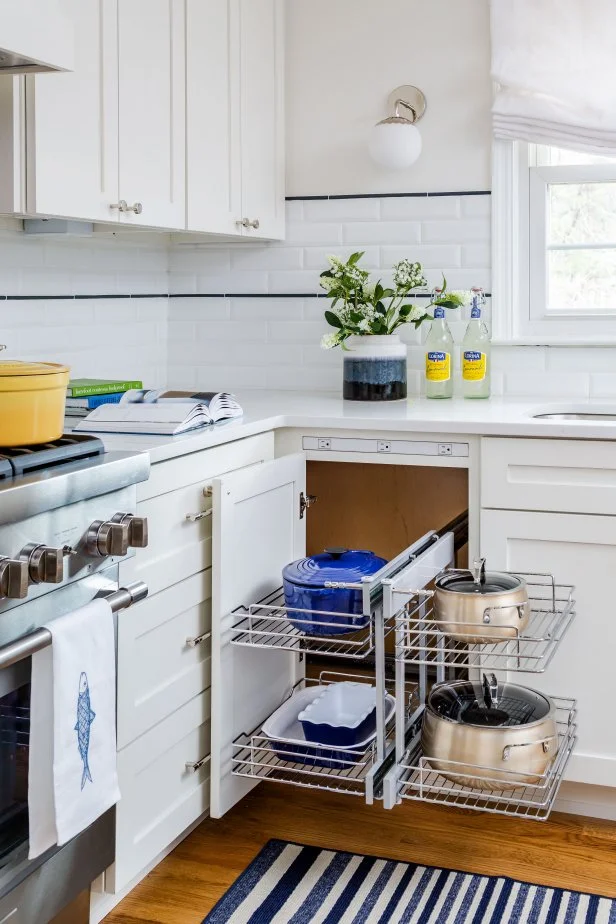
Pull-out shelves offer easy access to deep cabinets. They eliminate the need to reach far into shelves. Install them in lower cabinets for pots and pans. Use them in upper cabinets for plates and bowls. They are ideal for organizing pantry items too. Pull-out shelves make the kitchen more accessible. They simplify the storage process.Maintaining Organization
Maintaining organization in your kitchen cabinet doesn’t have to be a daunting task. With a few strategic habits, you can keep everything in place and easily accessible. Imagine opening your kitchen cabinet and immediately finding the item you need without rummaging through clutter. Let’s explore some practical ways to ensure your kitchen cabinet remains tidy and efficient.
Implementing Regular Decluttering
Regular decluttering is key to keeping your kitchen cabinet organized. Setting aside time every month to assess the contents can make a significant difference. Look for expired items or those you rarely use and remove them. This not only creates more space but also makes it easier to find what you need.
Consider the last time you used certain items. If you can’t remember, it might be time to part ways. By doing this regularly, you prevent unnecessary buildup and maintain a streamlined space.
Adopting A Systematic Restocking Routine
A systematic restocking routine ensures that your kitchen cabinet remains orderly and efficient. Start by keeping a list of essential items and checking inventory before shopping. This helps avoid overbuying and ensures you always have what you need.
Place newer items at the back and older ones in front to use them first. This rotation keeps your stock fresh and minimizes waste. You might find that creating a simple chart or list on the inside of your cabinet door helps manage this effortlessly.
What methods have you found effective in maintaining your kitchen cabinet organization? Sometimes, small adjustments can lead to big improvements.
Expert Tips And Tricks
Organize kitchen cabinets efficiently by grouping similar items together. Use clear containers for easy visibility and access. Place frequently used items at eye level for convenience and quicker cooking.
Arranging your kitchen cabinet can feel like solving a puzzle. With countless items to store—from spices to pots—organization is key to making your kitchen efficient and enjoyable. The following expert tips and tricks will help you transform chaos into order, making your cooking space a joy to use.Leveraging Multi-purpose Containers
Using multi-purpose containers is a game-changer. These versatile storage solutions can adapt to fit various items, from dry goods to small kitchen tools. Stackable containers maximize space, turning clutter into a streamlined system. Consider transparent containers. They let you see contents at a glance, reducing the time spent rummaging through drawers. Airtight versions keep food fresh longer, making them ideal for pantry staples. Imagine the ease of having everything you need within reach, neatly organized. This isn’t just a dream—it can be your reality by investing in containers that serve multiple functions.Employing Creative Labeling Methods
Labeling isn’t just practical; it can be fun and creative. Using chalkboard labels allows for easy updates as your inventory changes. Simply wipe and rewrite as needed, keeping your cabinet dynamic. For a personal touch, consider color-coded labels. Assign different colors to various categories like baking supplies or spices. This visual cue saves time and adds a splash of personality to your kitchen. Ever grabbed the wrong spice in a hurry? Creative labeling turns this common mishap into a thing of the past. It’s not just about organization—it’s about creating a space that works seamlessly with your lifestyle. Think about the transformation: a cabinet where every item has its place, clearly marked and easily accessible. Can you imagine the efficiency and joy this would bring to your cooking routine?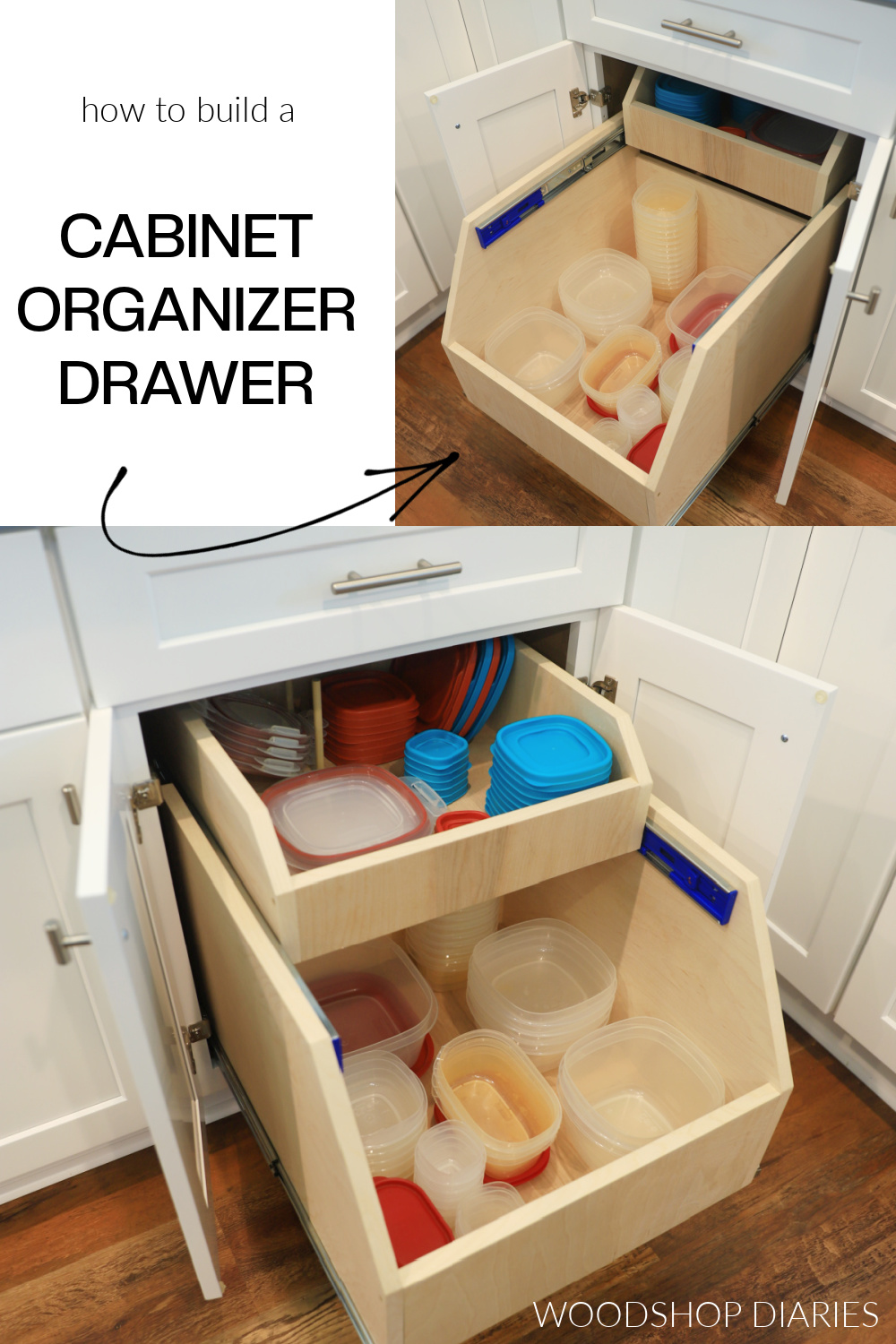
Credit: www.woodshopdiaries.com
Frequently Asked Questions
How Do You Decide Where To Put Things In Kitchen Cabinets?
Organize kitchen cabinets by grouping items based on use and frequency. Place frequently used items within easy reach. Store heavy items lower and lighter ones higher. Keep similar items together, like spices or cookware, for convenience. Arrange items logically to streamline cooking and maximize space efficiency.
How To Arrange Things In A Kitchen Cabinet?
Organize kitchen cabinets by grouping similar items together. Keep frequently used items at eye level. Store heavier items on lower shelves. Use clear containers for easy visibility. Label shelves or containers for quick identification.
What Are The Nine Steps In Organizing Kitchen Cabinets?
Organize kitchen cabinets in nine steps: declutter, categorize items, optimize shelf space, use organizers, store frequently used items accessibly, label shelves, maximize vertical space, arrange by usage frequency, and regularly maintain order.
Should Food Go In Upper Or Lower Cabinets?
Store frequently used food items in upper cabinets for easy access. Place heavier or less-used items in lower cabinets. This organization enhances kitchen efficiency and safety. Keep similar food categories together for a neat arrangement. Make sure to prioritize accessibility and convenience when arranging your kitchen cabinets.
Conclusion
Organizing your kitchen cabinet makes life easier. You find items quickly. Cooking becomes more enjoyable. Keep similar items together. Store frequently used items in easy reach. Use baskets for small things. Label containers for clarity. Make use of vertical space.
Regularly check for expired goods. Maintain order. Clean as you go. These steps bring order and harmony. A tidy kitchen reduces stress. Enjoy your neat and efficient space. It’s simple and rewarding. A well-arranged cabinet saves time daily. Happy organizing!