How to Clean Greasy Kitchen Cabinets: Expert Tips
Ever find yourself cringing at the sight of your kitchen cabinets? You’re not alone.
Greasy kitchen cabinets can be a nightmare, leaving you wondering if you should just replace them altogether. But wait—before you dive into costly renovations, there’s hope! Cleaning those stubborn grease stains doesn’t have to be a daunting task. Imagine walking into your kitchen and seeing cabinets that sparkle and shine, as if they’re brand new.
Sounds like a dream, right? Well, this dream can easily become your reality. You’ll discover simple yet effective techniques to transform your grimy cabinets into gleaming beauties. Ready to give your kitchen the makeover it deserves? Let’s dive in and reveal the secrets that will make your cabinets look spotless and stunning.

Credit: www.facebook.com
Materials Needed
Gather dish soap, baking soda, vinegar, and warm water to clean greasy kitchen cabinets effectively. Use a soft sponge or cloth for scrubbing. Keep a bucket handy for mixing cleaning solutions.
Cleaning greasy kitchen cabinets can be a daunting task. With the right materials, this job becomes easier and more efficient. Below, we list the materials needed to ensure your cabinets shine.Basic Cleaning Supplies
You’ll need some basic items to start. These include a soft cloth, sponge, and a bucket. Choose a microfiber cloth for the best results. These are gentle yet effective in lifting grime. A sponge helps in scrubbing without scratching. A bucket is essential for holding your cleaning solution.Cleaning Solutions
You have options for cleaning solutions. You can use commercial cleaners or make a homemade one. For a homemade solution, mix warm water, vinegar, and dish soap. Vinegar cuts grease naturally. Dish soap helps to break down stubborn grease. Always test in a hidden spot first.Protective Gear
Protect your hands and eyes. Wear rubber gloves to avoid skin irritation. Safety goggles shield your eyes from splashes. This is important when handling chemical cleaners.Scrubbing Tools
Some grease needs a bit more elbow grease. A toothbrush or small scrub brush works well. These tools reach into corners and crevices. Use them gently to avoid damage.Drying Materials
After cleaning, drying is crucial. Use dry towels or paper towels for this. They absorb moisture effectively. This step prevents water spots and streaks. Make sure all surfaces are dry before closing the cabinets.Optional Supplies
Consider using essential oils for a fresh scent. Lemon or lavender oils can be added to your cleaning solution. They leave a pleasant aroma after cleaning. It’s an optional step but adds a nice touch. Prepare these materials before you start. With everything ready, you can clean with ease and efficiency. Your kitchen cabinets will look clean and inviting.
Credit: www.msn.com
Preparation Steps
Gather your cleaning supplies, including a degreasing cleaner, microfiber cloths, and a soft-bristle brush. Empty the cabinets to access all surfaces.
Cleaning greasy kitchen cabinets can be a daunting task, but with the right preparation steps, it becomes much easier and more efficient. Before diving into the cleaning process, it’s crucial to prepare your space properly. This not only makes the task more manageable but also ensures you protect your kitchen from potential damage. Let’s explore the essential preparation steps to get your kitchen ready for a deep clean.Clear The Area
Start by removing all items from your kitchen cabinets. This might seem tedious, but it’s essential for a thorough clean. As you clear the cabinets, take a moment to sort items and check for expired food or rarely used gadgets. Think of it as a mini decluttering session. You might find items you forgot you had! Clearing the space allows you to access every nook and cranny, ensuring no grease spots are left behind. Plus, it makes the cleaning process faster and more effective.- Remove all dishes, pantry items, and appliances.
- Sort through the items and discard anything expired or unwanted.
- Place items in a safe area, away from the cleaning zone.
Protect Surrounding Surfaces
Once the area is cleared, it’s time to safeguard your countertops and floors. Cleaning solutions can sometimes splatter or drip, potentially damaging surfaces. Cover your countertops with old towels or newspapers to catch any spills. For floors, consider using a tarp or plastic sheet. This simple step saves you from additional cleaning and ensures your kitchen stays pristine. Why risk the hassle of cleaning twice? Protecting your surfaces means you can focus solely on the cabinets without worrying about accidental stains or spills.- Use towels or newspapers to cover countertops.
- Lay down a tarp or plastic sheet on the floor.
- Ensure surrounding walls are also protected if needed.
Choosing The Right Cleaner
Cleaning greasy kitchen cabinets can be a daunting task, especially when you’re faced with stubborn grime that just won’t budge. The secret to successful cleaning lies in choosing the right cleaner. With so many options available, how do you know which one will work best for your cabinets? Let’s explore some options that cater to different needs and preferences.
Commercial Cleaners
Commercial cleaners are formulated to tackle tough grease and grime with minimal effort. These products are readily available and often come with clear instructions on the label. Look for degreasers specifically designed for kitchen use, as they are generally safe for various cabinet finishes.
Before purchasing, consider the type of cabinets you have—wood, laminate, or painted—as some cleaners may be too harsh for certain materials. Always test the cleaner on a small, inconspicuous area first to ensure it won’t damage or discolor your cabinets.
Diy Cleaning Solutions
Creating your own cleaning solution can be a cost-effective and customizable approach. A popular DIY mixture includes warm water, dish soap, and a splash of vinegar. This solution is gentle yet effective for cutting through grease on most cabinet surfaces.
Another option is to mix baking soda with water to form a paste. Use a soft cloth or sponge to apply it to greasy areas, then gently scrub. This method is especially useful for stubborn spots that need a bit more elbow grease.
Natural Alternatives
If you prefer a more natural approach, consider using ingredients you likely already have at home. Lemon juice is a natural degreaser and leaves a fresh scent. Simply mix equal parts lemon juice and water, spray it on your cabinets, and wipe clean.
Another eco-friendly option is white vinegar, which can effectively cut through grease and kill bacteria. Use it alone or mixed with water for a simple yet powerful cleaning solution. Remember to rinse the area with water afterward to remove any vinegar residue.
Choosing the right cleaner for your kitchen cabinets doesn’t have to be overwhelming. By considering your specific needs and the type of cabinets you have, you can select a cleaning method that works best for you. So, which cleaner will you choose to tackle your greasy cabinets?
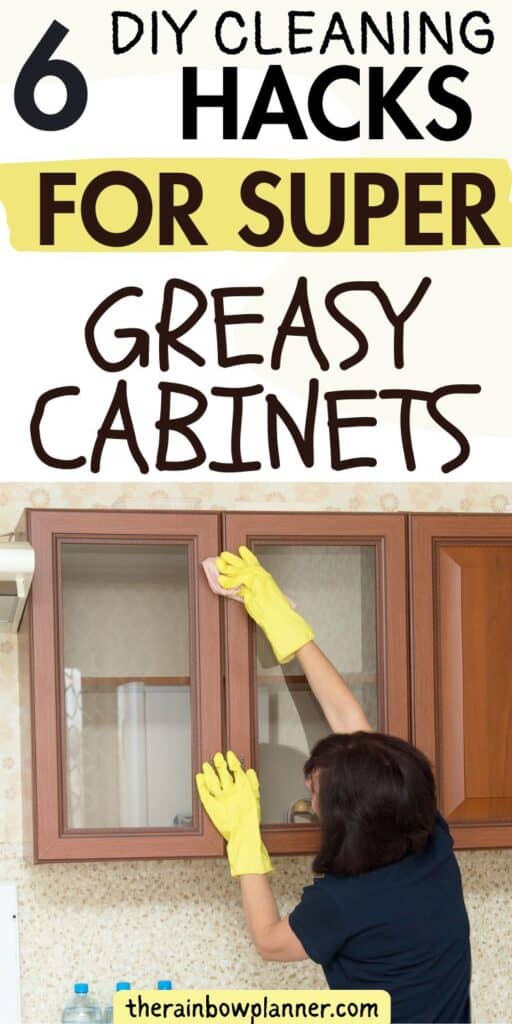
Credit: therainbowplanner.com
Cleaning Techniques
Grease buildup on kitchen cabinets can be tackled with vinegar and dish soap. Mix equal parts in a spray bottle. Wipe with a soft cloth to remove grime effectively.
Cleaning kitchen cabinets can feel like an endless battle against grease and grime. But the right techniques can make the process not only effective but also surprisingly satisfying. Whether you’re dealing with surface dirt or stubborn grease, mastering these cleaning techniques will transform your cabinets from grimy to gleaming. Let’s dive into practical methods that will leave your kitchen looking fresh and inviting.Surface Cleaning
Start with a simple solution of warm water and dish soap. Mix them in a spray bottle for easy application. Use a microfiber cloth to wipe down the cabinet surfaces gently. This basic method is perfect for regular maintenance, keeping your cabinets free from everyday dirt and dust.Deep Cleaning
For deeper cleaning, create a mixture of vinegar and water. The acidity in vinegar helps break down grease effectively. Apply the solution with a sponge, focusing on areas with visible grime. Rinse with clean water and dry with a towel to prevent water spots and maintain the wood’s finish.Handling Stubborn Grease
Stubborn grease can be a real challenge. Consider using baking soda mixed with water to form a paste. Apply the paste to greasy spots, allowing it to sit for a few minutes. Scrub gently with a soft brush. Rinse and wipe with a damp cloth to reveal a grease-free surface. If you’ve tried multiple methods and still see grease, don’t despair. It might be time to ask yourself if there’s something you’re missing in your cleaning routine.Finishing Touches
Cleaning greasy kitchen cabinets can be a challenging task. After scrubbing and rinsing, it’s time for the finishing touches. These steps ensure your cabinets look fresh and stay clean longer. Follow these simple steps to complete the cleaning process.
Drying Cabinets
After cleaning, dry the cabinets with a soft cloth. This prevents water spots and streaks. Open the cabinet doors to let air circulate. Use a fan if needed for faster drying. Avoid using paper towels as they can leave lint.
Applying Protective Coating
A protective coating adds a layer of defense against grease. Use a wood polish or a specialized cabinet protector. Apply it with a clean, dry cloth in gentle circular motions. This keeps the surface shiny and easier to clean next time. Make sure the coating is safe for your cabinet material. Always test a small area first.
Maintenance Tips
Maintaining clean kitchen cabinets is crucial for a tidy cooking space. Grease can build up over time, creating a sticky mess. Regular maintenance can prevent this from happening. Implementing simple strategies keeps your cabinets looking fresh and extends their lifespan.
Regular Cleaning Schedule
Establish a weekly cleaning routine for your cabinets. Use a mild detergent and warm water. Wipe down surfaces to remove dust and grime. Regular cleaning prevents grease from accumulating over time. This routine keeps your kitchen feeling fresh and welcoming.
Quick Spot Cleaning
Spot cleaning is essential for unexpected spills. Keep a microfiber cloth handy for quick wipes. A solution of vinegar and water works wonders for small stains. Immediate cleaning prevents stains from setting in. This keeps your cabinets looking pristine and well-maintained.
Preventative Measures
Prevention is better than cure. Use liners to protect cabinet shelves from spills. Install exhaust fans to reduce grease in the air. Organize items to minimize clutter. These measures make cleaning easier. Your cabinets will remain in top condition with minimal effort.
Frequently Asked Questions
How To Clean Very Dirty Greasy Kitchen Cabinets?
Mix equal parts of vinegar and water. Apply the solution to the cabinets using a soft cloth. Scrub gently to remove grease. Rinse with warm water and dry with a clean cloth. For stubborn stains, use baking soda paste and a soft brush.
What Is The Best Degreaser For Kitchen Cabinets?
Simple Green All-Purpose Cleaner is a top choice for kitchen cabinets. It effectively removes grease and grime. It’s non-toxic and environmentally friendly. Another option is Krud Kutter Original Concentrated Cleaner. It cuts through tough grease and is safe on surfaces.
Both are popular for their efficiency and safety.
Does Magic Eraser Work On Greasy Cabinets?
Yes, a magic eraser can effectively clean greasy cabinets. It removes grime, fingerprints, and stubborn stains. Dampen the eraser slightly before using. Test on a small area first to avoid damage. Always follow up with a clean, damp cloth.
Does Murphy’s Oil Soap Clean Greasy Kitchen Cabinets?
Murphy’s Oil Soap effectively cleans greasy kitchen cabinets. Its gentle formula removes grime while preserving the wood’s finish. Use a diluted solution for best results. Regular cleaning keeps cabinets looking fresh and extends their lifespan. Ensure thorough rinsing to prevent residue build-up and maintain a clean, shiny surface.
Conclusion
Cleaning greasy kitchen cabinets can seem daunting, but it’s manageable. Start with the right supplies, like vinegar and baking soda. These are effective and safe. Wipe down surfaces regularly to prevent buildup. Consistency is key. A clean kitchen not only looks good but also feels welcoming.
Enjoy cooking in a tidy space. Remember, a little effort goes a long way. Make cleaning a habit. Keep your cabinets spotless with these simple steps. Your kitchen will thank you. Happy cleaning!