How to Clean Kitchen Cabinets: Pro Tips for Sparkling Results
Executive Chef & Lead Commercial Kitchen Specialist at Daily Kitchup Test Lab
Your kitchen is the heart of your home, and those cabinets? They’re its hardworking backbone.
Every day, they face splatters, spills, and sticky fingers. Over time, this can leave them looking dull and grimy. But don’t worry—cleaning your kitchen cabinets doesn’t have to be a daunting chore. Imagine opening your cabinets to a fresh, gleaming interior every morning, boosting your mood and making cooking feel more enjoyable.
In this guide, we’ll walk you through simple, effective steps to restore your cabinets to their former glory. Ready to discover how a few easy techniques can transform your kitchen? Let’s get started!
Credit: www.msn.com
Types Of Kitchen Cabinets
Kitchen cabinets come in various materials, each with its unique charm and cleaning requirements. Understanding the type of cabinets you have is crucial for maintaining their appearance and longevity. Let’s explore the different types of kitchen cabinets and how to clean them effectively.
Wood Cabinets
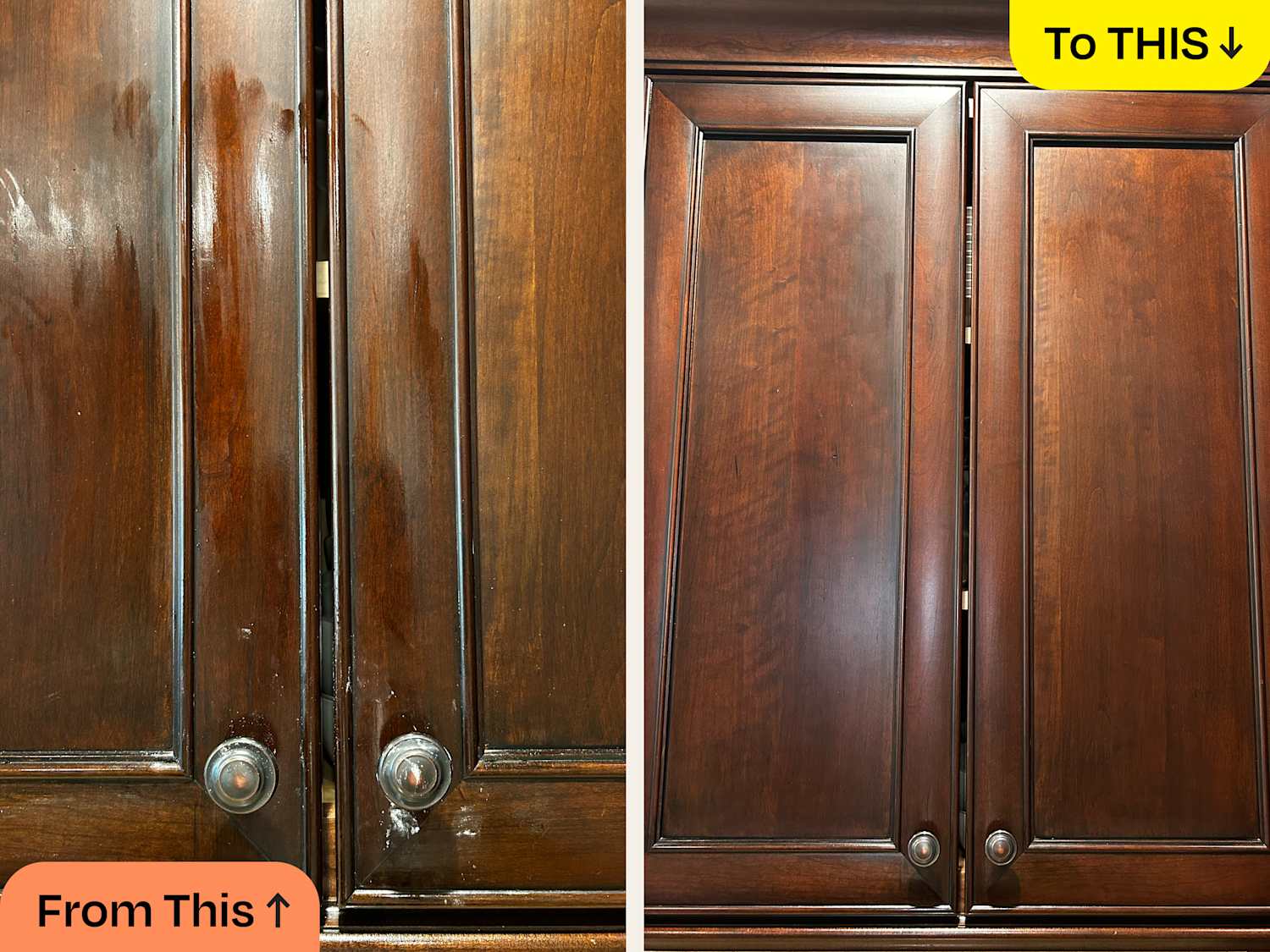
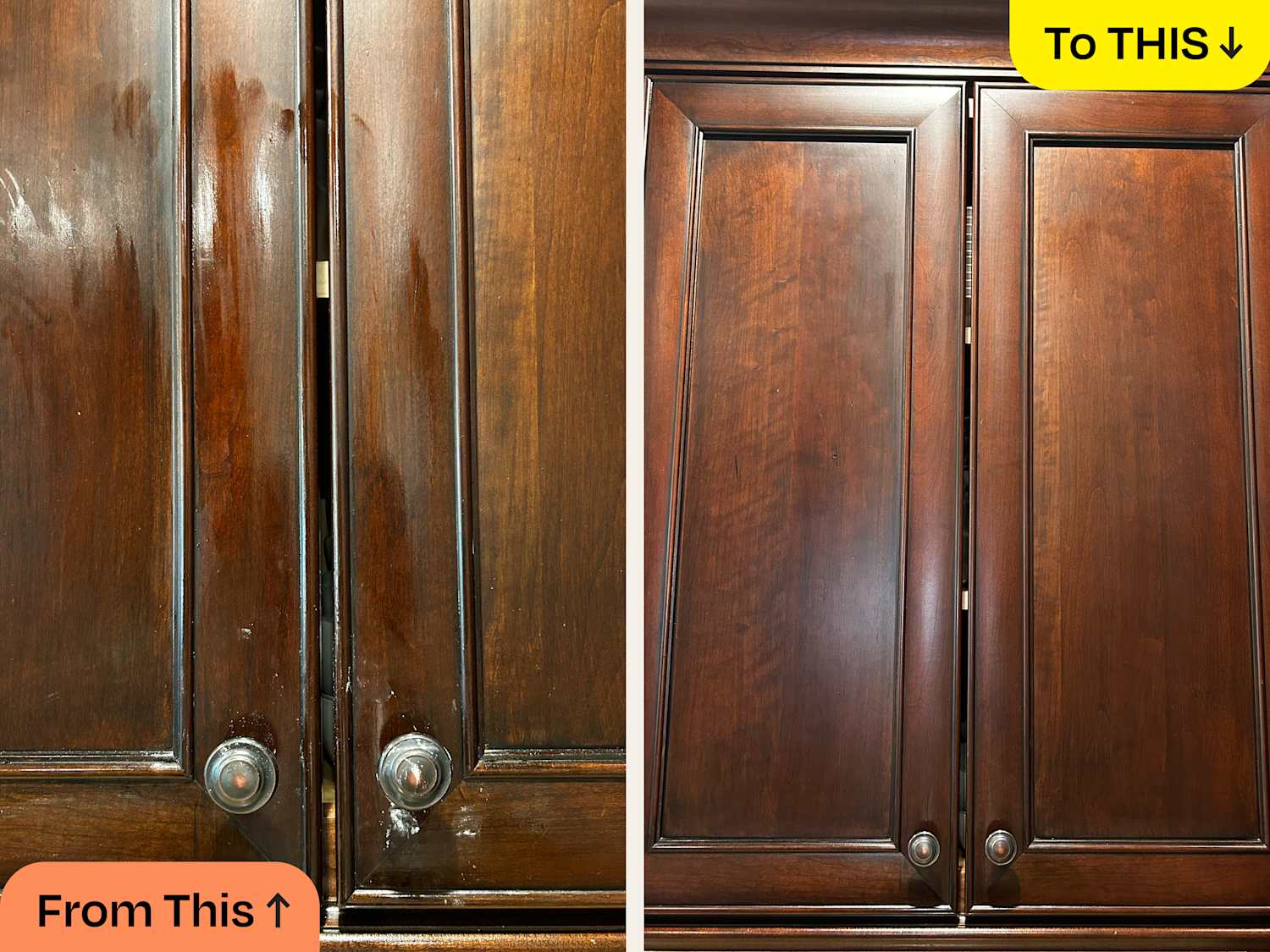
Wood cabinets add warmth and elegance to your kitchen. However, they can be susceptible to moisture and stains. To clean them, use a mild soap and warm water solution. Avoid harsh chemicals as they can damage the finish.
Consider using a soft cloth to wipe the surfaces and follow up with a dry cloth to prevent water damage. Regularly polish your wood cabinets to maintain their shine and protect against scratches. What do you think about using homemade cleaners? They can be gentle and effective.
Laminate Cabinets
Laminate cabinets are budget-friendly and easy to maintain. Their smooth surface makes cleaning simple. Use a mild all-purpose cleaner and a soft cloth to wipe them down. Be cautious with abrasive pads that might scratch the surface.
One thing to keep in mind: laminate edges can peel over time. Inspect them regularly and apply adhesive if needed. Have you noticed how laminate cabinets resist stains better than wood? It’s a practical choice for busy kitchens.
Metal Cabinets
Metal cabinets bring a modern touch to your kitchen. They’re durable but can show fingerprints and smudges easily. A mixture of vinegar and water can help keep them shiny. Spray the solution and wipe with a microfiber cloth for best results.
Rust can be a concern with metal cabinets. Ensure they’re dry after cleaning to prevent rust formation. Are you surprised at how versatile metal cabinets are? They can withstand heavy use while looking sleek.
Essential Cleaning Supplies
Gather gentle soap, water, and a soft cloth for cleaning kitchen cabinets. Wipe surfaces to remove grease and dirt. Dry cabinets with a clean towel to prevent water damage.
Cleaning your kitchen cabinets doesn’t have to be a daunting task, especially if you have the right supplies at your disposal. Imagine opening your cabinets to find them gleaming and spotless—it’s a rewarding feeling. The secret lies in choosing the right cleaning supplies that make the job effective and efficient. From natural solutions to commercial products, and even some handy tools, here’s a guide to help you stock up your cleaning arsenal.Natural Cleaners
Natural cleaners are a fantastic choice if you’re looking to avoid harsh chemicals. A simple mixture of vinegar and water can work wonders on greasy cabinets. Just mix one part vinegar with one part water in a spray bottle and you’re good to go. Baking soda is another powerful natural cleaner. It can tackle stubborn stains and buildup with ease. Make a paste by mixing baking soda with a little water, apply it to the stained area, and gently scrub with a soft cloth. Do you have a few lemons lying around? Their natural acidity makes them excellent degreasers. Rub a halved lemon on greasy spots, let it sit for a few minutes, and wipe it clean with a damp cloth.Commercial Cleaners
Sometimes, you might need a little more power than natural cleaners can offer. Commercial cleaners are specifically designed to tackle tough kitchen grime. Look for products labeled as safe for wood or laminate, depending on your cabinet material. Spray cleaners are convenient and easy to use. They often come with a pleasant scent that leaves your kitchen smelling fresh. Be sure to follow the instructions on the label to avoid damage. If you prefer a more hands-on approach, consider using a cleaning paste. These are great for scrubbing away tough spots without being too abrasive. Always test a small area first to ensure it doesn’t damage the finish of your cabinets.Tools And Accessories
The right tools can make all the difference in cleaning efficiency. A microfiber cloth is a must-have for wiping down surfaces without leaving streaks. It’s gentle on your cabinets and highly absorbent. For those hard-to-reach corners, a soft-bristle brush can be invaluable. It helps dislodge dust and debris from intricate designs and corners that a cloth can’t reach. Don’t underestimate the power of a toothbrush! An old toothbrush can be perfect for scrubbing small areas and crevices. It’s a simple yet effective tool that can help you get into those tight spots. With these supplies in hand, you’re well-equipped to tackle your kitchen cabinet cleaning. Why not give these tips a try and see the difference for yourself? Your kitchen deserves to shine, and with the right approach, you can achieve just that.Preparing Cabinets For Cleaning
Preparing cabinets for cleaning requires removing all items and dusting surfaces. This ensures easy access and effective cleaning.
Cleaning kitchen cabinets can feel like a daunting task, but it becomes much easier when you break it down into manageable steps. Preparing your cabinets for a deep clean is the first and most crucial phase. By taking the time to properly prepare, you ensure that your cleaning efforts are both effective and efficient. Let’s dive into the essentials of preparing your kitchen cabinets for cleaning.Emptying The Cabinets
Begin by completely clearing out your cabinets. This might seem tedious, but it allows you to reach all surfaces that need attention. Use this opportunity to check expiration dates and declutter items you no longer need. As you empty each cabinet, organize items into categories like spices, canned goods, and baking essentials. This not only makes the cleaning process smoother but also helps when it’s time to put everything back. Consider setting up a temporary staging area on your counter or table to keep things organized. This way, you can easily access and sort through everything as you go.Removing Hardware
Next, remove any hardware such as handles and knobs. This small step can make a big difference in achieving a thorough clean. By doing this, you gain access to areas that often accumulate grime and grease over time. Keep a small container nearby to store screws and hardware. Labeling them can save you a lot of frustration when reassembling. Have you ever noticed how much brighter your cabinets look when even the smallest details are cleaned? Removing hardware ensures you don’t miss these often overlooked spots.Credit: www.housework.com
Cleaning Techniques For Different Materials
Discovering how to clean kitchen cabinets effectively ensures they remain in excellent condition. Use mild soap and water for wooden cabinets. For metal surfaces, a gentle cleanser works best to remove grime.
Cleaning kitchen cabinets can be a rewarding task, especially when you know the right techniques for different materials. Cabinets come in various types such as wood, laminate, and metal, each requiring specific care to maintain their beauty and longevity. Let’s dive into some actionable cleaning strategies tailored to each material, ensuring your kitchen stays pristine and inviting.Cleaning Wood Cabinets
Wood cabinets exude warmth and elegance but need gentle care. Begin by dusting with a soft cloth to remove loose particles. Mix a solution of mild dish soap and warm water, then gently wipe the surfaces. Avoid soaking wood as excess moisture can warp and damage it. Dry immediately with a clean towel. For stubborn stains, consider using a vinegar and water mixture, but test in a hidden spot first to ensure it doesn’t affect the finish.Caring For Laminate Surfaces
Laminate cabinets are known for their durability, but they can scratch if not treated gently. Use a damp microfiber cloth for everyday cleaning to prevent streaks. For greasy spots, a mixture of water and mild detergent works wonders. Avoid abrasive cleaners or scrubbing pads that can mar the surface. Regularly check edges for peeling and use adhesive to fix minor issues.Maintaining Metal Finishes
Metal cabinets add a sleek, modern touch to your kitchen. Keep them shining by wiping down with a soft cloth and warm soapy water. Rinse with a damp cloth to remove soap residue, and dry thoroughly to prevent water spots. For stainless steel, consider using a specialized cleaner that prevents streaks and enhances shine. Remember, metal can rust, so ensure surfaces are dry after cleaning.Tackling Stubborn Stains
Tackling stubborn stains on kitchen cabinets requires a gentle touch. Mix warm water and mild dish soap for a simple solution. Use a soft cloth to scrub away grime, ensuring cabinets remain clean and shiny.
Cleaning kitchen cabinets can sometimes feel like an uphill battle, especially when stubborn stains refuse to budge. These stains often appear out of nowhere and can make your kitchen look less than pristine. But don’t worry—getting rid of them is easier than you might think. Here’s how you can tackle those pesky stains and keep your cabinets looking like new.Grease And Oil Stains
Grease and oil stains are common culprits in the kitchen. They can accumulate over time, creating a sticky and unsightly mess. A simple mixture of vinegar and water can work wonders here. Combine equal parts vinegar and water in a spray bottle. Spray the solution onto a microfiber cloth and gently wipe the stained area. If the stain persists, add a drop of dish soap to the solution for extra cleaning power. You might be surprised at how effectively this method cuts through grease. Remember to wipe the area with a clean damp cloth afterward to remove any residue.Water Spots And Marks
Water spots can make your cabinets look dull and neglected. These spots often result from hard water deposits or spills. A simple solution of baking soda and water can help. Mix baking soda with a little water to form a paste. Apply the paste to the water spots using a soft cloth. Gently rub the area in circular motions, then rinse with a damp cloth. Be mindful of your cabinet’s finish. Always test a small area first to ensure there’s no damage.Sticky Residues
Sticky residues can be a real nuisance, especially if you have kids who love using tape or stickers. These residues can leave your cabinets looking messy and unkempt. Rubbing alcohol is a great remedy for this issue. Dampen a cotton ball or cloth with rubbing alcohol. Gently rub the sticky residue until it loosens and wipes away. For more stubborn residue, let the alcohol sit for a minute before wiping. Have you ever tried using a hairdryer to warm the residue before cleaning? A bit of heat can often make removal much easier. Just be careful not to overheat and damage the cabinet surface.Drying And Polishing Cabinets
Keeping your kitchen cabinets clean adds charm to your kitchen. After removing dirt and grime, drying and polishing ensure a lasting shine. Proper techniques prevent water stains and enhance the cabinet’s natural beauty. Let’s explore the best ways to dry and polish your cabinets for a gleaming finish.
Proper Drying Techniques
Use a soft, lint-free cloth for drying. Microfiber works well. Gently pat the cabinets to absorb moisture. Avoid rubbing too hard to prevent damage. Ensure all corners and edges are dry. Pay attention to grooves and handles. These areas often trap moisture. For a thorough job, open cabinet doors. Allow air to circulate inside. This helps speed up the drying process. Proper drying prevents mold and protects the wood.
Polishing For A Shine
Choose a high-quality furniture polish. This enhances the cabinet’s finish. Spray the polish onto a clean cloth. Avoid spraying directly onto the surface. Buff the cabinets in a circular motion. This helps distribute the polish evenly. Focus on one section at a time. Ensure every area gets attention. Pay special care to intricate details and hardware. Polishing adds a protective layer. It keeps cabinets looking new and bright.
Preventive Maintenance
Regular cleaning keeps kitchen cabinets looking fresh and extends their lifespan. Dust surfaces with a soft cloth to prevent grime buildup. Use mild soap and warm water to gently clean stains and sticky spots.
Preventive maintenance for kitchen cabinets keeps them looking new. Regular care extends their lifespan and enhances home aesthetics. Simple actions prevent damage and save money in the long run. Here’s how to keep your cabinets in top shape.Regular Cleaning Schedule
Setting up a cleaning schedule is essential. Wipe cabinets weekly with a damp cloth. Use mild soap for tough stains. Dust accumulates quickly, so regular cleaning prevents build-up. Clean cabinet interiors monthly. Organize items to avoid spills. Check for crumbs or grime behind items. Routine cleaning keeps cabinets fresh.Protective Measures
Protective measures prevent scratches and stains. Use liners inside cabinets. They shield surfaces from spills and scratches. Always dry dishes before storing them. Moisture can damage wood surfaces. Install soft-close hinges. They reduce wear and tear from slamming doors. Consider applying a protective finish. It adds an extra layer of defense against stains. Simple protective steps maintain cabinet beauty.
Credit: 417forged.com
Common Mistakes To Avoid
Cleaning kitchen cabinets seems straightforward, but many common mistakes can occur. These errors can damage your cabinets or make cleaning ineffective. Knowing what to avoid helps maintain your cabinets in pristine condition.
Using Harsh Chemicals
Many cleaners contain strong chemicals that can harm cabinet finishes. These chemicals can strip paint or dull the surface, making cabinets look worn. Always read labels before choosing a cleaner. Opt for products labeled as safe for wood or laminate surfaces.
Homemade solutions can also work well. A mix of warm water and mild dish soap is gentle yet effective. Use a soft cloth to avoid scratching. Rinse with clean water and dry with a towel to prevent water spots.
Ignoring Cabinet Interiors
Cabinet interiors often collect dust and grime unnoticed. Neglecting these spaces can lead to unpleasant odors or pest infestations. Empty cabinets before cleaning. This allows you to reach every corner and ensures a thorough clean.
Use a vacuum with a brush attachment to remove loose debris. Wipe down shelves with a damp cloth and mild detergent. Dry surfaces completely before replacing items. Regularly cleaning interiors keeps your cabinets fresh and inviting.
Frequently Asked Questions
What Is The Best Thing To Clean Cabinets With?
Use a mixture of mild dish soap and warm water to clean cabinets effectively. Avoid harsh chemicals that may damage surfaces. For stubborn stains, consider using vinegar diluted in water. Dry thoroughly with a soft cloth to prevent moisture damage and maintain cabinet finish.
How Do You Clean Kitchen Cabinets Without Removing Finish?
Use a mixture of warm water and mild dish soap. Gently wipe cabinets with a soft cloth. Dry immediately with a clean towel to prevent moisture damage. Avoid harsh chemicals or abrasive scrubbing pads to preserve the finish. Regular maintenance keeps cabinets looking new.
Can I Use Dawn Dish Soap To Clean My Cabinets?
Yes, Dawn dish soap can clean cabinets effectively. Mix it with warm water for gentle cleaning. Test a small area first to ensure compatibility with the cabinet material. Regular use can remove grease and grime without damaging surfaces. Avoid using excessive water to prevent damage to wood cabinets.
What Not To Use To Clean Kitchen Cabinets?
Avoid using abrasive cleaners, steel wool, and harsh chemicals on kitchen cabinets. These can cause scratches and damage. Use a soft cloth or sponge with mild soap and water for cleaning. Regularly wipe them to maintain their finish and longevity.
Conclusion
Bright and clean kitchen cabinets make a big difference. They enhance the overall look of your kitchen. Regular cleaning keeps them shiny and fresh. Use simple methods for effective cleaning. Gentle soap and warm water work wonders. Remember to dry cabinets after washing.
This prevents water spots and preserves their beauty. Consistent care extends cabinet life. You won’t need to replace them often. A clean kitchen invites happy cooking times. Enjoy a neat and tidy space. It feels better and looks great. Happy cleaning, and may your kitchen sparkle!

Similar Posts