How to Degrease Kitchen Cabinets: Quick & Easy Steps
Are you tired of sticky kitchen cabinets that seem to attract grease like a magnet? You’re not alone.
Many people struggle with stubborn grease build-up that transforms shiny cabinets into grimy eyesores. But here’s the good news: you can reclaim your kitchen’s sparkle with the right approach. Imagine opening your cabinet doors to a fresh, clean surface that feels as good as it looks.
In this guide, we’ll reveal effective strategies to degrease your kitchen cabinets with ease. Say goodbye to endless scrubbing and hello to a kitchen you’ll love to spend time in. Let’s dive in and discover how simple it can be to transform your space!
Essential Tools And Materials
Gather mild dish soap, warm water, and a soft cloth to clean surfaces. Use a degreasing spray for tough spots. A gentle scrub brush helps remove stubborn grease without damaging cabinets.
Degreasing kitchen cabinets might seem like a daunting task, but with the right tools and materials, it can become a surprisingly straightforward process. Having the essentials on hand not only makes your job easier but also ensures that you achieve the best results possible. Imagine reaching for the perfect tool just when you need it—preparation is key! Let’s dive into what you’ll need to make your cabinets sparkle.Cleaning Solutions
Choosing the right cleaning solution is crucial. You can opt for commercial degreasers or homemade mixtures. White vinegar mixed with warm water is a popular DIY option that effectively cuts through grease. Alternatively, baking soda can be used for stubborn spots, mixed into a paste with water.Scrubbing Tools
Not all scrubbing tools are created equal. A soft sponge works wonders for light cleaning, while old toothbrushes can tackle grime in tight corners. For more persistent grease, a non-abrasive scrub pad offers the perfect balance between effective cleaning and cabinet protection.Microfiber Cloths
Once you’ve scrubbed away the grease, you’ll need microfiber cloths to wipe down and polish the surfaces. These cloths are gentle on cabinets and are great at picking up residue left behind by cleaning solutions. Keep a few on hand to ensure a streak-free finish.Protective Gear
It’s easy to overlook protective gear, but your safety should always come first. Wearing rubber gloves can shield your hands from harsh chemicals, while an apron protects your clothes from splashes. You might even consider a mask if fumes are a concern.Containers For Mixing
Having small containers or bowls ready for mixing homemade solutions saves time and keeps your workspace tidy. Use these to prepare your vinegar or baking soda mixtures without hassle. The next time you tackle your kitchen cabinets, ask yourself: are you equipped with the right tools? Having these essentials on hand will not only make the job smoother but also ensure your cabinets look their best.Preparation Tips
Preparing your kitchen for degreasing cabinets is crucial. It ensures a smooth, effective cleaning process. Proper preparation helps avoid damage and keeps your kitchen safe.
Clearing The Workspace
Start by removing items from the cabinets. Take out all dishes, pots, and pans. This allows easy access to every nook and cranny. Having a clutter-free area makes cleaning more efficient. Store these items away from the cleaning zone.
Next, clear the countertops. Remove appliances and decorative items. This step helps prevent accidental spills or damage. A clean, open space is essential for proper cleaning. It reduces the risk of bumping into objects.
Protecting Surrounding Areas
Cover nearby appliances with plastic sheets or old towels. This prevents cleaning solutions from splashing. Protecting surfaces is vital to avoid stains or damage. Use painter’s tape to secure coverings in place.
Lay down drop cloths or old blankets on the floor. They catch any drips or spills. This step keeps your flooring safe from harsh chemicals. Proper protection saves time and effort in post-cleaning maintenance.
Choosing The Right Cleaner
Choosing the right cleaner for your kitchen cabinets can make the difference between a quick, efficient cleaning session and a frustrating, ineffective one. It’s essential to match the cleaner to the type of grime and material of your cabinets. Whether you’re considering commercial products or homemade solutions, understanding their pros and cons can help you make an informed decision.
Commercial Degreasers
Commercial degreasers can be a powerhouse when tackling stubborn grease. These cleaners are designed specifically to cut through thick layers of grime with minimal effort. Look for brands that offer environmentally-friendly options if you’re concerned about chemical exposure in your home.
- Many commercial degreasers come in spray bottles, making them easy to apply directly to the cabinet surface.
- Check the label for instructions on safe usage, especially on wooden cabinets, as some formulas might be too harsh.
- Avoid excessive scrubbing; let the degreaser do the heavy lifting. You might be surprised at how effortlessly the grease lifts off.
Have you ever used a commercial degreaser only to find it left residue behind? It’s a common issue that can usually be solved by thoroughly rinsing the surface with warm water. This ensures a spotless finish without sticky remnants.
Homemade Solutions
Homemade solutions are a budget-friendly alternative that can be just as effective as commercial products. They’re perfect for those who prefer natural ingredients or have allergies to certain chemicals. You can often make these cleaners with items already in your pantry.
- A mixture of vinegar and water is a classic solution that works wonders on greasy cabinets.
- Baking soda can be added to create a paste for tougher spots. Apply it with a soft sponge and watch the grease disappear.
- Essential oils like lemon or tea tree can enhance the cleaning power and leave a pleasant scent.
Ever tried cleaning with homemade solutions only to find they weren’t effective? This can happen if the mixture isn’t strong enough. Adjust the ratios of vinegar or baking soda until you find the sweet spot for your specific needs.
Ultimately, the choice between commercial and homemade cleaners depends on your personal preferences and the type of cabinets you’re dealing with. Consider trying both methods to see which one works best for your kitchen. You might find that combining the two gives you the ultimate cleaning experience.

Credit: www.facebook.com
Step-by-step Cleaning Process
Degreasing kitchen cabinets can be a simple task with the right steps. This process ensures your cabinets are clean and free from grime. Follow these steps to make your kitchen sparkle.
Removing Cabinet Contents
Start by emptying the cabinets completely. Remove all items to ensure nothing gets damaged during cleaning. This also gives you full access to every corner. Place items on a nearby counter or table.
Applying The Cleaner
Choose a suitable cleaner for your cabinet material. Spray or apply the cleaner evenly on the cabinet surfaces. Ensure all areas are covered, including edges and corners. Allow the cleaner to sit for a few minutes to break down grease.
Scrubbing Techniques
Use a soft cloth or sponge to scrub the cabinets. For stubborn grease, use a gentle brush. Scrub in circular motions for better results. Pay extra attention to hinges and handles as they often hold grease.
Rinsing And Drying
Rinse the cabinets with clean water to remove any cleaner residue. Use a damp cloth to wipe down all surfaces. Dry the cabinets thoroughly with a clean towel. Ensure no moisture remains to prevent damage. Return items to cabinets once dry.
Maintenance Tips
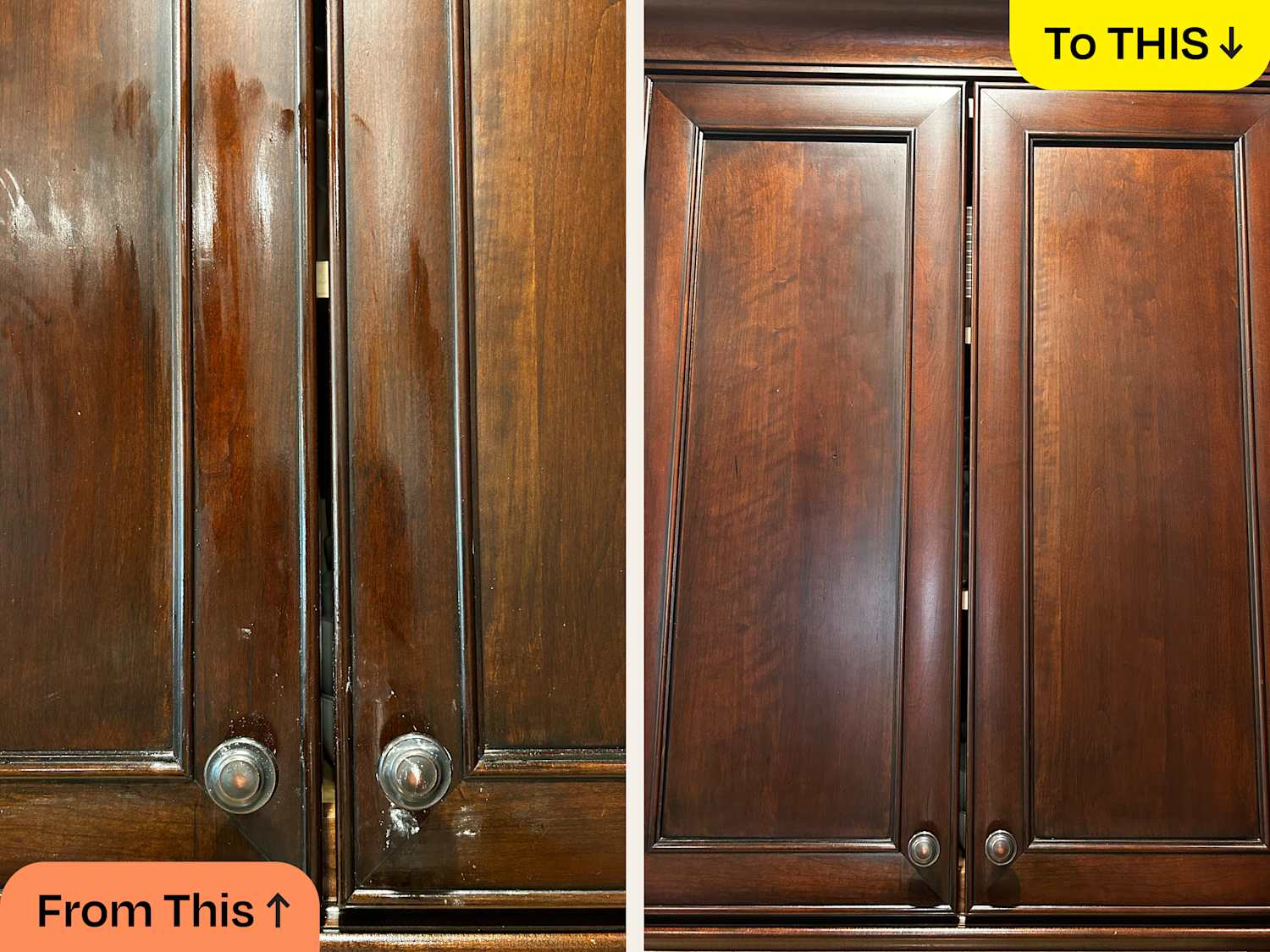
Degreasing kitchen cabinets is essential for maintaining their appearance. Use warm water and mild dish soap to clean surfaces gently. For stubborn grease, a mixture of vinegar and baking soda works effectively. Regular cleaning prevents buildup and keeps cabinets looking fresh.
Maintaining your kitchen cabinets in top shape requires more than just the occasional deep clean. Regular maintenance plays a crucial role in ensuring your cabinets remain free from sticky grease and grime. Here are some easy-to-follow tips that will help you keep your kitchen looking spotless and fresh.Regular Cleaning Schedule
Establishing a routine cleaning schedule is key. Wipe down your cabinets with a damp cloth at least once a week. This simple habit prevents grease from building up over time. Use a mild detergent mixed with warm water for a more thorough clean. This will effectively remove any residue without damaging the cabinet surface. Make sure to dry the cabinets with a soft towel to avoid moisture damage. Sometimes, life gets busy and cleaning might slip your mind. Consider setting a weekly reminder on your phone to keep you on track. A little consistency goes a long way in maintaining the beauty of your kitchen.Preventing Future Grease Build-up
Prevention is always better than cure. Use splatter guards when frying foods to minimize grease splatter. This small step can make a huge difference. Ventilation is another crucial factor. Always use the range hood when cooking to suck up greasy air and steam. It’s a simple habit that can help reduce greasy residue on your cabinets. Lastly, consider applying a thin coat of cabinet polish or wax. It creates a protective layer, making it harder for grease to stick. It also adds a lovely shine to your cabinets, enhancing the overall look of your kitchen. Taking these proactive steps can save you from the tedious task of deep cleaning later. How often do you find yourself scrubbing away stubborn grease? By adopting these maintenance tips, you can enjoy a cleaner kitchen with much less effort.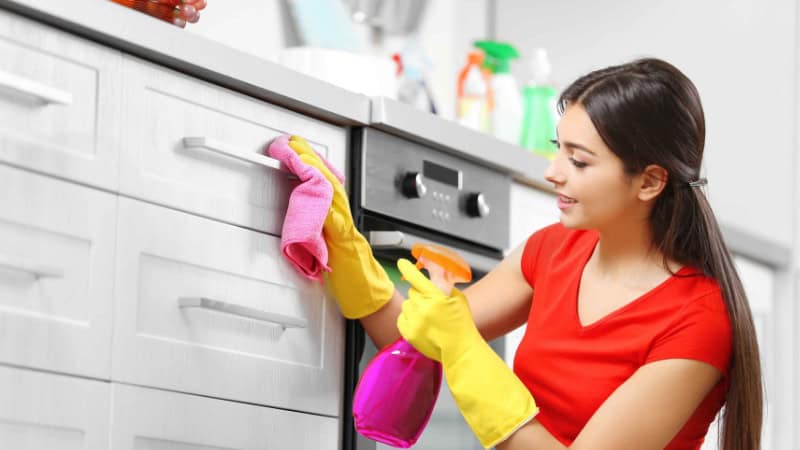
Credit: modern-maids.com
Troubleshooting Common Issues
Cleaning kitchen cabinets can present challenges. Various issues may arise during the process. Understanding these problems helps achieve spotless cabinets. Let’s explore solutions for stubborn stains and damaged surfaces.
Stubborn Stains
Stains can be tricky. Grease, food, or liquids may leave marks. Begin with a gentle cleaner. Mix warm water and dish soap. Use a soft cloth to wipe. For tough stains, try baking soda. Create a paste with water. Apply and gently scrub. Avoid harsh chemicals. They can damage finishes. Consistent cleaning prevents stubborn stains.
Damaged Surfaces
Surface damage requires care. Scratches and wear are common. Use a mild wood polish. This restores shine and masks imperfections. For deeper scratches, use a touch-up pen. Match the cabinet color. Apply gently to fill gaps. If surfaces are peeling, re-glue edges. Use wood adhesive for strong bonds. Proper maintenance ensures cabinet longevity.
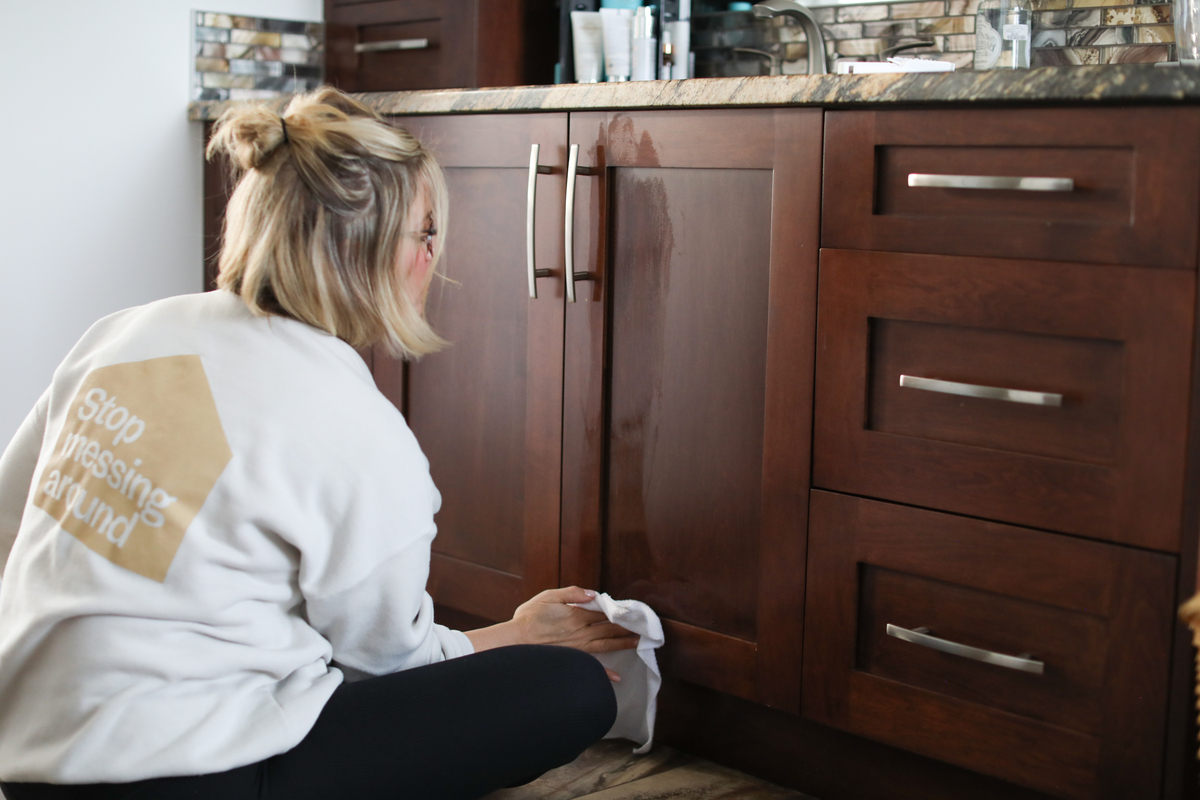
Credit: www.housework.com
Frequently Asked Questions
How Do You Get Heavy Grease Off Kitchen Cabinets?
Use a mixture of warm water and dish soap to scrub cabinets gently. Apply baking soda paste for stubborn grease. Rinse with clean water and dry with a soft cloth. Regular cleaning prevents grease buildup. Always test cleaning solutions on a small area first.
What Is The Best Degreaser For Kitchen Cabinets?
The best degreaser for kitchen cabinets is a mix of vinegar and water. This solution effectively cuts through grease. For tough stains, consider using a commercial degreaser like Krud Kutter. Always test on a small area first to ensure no damage to the cabinet finish.
What Dissolves Built-up Grease?
Vinegar and baking soda effectively dissolve built-up grease. Apply vinegar, let it sit, then scrub with baking soda. For tougher grease, use dish soap with warm water. Commercial degreasers also work well for stubborn stains. Always ensure proper ventilation and follow product instructions for safety.
Can I Use Dawn Degreaser On Kitchen Cabinets?
Yes, you can use Dawn degreaser on kitchen cabinets. Ensure you dilute it with water. Test on a small area first to avoid damage. Rinse thoroughly and dry with a soft cloth for best results.
Conclusion
Degreasing kitchen cabinets can be simple and rewarding. Clean cabinets brighten your space. Regular maintenance keeps grime away. Use gentle solutions for safe cleaning. Natural products work well and smell nice. Always test cleaners on hidden spots first. Avoid harsh scrubbing to protect finishes.
Consistent cleaning saves time and effort later. Enjoy a fresh, inviting kitchen. Organized cabinets make cooking easier. Share tips with family and friends. Everyone appreciates clean, tidy spaces. Create a cleaning routine for best results. Happy cleaning!