How to Disinfect Kitchen Countertops: Expert Tips
Executive Chef & Lead Commercial Kitchen Specialist at Daily Kitchup Test Lab
Your kitchen is the heart of your home. It’s where you prepare meals, share stories, and create memories.
But with all this activity, your countertops can become a breeding ground for germs and bacteria. You might wonder how to keep them clean and safe for your family. Disinfecting kitchen countertops isn’t just a chore; it’s a crucial step in maintaining a healthy home environment.
Imagine the peace of mind you’ll feel knowing your surfaces are truly clean. You’ll discover simple yet effective methods to disinfect your countertops, ensuring your kitchen remains a safe haven for everyone. Let’s dive into the secrets of a truly spotless kitchen and unlock the confidence that comes with knowing you’re doing it right.
Credit: ntpavers.com
Choosing The Right Disinfectant
Choosing the right disinfectant for your kitchen countertops is crucial for maintaining a safe and healthy environment. With various options available, knowing what works best can be overwhelming. Whether you prefer natural solutions or commercial chemical products, understanding what you’re applying on your surfaces is key to effective disinfection.
Natural Vs. Chemical Options
Are you torn between natural and chemical disinfectants? Natural options like vinegar and baking soda can be gentle yet effective. They’re perfect if you’re looking to avoid harsh chemicals in your home.
On the flip side, chemical disinfectants often offer a broader spectrum of germ-killing power. Products like bleach or commercial sprays promise fast action against stubborn bacteria. But they may come with added cautionary labels due to their potency.
Consider what matters most to you. Do you prioritize eco-friendliness, or is maximum germ elimination your goal? Each option has its benefits and drawbacks, so your choice should align with your values and needs.
Understanding Labels And Ingredients
Do you ever glance at the label of a disinfectant and wonder what it all means? Ingredients can be a puzzle, yet they’re crucial for understanding a product’s effectiveness.
- Active Ingredients:These are the power players that do the heavy lifting in killing germs. Look for names like ethanol or hydrogen peroxide.
- Usage Instructions:Don’t overlook these details. They guide you on how long a product needs to sit on a surface to be effective.
- Safety Warnings:Pay attention to these. They inform you of potential hazards or necessary precautions, ensuring safe use.
What do these labels tell you about the product’s reliability? By understanding the ingredients and instructions, you can select a disinfectant that not only cleans effectively but also aligns with your safety standards.
Next time you reach for a disinfectant, ask yourself: Are you confident in what you’re using? Your kitchen countertops deserve products that balance safety and efficacy.
Preparing The Countertops
Start by clearing the countertops of any items. Use a mild cleaner with a cloth to wipe away dirt.
Preparing your kitchen countertops for disinfecting is a crucial step. Proper preparation ensures effective cleaning and germ removal. Before disinfecting, take time to set up your space. This makes the process smooth and efficient.Clearing And Decluttering
Begin by removing all items from the countertops. This includes appliances, utensils, and food containers. Place these items in a designated area temporarily. Check for any expired or unnecessary items. Dispose of them to make more space. Decluttering helps in reaching every corner of the countertop. It also gives a fresh look to your kitchen.Pre-cleaning Steps
Once cleared, inspect the surface for stains or debris. Use a damp cloth to wipe away visible dirt. This step is crucial before applying disinfectant. A clean surface enhances the effectiveness of disinfecting agents. For stubborn stains, apply a mild soap solution. Rinse thoroughly and dry with a clean towel. Ensure the countertop is completely dry before proceeding. Proper drying prevents dilution of disinfectants, ensuring they work effectively.Disinfecting Techniques
Disinfecting kitchen countertops is crucial for maintaining a healthy home. Different techniques offer varied benefits. Choose a method that suits your needs and countertop material. It’s important to use safe and effective methods to eliminate germs and bacteria. Regular cleaning keeps surfaces hygienic and prolongs their lifespan.
Spray And Wipe Method
This method is simple and quick. Use a disinfectant spray suitable for your countertop material. Spray generously over the surface, ensuring full coverage. Let it sit for a few minutes to kill germs. Use a clean cloth or paper towel to wipe away the residue. This technique is effective for daily cleaning. It’s ideal for busy kitchens.
Soaking And Rinsing
This technique involves soaking the countertop with a disinfectant solution. Prepare a solution in a basin or bucket. Soak a cloth or sponge in the mixture. Apply it to the countertop, covering all areas. Allow it to sit for several minutes. Rinse with clean water to remove the solution. This method is thorough and great for deep cleaning.
Focusing On High-touch Areas
Kitchen countertops are busy spaces in every home. They often become hotspots for germs. Disinfecting these surfaces is crucial. High-touch areas need special attention. These spots are handled frequently and can spread germs easily. Regular cleaning is not enough. Disinfection helps maintain a healthy environment. Let’s dive into which areas need extra care.
Handles And Knobs
Handles and knobs are touched many times daily. They collect germs from hands. Use a disinfectant spray or wipe. Ensure the product is suitable for your material. Apply it generously. Let it sit for a few minutes. Wipe down with a clean cloth. Don’t forget cupboard and drawer handles too. These small details matter.
Appliance Surfaces
Appliance surfaces are often overlooked. They can harbor bacteria. Refrigerators, microwaves, and ovens need regular disinfection. Use a non-abrasive cleaner. Spray or wipe down the surfaces. Focus on handles and buttons. These areas are prone to frequent touch. Allow the disinfectant to remain for the recommended time. This ensures it kills all germs effectively.
Safety Precautions
Ensure a clean kitchen by disinfecting countertops regularly. Use mild soap and water for basic cleaning. For deeper sanitation, apply a solution of one part vinegar to one part water.
Safety should always come first when disinfecting kitchen countertops. Using cleaning products requires careful handling. These products often contain chemicals that can be harmful. Protecting yourself is essential to avoid any risks. Follow these simple safety precautions to ensure a safe cleaning process.Using Gloves And Masks
Wearing gloves protects your skin from harsh chemicals. Choose gloves that fit well and are resistant to cleaning products. Latex or nitrile gloves work best. Masks are also important. They prevent inhalation of harmful fumes. A simple dust mask can be effective. Always check that your mask is properly fitted. It should cover your nose and mouth completely.Ensuring Proper Ventilation
Proper ventilation is crucial when disinfecting. Open windows to let fresh air circulate. This helps to disperse any strong odors. Turn on exhaust fans if available. They can help remove fumes quickly. Avoid cleaning in confined spaces without ventilation. Proper airflow reduces exposure to chemical vapors. It also makes the cleaning process more comfortable.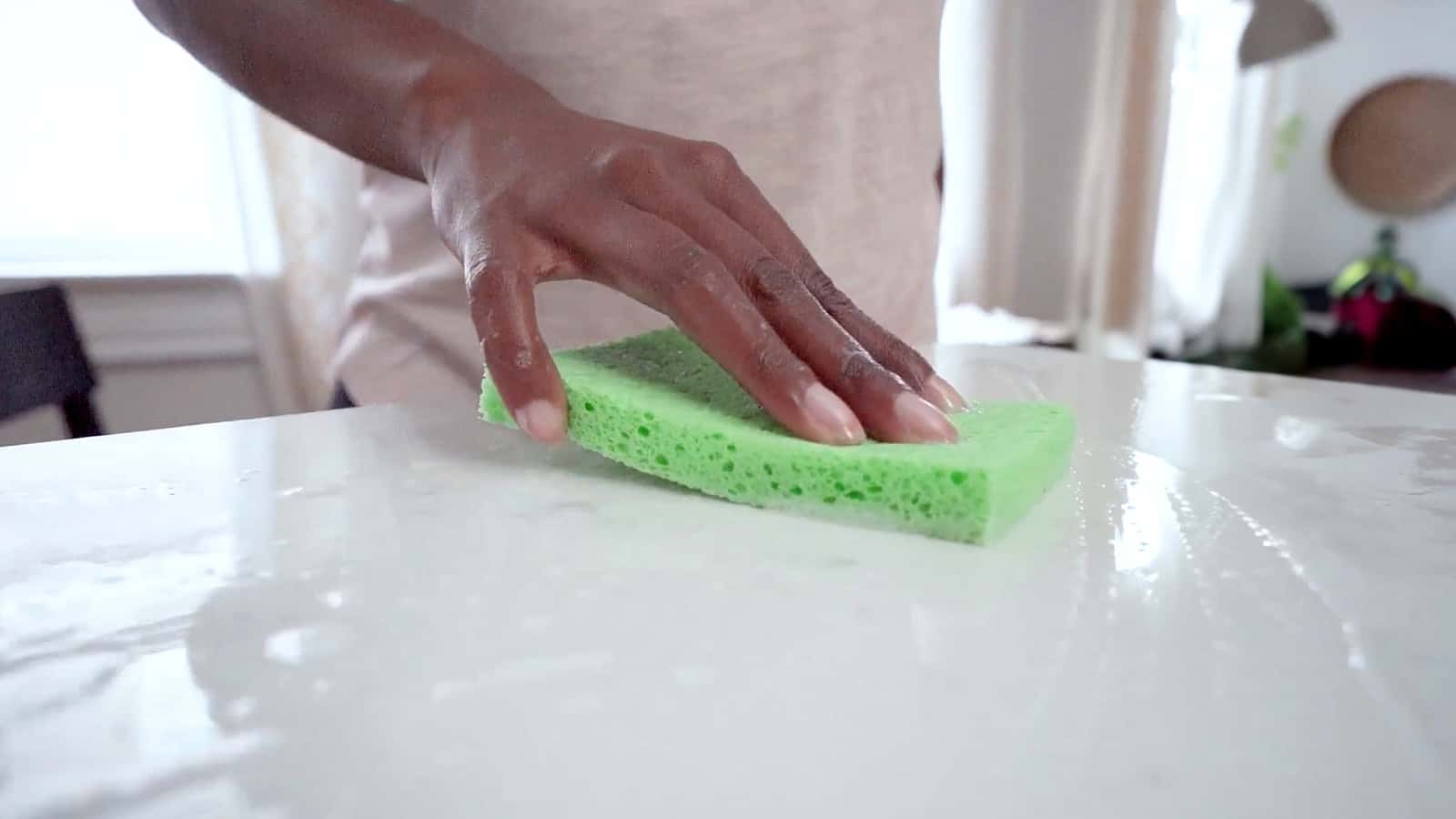
Credit: www.pinesol.com
Maintaining Regular Disinfection
Keeping kitchen countertops clean is essential. Use a mix of water and vinegar for effective disinfection. Wipe surfaces regularly with a clean cloth to maintain hygiene and safety.
Maintaining Regular Disinfection Keeping your kitchen countertops disinfected regularly is crucial for a healthy home. Not only does it help prevent illness by eliminating harmful bacteria, but it also ensures a pleasant cooking environment. This practice should become a staple in your kitchen routine. But how can you make it a habit without it feeling like a chore?Creating A Cleaning Schedule
Designing a cleaning schedule can transform disinfection from a daunting task into a manageable routine. Consider setting aside specific days for thorough cleaning, perhaps twice a week. Use a planner or digital reminder to keep track of your schedule. A consistent cleaning schedule helps maintain hygiene, especially after meals involving raw ingredients. If you often forget, try linking the task to another routine activity, such as after dinner clean-up.Quick Daily Routines
Daily disinfection doesn’t have to be time-consuming. Keep a spray bottle with a safe disinfectant solution near your countertops. A quick spritz and wipe can be done in seconds, just like brushing your teeth. Think of it as a small investment in your health. After all, a little effort each day can save you from bigger issues down the line. You might be surprised at how easy it is once you start incorporating it into your routine. Have you ever noticed how much fresher your kitchen feels after a quick wipe down? It’s these little habits that make a big difference.Eco-friendly Disinfection Alternatives
Natural methods can keep kitchen countertops clean and safe. Use vinegar or lemon juice as eco-friendly disinfectants. These options are effective and gentle on surfaces.
In the quest for cleaner kitchen countertops, eco-friendly alternatives have gained popularity. These options ensure cleanliness without harming the environment or your health. Many families are choosing green methods that align with their sustainable living goals. Discover how to disinfect your kitchen surfaces using natural solutions.Homemade Solutions
Homemade disinfectants are a great way to keep counters clean. Simple ingredients like vinegar and baking soda are effective. Create a mixture of equal parts water and vinegar. Spray this on the countertop and wipe with a clean cloth. The acidity in vinegar kills many germs. For added strength, mix baking soda with water to form a paste. Apply this to stubborn stains and scrub gently. These common household items provide a safe cleaning option.Sustainable Product Choices
Opt for products made from sustainable materials. Bamboo cloths are an excellent choice for wiping surfaces. They are durable and biodegradable. Choose cleaning products labeled as non-toxic and biodegradable. Brands offer plant-based solutions that are effective and gentle. Look for certifications indicating eco-friendly practices. These products are designed to minimize environmental impact. Using them helps maintain a healthy kitchen and planet.
Credit: www.squeakycleaning.ca
Frequently Asked Questions
What Is A Natural Disinfectant For Kitchen Countertops?
White vinegar is a natural disinfectant for kitchen countertops. Mix equal parts of vinegar and water. Apply the solution, scrub lightly, and wipe with a clean cloth. This method effectively removes bacteria and grime, leaving your countertops clean and safe.
Does Vinegar Disinfect The Counter?
Vinegar can clean counters but isn’t an effective disinfectant. It kills some germs, not all. Use vinegar for mild cleaning, but consider a commercial disinfectant for thorough germ elimination. Always ensure surfaces are safe for vinegar use.
What Is The Best Antibacterial Countertops?
Quartz countertops are the best antibacterial option. They resist bacteria due to their non-porous surface. Choose quartz for a hygienic kitchen.
Are Clorox Wipes Safe To Use On Kitchen Countertops?
Clorox wipes are safe for most kitchen countertops. Always check the label and test on a small area first. Avoid using on surfaces like marble or granite without sealant, as they can be damaged by harsh chemicals. Regular use can effectively sanitize and clean your countertops.
Conclusion
Keeping kitchen countertops clean is essential. Regular cleaning prevents germs. Use suitable cleaners for different surfaces. Natural options like vinegar work well. Always follow instructions on cleaning products. Dry countertops after cleaning to avoid moisture. Proper cleaning habits keep your kitchen safe.
Clean countertops also enhance kitchen beauty. Remember, a clean kitchen is a happy kitchen. Prioritize cleanliness for better health. Now, enjoy cooking in a fresh, clean space. Your countertops deserve the best care. Keep them spotless for peace of mind.
Happy cleaning!

Similar Posts