How to Get Rid of Ants in Kitchen Cabinets: Proven Tips
Ants marching through your kitchen cabinets can feel like an invasion of your personal space. You might notice these tiny invaders trailing along your countertops or sneaking into your pantry, determined to raid your food supplies.
It’s not just an inconvenience; it’s a problem that demands immediate attention. You deserve a clean, pest-free kitchen where you can feel comfortable and safe. But how do you tackle these pesky intruders effectively? You’ll discover proven strategies to eliminate ants from your kitchen cabinets for good.
We’ll explore practical solutions that are both simple and efficient. By the end, you’ll have all the tools you need to reclaim your kitchen and keep it ant-free. Are you ready to take control of your space and bid farewell to these unwelcome guests? Let’s dive in and find out how you can make your kitchen a fortress against ants.
Identify The Ant Species
Identifying the ant species is crucial for effective removal from kitchen cabinets. Different ants require different treatments, ensuring you use the most effective solution. Understanding their species helps in choosing the right method to keep your kitchen ant-free.
Identifying the ant species invading your kitchen cabinets is crucial. Different ants require specific treatments. Knowing the type helps you choose the right method. It might save you time and effort.Observe The Ants’ Behavior
Watch how the ants move around. Some ants march in straight lines. Others scatter in different directions. Their movement pattern can give clues.Examine Physical Characteristics
Look closely at the ants. Check their size and color. Some ants are tiny and dark. Others are larger and reddish. These traits help in identification.Research Common Kitchen Ants
Many ants are common in kitchens. Odorous ants, for example, love sugary foods. Carpenter ants might be drawn to wood. Learn about these species online.Use Online Resources
Visit ant identification websites. They offer pictures and descriptions. Compare your ants with these images. This will help you identify them.Consult Pest Control Experts
Ask professionals for help. They have experience with different ant species. They can identify the ants quickly. Their advice is often valuable.Document Your Findings
Take notes on what you observe. Write down the ants’ behavior. Note their appearance and size. This information can be useful later.Check For Nests
Look around for ant nests. Some ants build nests indoors. Others nest outside, near the kitchen. Finding the nest helps in identification.
Credit: www.youtube.com
Common Entry Points
Ants often invade kitchen cabinets through gaps and tiny cracks. Sealing these entry points prevents their access. Regularly checking and cleaning areas around cabinets helps in reducing ant infestations effectively.
Your kitchen is a haven for delicious meals and family gatherings, but it can quickly become a hotspot for ants if not properly sealed. Understanding the common entry points where these tiny invaders sneak in is crucial to keeping your kitchen ant-free. By identifying and sealing these entryways, you can protect your food and maintain a clean environment.Cracks And Crevices
Ants are masters at finding the smallest openings to enter your home. Pay close attention to cracks and crevices in your kitchen cabinets. Use a flashlight to inspect these areas and seal them with caulk or sealant to block ant access.Gaps Around Pipes
Pipes running through your kitchen cabinets often leave gaps that ants use as doorways. Check around sink and water pipes for any spaces. Use expanding foam to fill these gaps, creating an impenetrable barrier.Unsealed Windows And Doors
Windows and doors are common ant entry points, especially if they’re not properly sealed. Ensure all doors and windows in your kitchen are fitted tightly. Install weather stripping or use a draft stopper to close any gaps.Electrical Outlets And Switch Plates
Ants can enter through gaps around electrical outlets and switch plates. Remove the covers and look for spaces where ants might enter. Consider using outlet sealers to fill any openings.Ventilation Openings
Ventilation openings provide necessary airflow but can also be a gateway for ants. Check your kitchen vents and cover them with fine mesh screens. This allows air to flow while keeping ants out. By focusing on these specific areas, you can significantly reduce the chances of ants invading your kitchen cabinets. Have you checked these potential entry points recently? Taking a proactive approach can save you the hassle of dealing with an ant infestation later.Natural Deterrents
Natural deterrents can help eliminate ants from kitchen cabinets effectively. Sprinkle cinnamon or clove powder in corners. These spices repel ants naturally and are safe for your kitchen environment.
Natural deterrents are a safe way to keep ants out of your kitchen cabinets. They use everyday items, making them easy and affordable. You can avoid harsh chemicals and choose a cleaner solution for your home. Let’s explore some effective methods.Vinegar Solutions
Vinegar is a powerful ant repellent. Mix equal parts of water and vinegar in a spray bottle. Spray the mixture in areas where ants enter your kitchen. The strong scent disrupts their trails. Repeat daily for best results. Use vinegar to clean surfaces. Ants dislike the smell and avoid treated areas. Wipe down countertops and cabinets regularly. This keeps ants away and maintains cleanliness.Essential Oils
Essential oils are another natural option. Peppermint oil works well against ants. Mix 10 drops of oil with water in a spray bottle. Spray along ant paths and entry points. The minty aroma confuses ants, deterring them. Tea tree oil is effective too. Combine 10 drops with water and spray. Ants find the scent unpleasant. Regular use can keep them out of your kitchen. Lemon oil provides a citrus barrier. Mix with water and spray. The strong scent masks ant trails. This keeps them from accessing your cabinets. Natural deterrents offer safe solutions. They are easy to use and can help maintain a clean kitchen environment.:max_bytes(150000):strip_icc()/The-number-1-Way-to-Get-Rid-of-Ants-in-Your-Kitchen-63b22b565d2e429c943571b833f56c48.jpg)
Credit: www.eatingwell.com
Chemical Solutions
Chemical solutions can effectively eliminate ants from kitchen cabinets. Spraying vinegar mixed with water disrupts their scent trails, keeping your space ant-free. For stronger results, combine borax with sugar, attracting ants and eradicating them swiftly.
Chemical solutions are effective for tackling ants in kitchen cabinets. These methods target ants directly and eliminate them swiftly.Ant Baits
Ant baits lure ants with sweet or protein-based substances. The ants carry the bait back to their colony. This spreads the poison, wiping out the entire colony. Place baits near ant trails and inside cabinets. Ensure baits are inaccessible to pets and children.Insecticidal Sprays
Insecticidal sprays offer immediate action against ants. Spray directly onto visible ants and entry points. Choose a spray labeled safe for indoor use. Ensure ventilation during application to avoid inhalation. Regularly inspect treated areas for returning ants.Seal Off Entry Points
Identify cracks and holes in cabinets to prevent ants from entering. Seal gaps with caulk or weather stripping. Regularly inspect and repair any new openings to keep ants out.
Sealing off entry points is one of the most effective strategies to keep ants out of your kitchen cabinets. Ants are tiny and can squeeze through the smallest openings. By thoroughly sealing these entry points, you create a strong barrier that prevents them from invading your space.Caulking Cracks
Begin by inspecting your kitchen cabinets for any visible cracks or crevices. These are often found around the edges of the cabinet doors or where the cabinets meet the walls. Using a high-quality caulk, fill these cracks meticulously. It’s crucial to choose a caulk that is specifically designed for kitchens and bathrooms. This type typically resists moisture, ensuring a long-lasting seal. If you’ve never used caulk before, don’t worry. Many brands offer easy-to-use applicators that make the job straightforward even for beginners.Weather Stripping
Weather stripping is another excellent way to seal off entry points. It works well for gaps around cabinet doors, providing a tight seal that keeps ants out. Start by measuring the length of the cabinet edges where the doors close. Choose weather stripping that suits the size of the gap. Self-adhesive options are user-friendly and require minimal tools for installation. Peel off the backing and press firmly along the edge of the cabinet door. This simple addition can make a world of difference. Have you ever felt the frustration of seeing ants march in despite your efforts? With proper weather stripping, you can stop them in their tracks before they even get a chance to enter. Sealing entry points is not just about keeping ants out today. It’s about maintaining a clean, ant-free kitchen in the long run. Are your cabinets ready for this easy, effective upgrade?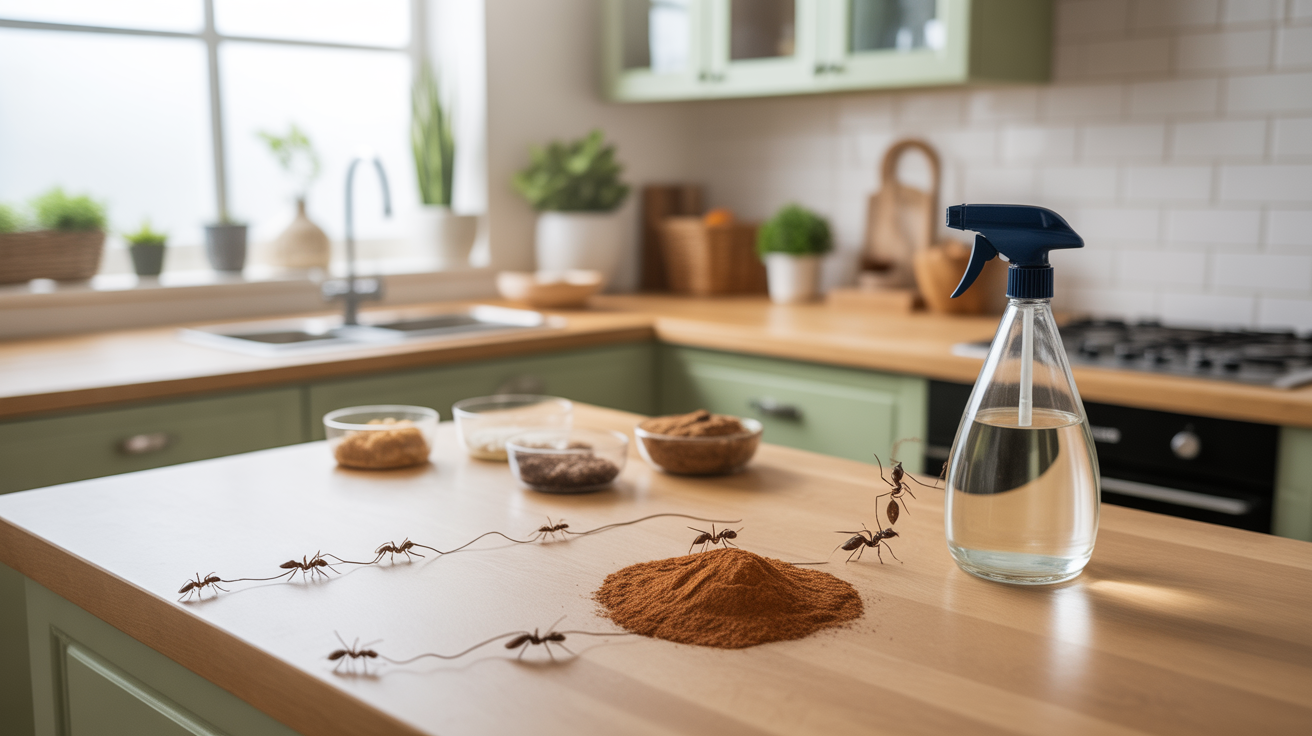
Credit: floraviadecor.com
Regular Cleaning Routine
Keeping ants out of your kitchen cabinets can be a challenging task, but establishing a regular cleaning routine is your first line of defense. A clean kitchen not only deters ants but also maintains a healthy environment for you and your family. Consistent cleaning practices eliminate food residues that attract these pesky invaders. Plus, it’s an excellent way to instill good hygiene habits that benefit your overall kitchen maintenance.
Wiping Surfaces
Ants are relentless in their pursuit of food, so it’s crucial to wipe down your kitchen surfaces regularly. Use a damp cloth or sponge and a mild detergent to clean counters, cabinet doors, and shelves. Pay attention to corners and crevices where crumbs often hide.
Consider using a vinegar solution, as its strong scent can deter ants. You might be surprised how effective such a simple routine can be in keeping ants at bay. Do you notice fewer ants after a thorough wipe-down?
Storing Food Properly
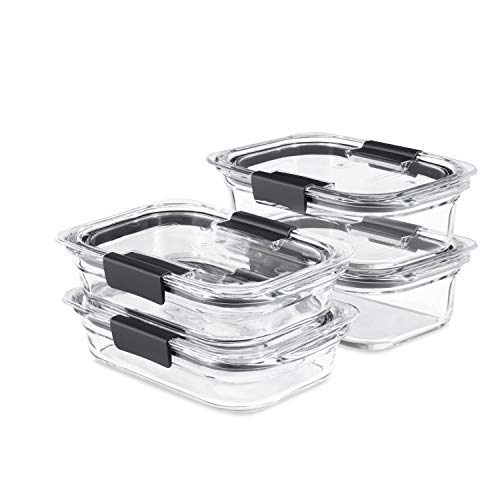
Improper food storage is an open invitation for ants. Ensure all food items are sealed tightly in containers. Glass or plastic containers with secure lids are ideal choices. Avoid leaving open bags or boxes of food in cabinets.
Check your pantry regularly for spills or leaks. Even a small amount of sugar or syrup can attract a swarm of ants. Do you have a favorite airtight container that you swear by?
Keep fruit and vegetables in the fridge rather than the counter. This not only preserves their freshness but also keeps them out of sight from ants. Isn’t it amazing how simple changes can lead to a pest-free kitchen?
Professional Pest Control
Ants invading kitchen cabinets can be frustrating. Sometimes, home remedies don’t work. Professional pest control offers a thorough solution. Experts use advanced techniques to eliminate ants efficiently. This option ensures a clean and safe kitchen environment.
When To Call Experts
Consider calling professionals if ants persist. DIY methods may fail against large infestations. Experts can identify the root cause. They have specialized tools to tackle severe problems. Choose professional help if you notice recurring ant trails. It is wise when ants spread to other areas. Professionals can prevent further damage.
Choosing A Pest Control Service
Selecting the right service is crucial. Research local pest control companies. Check online reviews and ratings. Ensure the company is licensed and insured. Ask about their experience with ant removal. Inquire about methods they use. Compare prices and services offered. Choose a service that fits your budget. A reliable company provides follow-up visits. They should offer guarantees for their work. Make sure they use safe products. This ensures your kitchen remains healthy.
Prevent Future Infestations
Seal cracks and store food in airtight containers to prevent ants. Regular cleaning removes food particles that attract them.
Preventing ants from returning to your kitchen cabinets is crucial. Ants are persistent. They will find their way back if you don’t take action. By implementing preventive measures, you can keep your kitchen ant-free. Regular inspections and natural methods can help maintain a clean space.Regular Inspections
Inspect your kitchen cabinets weekly. Look for cracks and crevices. Ants can enter through the smallest openings. Seal these gaps with caulk or sealant. Check for food spills and crumbs. Clean them immediately to avoid attracting ants. Regular inspections help catch infestations early.Natural Preventive Measures
Use natural deterrents to keep ants at bay. Vinegar is a great option. Mix equal parts of vinegar and water. Spray this solution around cabinet edges. Ants dislike the smell and will avoid it. Another option is to use lemon juice. Its acidity repels ants effectively. Essential oils can also deter ants. Peppermint oil works well for this. Add a few drops to a cotton ball. Place it in the corners of cabinets. Refresh the cotton balls weekly for best results. These natural methods are safe and effective.Frequently Asked Questions
Why Do I Have Ants In My Cabinets?
Ants enter cabinets in search of food and water. They follow scent trails to crumbs or spills. Seal food in airtight containers and clean regularly to prevent infestations. Block entry points to keep ants out. Regular maintenance can help keep your cabinets ant-free.
What Is The Fastest Way To Get Rid Of Ants In The Kitchen Home Remedy?
Mix equal parts of vinegar and water in a spray bottle. Spray directly on ants and entry points. This natural remedy disrupts their scent trails, effectively deterring them. Repeat as needed for best results. Keep kitchen counters clean to prevent future infestations.
Why Are Ants Appearing Out Of Nowhere In My Kitchen?
Ants invade kitchens seeking food, water, and shelter. Open containers, crumbs, and spills attract them. Seal food tightly, clean surfaces regularly, and fix leaks to prevent their entry. Blocking entry points and using natural repellents like vinegar can help keep ants away.
How Do I Figure Out Where Ants Are Coming From In My Kitchen?
Inspect your kitchen thoroughly for ant trails and entry points. Check windows, doors, and cracks in walls. Examine areas near food sources like countertops and cabinets. Follow ant trails back to their entry point. Seal gaps and clean surfaces to prevent further infestations.
Conclusion
Getting rid of ants in kitchen cabinets is simpler than it seems. Start by keeping your kitchen clean. Wipe surfaces regularly. Store food in sealed containers. Use natural remedies like vinegar or lemon. If needed, try commercial ant baits. They can be effective.
Seal any entry points to prevent ants from returning. Regular maintenance helps keep your kitchen ant-free. Remember, consistency is key. With these steps, you can enjoy a pest-free kitchen. No more ants in your cabinets!