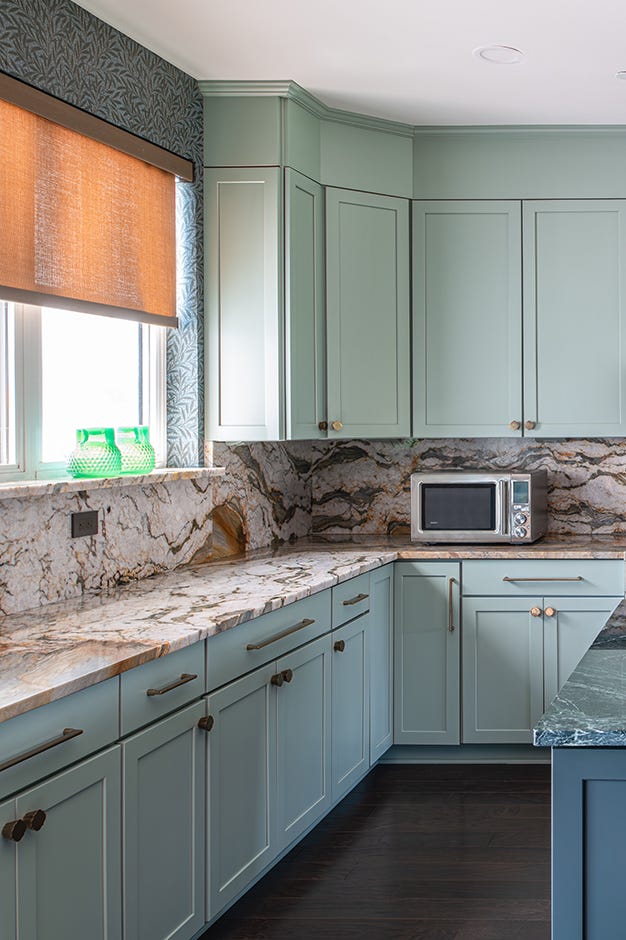
How to Install Kitchen Wall Cabinets: Step-by-Step Guide
Executive Chef & Lead Commercial Kitchen Specialist at Daily Kitchup Test Lab
Are you ready to transform your kitchen into a functional and stylish space? Installing kitchen wall cabinets might seem like a daunting task, but with a bit of guidance, you can achieve a professional-looking result.
Imagine the satisfaction of stepping back and admiring your handiwork—a kitchen that not only meets your storage needs but also showcases your personal style. In this guide, you’ll discover the step-by-step process to install kitchen wall cabinets, making the task straightforward and rewarding.
Whether you’re a DIY enthusiast or just looking to save on installation costs, mastering this skill is within your reach. Stick with us and unlock the secrets to a more organized and aesthetically pleasing kitchen.
Tools And Materials Needed
Gather essential tools like a power drill, measuring tape, and level. Select sturdy materials, including brackets and screws, for secure installation.
Installing kitchen wall cabinets can transform your space, adding both style and functionality. Before starting this project, gather the essential tools and materials. This ensures a smooth installation process. Proper preparation can prevent common mistakes and delays. Below is a list of tools and materials needed for a successful cabinet installation.Tools Required
- Drill: A cordless drill helps with drilling holes and driving screws.
- Level: Ensures cabinets are perfectly horizontal and aligned.
- Tape Measure: Accurate measurements are crucial for fitting.
- Stud Finder: Locates studs for secure cabinet mounting.
- Screwdriver: Necessary for tightening and adjusting screws.
- Pencil: Marks measurements and drilling points.
- Clamps: Holds cabinets in place during installation.
Materials Needed
- Wall Cabinets: Choose cabinets that fit your kitchen style.
- Cabinet Screws: Provides strong support for hanging cabinets.
- Wood Shims: Adjusts cabinet positioning for perfect alignment.
- Brackets: Offers additional support and stability.
- Mounting Rails: Helps distribute cabinet weight evenly.
- Caulk: Seals gaps between cabinets and walls.

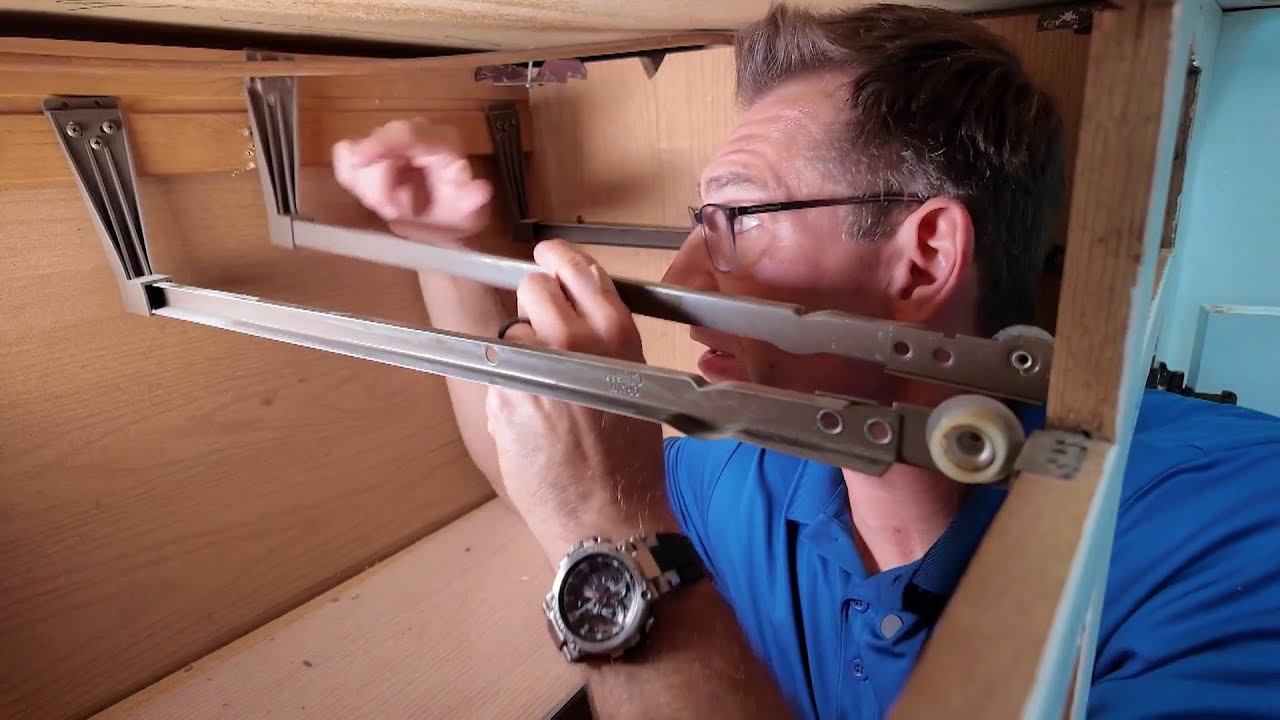
Credit: www.youtube.com
Preparing The Space
Clear the area for installation by removing items and ensuring a tidy workspace. Mark wall studs to provide sturdy support. Measure and level carefully to ensure the cabinets fit perfectly.
Preparing the space is crucial before installing kitchen wall cabinets. A well-prepared area makes the installation process smoother and more efficient. It ensures your cabinets fit perfectly and securely. Follow these steps to get the area ready for cabinet installation.Clear The Area
Remove all items from the space where cabinets will go. This includes small appliances, decorative items, and any clutter. Clearing the area allows you to work freely. It also prevents damage to your belongings during installation. Make sure the floor is clean and free of debris.Measure The Wall
Use a measuring tape to measure the wall where cabinets will be installed. Measure both the height and width of the wall. Check the space above and below the cabinets. Accurate measurements ensure a precise fit. Write down your measurements for reference during installation.Mark The Studs
Locate the wall studs using a stud finder. Mark the position of each stud with a pencil. Studs provide strong support for the cabinets. Marking them ensures you attach the cabinets securely. Space the marks evenly for balance and support.Choosing The Right Cabinets
Choosing the right cabinets involves understanding layout and size. Begin by measuring your kitchen wall space accurately. Select cabinets that fit well and match your kitchen style. Ensure they are sturdy and easy to install. Quality materials like wood or metal can offer durability and a sleek finish.
Choosing the right kitchen wall cabinets is a crucial step in transforming your kitchen into a functional and aesthetic space. The cabinets you choose will not only define the style of your kitchen but also impact its efficiency. Let’s explore some key factors to consider when selecting the perfect cabinets for your kitchen.Cabinet Styles
Your kitchen’s style sets the tone for the entire space. Do you prefer a modern, sleek look or a classic, traditional feel? Modern cabinets often feature flat surfaces and minimal ornamentation, perfect for a contemporary vibe. Traditional cabinets might include raised panels and intricate details, adding a touch of elegance. Mix and match styles to create a unique look that reflects your personality. Don’t be afraid to experiment with different styles until you find the one that feels just right.Material Options
The material of your cabinets greatly affects their durability and appearance. Wood is a popular choice, offering warmth and versatility. For a more budget-friendly option, consider laminate, which comes in various colors and patterns. If you seek durability and a sleek finish, metal cabinets might be your go-to choice. Each material brings its own benefits and challenges. Choose one that aligns with your lifestyle and maintenance preferences.Size And Dimensions
The size of your cabinets must fit seamlessly into your kitchen layout. Measure your space carefully to ensure a perfect fit. Consider the height of the cabinets to maximize storage without overwhelming the room. Will you need extra tall cabinets for added storage, or will standard sizes suffice? Think about your storage needs and how often you use certain items. This will help you decide on the depth and width of your cabinets, ensuring everything has its place without cluttering your space.Installing The Ledger Board
Securely attach the ledger board to the wall to support kitchen cabinets. Use a level for accurate alignment. Ensure the board is firmly fastened to wall studs for stability.
Installing the ledger board is a crucial step in ensuring your kitchen wall cabinets are mounted securely and evenly. Think of it as a temporary shelf that supports the weight of the cabinets during installation. This process requires precision and a bit of patience, but once you’ve mastered it, you’ll feel like a pro. Ever wondered why some cabinets look perfectly aligned while others seem off? The secret often lies in the ledger board installation. Let’s dive into how you can position and secure the ledger board effectively.Position The Ledger
Begin by measuring the height where you want your cabinets to be. Use a level to draw a straight, horizontal line along the wall. This line will guide where the top of your ledger board will sit. Align the ledger board with this line, ensuring it’s level. Double-check by holding the board up and marking its position with a pencil. This step is crucial for maintaining the symmetry of your cabinets. Consider using a stud finder to locate wall studs. Mark these spots because you’ll need to attach the ledger board to them for maximum support.Secure The Ledger
Use long screws to attach the ledger board to the wall. Ensure you’re drilling into the studs for added security. This provides a stable base for your cabinets. Don’t rush this process. Tighten the screws gradually to avoid damaging the wall or the board. A snug fit is essential for the ledger to hold up under the weight of the cabinets. Once secured, give the board a gentle tug to test its stability. If it doesn’t budge, you’ve done it right. If it feels loose, recheck the screw placements and tighten them further. By mastering the installation of the ledger board, you set the stage for a seamless cabinet setup. Can you imagine the satisfaction of seeing those perfectly lined cabinets? It all starts with a well-placed ledger board.Hanging The Cabinets
Installing kitchen wall cabinets requires precise measurements and sturdy wall anchors. Secure brackets to the wall, ensuring alignment. Lift the cabinet into place, attaching it to the brackets for stability.
Installing kitchen wall cabinets can transform your space, providing both functionality and style. Hanging the cabinets correctly is crucial to ensure they stay secure and aligned. This process can seem daunting, but with the right steps, even a first-timer can achieve professional-looking results. Taking the time to align and secure each cabinet will make a noticeable difference. So, let’s dive into the details of hanging the cabinets with precision.Align The First Cabinet
Begin with the most visible cabinet. Typically, this is the corner cabinet or the one closest to a wall. Make sure it’s perfectly level. Use a spirit level to check both the top and bottom edges. Remember, if the first cabinet is slightly off, all subsequent ones will be too.Secure To The Wall
Once aligned, it’s time to secure the cabinet to the wall. Use a stud finder to locate studs behind the wall. Drill pilot holes through the cabinet’s back panel into the studs. This ensures a strong hold. Fasten the cabinet using screws long enough to penetrate the stud by at least two inches. This will prevent any potential sagging.Attach Adjacent Cabinets
With the first cabinet securely in place, proceed to the next one. Position it flush against the already hung cabinet. Use clamps to hold the cabinets together while you adjust their positions. This keeps them steady as you work. Drive screws through the adjoining side panels, ensuring they are level with each other. A seamless look makes your kitchen feel cohesive and well-planned. Hanging kitchen cabinets yourself not only saves you money but also gives you the satisfaction of a job well done. Have you ever noticed how a small shift in alignment can impact the overall look? By taking your time to ensure precision, you’ll achieve a flawless finish.
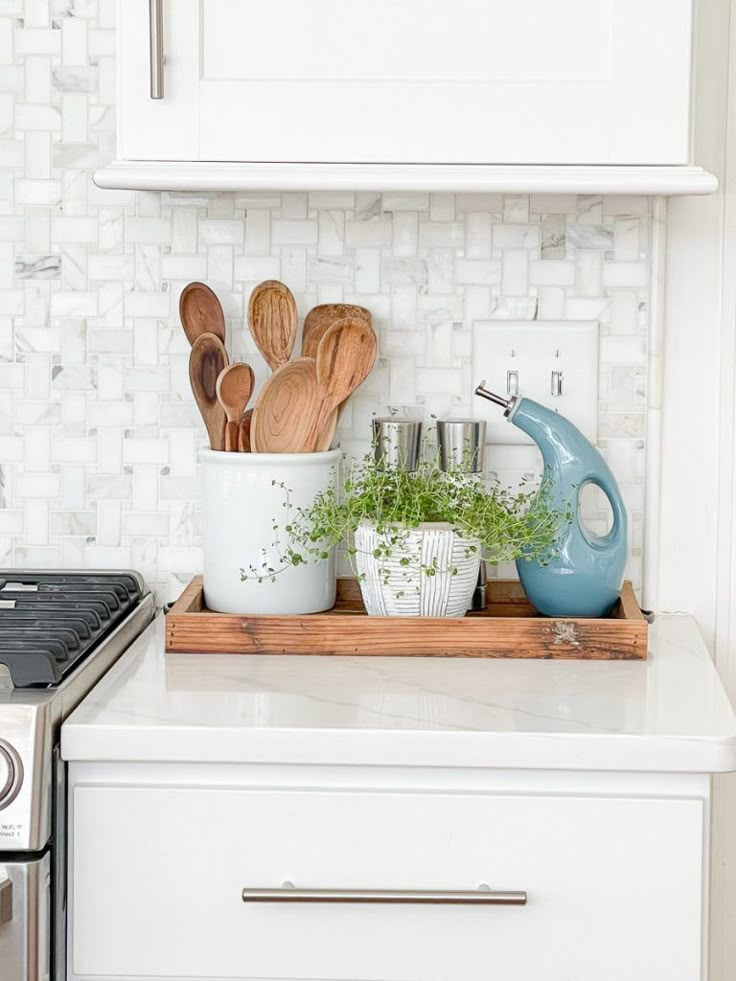
Credit: www.create-enjoy.com
Adjusting And Leveling
Accurate measurements ensure cabinets fit well on your kitchen wall. Level the cabinets before securing them. Use shims for adjustments, keeping surfaces even for a polished look.
Adjusting and leveling your kitchen wall cabinets is a crucial step to ensure they function seamlessly and look polished. Uneven cabinets can lead to doors that swing open or don’t close properly. Worse yet, an unlevel cabinet can affect the entire alignment of your kitchen setup. From personal experience, I remember the frustration of constantly adjusting a misaligned cabinet door until I learned the right techniques. If you’re finding yourself in a similar situation, this guide will help you address these issues effectively.Check For Level
Start by checking the level of each cabinet. Use a carpenter’s level to ensure they are perfectly horizontal. If your cabinets aren’t level, consider adding shims beneath them. Shims are thin pieces of wood that can help correct any imbalance. Even a slight misalignment can lead to doors that don’t close properly. You might be surprised at how a small adjustment can make a big difference in the overall appearance and function of your cabinets.Adjust Hinges And Doors
Once the cabinets are level, it’s time to focus on the hinges and doors. Open and close each door to check for smooth operation. If the doors are misaligned, adjust the hinges using a screwdriver. Look for any gaps between the doors and the cabinet frame. Tighten or loosen the screws as needed to ensure a snug fit. A tip from my own kitchen revamp: sometimes, simply adjusting the hinges can completely change how the door functions. You’ll be amazed at how these small tweaks can enhance your kitchen’s aesthetic and functionality. Have you ever spent hours trying to fix a squeaky door without realizing a minor hinge adjustment was all you needed?Finishing Touches
Secure the cabinets to the wall studs for stability. Use a level to ensure straight alignment. Adjust doors and handles for a perfect finish.
Installing kitchen wall cabinets is a satisfying project, but the real magic happens in the finishing touches. This is where your kitchen transforms from a construction zone to a polished, functional space. As you wrap up the installation, you’ll want to focus on the details that bring out the personality of your kitchen and ensure everything is in top shape. Ready to make your kitchen shine?Install Hardware
Adding hardware to your cabinets is like accessorizing an outfit. It reflects your style and can dramatically change the look of your kitchen. Choose knobs or handles that complement your decor, whether it’s sleek modern metal or vintage-inspired ceramic. Think about how each piece feels in your hand. You want something that’s comfortable to use daily. Measure carefully and ensure they align perfectly, enhancing the symmetry of your kitchen.Clean And Inspect
After you’ve installed your hardware, take a moment to clean the cabinets thoroughly. Dust and debris can settle during installation, and a good wipe down with a gentle cleaner can make them sparkle. Inspect each cabinet door and drawer, ensuring they open smoothly and align properly. Are there any scratches or dents? Address them promptly to keep your kitchen looking its best. Remember, the finishing touches are not just about aesthetics but also functionality. How does everything work together? Your kitchen should be a space you enjoy using every day. By focusing on these final details, you’re not just completing a project. You’re creating a space that feels truly yours. What finishing touch will make your kitchen feel complete?
Credit: www.youtube.com
Safety Tips
Use a stud finder to locate wall studs before installing kitchen cabinets for stability. Wear safety glasses and gloves to protect against sharp edges and tools. Securely fasten cabinets with screws and brackets to prevent tipping or falling.
Installing kitchen wall cabinets requires careful attention to safety. Following safety tips helps prevent accidents and injuries. Let’s explore some vital safety tips for your cabinet installation project.Use Of Safety Gear
Wearing the right safety gear is essential. Use gloves to protect your hands from sharp edges. Safety glasses shield your eyes from dust and debris. Hard hats are important if you’re working under suspended cabinets. Ensure you wear sturdy shoes with good grip to prevent slips.Handling Heavy Cabinets
Heavy cabinets need careful handling. Use a dolly or cart for moving them. This prevents strain on your back and reduces the risk of dropping. If lifting is necessary, bend your knees and keep your back straight. Always lift with your legs, not your back. Having a partner can make handling easier and safer.Frequently Asked Questions
How Do You Attach Kitchen Cabinets To The Wall?
Secure kitchen cabinets to the wall using studs. First, locate and mark the wall studs. Drill pilot holes into the cabinet back panel. Align the cabinet with the marked studs. Use screws to fasten the cabinet securely to the wall.
Ensure all cabinets are level before finalizing.
How Do Kitchen Cabinets Stay On The Wall?
Kitchen cabinets stay on the wall using sturdy brackets and screws. These screws secure into wall studs. The studs provide strong support, preventing the cabinets from falling. Proper installation ensures safety and durability. Always check for level alignment during installation to maintain balance and aesthetics.
How To Install Kitchen Cabinets For Beginners Step By Step?
Start by measuring and marking cabinet positions. Secure the upper cabinets to the wall studs first. Use a level to ensure alignment. Install lower cabinets, checking for evenness. Attach doors and hardware, ensuring proper fit and function. Adjust as needed for a professional finish.
Do You Have To Screw Base Cabinets To The Wall?
Yes, screw base cabinets to the wall for stability and safety. Securely attached cabinets prevent tipping and ensure durability. Proper installation enhances functionality and protects from damage. Always follow manufacturer guidelines for best results.
Conclusion
Installing kitchen wall cabinets is easier than it seems. With the right tools, you can transform your kitchen space. Follow each step carefully for best results. Check measurements twice to ensure a perfect fit. Secure cabinets properly to avoid accidents.
Take your time to avoid mistakes. You’ll soon have a fresh kitchen look. Remember, practice makes perfect. Don’t hesitate to ask for help if needed. Enjoy your new, organized kitchen space. Happy installing!

Similar Posts