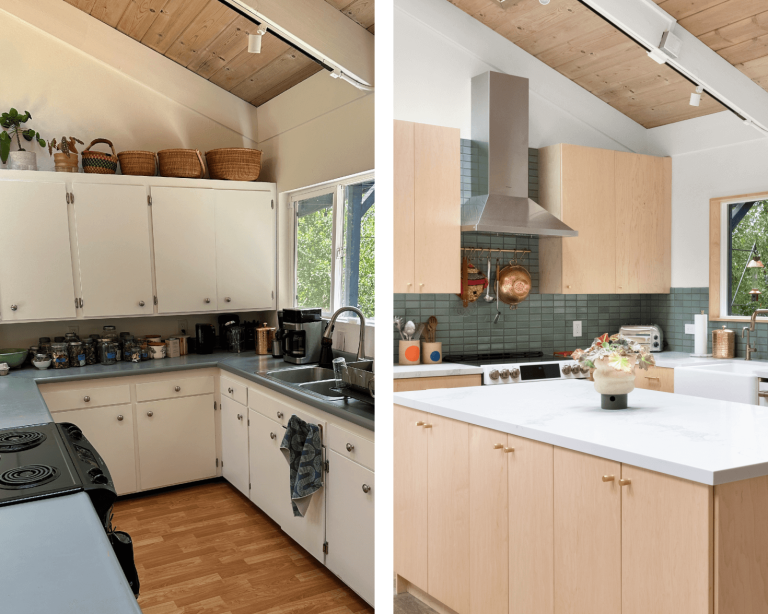
How to Kitchen Cabinet Refacing: Transform Your Space
Are your kitchen cabinets looking a bit tired and outdated? You might think a full renovation is the only way to transform your kitchen, but there’s a smarter, more cost-effective solution: cabinet refacing.
Imagine giving your kitchen a fresh, modern look without the hefty price tag or the mess of a complete overhaul. Intrigued? You’re not alone. Many homeowners like yourself are discovering the magic of cabinet refacing. It’s quick, efficient, and can completely rejuvenate your space.
Ready to learn how you can achieve a stunning kitchen makeover without breaking the bank? Dive in, and let’s explore the ins and outs of kitchen cabinet refacing together. Your dream kitchen is just a read away!

Credit: www.youtube.com
Benefits Of Cabinet Refacing
Refacing kitchen cabinets offers numerous benefits. It transforms your space without the cost of a full remodel. This option is becoming popular among homeowners looking for a fresh kitchen look.
Cost-effective Solution
Cabinet refacing saves money. It’s cheaper than replacing cabinets entirely. You reuse existing structures, reducing material costs. This approach offers a new look without breaking the bank.
Eco-friendly Choice
Refacing is eco-friendly. It reduces waste by using existing cabinets. Fewer materials end up in landfills. By choosing refacing, you contribute to a greener planet.
Quick Transformation
Refacing cabinets is fast. The process takes days, not weeks. You get a refreshed kitchen quickly. It causes less disruption to daily life, making it convenient.
Credit: muskokakitchenrenewal.com
Choosing The Right Style
Selecting a style for kitchen cabinet refacing can transform your space. Consider modern, rustic, or classic designs. Matching colors and materials with your kitchen’s theme enhances the overall look.
Choosing the Right Style Deciding on the right style for your kitchen cabinet refacing project can transform your kitchen’s atmosphere. Whether you aim for a sleek, modern look or a warm, classic vibe, your choice sets the tone for the entire space. Consider your home’s existing decor and your personal taste to make a style statement that resonates with you.Modern Design Options
Modern design options offer a clean and streamlined look, perfect for contemporary homes. Opt for flat-panel doors with minimal hardware to achieve an uncluttered appearance. High-gloss finishes in neutral colors like white, grey, or black can reflect light beautifully, making your kitchen appear larger and brighter. Adding glass inserts can also modernize your cabinets, allowing you to display chic dishware. Metallic accents, such as stainless steel handles, can provide a touch of sophistication. Are you ready to embrace simplicity with a modern flair?Classic Styles
Classic styles bring a timeless charm that never goes out of fashion. Raised panel doors and rich wood grains can create a warm and inviting feel. Colors like cherry or oak can add depth and character to your kitchen. Consider incorporating decorative moldings for an added touch of elegance. Traditional hardware, like brass or bronze knobs, can complement the classic aesthetic beautifully. Have you considered how classic cabinetry can enhance the heart of your home?Mix And Match Trends
Mix and match trends allow for creativity and personalization in your kitchen. Combining different styles or finishes can add visual interest and uniqueness. Pairing modern flat-panel doors with traditional wood finishes might be the eclectic touch your kitchen needs. Try using contrasting colors for upper and lower cabinets to create a dynamic look. Open shelving mixed with closed cabinets can offer functionality and style. How will you mix and match to reflect your personal style?Materials For Refacing
Refacing kitchen cabinets is a fantastic way to refresh your kitchen without the need for a complete remodel. The choice of materials plays a crucial role in the outcome of your project. With the right materials, you can achieve a stunning transformation that suits your style and budget. Let’s explore some popular materials you can use for refacing your cabinets.
Wood Veneers
Wood veneers offer a classic and elegant look for your kitchen cabinets. They are thin slices of natural wood applied over existing surfaces, providing the appearance of solid wood without the hefty price tag. You can choose from a variety of wood types like oak, cherry, or maple, each offering its unique grain and color.
Wood veneers are flexible and can be easily cut to fit any cabinet size. They are ideal for those who love the warmth and texture of natural wood. However, they do require proper sealing and maintenance to protect against moisture and wear.
Laminate Choices
Laminate is a popular choice for those looking for durability and versatility. It comes in a wide range of colors and patterns, allowing you to mimic materials like wood or stone. Laminate surfaces are resistant to scratches and stains, making them a practical choice for busy kitchens.
One of the biggest advantages is the ease of cleaning. A simple wipe with a damp cloth keeps them looking fresh. Laminate is also more budget-friendly compared to wood veneers, making it a great option for cost-conscious homeowners.
Thermofoil Options
Thermofoil is a vinyl-like material applied over medium-density fiberboard (MDF) using heat and pressure. It offers a smooth, seamless finish that is both modern and easy to maintain. Available in a variety of colors and finishes, thermofoil can provide a sleek and contemporary look to your kitchen.
It’s highly resistant to moisture, which is a significant advantage in humid environments. However, excessive heat can damage thermofoil, so it’s essential to ensure proper ventilation around heat sources like ovens and stoves. Would you consider thermofoil for a minimalist kitchen design?
Ultimately, the material you choose for refacing will depend on your personal style, budget, and how much maintenance you’re willing to do. Each option has its unique benefits and can dramatically change the look and feel of your kitchen. Which material will you choose to breathe new life into your cabinets?

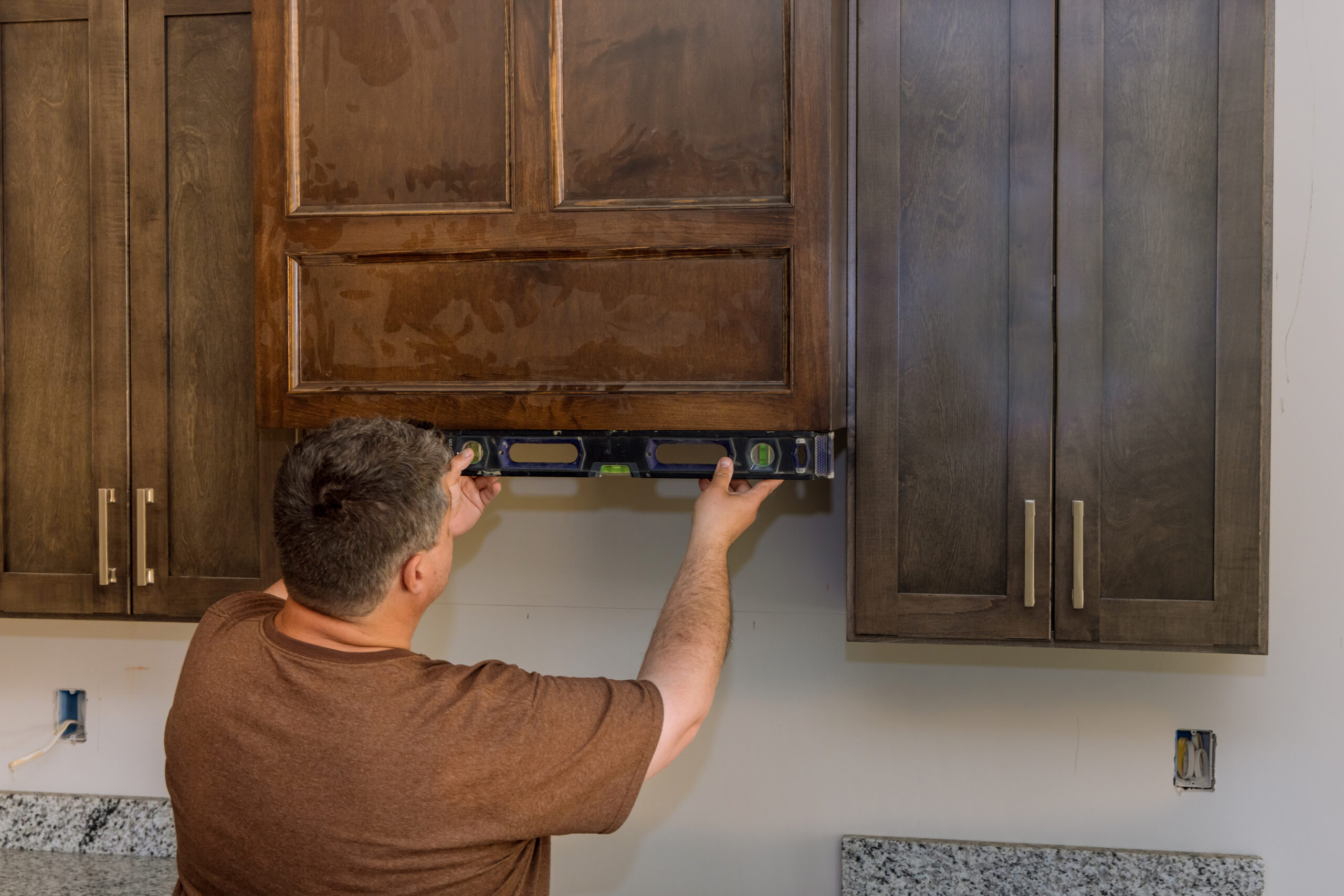
Credit: www.familyhandyman.com
Tools And Supplies Needed
Sandpaper, a screwdriver, paintbrushes, and a measuring tape are essential for kitchen cabinet refacing. Include wood stain, paint, and new hardware for a fresh look. Make sure you have a drill and adhesive for secure installation.
When preparing for a kitchen cabinet refacing project, having the right tools and supplies is crucial. Proper equipment ensures a smooth process and a high-quality finish. This section outlines the essential tools, safety gear, and additional supplies needed for a successful cabinet refacing.Essential Tools List
- Screwdriver set for removing cabinet doors and hardware.
- Measuring tape to ensure accurate measurements.
- Electric sander to smooth surfaces.
- Drill for installing new hardware.
- Paintbrushes and rollers for applying finishes.
Safety Gear
- Safety goggles to protect eyes from dust and debris.
- Dust mask to avoid inhaling particles.
- Gloves to protect hands while sanding and painting.
- Ear protection if using loud power tools.
Additional Supplies
- Adhesive for securing new veneers.
- Sandpaper in various grits for smooth finishes.
- Wood filler to repair minor damages.
- Primer to prepare surfaces for painting.
- Paint or stain for the desired finish.
Step-by-step Refacing Process
Refacing your kitchen cabinets can give your space a fresh look. It’s an affordable way to update your kitchen without a full remodel. Follow this step-by-step guide to achieve professional results.
Preparation And Planning
Start by measuring your cabinets. Note the size and number of doors and drawers. Choose a refacing material that matches your kitchen style. Veneer, laminate, or wood are popular choices. Gather necessary tools: screwdriver, drill, tape measure, and sandpaper.
Clean your workspace. Remove any clutter to ensure safety. This will also help you focus on the task. Label each door and drawer for easy reinstallation. This small step will save time later.
Removing Old Doors And Hardware
Use a screwdriver to remove cabinet doors. Place screws in labeled bags. This prevents losing them and ensures correct reassembly. Take off hinges and any other hardware. Carefully set aside or discard if replacing.
Remove drawer fronts using the same method. Again, keep screws and hardware organized. A clean and organized workspace makes the process smoother.
Applying New Surfaces
Sand the cabinet frames to ensure smooth application. Wipe away dust with a damp cloth. This step is crucial for a clean finish. Apply the chosen veneer or laminate to the cabinet frames. Follow the manufacturer’s instructions for best results.
Use a roller to press down the material. This removes air bubbles and ensures a secure bond. Trim excess material with a utility knife. Be cautious to avoid damaging the surface.
Installing New Doors And Drawers
Attach new hinges to your cabinet doors. Use your labeled bags of screws. Align each door with its original position. Securely screw them into place. Repeat this process for drawer fronts.
Install new hardware. Consider updating handles and knobs for a fresh look. Make sure all components are tight and aligned. This final step completes your cabinet transformation.
Finishing Touches
Transforming your kitchen cabinets can breathe new life into your space. The finishing touches are where your personal style shines through and the transformation is completed. This section will guide you through the final steps of cabinet refacing, ensuring each detail adds to the overall aesthetic and functionality of your kitchen.
Adding New Hardware
Swapping out old cabinet hardware is an easy way to make a big impact. Choose knobs and handles that reflect your taste, whether sleek modern designs or ornate vintage pieces.
- Visit a hardware store and physically feel the options. Comfort matters!
- Consider finishes that complement your appliances.
- Remember, the placement of hardware can affect the ease of use.
Imagine the joy of opening your cabinets with new, stylish hardware every day. Isn’t it worth the effort?
Painting And Staining
Revamping cabinet surfaces with paint or stain can dramatically alter the vibe of your kitchen. Opt for paint if you desire a clean, uniform look. Stain works wonders for preserving the wood’s natural beauty.
- Test colors or stains on a small section first. Light changes everything!
- Use high-quality brushes or rollers for a smooth finish.
- Consider contrasting colors for a unique, eye-catching effect.
Every brush stroke brings you closer to the kitchen of your dreams. Which color speaks to you?
Sealing And Protecting
Ensuring your cabinets stand the test of time requires proper sealing. Protecting the surfaces keeps them looking fresh and guards against daily wear and tear.
- Apply a clear sealant over paint or stain for longevity.
- Choose water-resistant options for added protection.
- Re-seal periodically to maintain durability.
Think about the satisfaction of knowing your cabinets are shielded against spills and scratches. Isn’t peace of mind priceless?
Maintenance Tips
Maintaining your newly refaced kitchen cabinets is crucial for longevity. Proper care keeps them looking fresh and functional. Here are some tips to help you maintain your cabinets effectively.
Cleaning Techniques
Regular cleaning prevents build-up of grime and dust. Use a soft cloth and mild detergent. Avoid harsh chemicals that can damage the finish. Wipe cabinets gently to remove dirt. Rinse with water and dry thoroughly. Clean spills immediately to prevent stains.
Preventive Care
Protect your cabinets from excessive moisture. Use exhaust fans during cooking to reduce humidity. Avoid hanging heavy objects on cabinet doors. Check hinges and handles regularly for looseness. Tighten screws to ensure stability. Apply furniture polish to maintain shine.
Repairing Minor Damages
Scratches and small dents are common. Use wood filler to repair minor scratches. Apply touch-up paint that matches your cabinet’s color. For loose handles, tighten screws or replace with new ones. Check for peeling edges and re-glue if necessary. Regular inspections help spot damages early.
Cost Considerations
Kitchen cabinet refacing offers a budget-friendly alternative to full replacement. Costs vary based on materials and labor. Exploring multiple quotes can help find the best deal.
When considering kitchen cabinet refacing, understanding the costs involved is crucial to making an informed decision. You might be wondering if the investment is worth it compared to a full renovation. The good news is that refacing can be a cost-effective way to refresh your kitchen’s look without the hefty price tag of new cabinets.Budget-friendly Options
One of the appealing aspects of cabinet refacing is its affordability. You have several budget-friendly options to choose from, such as replacing only the cabinet doors and drawer fronts while keeping the existing frames. Opting for laminate or RTF (Rigid Thermofoil) finishes can also help keep costs down compared to wood veneers. Consider doing some of the work yourself to save on labor costs. Simple tasks like removing old hardware or prepping surfaces can be DIY-friendly. With a bit of elbow grease, you can significantly reduce the overall expense of your project.Potential Hidden Costs
While refacing is generally less expensive than replacing, it’s important to be aware of potential hidden costs. For instance, if your existing cabinets have structural issues, additional repairs may be needed. These repairs can add up quickly if not anticipated. Don’t forget about hardware and accessories. New knobs, pulls, or hinges can enhance the final look but might not be included in initial estimates. Always ask for a detailed quote to avoid surprises down the line.Value Vs. Investment
Refacing your kitchen cabinets can be a smart investment, but it’s essential to weigh the value against the cost. Consider how long you plan to stay in your home. If you’re planning to sell soon, updated cabinets can boost your home’s appeal without overspending. Think about the enjoyment and functionality new cabinet faces will bring to your daily life. A fresh look might inspire you to spend more time in the kitchen, cooking and entertaining. Balancing the aesthetic upgrade with your budget is key to ensuring you get the most out of your investment. How do you see the value of refacing fitting into your overall kitchen renovation goals?Common Mistakes To Avoid
Poor surface preparation can lead to peeling. Choosing low-quality materials might affect durability. Incorrect measurements cause fitting issues, complicating the refacing process.
Refacing kitchen cabinets can breathe new life into your space. Yet, some common mistakes can derail your project. Avoid these pitfalls to ensure a smooth process and beautiful results. Paying attention to details will save you time and frustration.Ignoring Measurements
Measurements are crucial for refacing cabinets. Incorrect measurements lead to mismatched doors and hardware. Always double-check dimensions before purchasing materials. Accurate measurements ensure a perfect fit and a seamless finish.Overlooking Surface Preparation
Proper surface preparation is key to a successful cabinet refacing. Skipping this step can cause adhesion problems. Clean surfaces thoroughly and sand them to remove old finishes. This helps new veneers or paint adhere better, enhancing durability.Underestimating Time And Effort
Refacing cabinets requires patience and effort. Many underestimate the time involved, leading to rushed jobs. Allocate ample time to complete each step carefully. This ensures quality work and prevents costly mistakes down the line.Frequently Asked Questions
Can I Reface My Kitchen Cabinets Myself?
Yes, you can reface kitchen cabinets yourself. It involves replacing doors, drawers, and applying veneer. Ensure you have the right tools and skills for precise measurements and installation. Research thoroughly and follow step-by-step guides to achieve a professional finish. Consider safety precautions during the process.
Is It Worth It To Reface Kitchen Cabinets?
Refacing kitchen cabinets is often worth it. It’s cost-effective, refreshes your kitchen’s look, and increases home value. Ideal for those seeking an affordable and quick renovation solution without the hassle of complete replacement. Enhancing aesthetics while maintaining functionality makes it a popular choice for homeowners.
What Are The Downsides Of Refacing?
Refacing may not address underlying cabinet issues. It limits design changes and can be costly. Matching new veneers to existing ones can be challenging. The process doesn’t increase storage space. It may not add significant value to your home.
What Is The Process Of Refacing Kitchen Cabinets?
Refacing kitchen cabinets involves replacing doors and drawer fronts, applying new veneer to existing surfaces, and updating hardware. This process refreshes the look without full replacement. It’s cost-effective and less time-consuming, giving your kitchen a modern and updated appearance.
Conclusion
Refacing kitchen cabinets gives them a fresh new look. It’s a budget-friendly way to update your kitchen. You don’t need to replace cabinets completely. Save time and money. With some effort, you can achieve stunning results. Choose the right materials and colors.
Measure carefully for a perfect fit. Follow steps carefully for smooth refacing. Enjoy a stylish kitchen that looks brand new. Feel proud of your handiwork. Transform your space without breaking the bank. Refacing is an excellent option for a modern kitchen makeover.
Start your project today and enjoy the benefits.