
How to Polish Kitchen Cabinets: Expert Tips & Techniques
Are your kitchen cabinets looking a little dull and lifeless? You might be surprised at the difference a good polish can make.
Not only will it restore the shine and beauty of your cabinets, but it can also transform the entire look of your kitchen. Imagine walking into a kitchen that feels new, fresh, and inviting, all because of a simple polish.
In this guide, you’ll discover the easy steps to breathe new life into your cabinets. You’ll learn how to select the right products, use techniques that professionals swear by, and avoid common mistakes that could lead to frustration. Ready to give your kitchen the glow-up it deserves? Let’s dive in and unlock the secrets to polished perfection.
.jpg)
Credit: www.architecturaldigest.com
Choosing The Right Products
Selecting the right products ensures safe and effective polishing of kitchen cabinets. Opt for mild cleaners and soft cloths to avoid damage. Regular maintenance keeps cabinets looking fresh and enhances their longevity.
Choosing the right products to polish kitchen cabinets is crucial. The wrong product can damage the finish or leave a sticky residue. It’s essential to know what options are available. This will ensure your cabinets remain beautiful and long-lasting.Types Of Cleaners
Various cleaners suit different cabinet finishes. Some cleaners are oil-based. These are ideal for wooden cabinets. Other cleaners are water-based. They work well on laminate surfaces. Always check the cleaner’s label. Ensure it matches your cabinet’s material.Natural Vs. Commercial Products
Natural products are gentle on the environment. They often contain ingredients like vinegar or lemon juice. These are safe for most cabinet types. Commercial products, on the other hand, offer strong cleaning power. They are designed to tackle tough grime and stains. Choose based on your cabinet’s needs. Always test a small area first.Preparing Cabinets For Polishing
Preparing your kitchen cabinets for polishing is an essential step. It ensures a smooth and effective process. Proper preparation helps achieve a polished, gleaming finish. It makes the cabinets look new and fresh. This section will guide you through the necessary preparations.
Removing Cabinet Contents
Start by emptying all the cabinets. Remove dishes, cookware, and food items. This clears the space for a thorough cleaning. It also prevents damage to your belongings during polishing. Place items in a safe area away from the workspace.
Cleaning Surface Dust And Debris
After emptying the cabinets, focus on cleaning the surfaces. Use a soft cloth or a microfiber duster. Gently wipe the cabinet surfaces to remove dust. This step ensures polishing products adhere properly. Pay attention to corners and edges where dust gathers.
Polishing Techniques
Achieve a stunning shine on kitchen cabinets with gentle cleaning solutions and soft cloths. Regular maintenance and dusting help maintain their polished look. Avoid harsh chemicals to preserve the cabinet’s finish and beauty.
Polishing your kitchen cabinets is not just about achieving a shiny finish; it’s an art that can elevate the entire look of your kitchen. The right polishing techniques can bring out the natural beauty of the wood and make your kitchen feel fresh and inviting. But how do you achieve that perfect polish without leaving streaks or uneven spots? Below are some practical techniques to guide you on this journey.Using Cloths And Pads
Choosing the right cloth or pad is crucial. Microfiber cloths are excellent for their softness and ability to trap dust without scratching the surface. Alternatively, consider using a polishing pad, which can distribute the polish more evenly. Always start with a clean cloth or pad. Dust or dirt particles can scratch your cabinet surfaces, negating all your hard work. Replace or wash the cloth as needed to ensure it stays clean.Applying Polish Evenly
Uneven application of polish can lead to a patchy appearance. To avoid this, pour a small amount of polish onto your cloth or pad and apply it in circular motions. This ensures that the polish is spread evenly across the surface. Work in small sections. This allows you to focus on getting the polish right without it drying out too quickly. Remember, patience and attention to detail are your best allies here. Have you ever polished a cabinet only to find it streaky once it dried? This often happens when too much polish is applied. Less is more; start with a small amount and add more if necessary. By focusing on these techniques, you’re not just polishing your cabinets—you’re investing in the heart of your home. What other areas in your kitchen could benefit from a little extra care?Addressing Stubborn Stains
Addressing stubborn stains on kitchen cabinets involves gentle cleaning and polishing techniques. Use a soft cloth and mild cleaner to wipe away grime. Regular maintenance keeps cabinets shiny and stain-free.
Addressing stubborn stains on your kitchen cabinets can often feel like an uphill battle, but it doesn’t have to be. With the right approach, you can effectively tackle these blemishes without damaging the finish. Let’s explore some practical solutions and precautions to ensure your cabinets remain spotless and in great condition.Spot Cleaning Solutions
Begin with a gentle approach. Use a mixture of warm water and mild dish soap, which is surprisingly effective for most stains. For tougher stains, like those from grease or sauces, a paste made from baking soda and water can work wonders. Apply the paste to the stained area, let it sit for a few minutes, then gently scrub with a soft cloth or sponge. Consider using white vinegar for stubborn, sticky stains. Vinegar is a natural cleaner and deodorizer. Simply apply it to a cloth and wipe the stain, watching it disappear.Avoiding Surface Damage
While cleaning, it’s crucial to protect your cabinet’s finish. Avoid abrasive tools like steel wool or harsh scrubbing pads, as these can scratch and dull the surface. Test any cleaning solution on a small, inconspicuous area first. This ensures it won’t discolor or damage your cabinets. Maintain a gentle touch. Use soft, lint-free cloths to clean and dry the surfaces. This helps preserve the luster and longevity of your cabinet’s finish. Have you ever wondered if you’re cleaning too aggressively? Sometimes, less is more. A gentle approach combined with the right solutions can make all the difference in keeping your kitchen cabinets pristine.Maintaining The Shine
Restoring kitchen cabinets to their original shine involves gentle cleaning and polishing techniques. Use a soft cloth and mild cleaner to remove dirt. Apply a suitable polish or oil for a glossy finish. Regular maintenance keeps cabinets looking fresh and attractive.
Maintaining the shine of your kitchen cabinets can feel like a daunting task, especially with the hustle and bustle of daily life. Yet, with a few simple practices, you can keep them looking as splendid as the day they were installed. Let’s dive into the secrets of maintaining that gleaming finish.Regular Cleaning Schedule
Establishing a regular cleaning routine is key to preserving the brilliance of your cabinets. Wipe them down weekly using a soft cloth and a gentle cleanser. This not only removes dirt but also prevents grime buildup that can dull the surface over time. Consider using a mix of mild dish soap and warm water for cleaning. Avoid harsh chemicals which might strip away the shine. Regular cleaning ensures that your cabinets remain a highlight of your kitchen.Protective Coatings
Applying a protective coating is like giving your cabinets a shield against everyday wear and tear. Products like furniture wax or polish can be applied periodically to maintain the luster and provide an extra layer of protection. When using a protective coating, ensure you follow the manufacturer’s instructions for the best results. Think of it as a spa treatment for your cabinets, giving them the care they deserve. Have you ever noticed how some cabinets retain their shine longer than others? That’s often due to consistent application of protective coatings. So, add this step to your maintenance routine, and let your cabinets dazzle year-round.Common Mistakes To Avoid
Polishing kitchen cabinets can enhance their appearance and longevity. Yet, many make mistakes that can damage the cabinets. Knowing what to avoid is crucial. Let’s explore common errors to steer clear of.
Overusing Products
Using too much polish can lead to sticky residue. This attracts dust and dirt, making the cabinets look dull. Less is often more with polish. Apply a small amount for a better shine.
Frequent use of harsh chemicals can strip the cabinet’s finish. Opt for gentle, eco-friendly cleaners. They protect the surface and maintain the cabinet’s original look.
Ignoring Manufacturer Instructions
Each cabinet material may need special care. Not reading instructions can lead to damage. Follow the manufacturer’s guidelines for cleaning and polishing. This ensures the cabinets stay in top shape.
Some cabinets require specific products. Using incorrect ones can ruin the finish. Sticking to recommended products preserves the cabinet’s beauty and durability.
Eco-friendly Polishing Options
Eco-friendly polishing options for kitchen cabinets include using natural ingredients like vinegar and olive oil. These gentle solutions clean effectively without harsh chemicals. Maintain the beauty of your cabinets while being kind to the environment.
Polishing kitchen cabinets can often involve harsh chemicals that aren’t great for the environment. However, you can achieve a sparkling finish using eco-friendly alternatives that are just as effective. These options not only protect the planet but also keep your home safe from toxic residues. By choosing natural and sustainable methods, you’re contributing to a healthier ecosystem while maintaining the beauty of your kitchen. Ready to make the switch? Let’s dive into some practical, eco-friendly ways to polish your kitchen cabinets.Diy Natural Polishes
Creating your own cabinet polish is surprisingly simple and cost-effective. You likely have most of the ingredients in your pantry. Consider a mixture of olive oil and lemon juice. The oil adds shine, while the lemon cuts through grime and leaves a fresh scent. Mix equal parts in a spray bottle, shake well, and apply with a soft cloth. Another option is a paste made from baking soda and water. This is perfect for tackling stubborn stains. Gently rub the paste onto the stain, let it sit for a few minutes, then wipe clean with a damp cloth. Have you tried using vinegar? It’s a natural disinfectant and deodorizer. Combine it with water in a spray bottle for a quick and easy cleaning solution. Just make sure to dry the cabinets thoroughly to prevent water damage.Sustainable Cleaning Practices
Beyond the products you use, consider how you clean. Using reusable cloths instead of paper towels reduces waste significantly. Microfiber cloths are great because they attract dust and can be washed and reused many times. Think about the amount of product you use. A little goes a long way with natural polishes. Overusing can leave cabinets greasy or sticky, and it’s a waste of resources. Adopt a regular cleaning schedule. This prevents buildup and reduces the need for deep cleaning sessions. A quick wipe down weekly can make a big difference. Have you shared your eco-friendly cleaning tips with friends or family? Encouraging others to adopt sustainable practices can have a ripple effect, benefiting both the environment and their homes. What are some of your favorite eco-friendly cleaning hacks? Share them in the comments below and let’s create a community of green cleaning enthusiasts!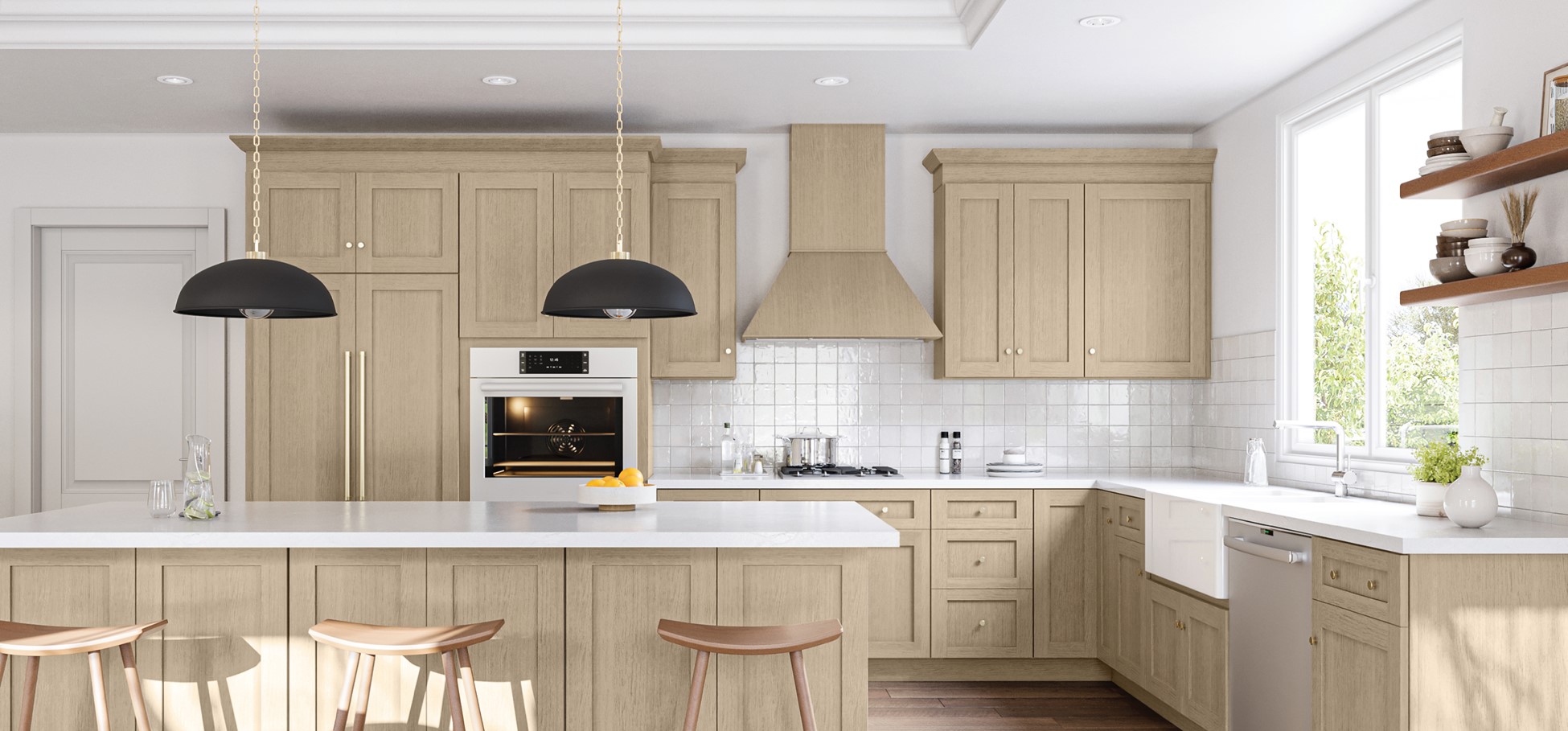
Credit: www.fabuwood.com
Expert Tips For Lasting Results
Achieve spotless kitchen cabinets with gentle soap and water. Use a soft cloth for thorough cleaning. Regular polishing keeps them looking fresh, enhancing the kitchen’s appeal.
When polishing kitchen cabinets, achieving lasting results requires the right techniques and products. Consistent care and attention help maintain your cabinets’ beauty. With expert advice, you can ensure your cabinets remain polished and vibrant. Below, discover valuable insights and product recommendations for the best results.Professional Advice
Start by cleaning the cabinets with a gentle, non-abrasive cleaner. Use a soft cloth to avoid scratches. Wipe in the direction of the wood grain. This prevents unsightly marks. After cleaning, ensure the cabinets are completely dry. Moisture can damage the wood over time. For polishing, use a quality wood polish. Apply the polish sparingly. Too much can leave a sticky residue. Buff the surface with a clean, dry cloth. This enhances the shine and protects the finish. Regular maintenance is key. Polish every few months for a consistent look.Product Recommendations
Choose a polish designed for kitchen cabinets. Products with natural oils are often best. They nourish and protect the wood. Some popular options include:- Howard Feed-N-Wax Wood Polish and Conditioner
- Murphy Oil Soap Wood Cleaner
- Pledge Revive It Restoring Oil

Credit: www.youtube.com
Frequently Asked Questions
How Do I Make My Kitchen Cabinets Shiny Again?
Clean with a mixture of vinegar and water. Wipe cabinets with a microfiber cloth. Apply wood polish for shine. Buff gently to enhance gloss. Regular maintenance prevents dullness.
What Is Good To Polish Kitchen Cabinets?
Use a mixture of olive oil and vinegar to polish kitchen cabinets. Apply gently with a soft cloth. This blend removes grime and restores shine naturally. Regular cleaning and polishing maintain cabinet beauty and durability. Ensure surfaces are dry before applying for best results.
Avoid harsh chemicals to preserve finish.
Is Murphy’s Oil Soap Good For Cleaning Wood Cabinets?
Murphy’s Oil Soap effectively cleans wood cabinets, removing dirt and grime while preserving the finish. It’s gentle and suitable for regular use, maintaining the natural beauty of wood surfaces. Always follow instructions and test on a small area first to ensure compatibility with your cabinet’s finish.
How Can I Make My Kitchen Cabinets Look New Again?
Clean cabinets with a gentle cleaner and a soft cloth. Sand and repaint or refinish for a fresh look. Replace hardware for an updated style. Apply furniture polish or wax for extra shine. Regular maintenance keeps them looking new longer.
Conclusion
Polishing kitchen cabinets can transform your space. A clean look. Simple steps. Start by dusting the surfaces. Use a gentle cleaner. Avoid harsh chemicals. Apply polish evenly. Restore shine and beauty. Take your time. Enjoy the process. Clean cabinets make a big difference.
Brighten your kitchen. Refresh the heart of your home. Regular maintenance keeps cabinets looking great. Try these tips today. Make your kitchen welcoming and clean. Your cabinets deserve the best care. A little effort brings big rewards. Keep your kitchen a comfortable place to gather.


