How to Repaint Kitchen Cabinets That are Already Painted: Expert Tips
Executive Chef & Lead Commercial Kitchen Specialist at Daily Kitchup Test Lab
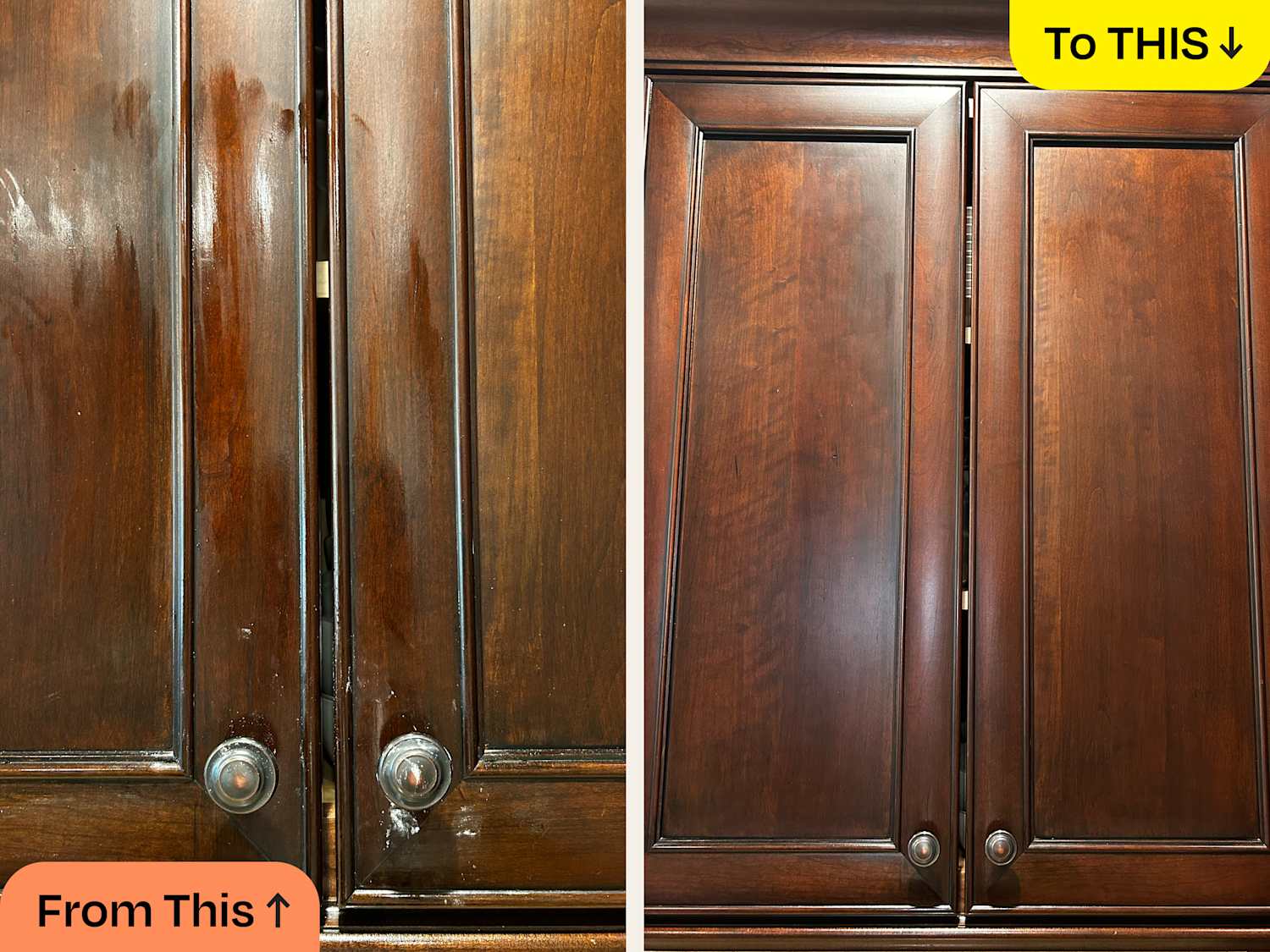
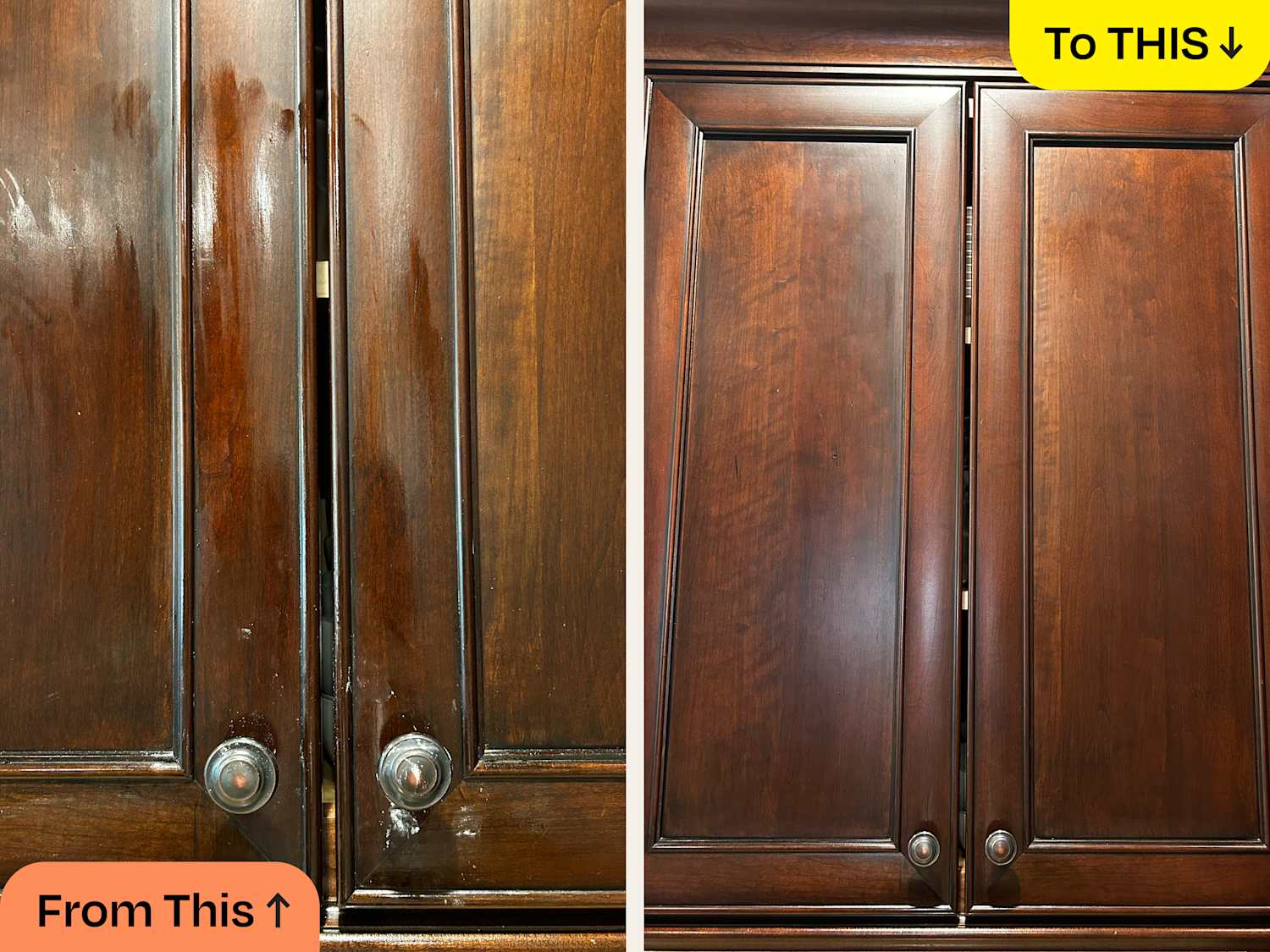
Are your kitchen cabinets looking a bit tired and dated? If they’ve already been painted once, you might think your options are limited.
But don’t worry—you can breathe new life into them without breaking the bank. Repainting kitchen cabinets is a smart, cost-effective way to transform your space. Imagine walking into a kitchen that feels fresh and welcoming every single day. It’s easier than you think, and you can do it yourself! By the end of this article, you’ll have all the know-how you need to tackle this project with confidence.
So, if you’re ready to discover how to repaint your kitchen cabinets and give your kitchen the makeover it deserves, keep reading. You’ll find out how this simple change can make a big impact on the heart of your home.
Choosing The Right Paint
Choosing the right paint for your kitchen cabinets is a crucial step that can make or break your renovation project. It’s not just about picking a color that matches your kitchen’s aesthetic; it’s also about selecting a paint type that will withstand the daily wear and tear. Let’s dive into the specifics that will help you make the best choice.
Types Of Paints
When repainting kitchen cabinets, the type of paint you choose significantly impacts the durability and finish. Here are some options:
- Latex Paint:Known for its easy application and quick drying time, latex paint is a popular choice for DIYers. However, it may not be as durable as other options.
- Oil-Based Paint:Offers a smooth, durable finish that’s resistant to chipping and staining. It’s a bit more challenging to work with due to its longer drying time and strong odor.
- Chalk Paint:Ideal for creating a vintage or distressed look. It adheres well to surfaces without extensive prep work but requires a protective topcoat.
Have you ever considered the impact of paint on the environment? Eco-friendly paints are increasingly popular and are worth considering if sustainability is important to you.
Color Selection Tips
Choosing the right color for your kitchen cabinets can be daunting. Here are some tips to guide you:
- Consider Your Kitchen’s Lighting:The lighting in your kitchen can drastically change how a color looks. Test paint samples in different lighting conditions before making a decision.
- Match with Existing Elements:Coordinate with your countertops, backsplash, and appliances to create a cohesive look.
- Reflect Your Personality:Your kitchen is an extension of you. Choose colors that reflect your personality and style.
Remember the time you chose a bold color, only to feel overwhelmed every time you entered the room? It’s essential to balance excitement with a touch of practicality.
What mood do you want your kitchen to evoke? Calm and serene? Energetic and vibrant? Your color choice sets the tone.
Preparing Cabinets For Repainting
Preparing Cabinets for Repainting Start by cleaning the cabinets thoroughly to remove dirt and grease. Sand the surfaces to ensure paint adherence.
Preparing cabinets for repainting is a crucial step that sets the stage for a flawless finish. Whether you’re aiming for a fresh look or restoring their original charm, proper preparation can make all the difference in the outcome. Before you dive into painting, make sure your cabinets are ready for a makeover by following these essential steps.Cleaning And Degreasing
Begin by thoroughly cleaning your cabinets to remove any dirt, grime, or grease that may have accumulated over time. Use a gentle cleaner mixed with warm water, or opt for a specialized degreaser for tougher stains. Ensure every nook and cranny is spotless, including edges and corners. This step is vital for paint adhesion and prevents unwanted peeling or bubbling later on.Sanding Techniques
Sanding is where you’ll truly prepare your cabinets for the new paint layer. Choose a fine-grit sandpaper to gently scuff the surfaces. This creates a slightly rough texture that helps the paint adhere better. Be methodical in your approach; a light, even sanding is more effective than aggressive scrubbing. Pay special attention to edges and detailed areas to avoid damaging the wood.Repairing Damages
Inspect your cabinets for any damages such as cracks, dents, or holes. These imperfections can be easily fixed with wood filler. Apply the filler smoothly, and allow it to dry completely. Once dried, sand the filled areas to ensure they are flush with the rest of the surface. This step not only enhances the appearance but also strengthens the cabinets. Imagine the satisfaction of seeing your cabinets transform from worn-out to wonderful. Are there areas you need to focus on more during preparation to achieve that dreamy kitchen look?Priming The Cabinets
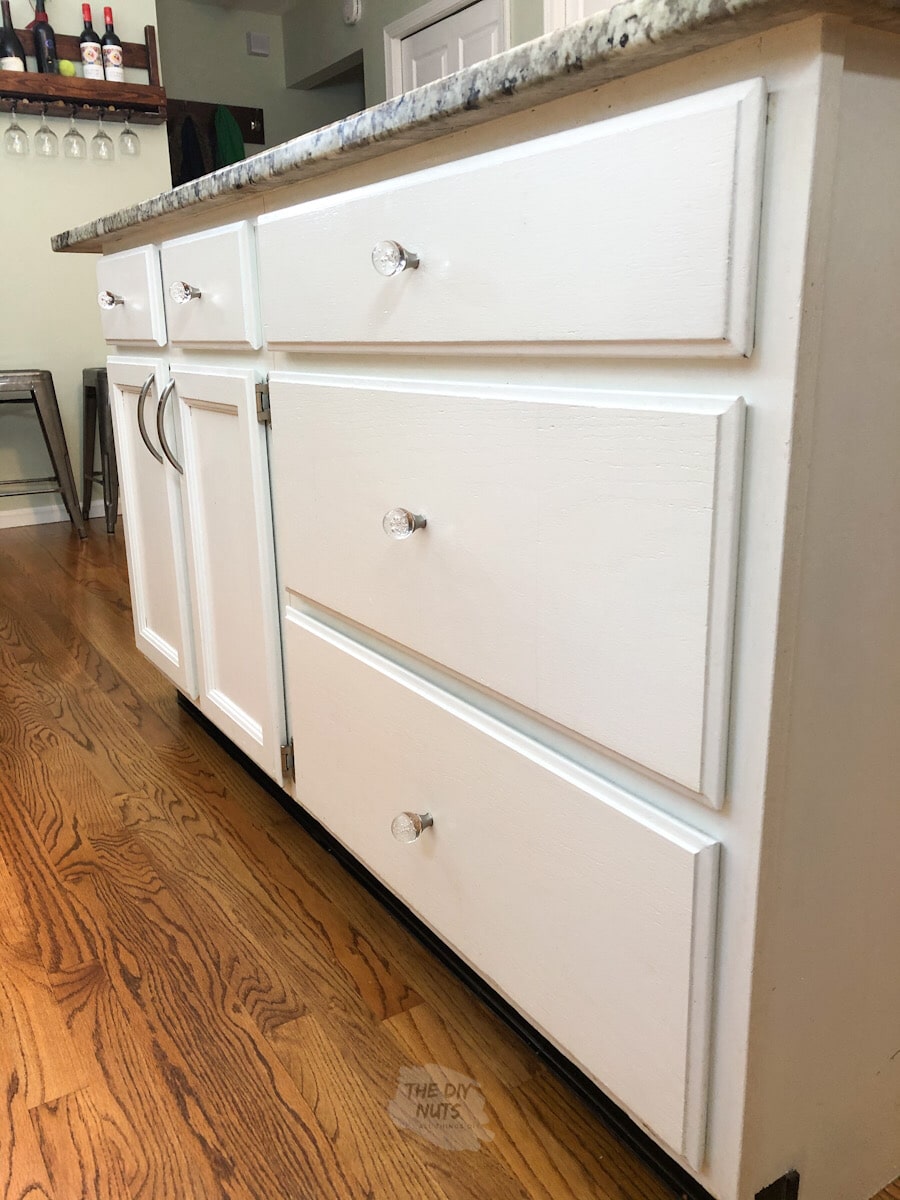
Priming kitchen cabinets ensures better paint adhesion and a smooth finish. Clean surfaces thoroughly before applying primer. Sand lightly to remove any glossy layers, helping the primer stick effectively.
Priming the kitchen cabinets is a vital step before repainting. It ensures the new paint adheres well and looks smooth. Priming blocks stains and prevents peeling, creating a durable finish. This step is key for achieving a professional look.Importance Of Primer
Primer prepares the surface for painting. It seals the cabinets and stops stains from showing through the new paint. Without it, paint may chip or peel. It also helps to cover dark colors, making it easier to achieve a fresh look. Using primer saves time and effort in the long run.Best Primers For Kitchen Cabinets
Choosing the right primer is crucial. Look for options that offer strong adhesion and stain blocking. Here are some popular choices:- Oil-based primers: Great for durability and stain blocking.
- Shellac primers: Ideal for blocking tough stains and odors.
- Water-based primers: Easy to clean and quick drying.
Credit: thediynuts.com
Applying The Paint
Apply a fresh coat of paint to your kitchen cabinets for a new look. Start by cleaning and sanding the surfaces. Choose a suitable primer and paint, then apply evenly for the best results.
Applying the paint to your kitchen cabinets is a pivotal moment in the transformation process. This is where your hard work starts to pay off, with each stroke revealing a fresh and vibrant look. It’s essential to choose the right method and technique to achieve a flawless finish that will last for years.Brush Vs. Roller Vs. Spray
Deciding between a brush, roller, or spray gun can significantly impact the final look of your cabinets. Brushes offer precision and are ideal for corners and edges, but they may leave brush marks if not applied carefully. Rollers, especially foam ones, are great for flat surfaces and provide a smooth finish with minimal effort. Spraying, while requiring more setup and protective measures, can deliver a professional, even coat. Have you considered the equipment you have at your disposal? Sometimes, a combination of these tools can yield the best results.Layering Techniques
Layering your paint is crucial for durability and aesthetics. Start with a thin, even coat to build a strong foundation. Patience is key; let each layer dry completely before applying the next. This ensures the paint adheres well and prevents peeling or bubbling. Think about this: Have you ever rushed a job only to regret it later? Taking the time to sand lightly between coats can make all the difference in achieving a smooth, professional finish. It’s these small steps that often separate amateur from expert results.Sealing And Protecting
Ensure cabinets are clean and dry before starting. Apply a quality primer to seal old paint. Use durable sealant for lasting protection.
Repainting kitchen cabinets offers a fresh look. Sealing and protecting the painted surface is crucial. It ensures durability and maintains the finish. Without proper sealing, the paint may chip or fade over time. This section explores types of sealants and offers application tips.Types Of Sealants
Various sealants can protect painted cabinets. Polyurethane is popular for its durability. It resists scratches and stains well. Acrylic sealants are water-based and dry quickly. They provide a clear finish and are easy to clean. Shellac offers a glossy finish but is less durable. It is best for decorative purposes. Each type has unique benefits. Choose based on your needs and preferences.Application Tips
Proper application ensures effective sealing. Clean the cabinets thoroughly before applying. Remove dust and grease with a damp cloth. Use a brush or roller for even coverage. Apply thin layers for a smooth finish. Allow each coat to dry completely. Follow product instructions for drying times. Ventilate the area to speed up drying. Consider multiple coats for added protection.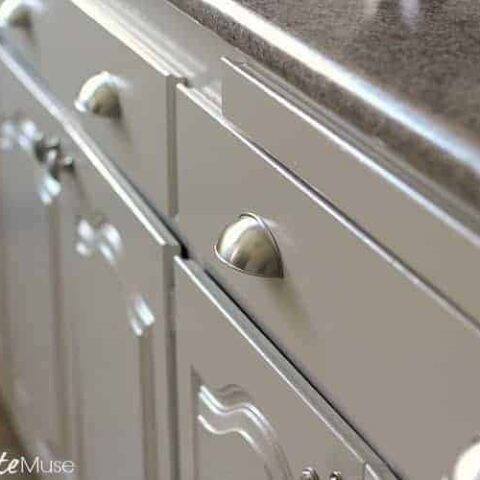
Credit: thepalettemuse.com
Common Mistakes To Avoid
Skipping proper surface preparation leads to poor paint adhesion. Using incompatible paint types causes flaking and peeling. Ignoring drying times results in uneven finishes.
Repainting kitchen cabinets that are already painted can breathe new life into your kitchen, but it’s not as simple as slapping on a fresh coat. There are some common mistakes that can turn your cabinet makeover into a frustrating ordeal. Avoid these pitfalls to ensure a smooth and satisfying transformation.Improper Surface Preparation
Before you dive into painting, make sure the surface is thoroughly cleaned and sanded. Any lingering grease or dirt can prevent the paint from adhering properly. Skipping this step can lead to peeling and uneven texture, making your cabinets look worse than before.Using The Wrong Type Of Paint
Not all paints are created equal. Choosing the wrong type can result in chips and scratches. Opt for a high-quality paint that’s designed for cabinets, offering durability and easy cleaning. Ask yourself: Is the paint you’re considering able to withstand daily wear and tear?Skipping Primer
Primer is your best friend when repainting cabinets. It helps paint stick to surfaces and provides a uniform finish. Without it, you risk an uneven color and texture. This simple step can save you from a patchy appearance down the road.Ignoring Hardware And Hinges
Removing hardware and hinges might seem tedious, but painting around them can lead to messy edges and drips. Take the time to remove them for a cleaner finish. Consider labeling them to make reassembly quicker and easier.Rushing Between Coats
Patience is key. Allow each coat to dry fully before applying the next. This prevents smudging and uneven layers. Remember, the more rushed you are, the more likely you’ll face touch-ups later.Neglecting Ventilation
Paint fumes can be overpowering and harmful. Ensure your workspace is well-ventilated to protect your health and ensure the paint cures properly. Open windows or use fans to circulate air—your lungs will thank you.Overlooking Final Touches
Once your cabinets are painted, take a moment to assess the final look. Small touch-ups can make a big difference. Check for any uneven spots or missed areas before calling the project complete.Maintaining Repainted Cabinets
Refreshing painted cabinets requires gentle cleaning to avoid damage. Use a mild detergent and soft cloth for regular maintenance. Ensure surfaces are completely dry to prevent moisture buildup, preserving the fresh look of your kitchen cabinetry.
Maintaining repainted kitchen cabinets is essential to keep them looking fresh and vibrant. Once you’ve successfully repainted your cabinets, the journey doesn’t end there. You need to ensure they remain as stunning as the day you finished painting them. This involves regular cleaning and timely touch-ups, both of which can significantly extend the life and appearance of your cabinets. But how do you go about maintaining them without damaging the new paint job?Cleaning Tips
Regular cleaning is key to keeping your repainted cabinets looking new. Use a soft, damp cloth to wipe down the surfaces weekly. Avoid abrasive cleaners and scrubbers that can scratch or dull the paint. For stubborn stains, mix a solution of mild dish soap and water, gently applying it with a non-abrasive sponge. Test the solution on a small area first to ensure it doesn’t affect the paint. Consider using a microfiber cloth for dusting to prevent any scratches. Keeping the cabinets free from dust and grime will help maintain their shine and luster.Touch-up Advice
Even with the best care, chips and scratches can happen. Keeping a small can of the paint used for your cabinets is a smart move. This way, you can quickly address any minor damage. Use a fine brush for touch-ups to ensure a smooth finish. Before applying paint, gently sand the area to even out the surface. If a cabinet door seems beyond touch-up, consider repainting the entire door. This ensures uniformity and prevents mismatched patches. Would you rather have a slightly imperfect cabinet or the pristine look of a freshly touched-up surface?
Credit: www.kitchensredefined.com
Frequently Asked Questions
Can I Paint Over My Already Painted Kitchen Cabinets?
Yes, you can paint over already painted kitchen cabinets. Clean and sand them first for better adhesion. Use a high-quality primer and paint suitable for cabinets. Apply thin, even coats for a smooth finish. Ensure proper drying time between coats to achieve the best results.
Do I Need To Sand My Painted Cabinets Before Repainting?
Yes, sanding painted cabinets before repainting is essential. It helps the new paint adhere better. Lightly sand the surface to remove gloss and imperfections. Use fine-grit sandpaper for best results. Proper preparation ensures a smoother, longer-lasting finish on your cabinets.
Can You Just Paint Over Cabinets Without Sanding?
Yes, you can paint over cabinets without sanding. Use a good quality primer to ensure proper adhesion. Clean the surfaces thoroughly before applying the primer. This method saves time and effort, providing a fresh look to your cabinets.
Should I Strip Old Paint Before Repainting Cabinets?
Stripping old paint isn’t always necessary for repainting cabinets. Clean, sand, and prime them instead. If paint peels, strip it. This ensures a smooth, durable finish. Always remove loose paint for the best results. Prepping properly enhances adhesion and longevity.
Consider cabinet material and paint type when deciding.
Conclusion
Repainting kitchen cabinets can refresh your space. Follow simple steps for success. Clean the surface thoroughly. Sand for better paint adhesion. Choose quality paint for durability. Apply primer for a smooth finish. Paint with steady strokes. Let each coat dry completely.
Add a sealer for extra protection. Enjoy your kitchen’s new look. It’s easy with patience and care. Save money by doing it yourself. Create a space that feels new. Make cooking more enjoyable. Enhance your kitchen’s style with fresh colors.
A rewarding project for any homeowner.

Similar Posts