Is Dolomite Good for Kitchen Countertops: Pros & Cons
When it comes to choosing the perfect material for your kitchen countertops, the options can feel overwhelming. You’ve likely heard of granite, marble, and quartz, but have you considered dolomite?
This stunning natural stone is gaining popularity for its unique beauty and remarkable qualities. But is dolomite the right choice for your kitchen? You deserve a countertop that not only looks beautiful but also stands up to the hustle and bustle of your everyday life.
Dive into this article to discover if dolomite could be the ideal fit for your kitchen, balancing aesthetics with practicality. With the right insights, making the best choice for your home becomes a breeze. So, are you ready to find out if dolomite is the hidden gem you’ve been searching for?

Credit: www.reddit.com
Dolomite Characteristics
Dolomite offers a stylish and durable option for kitchen countertops. Its unique composition provides a beautiful, natural look. This stone is slightly softer than granite but more resistant to scratches than marble.
Dolomite is increasingly becoming a popular choice for kitchen countertops due to its unique characteristics. This versatile material offers a blend of durability and beauty that can enhance any kitchen space. But what exactly makes dolomite stand out as a countertop option?Composition And Structure
Dolomite is a natural stone composed primarily of calcium magnesium carbonate. This composition makes it harder than marble yet softer than granite, striking a balance between durability and workability. Its crystalline structure offers resistance to scratches and heat, making it practical for busy kitchens. You won’t have to stress over hot pots or the occasional dropped utensil leaving lasting marks.Visual Appeal And Aesthetic Qualities
One of dolomite’s standout features is its aesthetic versatility. It often comes in shades of white and gray, with subtle veining that can complement various kitchen styles from modern to rustic. Its clean and sophisticated look can brighten your kitchen space, adding an elegant touch. Imagine preparing meals on a countertop that not only serves its purpose but also enhances the room’s visual appeal. Wouldn’t that make cooking more enjoyable? Ultimately, choosing dolomite for your kitchen countertops offers both practical benefits and aesthetic value, making it a worthy consideration for your home.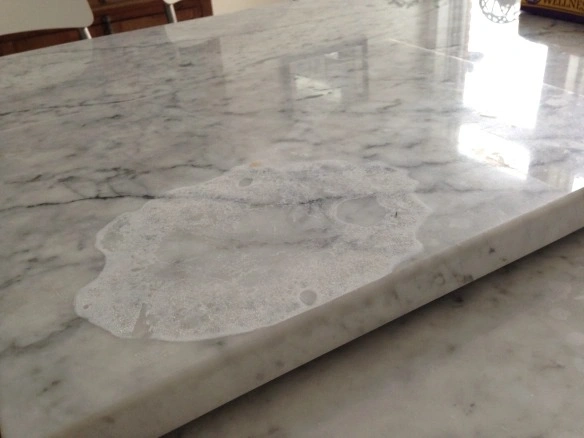
Credit: superiorgranite.com
Advantages Of Dolomite Countertops
Choosing the right material for kitchen countertops is essential. Dolomite countertops offer numerous advantages, making them a popular choice. They combine aesthetics with functionality, suiting various kitchen styles. Let’s explore the benefits that make dolomite an attractive option for your kitchen.
Durability And Hardness
Dolomite stands out for its impressive durability. It’s harder than marble, meaning fewer scratches and dents. This makes it ideal for busy kitchens. Its resistance to wear ensures a long-lasting surface. Dolomite’s strength provides peace of mind for homeowners.
Heat Resistance
Dolomite countertops handle heat well. You can place hot pans directly on the surface. This feature is perfect for avid cooks. Dolomite’s heat resistance means less worry about heat damage. This quality makes it both practical and reliable.
Cost-effectiveness
Dolomite is a cost-effective alternative to marble. It offers similar aesthetics at a lower price. This makes it accessible for budget-conscious homeowners. Dolomite combines elegance with affordability. Investing in dolomite provides value for money.
Unique Appearance
Dolomite offers a unique and elegant appearance. Its natural patterns and colors add beauty to any kitchen. Each slab is distinct, providing a custom look. Dolomite’s subtle tones complement various kitchen designs. Its timeless look enhances kitchen aesthetics.
Drawbacks Of Dolomite Countertops
Dolomite countertops offer a natural and elegant look. Despite their beauty, they come with some drawbacks. Knowing these can help in making an informed decision.
Susceptibility To Scratches
Dolomite is softer than granite. This makes it prone to scratches. Daily activities in the kitchen can lead to noticeable wear. Using cutting boards and avoiding sharp objects helps. Regular care can maintain its appearance.
Maintenance Requirements
Dolomite needs regular sealing. This protects it from damage and keeps it looking fresh. Without sealing, it may lose its shine. Cleaning with mild soap and water is advisable. Avoid harsh chemicals as they can cause harm.
Potential Staining Issues
Dolomite is porous. This makes it vulnerable to stains. Spilled wine or juice can leave marks. Wiping spills quickly is crucial. Sealing reduces the risk but doesn’t eliminate it. Regular maintenance is key to a spotless surface.
Comparing Dolomite To Other Materials
Choosing the right material for your kitchen countertops can dramatically affect the aesthetics and functionality of your space. Dolomite, a lesser-known option, offers unique benefits and characteristics that stand out when compared to other popular materials. Let’s dive into how dolomite measures up against granite, marble, and quartz.
Dolomite Vs. Granite
Granite is often celebrated for its durability and wide range of colors. It’s a popular choice for many homeowners looking for a sturdy option. However, dolomite presents a compelling alternative. While both are natural stones, dolomite tends to be more resistant to scratches. If you’ve ever cringed at the thought of a knife slipping off the cutting board, dolomite might save you some anxiety.
Granite can be more expensive due to its widespread demand. Dolomite, being less mainstream, might offer similar aesthetic appeal with a potentially lower price tag. Have you ever considered the subtle savings in choosing something less conventional?
Dolomite Vs. Marble
Marble is synonymous with luxury, but its softness makes it susceptible to scratches and stains. Dolomite bridges the gap between elegance and practicality. It provides a marble-like look without the fragility. If you’re someone who loves to host dinner parties, dolomite might offer peace of mind with its increased durability.
One notable difference is maintenance. Marble requires more frequent sealing to prevent damage, whereas dolomite’s composition makes it less porous. Imagine the time you could save on upkeep, allowing you to focus more on creating culinary masterpieces.
Dolomite Vs. Quartz
Quartz is engineered, combining natural stone with resins. It’s known for uniformity and non-porous nature. Dolomite, on the other hand, offers a natural stone feel, which some homeowners prefer for its authenticity. If you value the unique patterns and textures of natural stone, dolomite might speak to your design sensibilities.
While quartz is easier to maintain, dolomite’s resistance to heat is a significant advantage. Ever placed a hot pan on your counter only to worry about potential damage? Dolomite’s heat resistance could alleviate this concern, allowing you to cook freely without the constant fear of countertop mishaps.
Tips For Choosing Dolomite
Choosing dolomite for kitchen countertops can be wise due to its durability and elegant appearance. It offers a subtle, natural look while being less expensive than marble. Proper sealing can enhance its resistance to scratches and stains, making it a practical option for busy kitchens.
Choosing the perfect countertop material for your kitchen is a decision that can impact both functionality and aesthetics. Dolomite, with its natural beauty and durability, is an attractive option. To ensure it fits seamlessly into your kitchen, consider these essential tips.Evaluating Kitchen Needs
Before diving into material specifics, understand what your kitchen demands. Do you cook frequently, or is your kitchen more of a showpiece? If your space sees a lot of action, durability will be key. Dolomite offers a good balance between hardness and beauty. It’s less prone to scratches compared to marble but still softer than granite. Think about how you use your kitchen daily and how dolomite can cater to those needs.Selecting The Right Finish
The finish of your dolomite countertop can dramatically affect its look and feel. Polished finishes provide a glossy, reflective surface, perfect for modern kitchens that crave a touch of elegance. If you prefer a more subdued, rustic appearance, a honed finish might be ideal. Consider how much maintenance you’re willing to undertake. Polished surfaces might highlight fingerprints and smudges, while honed finishes are more forgiving. Test a few samples in your kitchen’s lighting to see which finish complements your style.Caring For Dolomite Surfaces
Maintaining dolomite is straightforward but requires consistency. Regular cleaning with mild soap and water keeps it looking pristine. Avoid harsh chemicals that might damage the stone’s surface. Sealing your dolomite countertops periodically enhances their resistance to stains and spills. How often should you seal? That depends on your usage. High-traffic kitchens might need annual sealing, while others can go longer. Keep an eye on its condition, and don’t hesitate to reseal if you notice any dullness. Making dolomite work for your kitchen is about understanding both your needs and the stone’s characteristics. How will you make dolomite work for you?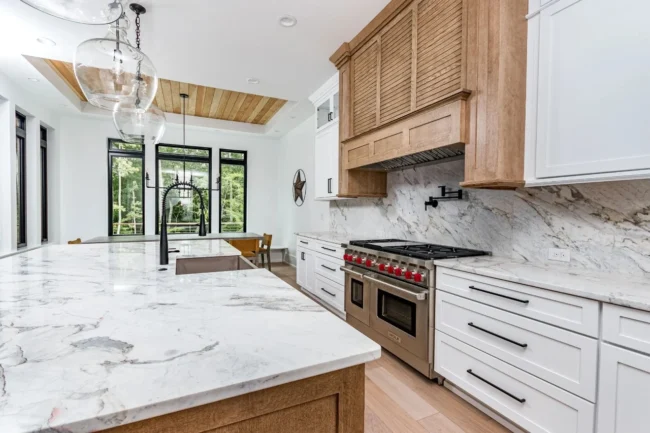
Credit: superiorgranite.com
Frequently Asked Questions
What Are The Pros And Cons Of Dolomite Countertops?
Dolomite countertops offer durability, heat resistance, and a unique aesthetic. They are less expensive than marble. However, they can scratch and stain more easily than granite. Regular sealing and maintenance are necessary to preserve their appearance. They provide a stylish option for those seeking a blend of beauty and functionality.
Can You Put A Hot Pan On Dolomite?
Avoid placing a hot pan directly on dolomite surfaces. Heat can cause damage or discoloration. Use a trivet or heat-resistant pad to protect the surface. This ensures the longevity and appearance of your dolomite countertops. Protecting dolomite from direct heat helps maintain its aesthetic appeal and durability.
Which Is Better, Dolomite Or Quartz?
Dolomite and quartz serve different purposes. Dolomite is better for agriculture and construction. Quartz excels in electronics and jewelry. Choose based on your specific needs and project requirements. Both minerals have unique qualities and benefits, making them valuable in various industries.
Is Dolomite Less Expensive Than Granite?
Dolomite is generally less expensive than granite. Pricing can vary based on quality, origin, and availability. Granite is usually more costly due to its durability and aesthetic appeal. Choosing between them depends on budget and design preference. Always compare prices from multiple suppliers to get the best deal.
Conclusion
Dolomite countertops offer unique beauty and durability. They stand out in any kitchen. Their natural look enhances your home’s style. Dolomite resists scratches and heat. It’s a smart choice for busy kitchens. Yet, dolomite needs regular care. Proper sealing helps maintain its shine.
Consider your lifestyle and budget before deciding. Dolomite suits those who love a natural stone feel. Its elegance and strength make it a worthy option. With care, dolomite adds lasting value. Choose wisely for a kitchen you’ll love.