Are you planning a kitchen remodel or simply curious about how to maximize your space efficiently? Understanding standard kitchen cabinet heights is crucial for both functionality and aesthetics.
Imagine having cabinets that are just the right height, making your cooking experience smoother and more enjoyable. But what exactly are these standard heights, and why do they matter to you? By the end of this article, you’ll have a clear picture of how these measurements can transform your kitchen into a practical and stylish haven.
Let’s dive in to discover how the right cabinet heights can make all the difference in your daily life.

Credit: www.aol.com
Standard Base Cabinet Heights
Standard base cabinet heights play a crucial role in kitchen design. They ensure functionality and comfort during everyday tasks. Knowing the standard dimensions helps in planning your kitchen layout effectively.
Dimensions And Specifications
Base cabinets typically measure 34 1/2 inches in height. This height accommodates most users comfortably. The depth of these cabinets usually ranges from 24 to 30 inches. This depth provides ample storage for pots and pans. Width varies, with options from 12 to 48 inches. These sizes cater to different kitchen layouts and storage needs.
Considerations For Countertops
Countertops add extra height to base cabinets. Standard countertop thickness is between 1 1/2 to 2 inches. This results in a final working height of about 36 inches. This height suits most adults for cooking and preparation tasks. Always consider the height of appliances like dishwashers. Ensure they fit comfortably under the countertops.
Wall Cabinet Heights
Choosing the right height for your kitchen wall cabinets can dramatically impact both the functionality and aesthetics of your kitchen. Wall cabinets are essential for maximizing storage space and keeping your kitchen organized. Whether you’re remodeling or setting up a new kitchen, understanding standard wall cabinet heights is crucial for creating a space that’s both beautiful and efficient.
Common Measurements
Standard wall cabinet heights often vary, but the most common measurements are 30, 36, and 42 inches. Each size serves a different purpose and fits various ceiling heights.
For kitchens with 8-foot ceilings, 30-inch cabinets often leave space above for decorative items or additional storage. In contrast, 36-inch cabinets extend closer to the ceiling, offering more storage while maintaining a small gap for crown molding.
42-inch cabinets are ideal for kitchens with higher ceilings, providing the most storage space by reaching all the way up. Consider what fits your lifestyle and kitchen layout before deciding.
Factors Influencing Wall Cabinet Placement
The placement of your wall cabinets isn’t just about height; it’s also about how they integrate with your kitchen’s design. Consider the height of the people using the kitchen. You want your cabinets to be accessible without a step stool.
Appliance placement can also dictate cabinet height. For example, cabinets above a refrigerator might be higher than those above the sink for aesthetic balance.
Additionally, think about your storage needs. If you frequently use large kitchen gadgets, you might prefer higher cabinets for easier storage. Reflect on what you store and how often you access it.
Have you considered how these choices affect your daily kitchen routine? Share your thoughts and experiences in the comments below!
Tall Cabinet Heights
Standard kitchen cabinets typically range from 84 to 96 inches in height. These measurements offer ample storage space while maintaining an accessible reach for most users.
Tall kitchen cabinets, often referred to as pantry or utility cabinets, serve as towering storage solutions that can transform your kitchen into an organized haven. These cabinets are not just about height; they’re about maximizing space in a clever and efficient manner. Imagine having all your baking essentials, canned goods, or cleaning supplies neatly stored in one accessible place. So, how tall are these cabinets really? Let’s dive into their uses and standard height options.Uses Of Tall Cabinets
Tall cabinets offer a versatile storage space that can cater to a variety of needs. You can use them to store non-perishable food items, large cooking equipment like slow cookers, or even cleaning supplies. Their vertical nature allows you to stack items that would otherwise clutter your kitchen. This means less clutter and more room for creativity in your cooking space. Are you someone who enjoys meal prepping? Tall cabinets can be your best friend by organizing your ingredients, making each cooking session efficient and enjoyable.Standard Height Options
The standard height for tall kitchen cabinets typically ranges from 84 to 96 inches. This height ensures that the cabinets reach up to the ceiling, providing ample storage without overwhelming the kitchen space. Some homeowners prefer cabinets that are 90 inches tall, striking a balance between accessibility and storage capacity. Consider your kitchen’s layout and your personal reach when deciding the height. Would you need a step stool for the top shelves, or would you prefer everything within arm’s reach?
Credit: www.designcafe.com
Customizing Cabinet Heights
Customizing kitchen cabinet heights allows for a personalized cooking space. Standard heights often don’t fit everyone’s needs or preferences. With customization, you can create a more functional and comfortable kitchen. This involves adjusting cabinets to better suit individual requirements.
Adapting For Accessibility
Accessibility is vital in kitchen design. Standard cabinet heights may be challenging for wheelchair users or those with limited mobility. Customizing cabinet heights can make tasks easier. Lowering cabinets ensures everything is within reach. This adjustment enhances independence in the kitchen.
Tailoring To Personal Preferences
Everyone has different cooking habits and storage needs. Some prefer higher cabinets for extra storage space. Others want lower cabinets for easier access. Tailoring cabinet heights can also reflect aesthetic preferences. You can choose a height that complements your design style. Customization allows flexibility in kitchen layout and functionality.
Impact On Kitchen Design
Standard kitchen cabinet heights influence functionality and aesthetics. They ensure easy access and maximize storage efficiency. Proper heights can enhance the flow and usability of the kitchen space.
Understanding the impact of standard kitchen cabinet heights on your kitchen design is crucial. Cabinet heights can dramatically alter the look and feel of your space. They influence both the aesthetic appeal and the functionality of your kitchen.Aesthetic Considerations
The height of your kitchen cabinets can set the tone for the entire room. Taller cabinets create an illusion of a higher ceiling, making your kitchen feel more spacious. On the other hand, shorter cabinets can make the room appear cozier and more intimate. Consider the visual balance between your cabinets and other elements like countertops and appliances. The right height can enhance the flow and symmetry of your kitchen. This balance can be particularly important if your kitchen connects to an open-plan living area.Functional Implications
Cabinet height plays a pivotal role in how you use your kitchen. If cabinets are too high, accessing stored items becomes a challenge, especially for those who are shorter or have mobility issues. Conversely, cabinets that are too low might not utilize vertical space efficiently, limiting your storage options. Think about how you use your kitchen daily. Are there items you frequently use that need to be within easy reach? The right cabinet height can make your kitchen more user-friendly and reduce the time spent reaching for essentials. Another consideration is how cabinet height affects the installation of appliances like microwaves or range hoods. Ensuring these elements align well with your cabinets can enhance both functionality and safety. Consider these aspects to create a kitchen that not only looks great but works seamlessly for you.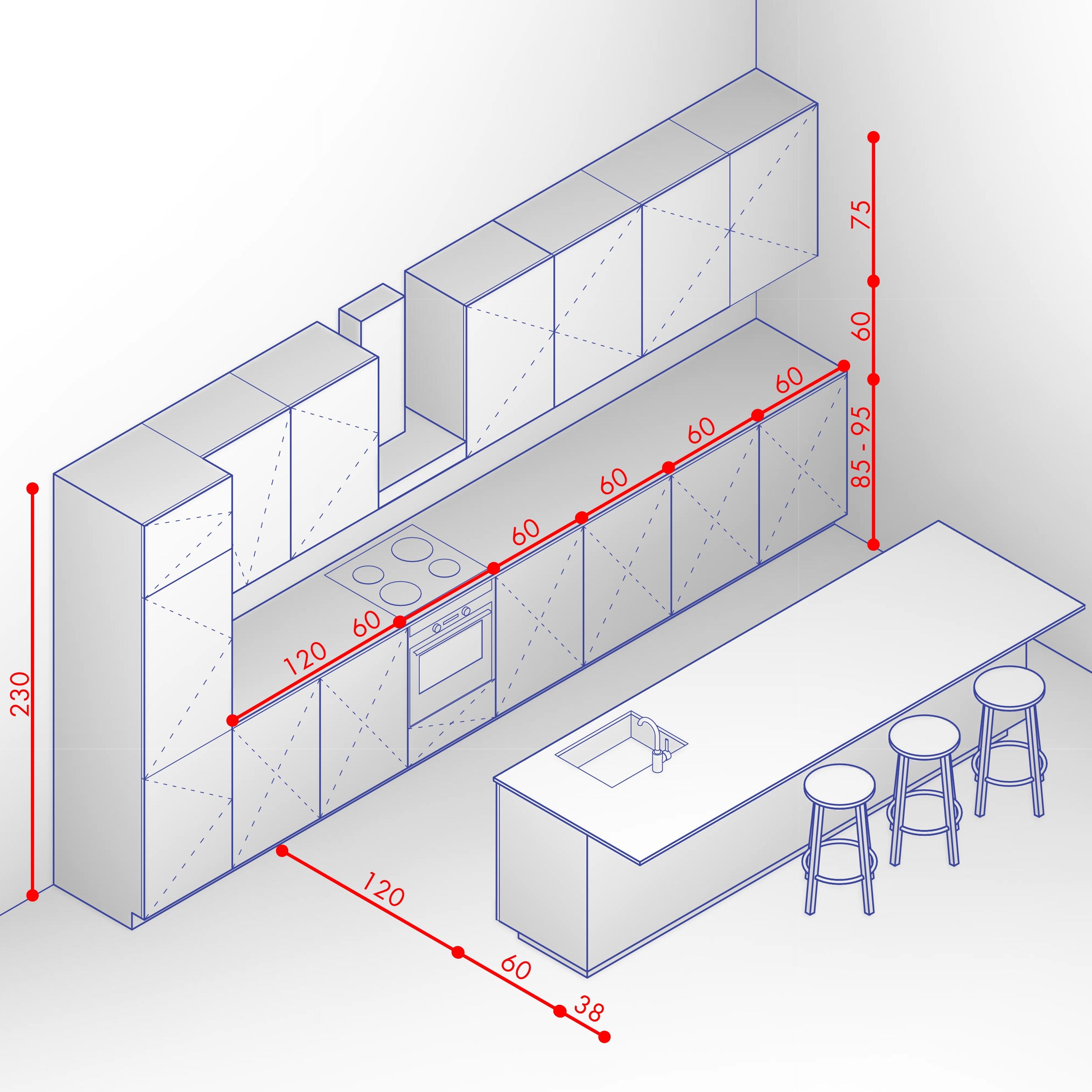
Credit: postdigitalarchitecture.com
Professional Recommendations
Standard kitchen cabinets typically measure 34. 5 inches in height, providing a comfortable working surface. This height ensures easy access and ergonomic functionality for most users.
When considering the ideal height for your kitchen cabinets, professional recommendations can provide valuable guidance. These insights stem from years of experience in designing functional and aesthetically pleasing kitchen spaces. Whether you’re planning a renovation or building a new kitchen, understanding these recommendations can help you make informed decisions.Advice From Kitchen Designers
Kitchen designers often suggest that the standard height for wall cabinets is between 54 and 60 inches from the floor. This height allows for easy access while keeping the cabinets visually aligned with other kitchen elements. Designers emphasize the importance of considering your own height and accessibility needs. Imagine reaching for a spice jar during a busy cooking session. If your cabinets are too high, you might struggle. Designers recommend adjusting the height slightly if you are taller or shorter than average. Always prioritize your comfort and convenience.Trends In Cabinet Height Choices
Current trends reflect a shift towards customization based on personal preferences and lifestyle needs. Some homeowners are opting for slightly lower cabinet heights, around 48 inches, to accommodate open shelving above or to create a more spacious feel. Are you someone who loves displaying beautiful dishware or plants? Lower cabinets can provide a perfect spot for such displays, making your kitchen a reflection of your personality. Alternatively, higher cabinets can offer more storage, which is beneficial for small kitchens. Consider your daily kitchen activities. Do you often have guests or family helping out? Ensure your cabinet heights make it easy for others to lend a hand without straining. These decisions can significantly impact your kitchen’s functionality and overall enjoyment.Frequently Asked Questions
What Is The Ideal Height For Kitchen Cabinets?
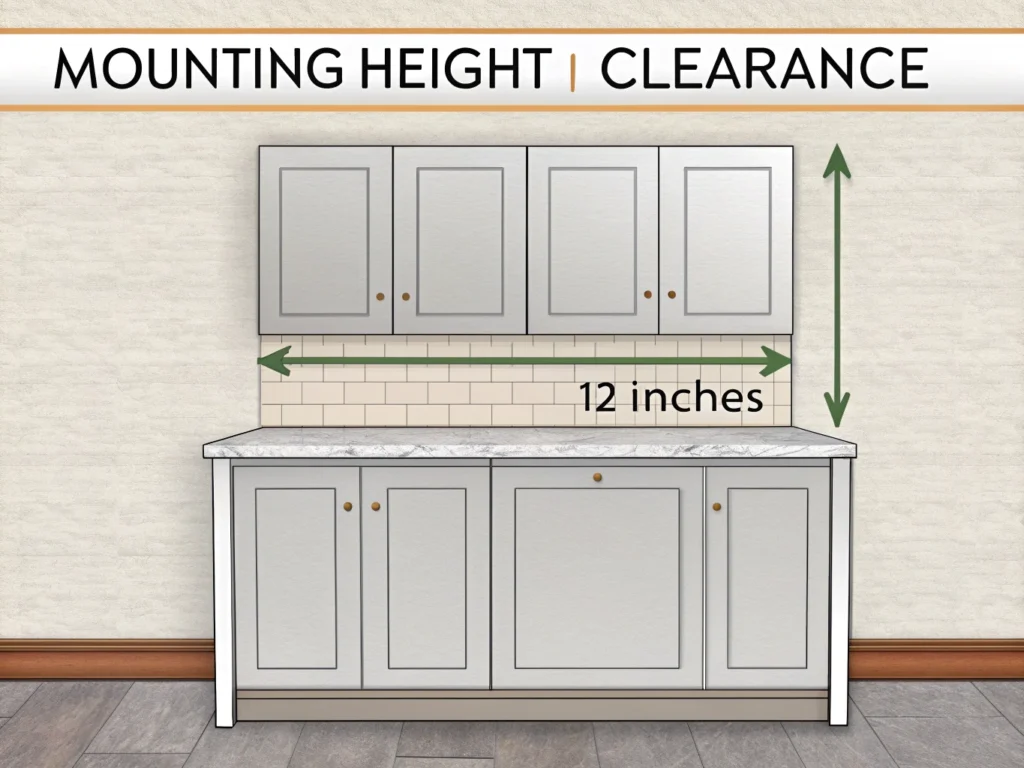
The ideal height for kitchen cabinets is 54 inches from the floor to the bottom of the upper cabinets. This allows for a standard 18-inch backsplash and a 36-inch countertop height. Adjustments can be made based on personal preference or ceiling height.
Are 42-inch Cabinets Too Tall?
42-inch cabinets are ideal for kitchens with high ceilings. They provide ample storage and a streamlined look. For standard ceilings, they might feel overwhelming. Consider your kitchen’s height and design before choosing.
What Are The Standard Sizes For Kitchen Cabinets?
Standard kitchen cabinets typically measure 34. 5 inches tall and 24 inches deep. Wall cabinets often range from 12 to 42 inches tall. Widths vary from 12 to 48 inches. These dimensions fit most kitchen layouts, ensuring functionality and storage efficiency.
Adjust sizes for custom designs or specific needs.
How Tall Should Kitchen Cabinets Be With A 9 Foot Ceiling?
Kitchen cabinets with a 9-foot ceiling should ideally be 42 inches tall. This height maximizes storage and maintains balance. Ensure upper cabinet tops reach the ceiling for a seamless look. Consider crown molding for added elegance and style.
Conclusion
Standard kitchen cabinet heights are crucial in design. They ensure comfort and functionality. Most cabinets range between 30 to 42 inches high. This height suits most people. It allows easy access to items. Choosing the right cabinet height depends on your space needs.
Consider your kitchen layout and personal preferences. Think about storage and accessibility. Proper cabinet height enhances kitchen efficiency. It creates a pleasant cooking experience. So, measure carefully and plan wisely. Your kitchen will thank you.