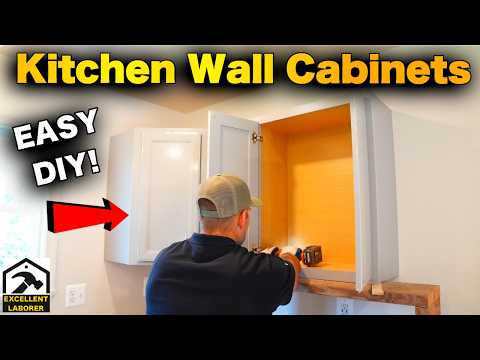
What are Standard Size Kitchen Cabinets: Essential Guide
Are you planning to revamp your kitchen or simply curious about the dimensions that make up the heart of your home? Understanding standard size kitchen cabinets is crucial for any kitchen project.
These cabinets are not just a necessity; they dictate the flow, function, and feel of your cooking space. Imagine having cabinets that perfectly fit your kitchen layout, making every square inch count without the headache of custom designs. This knowledge can save you time, money, and countless trips to the hardware store.
By the end of this article, you’ll have a clear picture of the sizes you need, ensuring your kitchen is both practical and stylish. Let’s dive into the essentials that will transform your kitchen into a well-organized and efficient haven.
Credit: oscarsurfaces.com
Types Of Kitchen Cabinets
Standard size kitchen cabinets offer a practical and cost-effective solution. They come in various styles and dimensions. These cabinets fit most kitchens, providing ample storage space and easy installation.
When designing or remodeling a kitchen, understanding the types of kitchen cabinets is crucial. Cabinets are the backbone of your kitchen’s functionality and aesthetics. They not only store your essentials but also define the space’s style and flow. Let’s explore the different types of standard size kitchen cabinets, each serving unique purposes and contributing to the overall design.Base Cabinets
Base cabinets are the workhorses of the kitchen. They sit directly on the floor, providing support for countertops. Typically 24 inches deep, they offer ample storage for heavy pots, pans, and appliances. These cabinets can include drawers for utensils or pull-out shelves for easy access to large items. Personalize your kitchen by integrating features like lazy Susans for corner cabinets or hidden trash bins. Have you ever struggled to find a pan buried deep in a cabinet? Base cabinets with pull-out shelves can change your cooking experience by making everything accessible.Wall Cabinets
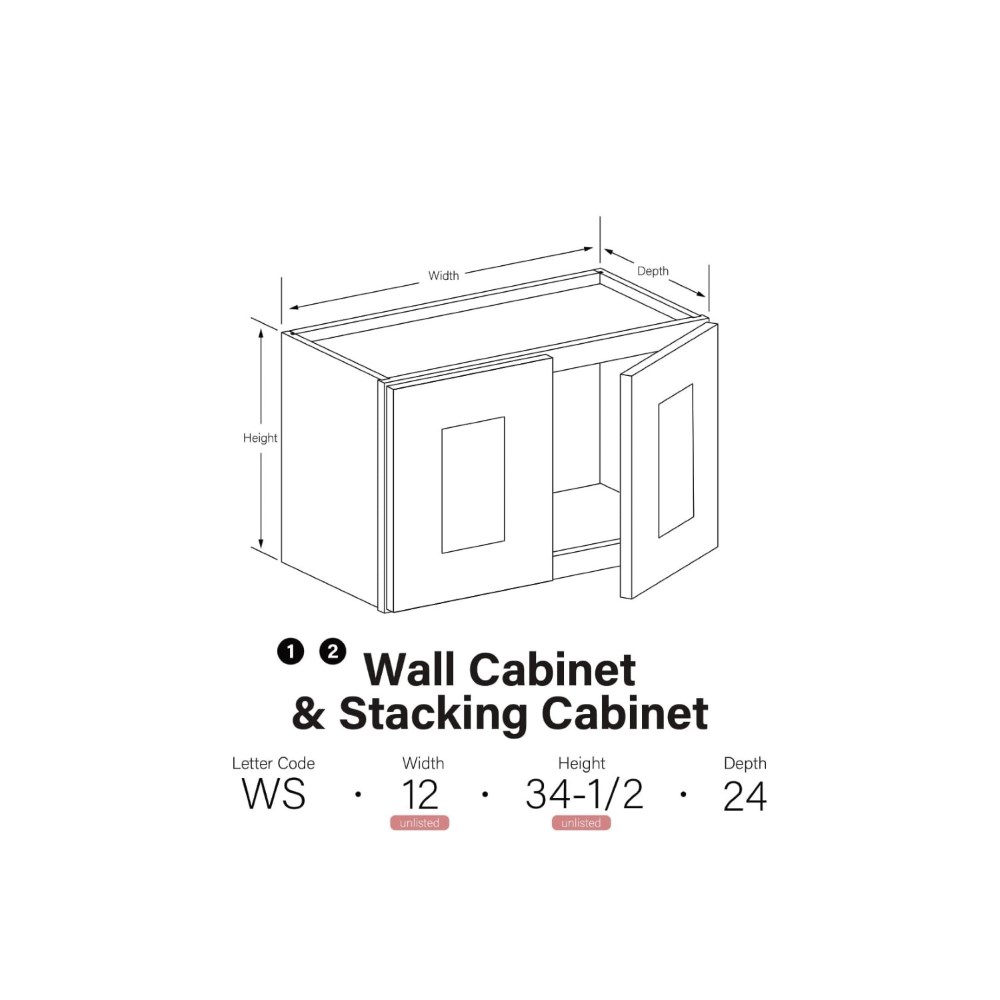
Wall cabinets are mounted on the wall above the countertops. Usually 12 inches deep, they are perfect for storing dishes, glasses, and spices. These cabinets help maximize vertical space, freeing up room for other kitchen essentials. You can opt for glass doors to showcase your beautiful dishware or open shelves for a modern look. Imagine reaching for a cup of coffee without rummaging through cluttered cupboards—wall cabinets can streamline your morning routine. Consider your height when installing them, ensuring they are comfortably within reach.Tall Cabinets
Tall cabinets, often referred to as pantry cabinets, extend from floor to ceiling. They offer significant storage space for pantry items, cleaning supplies, or small appliances. These cabinets can be as narrow as 12 inches or as wide as 36 inches, providing flexibility in placement. Tall cabinets can serve as a centralized storage hub, keeping your kitchen organized and efficient. Do you wish your kitchen had more storage without sacrificing space? Tall cabinets might be the solution, fitting seamlessly into tight corners or next to your refrigerator. Choosing the right type of cabinet can transform your kitchen into a functional, stylish space. As you plan your kitchen layout, consider how each type of cabinet will meet your needs and enhance your daily life.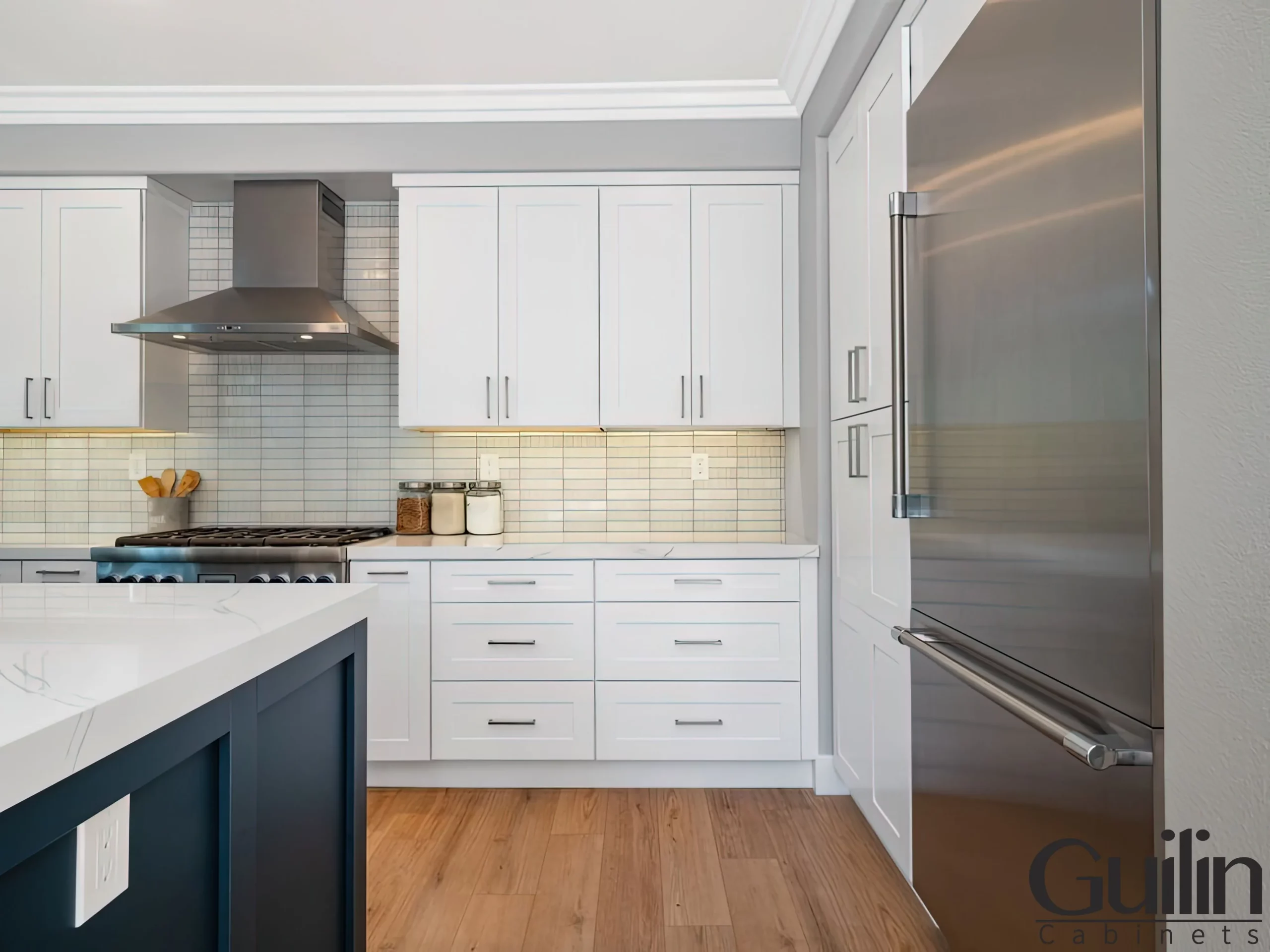
Credit: pelicancr.com
Base Cabinet Dimensions
Standard size kitchen cabinets offer consistent dimensions for easy installation and design. Base cabinets typically stand 34. 5 inches tall and are 24 inches deep. These dimensions accommodate most kitchen layouts and provide ample storage space.
Understanding the dimensions of base cabinets is crucial when planning your kitchen space. These cabinets form the foundation of your kitchen layout, influencing not only storage but also the overall aesthetics. A well-organized kitchen starts with the right base cabinet dimensions, ensuring both functionality and style.Standard Height
The standard height for base cabinets is typically 34.5 inches from the floor to the top of the cabinet. This height allows for a comfortable working space when a countertop is added, bringing the total height to around 36 inches. This setup is ideal for most people, providing an ergonomic work surface for cooking and other kitchen tasks.Standard Width
Base cabinets come in a variety of widths, typically ranging from 9 to 48 inches. Most commonly, you’ll find them in widths such as 12, 18, 24, 30, and 36 inches. This range offers flexibility in design, allowing you to customize your kitchen layout to fit appliances and storage needs.Standard Depth
The standard depth of a base cabinet is 24 inches, excluding the countertop. This depth is practical, providing ample space for storage without encroaching on your kitchen’s walking area. It’s important to consider your kitchen’s layout to ensure the depth fits well with your overall design. Choosing the right base cabinet dimensions can make or break your kitchen design. Have you measured your space accurately? Remember, a well-planned kitchen is a happy kitchen!Wall Cabinet Dimensions
Understanding the dimensions of your kitchen wall cabinets is crucial for optimizing space and functionality. Whether you’re renovating or simply curious, knowing the standard sizes can help you make informed decisions. Let’s dive into the specifics of wall cabinet dimensions.
Standard Height
The height of wall cabinets typically ranges from 12 to 42 inches. This variation accommodates different ceiling heights and personal preferences. A common choice for many kitchens is the 30-inch height, which leaves ample room above the cabinets for crown molding or decorative items. Do you ever find yourself needing extra storage space? Opting for taller cabinets might be the solution.
Standard Width
Width is another crucial aspect of wall cabinet dimensions. Standard widths usually range from 9 to 48 inches, increasing in increments of 3 inches. This flexibility allows you to mix and match cabinet sizes to fit your kitchen layout. Imagine having a perfectly organized kitchen where every item has a designated spot. Choosing the right width can make that dream a reality.
Standard Depth
Wall cabinets typically have a standard depth of 12 inches. This size is designed to provide enough space for storing dishes and smaller kitchen items without encroaching on your countertop space. Have you ever struggled to reach items at the back of your cabinet? Ensuring the depth is manageable can make accessing your kitchen essentials much easier.
These standard dimensions are a guideline to help you navigate your kitchen design. They offer a balance between aesthetic appeal and practical use, ensuring your kitchen remains both stylish and functional. How do you envision your ideal kitchen space?
Tall Cabinet Dimensions
Standard size kitchen cabinets usually measure 12 to 24 inches deep and 84 to 96 inches tall. These dimensions ensure ample storage space while fitting seamlessly into most kitchen layouts.
Tall kitchen cabinets are a popular choice for maximizing storage. They offer ample space and can hold various kitchen items, from pantry goods to cleaning supplies. Understanding their dimensions helps in planning a functional kitchen layout.Standard Height
Tall cabinets typically stand between 84 and 96 inches high. This height allows them to reach near the ceiling. It provides extra storage without consuming too much floor space.Standard Width
The width of tall cabinets usually ranges from 12 to 36 inches. Narrow cabinets are ideal for small kitchens. Wider cabinets suit larger spaces, offering more storage options.Standard Depth
Standard depth for tall cabinets is around 12 to 24 inches. This depth ensures easy access to items stored inside. It also maintains a clean and streamlined look in the kitchen.Customization Options
Standard size kitchen cabinets offer a range of customization options. These choices allow homeowners to tailor their storage spaces. With customization, your kitchen can become both stylish and functional.
Adjustable Shelves
Adjustable shelves offer flexibility in storage. You can change their height to fit different items. This feature helps in organizing kitchenware efficiently. It also ensures easy access to frequently used items. Adjustable shelves provide a versatile storage solution.
Drawer Configurations
Drawer configurations can be customized to suit your needs. Choose from deep drawers for pots and pans. Opt for shallow ones for utensils and small gadgets. Some drawers can even have built-in dividers. This keeps everything neat and tidy. Custom drawer setups enhance both aesthetics and practicality.
Specialty Cabinets
Specialty cabinets add unique features to your kitchen. Consider corner cabinets to use space efficiently. Pull-out spice racks make finding spices easier. Wine racks can store your wine collection neatly. These cabinets offer tailored solutions for specific needs. They contribute to a well-organized kitchen environment.
Materials And Finishes
Choosing the right materials and finishes for your standard size kitchen cabinets can transform your kitchen space from mundane to marvelous. It’s not just about the look—it’s about the feel and functionality of your kitchen. Understanding the different options available can help you make informed decisions that suit both your taste and budget.
Wood Varieties
Wood remains a popular choice for kitchen cabinets due to its durability and timeless appeal. You can opt for oak, which is known for its strength and distinct grain patterns. Maple offers a smoother finish and lighter color, making it perfect for a more modern aesthetic. If you’re feeling adventurous, consider cherry wood for its rich, warm hues that deepen over time.
Laminate Options
If you’re looking for a budget-friendly alternative, laminate cabinets might be the answer. They mimic the look of real wood and come in a variety of colors and textures. High-pressure laminate is particularly durable and resistant to scratches and stains. It’s perfect for busy kitchens where spills and splashes are a daily occurrence.
Paint And Stain Choices
What color do you envision for your kitchen cabinets? Paint offers a wide palette, from bold, vibrant colors to soothing pastels. Consider a high-gloss finish for a contemporary look or a matte finish for a more subdued vibe. Stains, on the other hand, enhance the natural beauty of the wood, providing a deeper, richer color. They can be an excellent choice if you want to maintain a classic, elegant style.
Installation Considerations
Installing kitchen cabinets is a transformative process that requires careful planning and execution. The installation considerations are crucial in ensuring your cabinets fit perfectly and serve their purpose effectively. Whether you’re renovating your kitchen or starting from scratch, understanding the nuances of cabinet installation will save you time, money, and stress.
Measuring Your Space
Before purchasing cabinets, accurately measuring your kitchen space is essential. Use a tape measure to note the dimensions of walls, windows, and appliances. Consider doorways and walkways to ensure cabinets do not obstruct movement. Double-check these measurements to avoid costly mistakes.
Have you considered the height of your ceilings? Standard cabinets often require modifications if your ceilings are unusually high or low. Measure from the floor to the ceiling and consult with cabinet providers on how best to accommodate your specific space.
Choosing The Right Style
The style of your cabinets can dramatically affect the ambiance of your kitchen. Think about whether you prefer a modern, sleek look or a traditional, rustic feel. Your choice should complement your home’s overall design theme and personal taste.
Do you want cabinets with glass inserts or solid doors? These decisions can impact not only aesthetics but also functionality. Glass fronts are great for displaying dishes but might require more frequent cleaning to maintain their appeal.
Hiring A Professional
While DIY installations can be tempting, hiring a professional can be a worthwhile investment. Professionals bring expertise and tools that ensure a seamless installation. They can handle unexpected issues like uneven floors or walls with precision.
Consider the time and stress saved by having a professional manage the installation. Their experience can prevent common pitfalls and guarantee the cabinets are secure and level. Would you rather spend your weekend installing cabinets or enjoying your completed kitchen? The choice is yours.

Credit: postdigitalarchitecture.com
Frequently Asked Questions
What Is The Most Common Kitchen Cabinet Size?
The most common kitchen cabinet size is 24 inches deep and 34. 5 inches high. Standard widths are 12 to 36 inches. These dimensions suit most kitchen layouts and appliances, ensuring functionality and aesthetics. Proper sizing enhances storage and accessibility, making it crucial for efficient kitchen design.
Is A 10×10 Kitchen Small?
A 10×10 kitchen is considered small. It requires efficient space management to maximize functionality and storage. Compact designs, innovative storage solutions, and multi-purpose appliances can make the most of limited space. Many homeowners find creative ways to optimize small kitchens without sacrificing style or practicality.
Is It Cheaper To Buy Cabinets Or Have Them Built?
Buying cabinets is often cheaper than custom-built ones. Prefabricated cabinets are mass-produced and cost-effective. Custom cabinets offer personalized design but require skilled labor, increasing costs. Consider budget, design preferences, and the quality you need. Compare prices and assess your priorities to make the best decision for your home.
Are Cabinets 1/2 Or 3/4?
Cabinet thickness commonly ranges between 1/2 inch and 3/4 inch. 3/4 inch offers better durability and support. Choose based on your needs and budget.
Conclusion
Choosing the right kitchen cabinets is essential for a functional space. Standard sizes offer convenience and compatibility with most kitchens. They simplify planning and installation. You can find them in many styles and finishes to match your decor. Knowing these sizes helps in creating a seamless kitchen design.
It also ensures efficient storage solutions for your needs. Before purchasing, measure your space carefully. This ensures a perfect fit and avoids costly mistakes. With this knowledge, you can confidently select cabinets that enhance your kitchen’s appeal and usability.