What to Paint Kitchen Cabinets: Transform Your Space
Executive Chef & Lead Commercial Kitchen Specialist at Daily Kitchup Test Lab
Are you staring at your kitchen cabinets, wondering how a fresh coat of paint could transform your entire space? You’re not alone.
Many homeowners find themselves in the same position, eager to breathe new life into their kitchens without breaking the bank. Painting your kitchen cabinets is a simple yet powerful way to achieve a dramatic makeover. But, what color should you choose?
And what type of paint will last through the daily wear and tear of your bustling kitchen? In this guide, we’ll unveil the secrets to selecting the perfect paint for your kitchen cabinets, ensuring your renovation is not only stunning but also enduring. Get ready to discover the tips and tricks that will help you create the kitchen of your dreams. You won’t want to miss what comes next!
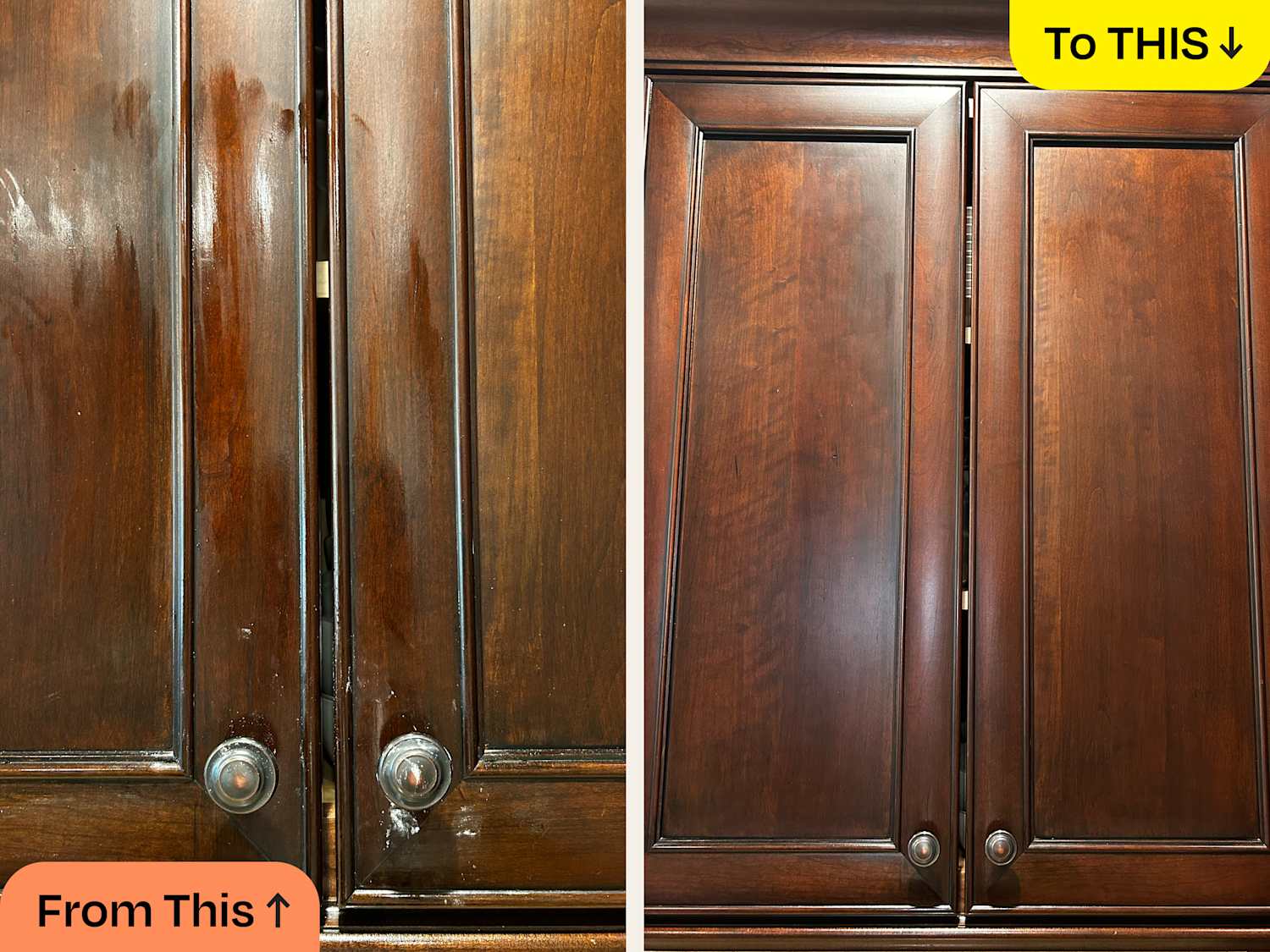
Credit: www.consumerreports.org
Choosing The Right Color
Choosing the right color for your kitchen cabinets can transform the heart of your home into a stunning space. Whether you’re renovating to refresh the look or just want a new feel, the color you choose sets the tone. Let’s explore some options that can make your kitchen come alive.
Neutral Tones
Neutral tones are a safe choice that never goes out of style. Think whites, grays, and beiges—colors that blend seamlessly with any design. They create a calming and sophisticated atmosphere.
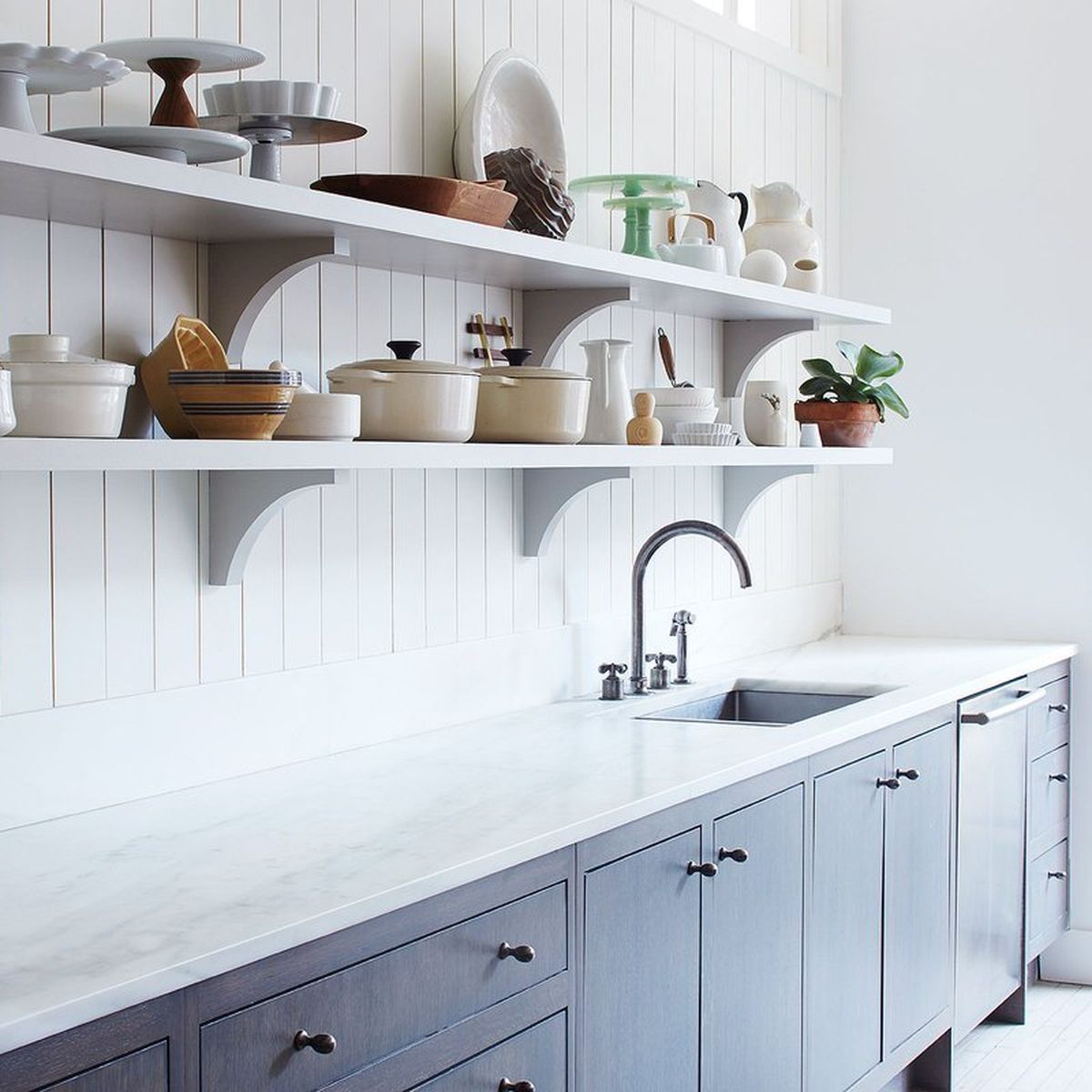
Imagine your kitchen with soft gray cabinets, complemented by white marble countertops. This combination offers elegance and versatility, allowing you to change other elements like decor and accessories without clashing colors.
Neutral colors are perfect if you plan to sell your home. They appeal to a wide audience, making your property more attractive to potential buyers. Are you aiming for a modern or classic look? Neutrals give you the flexibility to achieve both.
Bold And Vibrant Shades
If you crave a lively and unique kitchen, bold colors might be your answer. Think rich reds, deep blues, or even vibrant yellows. These shades can energize your space and reflect your personality.
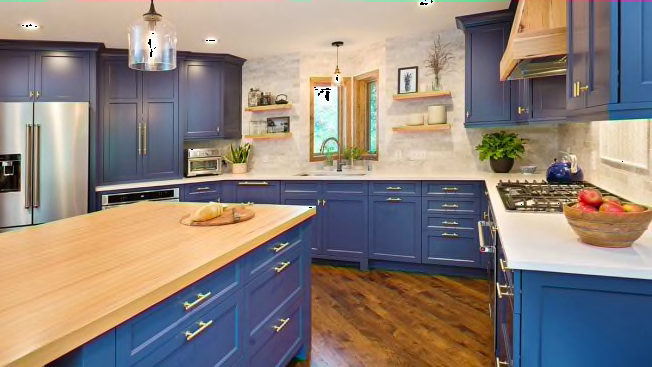
Picture your cabinets in a deep navy blue, paired with brass hardware. This combination exudes a chic and trendy vibe, perfect for making a statement. Bold colors can be especially appealing in kitchens that need a bit of drama.
While daring colors can invigorate your space, they require careful planning. Consider the size of your kitchen and the amount of natural light it receives. Is the room spacious enough to handle such intensity?
Timeless Classics
Timeless classics never fail to impress. Colors like black, white, and wood tones endure through design trends, providing a stable foundation for any kitchen style.
Envision classic white cabinets paired with dark granite countertops. This combination creates a striking contrast that remains fresh and appealing over time. Black cabinets can also offer a sleek, modern look when paired with stainless steel appliances.
These colors are versatile enough to evolve with your tastes. When trends shift, these timeless choices ensure your kitchen remains stylish. How does one balance modern elements with classic colors? The answer lies in your creativity and vision.

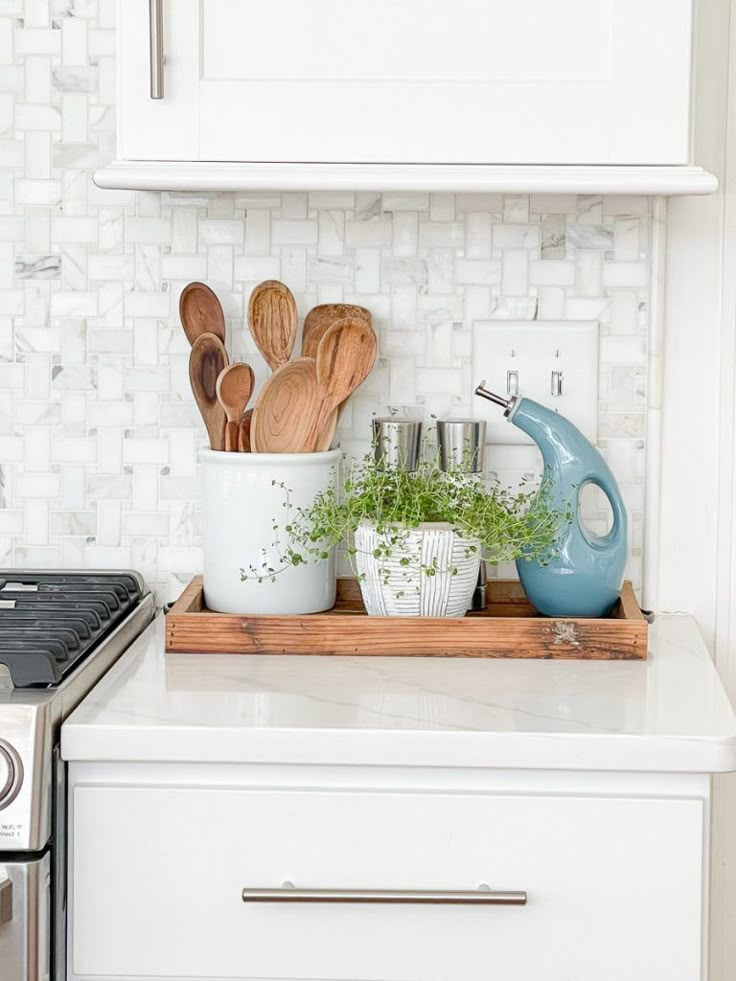
Credit: food52.com
Types Of Paint Finishes
Selecting the right paint finish for kitchen cabinets enhances durability and style. Semi-gloss and satin finishes offer a sleek look and are easy to clean, while matte provides a modern touch. Each finish has unique benefits, making it essential to choose based on your kitchen’s needs.
When deciding to paint your kitchen cabinets, the type of paint finish you choose can dramatically impact the overall look and feel of the space. Each finish has its own unique qualities, affecting durability, maintenance, and aesthetics. Understanding these differences can help you make the best choice for your kitchen’s style and function.Glossy Finish
A glossy finish is a popular choice for those who love a modern and sleek look. It reflects light, making the kitchen appear brighter and more spacious. Glossy finishes are easy to clean, which is a boon for busy kitchens where spills and splashes are frequent. However, they do tend to show fingerprints and smudges more than other finishes. If you have kids or frequently entertain guests, you might find yourself wiping down the cabinets more often. But for many, the stunning appearance is worth the extra maintenance.Matte Finish
Matte finishes offer a subtle elegance that’s perfect for a more understated, sophisticated kitchen. They absorb light, providing a soft, cozy atmosphere that invites warmth into the space. With matte finishes, you won’t have to worry about fingerprints showing up as much, which is a definite plus for families. On the downside, matte finishes can be harder to clean because they don’t have the protective layer that glossy finishes do. Spills might require a bit more elbow grease to remove. But for those seeking a refined look, the matte finish offers a timeless appeal.Satin Finish
Satin finishes strike a balance between glossy and matte, offering a slight sheen without being overly shiny. They are versatile, fitting well in both traditional and contemporary kitchens. Satin finishes are durable and easier to clean than matte, making them a practical choice for busy households. They don’t show imperfections as much as glossy finishes, which means less frequent cleaning is needed. If you’re looking for a finish that combines beauty with functionality, satin might be your best bet. Have you ever walked into a kitchen and felt instantly at home? The right paint finish can set that tone. Which finish speaks to your style and lifestyle?Material Considerations
When deciding to paint your kitchen cabinets, understanding the material they are made from is crucial. Each type of material reacts differently to paint, affecting both the application process and the final finish. Choosing the right paint for your cabinet material ensures durability and a flawless look. Let’s delve into the specifics of painting wood, laminate, and metal cabinets.
Wood Cabinets
Wood cabinets are a popular choice due to their natural texture and durability. They offer a unique charm but require special attention when painting.
- Ensure the surface is clean and sanded to remove any existing paint or varnish.
- Use a primer designed for wood to prevent stains from bleeding through.
- Choose a high-quality latex or oil-based paint for the best results.
Have you ever tried to sand a wooden cabinet only to find it still feels rough? It’s essential to sand thoroughly for a smooth finish. A tip is to use a tack cloth after sanding to remove dust.
Laminate Cabinets
Laminate cabinets, made from a plastic-like material, require a different approach. They are notorious for being difficult to paint, but with the right techniques, you can achieve a professional finish.
- Start by cleaning the surface with a degreaser to remove any oils or residues.
- Use a bonding primer specifically formulated for laminate surfaces.
- Opt for acrylic paint for its flexibility and adherence.
Ever wondered why laminate cabinets sometimes look patchy after painting? It’s often due to skipping the primer. A bonding primer is essential for a smooth, even coat.
Metal Cabinets
Metal cabinets are sleek and modern but pose unique challenges when painting. They require preparation to ensure the paint adheres properly.
- Remove any rust using sandpaper or a wire brush before painting.
- Apply a metal primer to protect against future rust and improve paint adhesion.
- Choose oil-based paint for its durability and resistance to chipping.
Did you know that neglecting to remove rust can lead to peeling paint? Proper prep work is vital for metal surfaces. Consider using a spray paint for an even finish.
Painting kitchen cabinets can transform your space, but success hinges on understanding the material you’re working with. What type of cabinets are you planning to refresh?
Preparing Cabinets For Painting
Selecting the right paint for kitchen cabinets is crucial. Prioritize durable options like oil-based or acrylic paints. These provide a smooth finish and withstand daily wear. Consider lighter shades to brighten up the space and enhance a modern look.
Preparing your kitchen cabinets for painting is a critical step in ensuring a smooth, professional finish. A little effort in the beginning can save you a lot of hassle later on. It’s not just about slapping paint on a surface; it’s about creating a canvas that will hold up over time.Cleaning And Sanding
Start by giving your cabinets a thorough cleaning. Grease and grime build up over time, especially in the kitchen. Use a mild detergent or a mixture of vinegar and water to clean all surfaces. Once clean, it’s time to sand. Sanding helps the new paint adhere better. Use a medium-grit sandpaper and work in the direction of the wood grain. Remember, you’re not removing all the old finish, just roughing up the surface.Repairing Damages
Inspect your cabinets for any damages. Are there any dents or scratches that need attention? Use wood filler to repair these imperfections. Apply the filler and smooth it out with a putty knife. Once dry, sand the area until it’s level with the surrounding surface. This ensures a seamless look once painted.Priming The Surface
Priming is a must if you want your paint to last. It provides a stable base for your paint and helps cover any remaining stains or colors. Choose a primer that matches your paint type—oil-based or latex. Apply an even coat and let it dry completely. This step might seem tedious, but it’s crucial for long-lasting results. Have you ever skipped priming and regretted it later? Don’t make that mistake again. Take the time to prime, and you’ll thank yourself every time you admire your beautifully painted cabinets.Painting Techniques
Transforming kitchen cabinets with a fresh coat of paint offers a cost-effective makeover. Choose light colors for a spacious feel or bold hues for a striking contrast. Proper preparation and using high-quality paint ensure durability and a smooth finish.
Painting kitchen cabinets can transform your space. Choosing the right technique is crucial. It impacts the finish and durability. Let’s explore some effective methods.Brushing Vs. Spraying
Brushing is cost-effective and simple. It requires minimal tools. Brushes offer more control. They’re perfect for detailed areas. But, they can leave brush marks. Spraying provides a smooth finish. It covers large areas quickly. Sprayers need practice to master. They require more prep work. Consider your skill level and tools.Layering And Drying
Thin layers of paint work best. They dry faster and look smoother. Apply multiple coats for even coverage. Allow each layer to dry completely. This prevents smudging. Use a fan to speed up drying. Check the paint label for drying times. Patience is key to a flawless finish.Avoiding Common Mistakes
Skip sanding and regret later. Sanding ensures paint sticks well. Clean cabinets thoroughly before painting. Dirt and grease ruin the finish. Avoid painting in humid conditions. Moisture affects paint drying and adhesion. Use quality primer and paint. Cheap products chip easily. Always follow instructions on paint cans. They guide you to the best results.Creating A Cohesive Look
Choosing the right color for kitchen cabinets can transform the entire space. Opt for shades that complement countertops and walls. A cohesive look creates harmony and enhances the kitchen’s aesthetic appeal.
Creating a cohesive look in your kitchen involves more than just choosing a color for your cabinets. It’s about ensuring harmony with every element in the room. The right paint choice can transform your kitchen into a seamless space that feels curated and comfortable. Let’s dive into how you can achieve this harmony.Matching With Kitchen Decor
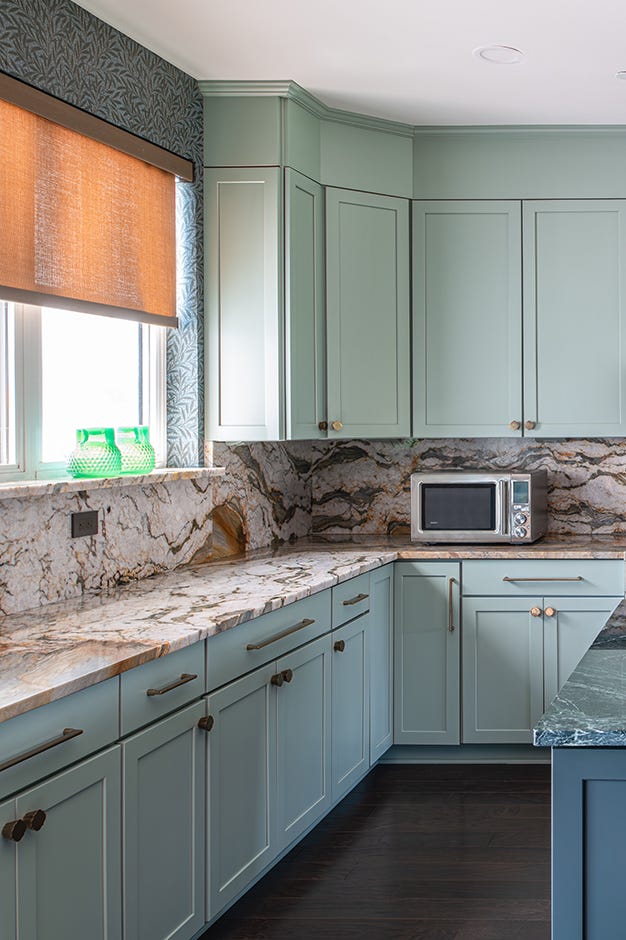
Your kitchen decor sets the mood and style of your space. When choosing a paint color for your cabinets, consider the existing elements, like your countertops and flooring. If you have a rustic wooden table, a soft cream or muted green might complement the natural tones beautifully. Think about the overall vibe you want to create. Do you prefer a modern, sleek look or a cozy, farmhouse feel? Matching the cabinet color with your decor can enhance the theme and make the space feel intentional.Hardware And Accessories
Cabinet hardware is the jewelry of your kitchen. The color and finish of knobs and handles can make a big impact. If you choose a bold cabinet color, consider subtler hardware to balance the look. On the other hand, if your cabinets are a neutral shade, bold hardware can add a pop of personality. Consider coordinating your accessories, like light fixtures and faucets, with your cabinet hardware for a unified appearance.Accent Walls And Backsplashes
Accent walls and backsplashes offer a creative opportunity to tie your kitchen together. If your cabinets are a solid color, a patterned backsplash can introduce texture and interest. Alternatively, a vibrant accent wall can offset neutral cabinets. Think about how these elements interact with your cabinet color. A colorful backsplash can become a focal point, while a subtle accent wall can provide depth without overwhelming the space. Are you ready to create a kitchen that feels cohesive and inviting? By thoughtfully considering these elements, you can craft a space that reflects your style and meets your practical needs.Maintenance And Durability
Selecting durable paint for kitchen cabinets ensures long-lasting beauty. Opt for high-quality acrylic or oil-based paints. These choices resist wear and moisture, maintaining vibrant colors and smooth surfaces over time.
Painting kitchen cabinets can breathe new life into your space. Choosing the right paint is essential for maintenance and durability. With proper care, your kitchen cabinets can look fresh for years. This section explores key aspects of maintaining painted cabinets.Sealing And Protecting
After painting, seal cabinets to protect them from moisture. Use a clear polyurethane finish for durability. This layer guards against scratches and stains. Apply the sealant evenly for a smooth finish. Let it dry completely before using the cabinets.Regular Cleaning Tips
Clean cabinets regularly to maintain their look. Use a mild soap and warm water mix. Avoid harsh chemicals that can damage the paint. Wipe cabinets gently with a soft cloth. Dry them thoroughly to prevent water spots.Touch-ups And Repairs
Even with care, cabinets might need touch-ups. Keep extra paint for small scratches or chips. Use a fine brush for precise application. For larger repairs, consider sanding the area first. Apply primer before repainting for better adhesion.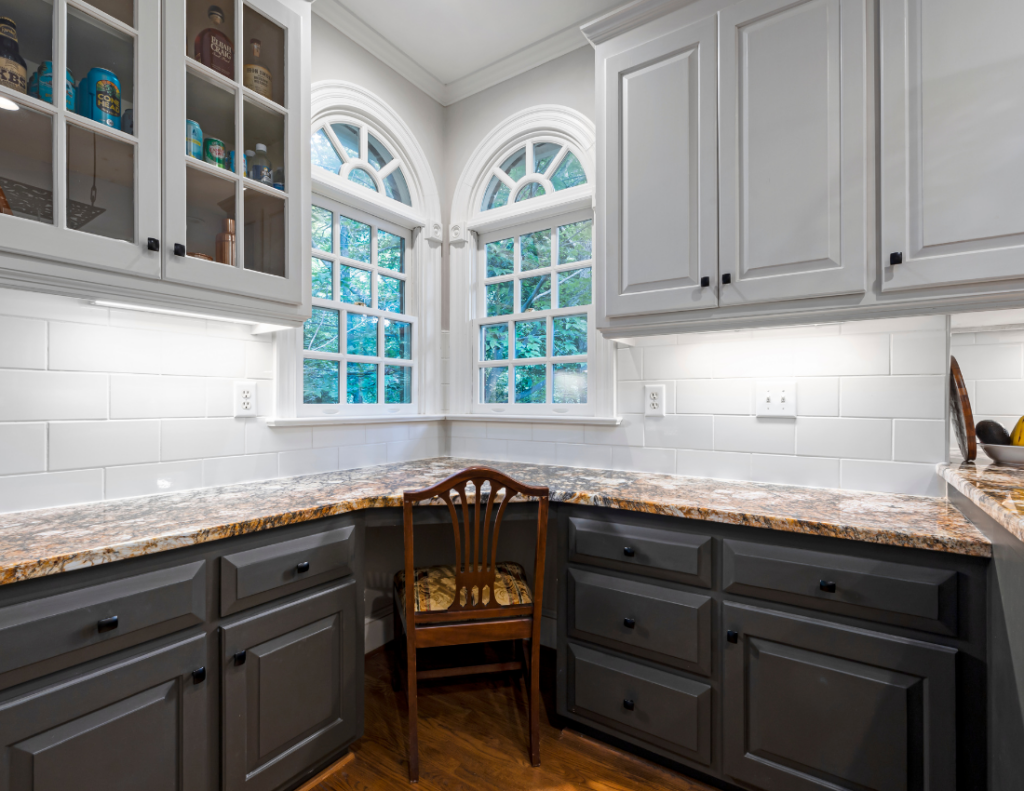
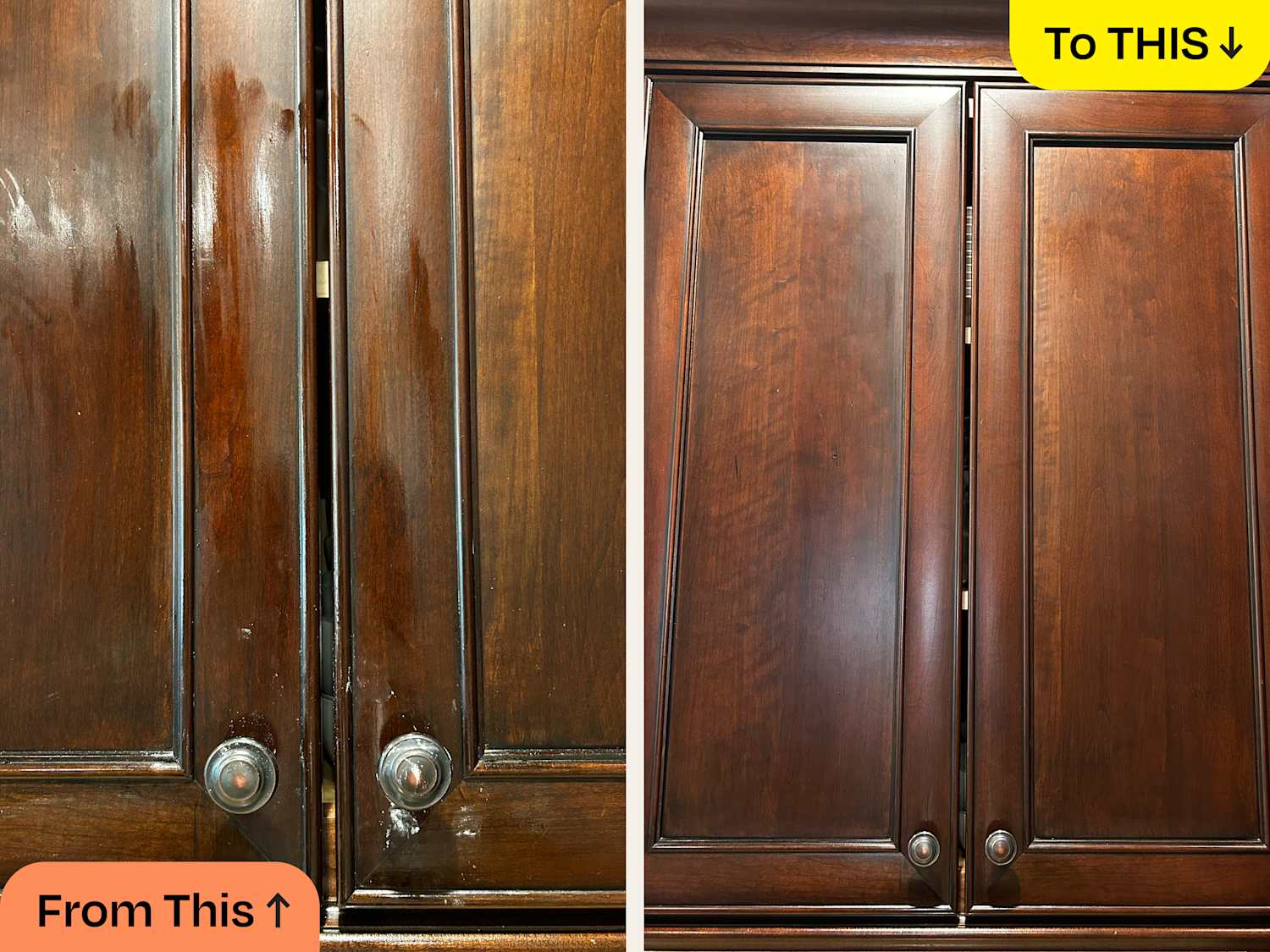
Credit: cabinetcoatingkings.com
Frequently Asked Questions
What Kind Of Paint Should Be Used On Kitchen Cabinets?
Use high-quality acrylic or alkyd paint for kitchen cabinets. Acrylic paint dries quickly and resists moisture. Alkyd paint offers durability and a smooth finish. Choose semi-gloss or satin finishes for easy cleaning and maintenance. Prioritize quality for long-lasting results and an appealing look.
Can I Just Paint Over My Kitchen Cabinets Without Sanding?
Yes, you can paint kitchen cabinets without sanding, but it’s not recommended. Sanding ensures better paint adhesion and durability. Use a deglosser or liquid sandpaper as an alternative to prepare the surface. Proper preparation is key to achieving a smooth, long-lasting finish for your cabinets.
What Is The Most Popular Paint Finish For Kitchen Cabinets?
Satin finish is the most popular for kitchen cabinets. It offers a smooth, elegant look and is easy to clean. This finish is durable, resistant to moisture, and hides imperfections well. Its subtle sheen adds sophistication, enhancing the kitchen’s overall appeal.
Should I Use A Brush Or Roller To Paint Kitchen Cabinets?
Use a brush for detailed areas and a roller for larger surfaces. Brushes offer precision, while rollers provide smooth finishes. Combining both tools ensures even coverage and a professional look for your kitchen cabinets.
Conclusion
Painting kitchen cabinets refreshes your space affordably. Choose colors that suit your style. Consider durable paint for long-lasting results. Light colors can make small kitchens feel bigger. Dark shades add elegance and depth. Test a small area first to see the effect.
Use quality brushes and rollers for smooth finishes. Prep your cabinets well for best results. Sanding and cleaning are crucial steps. Patience is key during the process. Allow proper drying time between coats. Enjoy your transformed kitchen with your personal touch.
A fresh look with painted cabinets can brighten your kitchen and your day.

Similar Posts