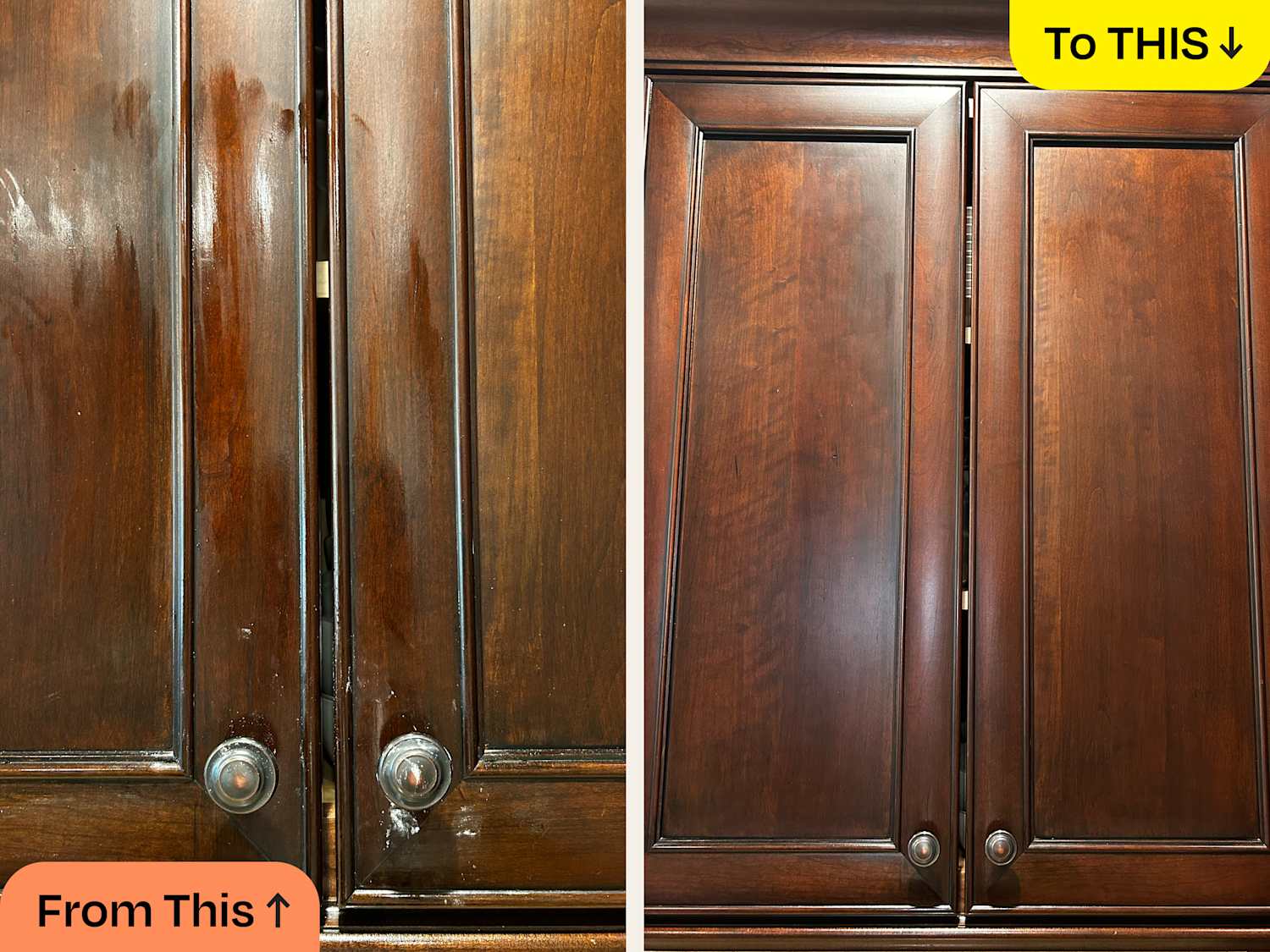
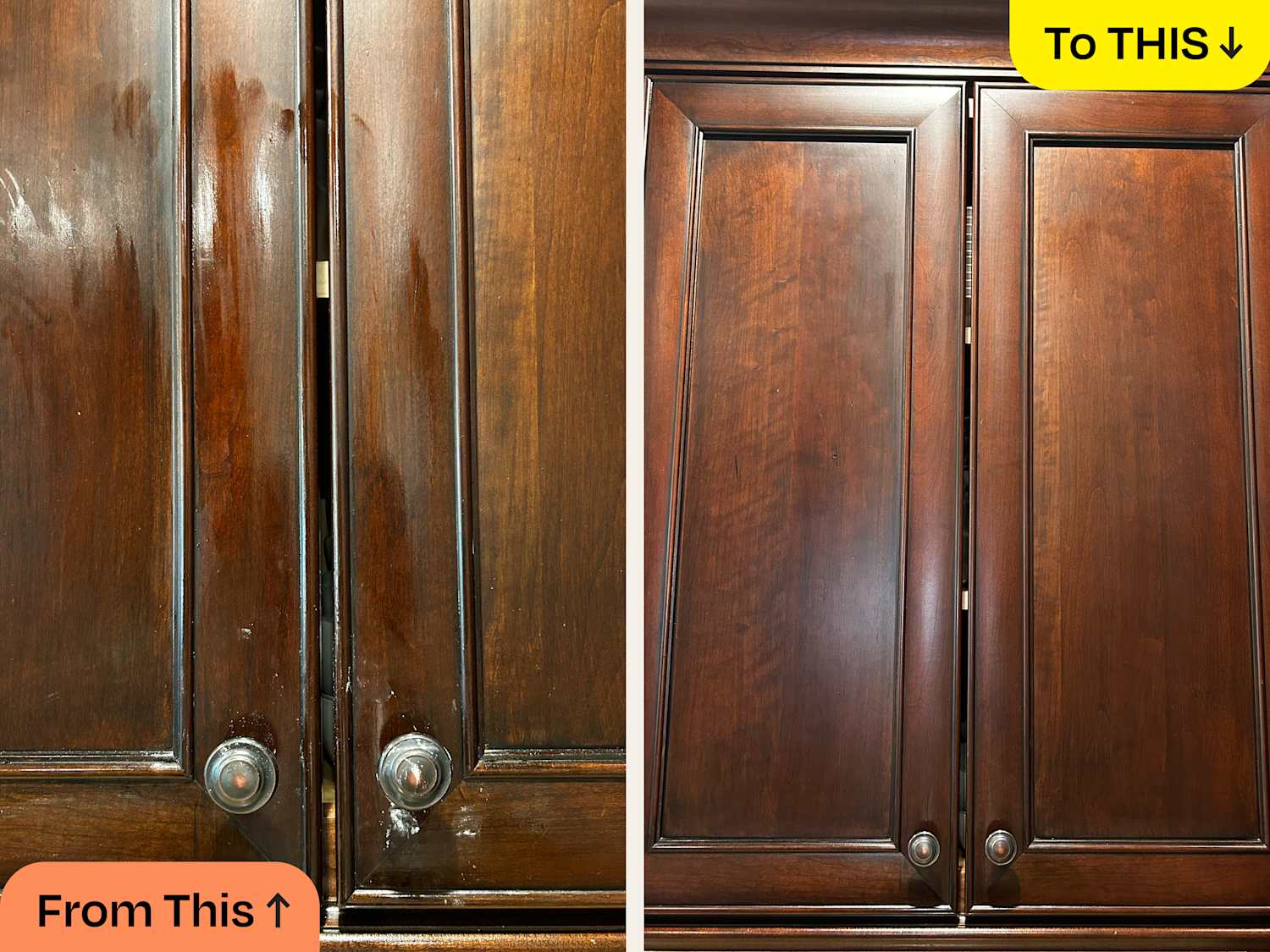
Can You Paint the Kitchen Cabinets: Transform Your Space
Executive Chef & Lead Commercial Kitchen Specialist at Daily Kitchup Test Lab
Are you staring at your kitchen cabinets, wondering if a fresh coat of paint could breathe new life into them? You’re not alone.
Many homeowners face the same dilemma, eager to transform their kitchen without breaking the bank. Painting your kitchen cabinets can be a game-changer, offering a cost-effective way to revitalize the heart of your home. But before you dive in, you might have questions swirling around: Is it really possible?
Will it look good? How difficult is the process? Imagine walking into your kitchen every morning and feeling a sense of joy and satisfaction. A simple change in cabinet color could make that possible. Picture the compliments from friends and family, and the pride you’ll feel knowing you did it yourself. This article will guide you through the process, answering all those burning questions and helping you decide if painting your kitchen cabinets is the right choice for you. Stick around to discover the secrets to a flawless finish and learn how this project can transform not just your kitchen, but also your daily life.
Choosing The Right Paint
Choosing the right paint for your kitchen cabinets is crucial to achieving a stunning makeover. The wrong choice can lead to peeling, fading, or a finish that doesn’t complement your overall kitchen aesthetic. But how do you make this choice amidst the sea of options available? Understanding the types of paints, colors, and finishes can guide you to make a decision that you’ll love for years to come.
Types Of Paints
Not all paints are created equal. For kitchen cabinets, durability and ease of cleaning are paramount. Consider using:
- Oil-based paints: These offer a hard, durable finish but can take longer to dry and have a strong odor.
- Latex paints: Easier to work with, they dry quickly and have less odor, but might need a top coat for added durability.
- Acrylic paints: Known for flexibility and resistance to peeling, they are a great choice for cabinets exposed to steam and moisture.
Some people swear by chalk paint for a rustic look, but it may not hold up well in high-traffic areas without a good sealant.
Color Selection
Choosing a color can be exciting yet daunting. Do you opt for classic white or venture into bold hues? Consider your kitchen’s lighting and overall style.
- Light colors: They can make your kitchen feel open and airy, perfect for smaller spaces.
- Dark colors: These add drama and sophistication, but ensure your kitchen has ample lighting to avoid a cave-like feel.
- Bold colors: Want a splash of personality? Bright blues or greens can make a statement and bring joy to your cooking space.
Remember, the color can change the mood of your kitchen. What vibe do you want to create?
Finish Options
The finish impacts not only the look but also the maintenance of your cabinets. Here are some popular choices:
- Matte finish: Offers a modern, understated look but might show fingerprints and smudges more easily.
- Semi-gloss finish: Provides a slight sheen, making it easier to clean and maintain.
- Gloss finish: Highly reflective, it can make your kitchen pop but might highlight imperfections.
Would you prioritize ease of cleaning over aesthetic appeal? The finish you choose can affect this significantly.
In your kitchen renovation journey, picking the right paint is pivotal. Consider the type, color, and finish carefully to create a space that feels truly yours and withstands the rigors of daily use.

Credit: www.youtube.com
Preparing Your Cabinets
Preparing Your Cabinets Painting kitchen cabinets can refresh your space without a full remodel. Clean and sand surfaces for a smooth finish. Use primer to ensure paint adheres well and lasts longer.
Revamping your kitchen by painting the cabinets can breathe new life into the entire space. However, the key to a flawless finish lies in meticulous preparation. Before you dip your brush in paint, invest time in getting the cabinets ready. This groundwork ensures your paint adheres well and lasts longer. Let’s dive into the essential steps for preparing your cabinets.Cleaning And Degreasing
Start by removing any dust, grime, and grease from the cabinet surfaces. Kitchens are notorious for sticky residues, especially near cooking areas. Use a strong degreaser or a mix of warm water and dish soap. Wipe down every inch, including corners and grooves, with a sponge or cloth. Rinse with clean water and let everything dry completely. This step is crucial as paint won’t stick to oily surfaces.Sanding And Priming
Sanding helps create a smooth surface for the primer and paint to adhere to. Use medium-grit sandpaper to gently sand down the surfaces. Focus on removing any existing finish or gloss. Once sanded, wipe away the dust with a damp cloth. Next, apply a high-quality primer suitable for your cabinet material. Priming not only helps in paint adhesion but also blocks stains and ensures an even color tone.Repairing Damages
Inspect your cabinets for any nicks, scratches, or holes. These imperfections can ruin the final look if not addressed. Fill in any holes or dents using wood filler and a putty knife. Once the filler dries, sand the area until smooth. For larger damages, consider replacing or repairing the affected parts before painting. Ensuring a smooth, even surface will make your cabinets look professionally finished. Did you know that skipping these steps is a common reason for paint chipping prematurely? Preparing your cabinets is not just a suggestion—it’s a necessity for achieving a stunning and durable finish. Are you ready to transform your kitchen with confidence?Tools And Materials Needed
Thinking of painting your kitchen cabinets? It’s a great way to refresh your space. Before starting, gather all necessary tools and materials. This ensures a smooth and efficient process. Below is a comprehensive guide on what you’ll need.
Essential Tools
- Screwdriver:For removing cabinet doors and hardware.
- Paintbrushes:Use high-quality brushes for a smooth finish.
- Rollers:Ideal for large, flat surfaces like cabinet doors.
- Sandpaper:Helps in smoothing surfaces and removing old paint.
- Painter’s Tape:Keeps paint off areas you don’t want to cover.
- Drop Cloths:Protects floors and countertops from paint spills.
Optional Accessories
- Paint Sprayer:Offers a professional finish, but requires practice.
- Putty Knife:Useful for filling holes or smoothing surfaces.
- Caulking Gun:Seals gaps between cabinets and walls.
- Paint Tray:Holds paint and helps in easy application.
Safety Gear
- Gloves:Protects hands from chemicals and paint.
- Goggles:Shields eyes from splashes and dust.
- Dust Mask:Essential when sanding to avoid inhaling particles.
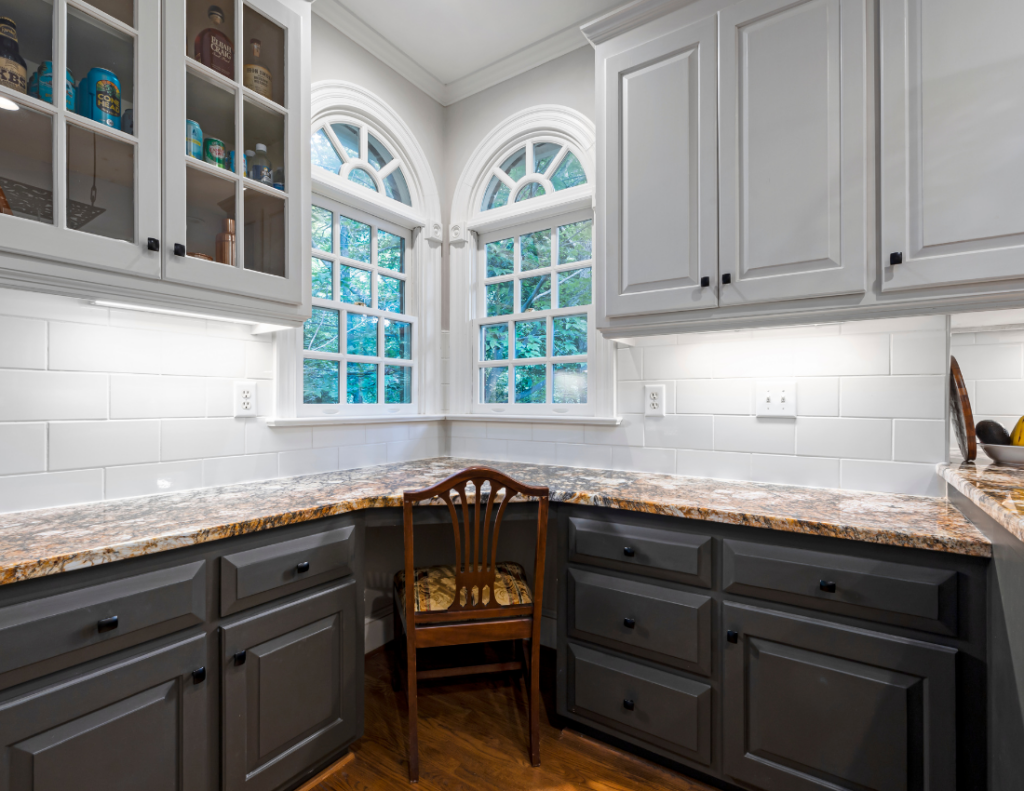
Credit: cabinetcoatingkings.com
Step-by-step Painting Process
Painting your kitchen cabinets can breathe new life into your cooking space without breaking the bank. It’s a project that requires patience and attention to detail, but the results can be stunning. Here’s how you can tackle the task with confidence, following a simple step-by-step process.
Removing Cabinet Doors And Hardware
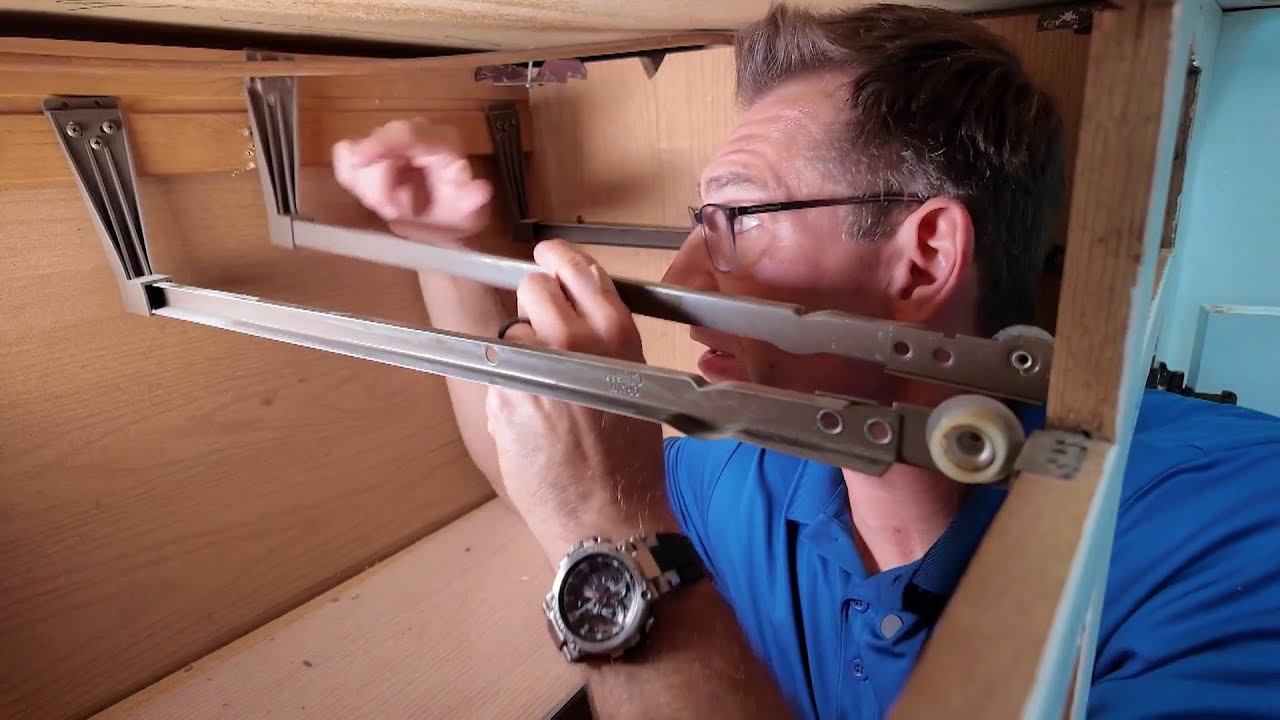
Start by taking off the cabinet doors, drawers, and all hardware. Keep a screwdriver handy and organize screws and hinges in labeled bags or containers. This will save you the headache of mismatched parts later.
Consider numbering the doors and corresponding openings to avoid confusion during reassembly. It’s a little trick that can make a big difference!
Applying Primer
Once your cabinets are free of doors and hardware, it’s time to prep the surfaces. Clean them thoroughly to remove any grease and grime. Sanding is crucial to achieve a smooth surface for the primer to adhere to.
Apply a coat of primer using a brush or roller. Opt for a high-quality primer that suits your cabinet material, ensuring better paint coverage and durability.
Painting Techniques
With primer dried and ready, it’s painting time! Use a brush for corners and detailed areas, while a roller works best for flat surfaces. Two coats of paint typically offer the best finish.
Allow each coat to dry completely before applying the next. Patience is key—rushed work can lead to unsightly drips and uneven coverage.
Reassembling Cabinets
Once the paint has dried, it’s time to put everything back together. Reattach the hardware to the cabinet doors and drawers, then install them back onto the frames. Double-check your labels or numbers to ensure everything is in its rightful place.
Take a step back and admire your handiwork. You’ve transformed your kitchen with a fresh, vibrant look that feels almost like new!
Common Mistakes To Avoid
Rushing the preparation phase is a common mistake when painting kitchen cabinets. Skipping primer can lead to uneven finishes and peeling paint. Choose the right paint type for cabinets to ensure durability and a smooth surface.
Painting your kitchen cabinets can bring a fresh, modern look to your space without the cost of a full renovation. However, several common mistakes can turn this exciting project into a disaster. By avoiding these pitfalls, you can ensure a smooth and beautiful finish that lasts.Skipping Surface Prep
One of the most crucial steps in painting kitchen cabinets is proper surface preparation. It’s tempting to dive straight into painting, but skipping this step can lead to peeling and uneven finishes. Make sure to clean, sand, and prime your cabinets thoroughly. This will help the paint adhere better and ensure a more professional look.Using The Wrong Paint
Choosing the right paint is essential for durability and appearance. Using regular wall paint on cabinets may result in a less resilient finish that doesn’t withstand the wear and tear of kitchen use. Opt for paints specifically designed for cabinets or furniture, as these are formulated to handle frequent cleaning and moisture.Rushing The Drying Process
Patience is key when painting cabinets, especially during the drying phase. It might be tempting to rush through this process to get your kitchen back in order, but this can cause streaks and an uneven surface. Allow adequate drying time between coats, following the manufacturer’s instructions. This ensures a smooth and durable finish that you’ll be proud to show off. Taking your time and avoiding these common mistakes can lead to a successful kitchen cabinet transformation. What challenges have you faced in your painting projects? Share your experiences in the comments below!
Credit: www.architecturaldigest.com
Maintaining Your Painted Cabinets
Painting kitchen cabinets can refresh your space. Regular cleaning preserves their look. Use mild soap and a soft cloth. Avoid harsh chemicals to maintain the paint’s shine.
Maintaining your painted kitchen cabinets ensures they stay fresh and vibrant. Proper care can extend their lifespan and keep them looking new. Let’s explore ways to keep your cabinets in top shape.Cleaning Tips
Regular cleaning prevents dirt buildup. Use a gentle cloth and mild detergent. Avoid harsh chemicals which can damage the paint. Clean spills immediately to prevent stains. Dust weekly to maintain a clean surface.Touch-up Advice
Minor scratches can be fixed with touch-up paint. Match paint color exactly for a seamless look. Keep a small brush handy for quick fixes. Test paint in an inconspicuous area first.Long-term Care
Inspect cabinets regularly for wear. Consider repainting every few years for a fresh look. Use shelf liners to protect cabinet interiors. Check hinges and handles for loose fittings.Cost Considerations
Painting kitchen cabinets offers an affordable makeover compared to replacing them. Consider costs for paint, tools, and potential professional help. Balancing quality and budget ensures a satisfying transformation.
The cost of painting kitchen cabinets can vary widely. Several factors influence the final price. Understanding these considerations helps in planning your budget effectively.Budget-friendly Options
Opting for budget-friendly options can significantly lower costs. Consider using affordable paint brands. They offer good quality without breaking the bank. Buying paint during sales or using discount coupons can save money. Reusing old brushes and rollers also cuts down expenses. Compare prices from different stores for the best deals.Hiring Professionals Vs Diy
Hiring professionals ensures quality but can be costly. They bring experience and precision. This can lead to a flawless finish. On the other hand, DIY offers cost savings. It allows you to control every aspect of the process. DIY requires time, effort, and basic skills. Weighing the pros and cons of each approach is essential.Hidden Costs
Hidden costs can surprise anyone painting kitchen cabinets. Consider the cost of primers, sealants, and protective gear. These are often overlooked. You might need to buy tools such as sandpaper or a sander. These add to the overall expense. Repairs of cabinet surfaces before painting can increase costs. Always account for these extras in your budget.Frequently Asked Questions
Are Painting Kitchen Cabinets A Good Idea?
Painting kitchen cabinets is a great idea for a cost-effective makeover. It refreshes the space and adds personal style. Choose high-quality paint for durability and easy maintenance. Ensure proper preparation and technique for a smooth finish. This project can enhance your kitchen’s appeal and increase your home’s value.
Can I Just Paint Over My Kitchen Cabinets?
Yes, you can paint over kitchen cabinets. Ensure surfaces are clean, sanded, and primed for best results. Use high-quality paint designed for cabinets. Proper preparation enhances durability and appearance.
What Kind Of Kitchen Cabinets Cannot Be Painted?
Laminate and thermofoil kitchen cabinets resist paint due to their non-porous surfaces. Paint struggles to adhere properly. Solid wood and wood veneers are ideal for painting, offering better adhesion and longevity. Consider professional advice before painting to ensure proper technique and materials are used for lasting results.
What Kind Of Paint Should You Use On Kitchen Cabinets?
Use acrylic latex or oil-based paint for kitchen cabinets. They provide durability and a smooth finish.
Conclusion
Painting kitchen cabinets is a smart way to refresh your space. It’s cost-effective. You can easily change the look without replacing cabinets. Choose the right paint for durability. Take time for prep work. Clean and sand surfaces well. This ensures paint sticks properly.
Use primer for better results. It adds a layer of protection. Follow steps carefully for a smooth finish. You’ll enjoy a new kitchen vibe. Feel proud of your work. Remember, patience and care are key. With the right approach, your cabinets can look stunning.
Transform your kitchen into a welcoming space.

Similar Posts