Can You Use Chalk Paint on Kitchen Cabinets: Transform Today
Have you ever looked at your kitchen cabinets and thought they could use a fresh new look? If so, you’re not alone.
Many homeowners are searching for ways to update their kitchens without the hassle and expense of a complete remodel. Enter chalk paint—a versatile and user-friendly option that promises to transform your cabinets with minimal effort. But can you really use chalk paint on kitchen cabinets?
This question might have you curious, and rightly so. Before you dive into a project that could change the heart of your home, you want to be sure you’re making the right choice. We’ll uncover the secrets of chalk paint, explore its benefits, and address any concerns you might have, ensuring you feel confident and excited about your kitchen makeover. Get ready to discover how this simple paint might just be the key to achieving the stylish and fresh kitchen you’ve been dreaming of.
What Is Chalk Paint?
Chalk paint offers a matte finish and great coverage, perfect for transforming kitchen cabinets. It adheres well and requires minimal prep, making it a popular choice for DIY enthusiasts.
Chalk paint is a type of paint that has become increasingly popular for DIY enthusiasts and interior decorators alike. Renowned for its matte finish and velvety texture, chalk paint offers a unique aesthetic that can transform ordinary furniture and cabinets into charming, rustic pieces. But what exactly makes chalk paint stand out, especially when considering a kitchen cabinet makeover?What Makes Chalk Paint Different?
Chalk paint is characterized by its chalky texture, which is achieved without the need for complex preparation. Unlike traditional paints, chalk paint requires minimal surface prep—no sanding or priming is typically needed. This feature makes it an ideal choice for beginners or those seeking a quick and easy renovation project.Ingredients And Composition
The secret behind chalk paint’s unique texture and adhesion lies in its composition. It often contains calcium carbonate, which contributes to its thick consistency and ability to stick to surfaces. This paint can be applied to a variety of materials, including wood, metal, and even glass, making it versatile for various home improvement tasks.Color And Finish Options
Chalk paint offers a diverse palette of colors that can suit any taste or decor style. From muted pastels to bold, vibrant shades, there’s a color for every vision. Additionally, its matte finish can be enhanced with wax or sealant, providing a protective layer and a subtle sheen.Ease Of Use
One of the most appealing aspects of chalk paint is its ease of use. Whether you’re a seasoned DIYer or just starting, you can achieve professional-looking results without the hassle. Its forgiving nature allows for mistakes to be easily corrected, and layering or distressing techniques can add depth and character.Personal Experience Insight
Picture this: your kitchen cabinets have seen better days, and you’re contemplating a costly replacement. But with a couple of cans of chalk paint, a brush, and a weekend, you could breathe new life into your kitchen. Why spend a fortune when a creative, budget-friendly solution is within reach? Chalk paint opens the door to endless possibilities. Are you ready to transform your space with its charm and simplicity?
Credit: www.facebook.com
Benefits Of Chalk Paint For Cabinets
Chalk paint offers a unique charm for kitchen cabinets. It’s an ideal choice for those seeking a fresh look without extensive hassle. This paint type boasts several advantages that make it a favorite among DIY enthusiasts. Let’s explore the benefits of using chalk paint on your kitchen cabinets.
Easy Application
Chalk paint is known for its simple application process. Unlike traditional paints, it doesn’t require precise strokes or special techniques. You can achieve a smooth finish with just a few coats. This ease makes it perfect for beginners. Even if you’ve never painted before, you’ll find it straightforward.
Variety Of Colors
Chalk paint comes in a wide array of colors. Whether you prefer bold or subtle shades, there’s a color to match your taste. This versatility allows you to customize your kitchen cabinets. You can choose a color that complements your kitchen’s décor.
Minimal Prep Work
One of the biggest perks of chalk paint is minimal prep work. There’s no need to sand or prime your cabinets extensively. A quick clean is usually sufficient. This saves time and effort, making the project more accessible. You can start painting almost immediately, speeding up the transformation process.
Preparing Kitchen Cabinets
Chalk paint can transform kitchen cabinets with a smooth finish. It’s easy to apply and covers well. Plus, it requires minimal preparation, saving time and effort in the kitchen makeover process.
Preparing kitchen cabinets for chalk paint is crucial. It ensures a smooth and durable finish. Proper preparation can make the paint adhere better, lasting longer without chipping. This process involves cleaning, degreasing, sanding, and priming. Each step is vital to achieve a professional-looking result.Cleaning And Degreasing
Start by removing all cabinet doors and hardware. Place them on a flat surface. Use a mild detergent mixed with warm water to clean the surfaces. Scrub gently to remove dirt and grease. Pay attention to corners and edges. Rinse with clean water and let them dry completely. For stubborn grease, use a degreaser. Ensure no residue remains, as this can affect paint adhesion.Sanding And Priming
Once clean, the next step is sanding. Use a fine-grit sandpaper to smooth out the surface. This helps the primer stick better. Sand all areas evenly and wipe away dust. Applying a primer is essential. It creates a base for the chalk paint to adhere. Choose a primer that works with chalk paint. Apply it evenly and let it dry fully before proceeding.Applying Chalk Paint
Chalk paint offers a versatile choice for kitchen cabinets, providing a matte finish. It’s easy to apply and requires minimal preparation. Transform your kitchen with a fresh, vintage look using this adaptable paint option.
Applying chalk paint to your kitchen cabinets can transform your space without breaking the bank. It’s an affordable and creative way to give your kitchen a fresh look. But how do you ensure a flawless finish? Let’s dive into the process of applying chalk paint effectively, starting with choosing the right tools for the job.Choosing The Right Tools
Selecting the appropriate tools is crucial for achieving a smooth and professional finish. Consider using a high-quality brush specifically designed for chalk paint. These brushes have bristles that minimize streaks and provide even coverage. For larger surfaces, you might prefer a foam roller. It helps in spreading the paint evenly and speeds up the process. Don’t forget a stirring stick to mix your paint thoroughly before application. Having a set of sandpaper is also essential. It helps prepare the surface, ensuring the paint adheres well. A fine-grit sandpaper will smooth out imperfections without damaging the cabinets.Step-by-step Painting Process
Begin by cleaning your cabinets thoroughly. Any dirt or grease can prevent the paint from sticking properly. Use a gentle cleaner and allow the surface to dry completely. Next, lightly sand the cabinets to roughen the surface. This helps the paint adhere better. Wipe away any dust with a damp cloth. Now, you’re ready to paint. Start with the edges and corners using a brush, then switch to a roller for larger areas. Apply the paint in thin, even coats. Thick layers can lead to uneven drying and a streaky finish. Allow the first coat to dry fully before applying a second. This usually takes a few hours, depending on the paint brand and environmental conditions. Lastly, apply a clear wax or sealant. This step protects the paint and enhances durability, ensuring your beautiful new cabinets last for years. Have you considered adding a pop of color or keeping it classic with neutral tones? Whatever your choice, take your time and enjoy the process. With patience and the right approach, your kitchen cabinets will look stunningly refreshed.Sealing And Finishing Touches
Sealing is essential after applying chalk paint to kitchen cabinets. It protects the surface and enhances durability. Finishing touches with a clear wax or polycrylic sealant will ensure a smooth, lasting finish.
Sealing and finishing your kitchen cabinets after chalk painting is crucial. It protects the paint and enhances the overall look. The right sealant ensures durability, and additional layers provide lasting protection. Let’s explore how to properly seal and finish your kitchen cabinets.Selecting A Sealant
Choosing the right sealant is essential for chalk-painted surfaces. Polycrylic and wax are popular choices. Polycrylic offers a clear, durable finish and dries quickly. It’s water-based, making it easy to clean up. Wax, on the other hand, provides a soft, matte finish. It requires regular maintenance but gives a unique look. Consider the finish you desire and the maintenance level you can manage.Adding Protective Layers
Adding protective layers is key to preserving your paint job. Start with a thin coat of your chosen sealant. Use a brush or a sponge for even application. Allow the first coat to dry completely before applying additional layers. Two to three coats are typically sufficient for kitchen cabinets. Each layer adds extra durability and shine. Ensure each layer is fully dry before the next application. This ensures a smooth, professional finish.
Credit: www.youtube.com
Maintaining Chalk Painted Cabinets
Chalk paint adds charm to kitchen cabinets, offering a matte finish and vintage feel. Regular cleaning and sealing preserve its beauty, ensuring cabinets stay vibrant and protected from daily wear.
Maintaining chalk painted kitchen cabinets can feel like a daunting task, but with a few simple strategies, you can keep them looking fresh and vibrant. Chalk paint offers a unique matte finish that is truly charming, but it requires specific care to maintain its beauty and longevity. Whether you’re dealing with day-to-day messes or tackling occasional touch-ups, understanding the right techniques is crucial.Cleaning Tips
When cleaning chalk painted cabinets, avoid harsh chemicals that can strip away the delicate finish. Instead, opt for a gentle soap solution mixed with warm water. Use a soft cloth to wipe down surfaces, ensuring you remove any residue without damaging the paint. Regular dusting can prevent grime buildup, keeping your cabinets looking pristine. Consider using a microfiber cloth for a more delicate touch, as it effectively captures dust without scratching the surface.Touch-up Techniques
Inevitably, chips and scratches may occur over time. The good news is chalk paint makes touch-ups a breeze. Keep a small container of your original paint for quick fixes. Lightly sand the damaged area to smooth out any rough edges before applying the paint. This ensures a seamless blend with the existing finish. Once the paint is dry, apply a wax or sealant to protect the newly painted area and match the rest of the surface. This step is vital for maintaining uniformity and durability. What tricks have you found useful in maintaining your chalk-painted cabinets? Share your thoughts and experiences to inspire others looking to keep their kitchens looking stunning!Common Mistakes To Avoid
Skipping proper surface preparation leads to poor adhesion. Ignoring drying times causes uneven finishes. Overlooking sealant application results in less durability.
Painting kitchen cabinets with chalk paint can transform your space, offering a fresh, stylish look. However, it’s easy to make mistakes that could lead to less than perfect results. Understanding common pitfalls can save you time, frustration, and ensure your cabinets shine for years to come. Let’s dive into some mistakes you’ll want to avoid.Overloading Paint
Applying too much paint at once is a common error. It can lead to drips, uneven surfaces, and a longer drying process. Imagine spending hours on a project only to end up with a bumpy finish. Instead, opt for thin layers. This allows you to build up the color gradually. Use a light hand and ensure even strokes. It might take more coats, but the end result will be much smoother. Have you ever wondered why your cabinets don’t look as sleek as you hoped? Overloading could be the culprit.Ignoring Drying Times
Patience is key when it comes to drying times. Rushing the process can lead to smudges or damage to your hard work. Chalk paint often dries quickly, but that doesn’t mean you should skip recommended wait periods between coats. Let each layer dry thoroughly before moving on to the next. This might test your patience, but it’s crucial for a professional finish. Have you ever been tempted to speed up the process by using a fan or a hairdryer? While it might seem like a good idea, it can actually cause the paint to crack or peel. Give it time; your patience will pay off.Comparing Chalk Paint With Other Options
Chalk paint offers a matte finish and easy application for kitchen cabinets. Its versatility allows for creative customization. Compare its durability with traditional paints before deciding.
Choosing the right finish for your kitchen cabinets can be a daunting task. With a myriad of options available, chalk paint stands out for its matte finish and ease of application. But how does it compare to other popular choices like traditional paint and staining? Let’s delve into the specifics to help you make an informed decision.Versus Traditional Paint
Chalk paint is known for its minimal prep work. Unlike traditional paint, which often requires sanding and priming, chalk paint can be directly applied to most surfaces. Its matte finish gives cabinets a vintage, shabby-chic look, appealing to those wanting a rustic charm. However, if you’re after a glossy, modern appearance, traditional paint might be your go-to. Traditional paint also offers a broader range of finishes, from eggshell to high gloss. But it demands more time and effort, especially if you’re covering a dark surface.Versus Staining
Staining emphasizes the natural grain of the wood, offering a classic, rich finish. It’s ideal if you love the warmth and character of wood. Chalk paint, on the other hand, covers the wood entirely. This means you won’t see the grain, but you can achieve a wide variety of colors. Consider your kitchen’s existing style. Do you prefer a more natural aesthetic, or are you leaning towards a bold color change? Staining requires a more meticulous application process, often involving multiple coats and a protective sealant. Chalk paint is more forgiving and quicker, letting you refresh your kitchen cabinets with less hassle. When deciding between these options, think about your desired look, the effort you’re willing to invest, and the longevity you expect from your finish. What speaks to you and your style?Inspiring Transformations
Transform your kitchen with chalk paint for a fresh look. It’s easy to apply and gives cabinets a matte finish. An affordable way to renew your space without a full renovation.
Transforming your kitchen cabinets with chalk paint can breathe new life into your space, offering a fresh and stylish look. This approach is not only cost-effective but also opens the door to endless creative possibilities. Whether your cabinets are outdated or you simply crave a change, chalk paint can be the perfect solution for inspiring transformations.Before And After Examples
Imagine your kitchen with dull, worn-out cabinets. Now, picture those same cabinets revitalized with a smooth, velvety coat of chalk paint. The transformation can be astonishing. One homeowner had dark oak cabinets that made the kitchen feel cramped and dated. After applying a light, airy chalk paint, the space became bright and inviting. The contrast between the old and new was like night and day. Another kitchen featured cabinets with chipped and faded paint. A vibrant teal chalk paint brought them back to life, adding a splash of color and character to the room. The once tired-looking kitchen now exudes charm and personality.Reader Success Stories
Our readers have shared some truly inspiring success stories after taking the plunge with chalk paint. One reader, Sarah, turned her drab kitchen into a farmhouse dream. She used a soft white chalk paint and finished with a wax seal for durability. Her cabinets now look pristine and timeless. Another reader, James, faced a small kitchen with limited natural light. He opted for a pale gray chalk paint which reflected the light beautifully. This simple change made his kitchen feel more spacious and welcoming. Have you ever wondered how much a simple color change could impact your kitchen’s ambiance? These stories prove that with a bit of creativity and effort, you can achieve remarkable results. Are you ready to embark on your own kitchen transformation journey? Your dream kitchen might just be a brushstroke away.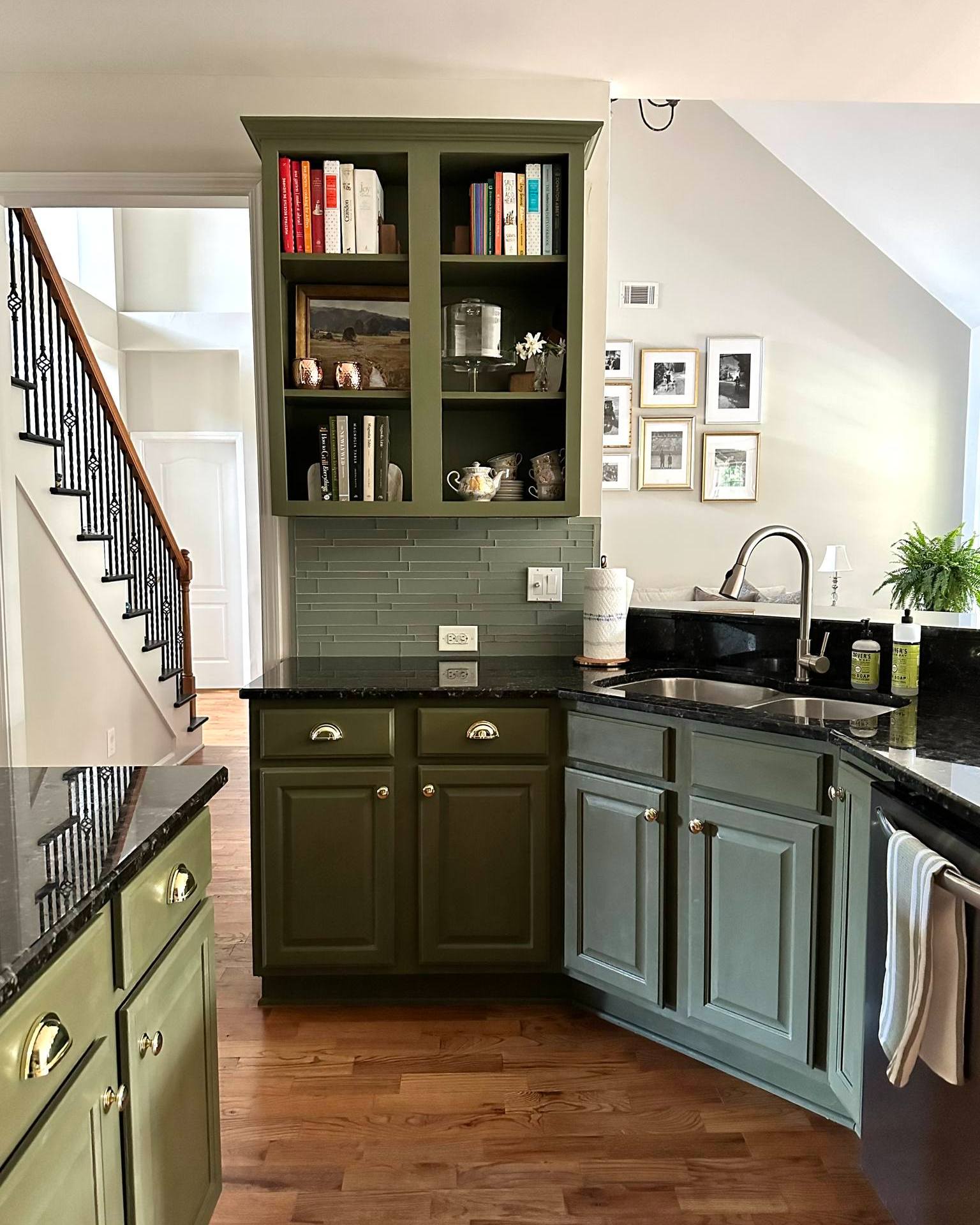
Credit: www.facebook.com
Frequently Asked Questions
What Are The Disadvantages Of Chalk Paint?
Chalk paint can chip easily and lacks durability. It often requires a topcoat for protection. The finish might not be smooth and can show brush strokes. Limited color options exist compared to other paints. It may need frequent touch-ups, especially in high-traffic areas.
What To Seal Chalk Paint With On Kitchen Cabinets?
Seal chalk paint on kitchen cabinets with a clear polyurethane or polycrylic topcoat. Use a brush or roller for application. Ensure even coverage for durability and protection against moisture and stains. Opt for a matte or satin finish to maintain the chalky appearance.
What Type Of Paint To Put On Kitchen Cabinets?
Use high-quality acrylic latex or oil-based paints for kitchen cabinets. They offer durability and smooth finishes. Ensure the surface is clean and primed before applying paint. Satin, semi-gloss, or gloss finishes are ideal for kitchens due to their easy-to-clean nature and resistance to moisture and stains.
What Paint Does Joanna Gaines Use For Kitchen Cabinets?
Joanna Gaines often uses Magnolia Home Paint for kitchen cabinets. Her brand offers a variety of durable and stylish colors. Magnolia paints are known for their high-quality finish and ease of application, perfect for achieving a farmhouse-style look.
Conclusion
Chalk paint offers a fresh look for kitchen cabinets. It’s easy to apply and versatile. The matte finish adds character and charm. It’s cost-effective, which appeals to budget-friendly renovations. Preparation is key for the best results. Clean and sand the cabinets first.
Consider sealing for durability. Experiment with colors to match your kitchen style. Chalk paint can transform outdated cabinets. It’s a creative option for a unique touch. Try it to refresh your kitchen space. With patience and care, your cabinets will look great.
Chalk paint is a practical choice for a stylish update.