How Do I Unclog a Kitchen Drain: Quick Fixes
Are you frustrated with a stubborn kitchen drain that just won’t clear? Clogged drains can quickly turn your kitchen from a place of joy to a source of stress.
The good news is, you don’t always need to call a plumber to fix the issue. With a few simple tools and techniques, you can unclog your kitchen drain all by yourself. Imagine the satisfaction of seeing that water flow freely again and reclaiming your kitchen space! In this guide, you’ll discover easy, effective methods to tackle that blockage.
Ready to roll up your sleeves and get that drain back in working order? Let’s dive in and transform your kitchen troubles into triumphs.
Common Causes Of Clogged Kitchen Drains
Fat, grease, and leftover food scraps often cause clogged kitchen drains. Soap residue and coffee grounds can also block pipes. Regular cleaning and mindful disposal help prevent these issues.
Kitchen drains often face clogs due to various everyday activities. Understanding these causes helps in preventing future blockages. A clogged drain can disrupt kitchen routines and lead to costly repairs. Knowing what leads to these issues can save time and effort.Food Particles
Food scraps are a common culprit for clogs. They accumulate in pipes, blocking the flow of water. Dispose of food waste properly to avoid this problem.Grease Build-up
Grease solidifies in pipes, causing stubborn clogs. Pour cooled oil into a container, not the sink. This simple step prevents greasy blockages.Soap Residue
Soap can leave a residue that builds up over time. This residue combines with other particles, forming clogs. Use less soap to minimize accumulation.Foreign Objects
Small items accidentally dropped can block drains. Be careful with small utensils, jewelry, and other objects near the sink. Retrieve any items that fall immediately.Mineral Deposits
Hard water leads to mineral deposits in pipes. These deposits narrow the passageway, causing drainage issues. Consider using a water softener to reduce mineral buildup.Vegetable Peels
Peels from potatoes or carrots can clog drains. Dispose of peels in the trash, not the sink. This prevents them from sticking together and blocking pipes.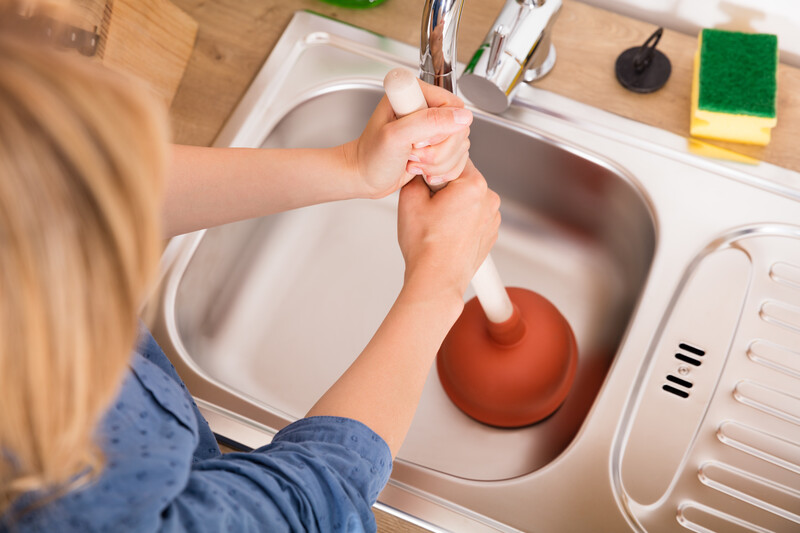
Credit: www.homeserve.com
Preliminary Checks
A clogged kitchen drain can be a real hassle. Before diving into complex solutions, conduct some preliminary checks. These steps help you understand the problem better and might even resolve it. Let’s explore how to perform these checks effectively.
Assessing The Blockage
Start by determining the severity of the blockage. Run a small amount of water into the sink. Watch how quickly it drains. A slow drain indicates a partial blockage. If water doesn’t drain at all, the blockage is severe. Listen for any unusual sounds. Gurgling noises can signal trapped air due to the blockage. This assessment helps decide the next steps.
Removing Visible Debris
Check the sink for any visible debris. Food scraps or other items often clog drains. Wear gloves to remove any visible blockages. This simple act can sometimes solve the problem. Look at the drain cover or stopper. These can trap debris and slow water flow. Remove them if possible and clean them thoroughly. This might restore the drain’s normal function.
Simple Diy Methods
Clogged kitchen drains can be a real headache, but you don’t always need to call a plumber. With a few simple DIY methods, you can often clear your drain using materials you already have at home. These techniques are not only effective but also easy on your wallet. Let’s dive into some proven strategies that can help you tackle this common household problem.
Boiling Water Technique
One of the simplest ways to clear a kitchen drain is by using boiling water. It’s surprisingly effective for clearing minor clogs caused by grease and soap buildup. Simply bring a pot of water to a boil and carefully pour it down the drain in stages. Allow each pour to work through the blockage before adding more. This method works best for metal pipes and can sometimes help dissolve stubborn residues.
Remember to be cautious when handling boiling water to avoid burns. It’s a straightforward solution that can save you time and effort. Have you tried this before? You might be amazed at how often it works!
Baking Soda And Vinegar Solution
Baking soda and vinegar is a classic combination that can tackle more stubborn clogs. Begin by pouring a cup of baking soda down the drain, followed by a cup of vinegar. You’ll notice fizzing as the two react, which helps break down the blockage.
Cover the drain with a plug or cloth to contain the reaction. After about 15 minutes, flush the drain with hot water. This natural solution is safe and environmentally friendly. It’s like a mini science experiment right in your kitchen! Have you ever thought of using pantry staples for plumbing issues?
These simple methods can often save you from costly repairs and maintenance. Give them a try next time your drain is sluggish, and you may find yourself an unexpected plumbing pro.
Using A Plunger
Using a plunger can effectively unclog a kitchen drain. Place the plunger over the drain and push down firmly to create suction. Repeat several times to dislodge debris and restore water flow.
Unclogging a kitchen drain can be a hassle. Using a plunger is a simple and effective method. It requires no special skills and only takes a few minutes. Let’s dive into the details of using a plunger.Choosing The Right Plunger
Selecting the right plunger is crucial. Not all plungers are the same. A cup plunger works best for kitchen sinks. It has a flat, cup-shaped rubber end. This type creates a good seal over the drain opening. Avoid using flange plungers meant for toilets. They won’t create the right seal on flat surfaces.Proper Plunging Technique
Start by filling the sink with some water. A few inches should do. This helps the plunger create suction. Place the plunger over the drain opening. Make sure it covers the hole completely. Push down gently at first. Then pull up sharply. Repeat this action several times. The motion should be steady and consistent. Listen for a gurgling sound. This means the clog is breaking up. Check if the water drains freely. If not, continue plunging. Be patient. Sometimes, it takes a few tries. A plunger is a valuable tool for unclogging drains. With the right technique, your kitchen sink will be clear in no time.Cleaning The P-trap
Removing the P-Trap is crucial for unclogging a kitchen drain. This U-shaped pipe holds water and debris, causing blockages. Start by placing a bucket underneath to catch water before loosening the nuts and detaching the trap. Clean thoroughly to clear the obstruction and restore smooth drainage.
Cleaning the P-Trap is crucial in unclogging a kitchen drain. The P-Trap is a curved pipe beneath your sink. It traps debris and prevents clogs. Regular cleaning ensures smooth water flow and keeps odors at bay. Let’s explore this task step-by-step.Locating The P-trap
Find the P-Trap under your kitchen sink. It resembles a U or S-shaped pipe. It connects the sink drain to the wall pipe. Ensure you have a bucket ready to catch any water.Disassembling And Cleaning
Place the bucket under the P-Trap. Unscrew the slip nuts holding the P-Trap. Use your hands or a wrench if needed. Carefully remove the P-Trap. Pour out the water and debris into the bucket. Check for blockages inside the trap. Use a brush or cloth to clean it thoroughly. Rinse with warm water for best results. Reattach the P-Trap by tightening the slip nuts. Ensure they are secure to prevent leaks.
Credit: www3.drano.com
Commercial Drain Cleaners
Unclogging a kitchen drain often involves using commercial drain cleaners. These products dissolve grease and food particles effectively. Pour the cleaner down the drain, wait, then flush with hot water.
Commercial drain cleaners offer a quick fix for kitchen clogs. These products can dissolve grease, soap scum, and food particles. They are available in liquid, gel, or powder forms. Many people use them because they are easy and effective. Before choosing a cleaner, there are several important factors to consider.Selecting An Appropriate Cleaner
Choose a cleaner that suits your pipe material. Some cleaners are harsh and can damage pipes. Check the label for compatibility with your plumbing. Consider eco-friendly options that are safer for the environment. Read reviews to understand product effectiveness. Select a cleaner with good customer feedback.Safety Precautions
Wear gloves and goggles when using drain cleaners. These products can be harmful to skin and eyes. Ensure proper ventilation in your kitchen. Fumes from cleaners can be strong. Keep the cleaner away from children and pets. Follow the instructions on the label carefully. Misuse can lead to accidents or damage. By choosing the right cleaner and following safety tips, you can clear your kitchen drain efficiently.Preventative Measures
Regularly clean your kitchen sink to prevent clogs. Use a mix of hot water and baking soda weekly. Avoid pouring grease or food scraps down the drain.
Unclogging a kitchen drain can be a messy affair, often requiring urgent attention. However, there are preventative measures you can adopt to avoid facing such a situation. By implementing regular maintenance tips and being mindful of common mistakes, you can keep your kitchen drain flowing smoothly and save yourself from the hassle of dealing with blockages.Regular Maintenance Tips
- Hot Water Flush:Pour boiling water down your drain once a week to prevent grease buildup. This simple act can dissolve any fat deposits before they solidify.
- Baking Soda and Vinegar:Use a monthly mix of baking soda followed by vinegar to clear out minor blockages and keep odors at bay. This natural remedy is both effective and eco-friendly.
- Drain Strainers:Invest in a drain strainer to catch food particles and debris. These inexpensive tools can prevent larger items from slipping into the pipes and causing clogs.
Avoiding Common Mistakes
- Grease Disposal:Never pour grease down the drain. Instead, let it cool and dispose of it in the trash. Grease can solidify and lead to tough clogs that are difficult to remove.
- Food Waste:Avoid stuffing large amounts of food waste into the disposal. Even with a garbage disposal, fibrous foods like celery can wrap around the blades and cause jams.
- Chemical Cleaners:Resist using harsh chemical drain cleaners regularly. They can corrode pipes over time. Opt for natural solutions whenever possible.
When To Call A Professional
Persistent clogs, foul odors, or slow drainage signal it’s time for professional help. DIY methods may fail if problems persist. Avoid further damage by calling an expert.
When a kitchen drain clogs, frustration builds. Most blockages clear with simple tools. But sometimes, the problem is bigger. Knowing when to call a professional saves time and stress. Recognizing severe blockages and choosing the right plumber are key steps.Signs Of Severe Blockage
Water drains slowly or not at all. A persistent foul odor emerges from the drain. Gurgling sounds occur even without using water. These are signs of a serious issue. DIY methods may not work. Ignoring these signs can worsen the problem.Choosing A Reliable Plumber
Find a plumber with good reviews. Ask friends for recommendations. Check for proper licensing and insurance. Compare quotes from multiple plumbers. This ensures fair pricing. Choose a plumber who communicates clearly. They should explain the problem and solution. This builds trust and ensures quality work.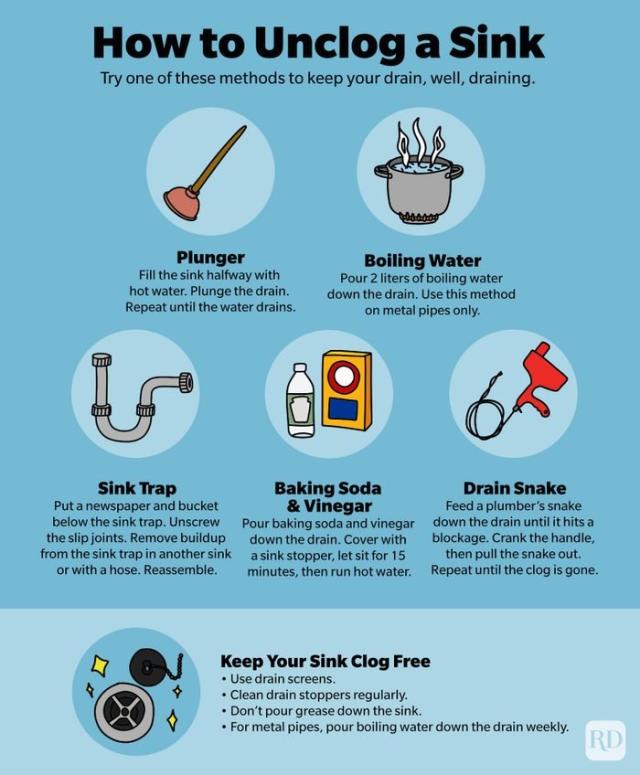
Credit: www.aol.com
Frequently Asked Questions
What Is The Best Way To Unclog A Kitchen Drain?
Use a plunger or baking soda and vinegar to unclog a kitchen drain. Pour boiling water afterward. Repeat if necessary. For stubborn clogs, use a plumber’s snake. Avoid harsh chemicals to protect pipes. Regularly clean your drain to prevent future clogs.
What Will Dissolve Food Stuck In The Drain?
Use baking soda and vinegar to dissolve food stuck in the drain. Pour hot water afterward to flush debris. This natural method is effective, eco-friendly, and helps maintain clear pipes. Consider using a plunger or plumber’s snake for stubborn clogs.
Regular cleaning prevents future blockages and ensures smooth drainage.
What Liquid Do Plumbers Use To Unclog Drains?
Plumbers often use a powerful drain cleaner called sulfuric acid or a bio-enzyme cleaner. These solutions effectively dissolve clogs. Always follow safety guidelines and consider professional help for severe blockages.
Do Baking Soda And Vinegar Work Better Than Drano?
Baking soda and vinegar can clear minor clogs by breaking down debris. Drano is stronger for stubborn blockages. Use baking soda and vinegar for eco-friendly cleaning. Drano acts faster for tough clogs, but handle with care. Choose based on clog severity and environmental preference.
Conclusion
Unclogging a kitchen drain seems tough, but it’s doable. Start with simple tools like a plunger or baking soda and vinegar. Regular cleaning helps prevent future blockages. Remember to check pipes for any visible damage. Use hot water to keep drains clear.
For stubborn clogs, a plumber might be the best choice. Keep your kitchen running smoothly by addressing issues early. It’s important to maintain your drain and avoid costly repairs. With these tips, your kitchen stays clean and functional. Happy cooking and cleaning!